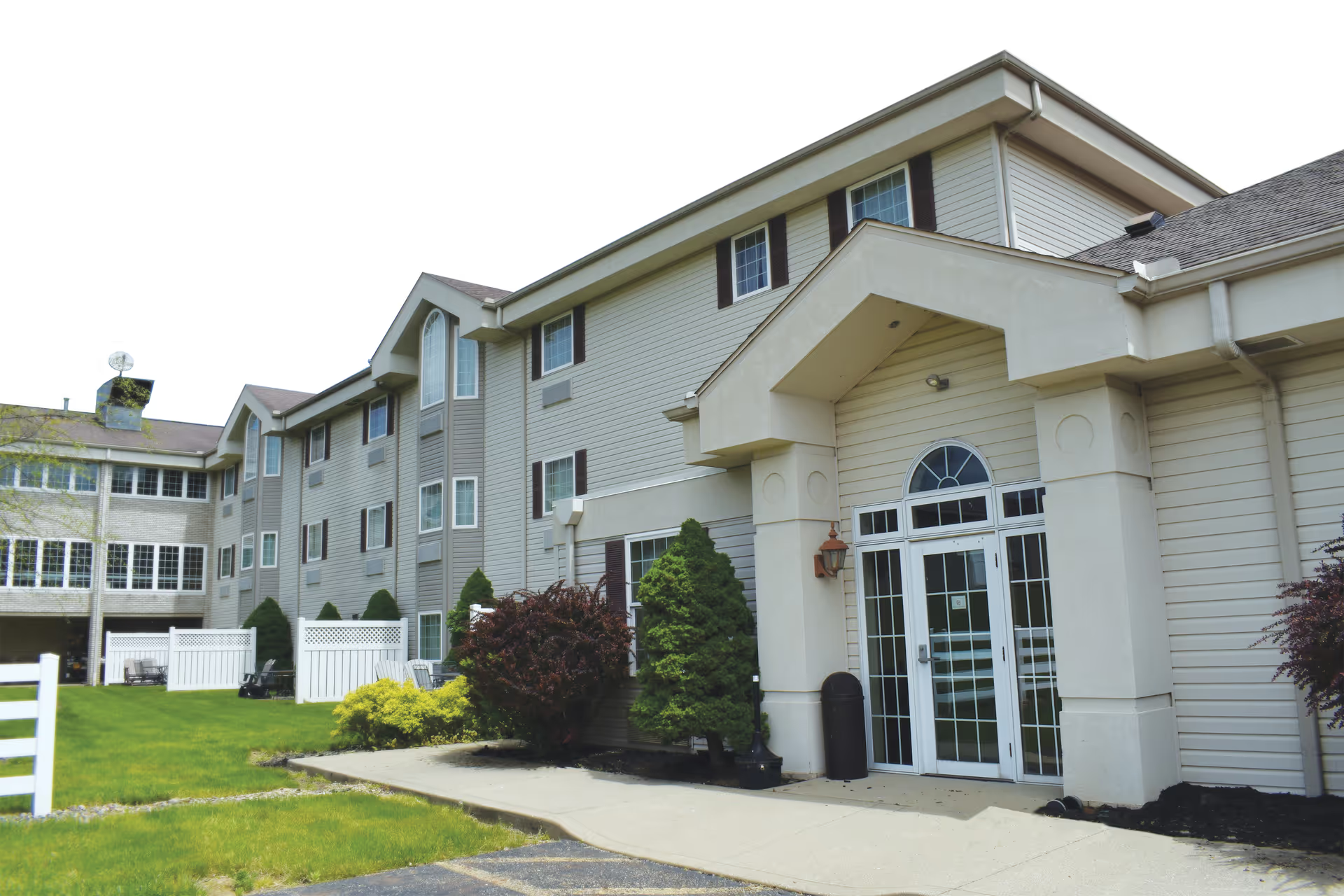
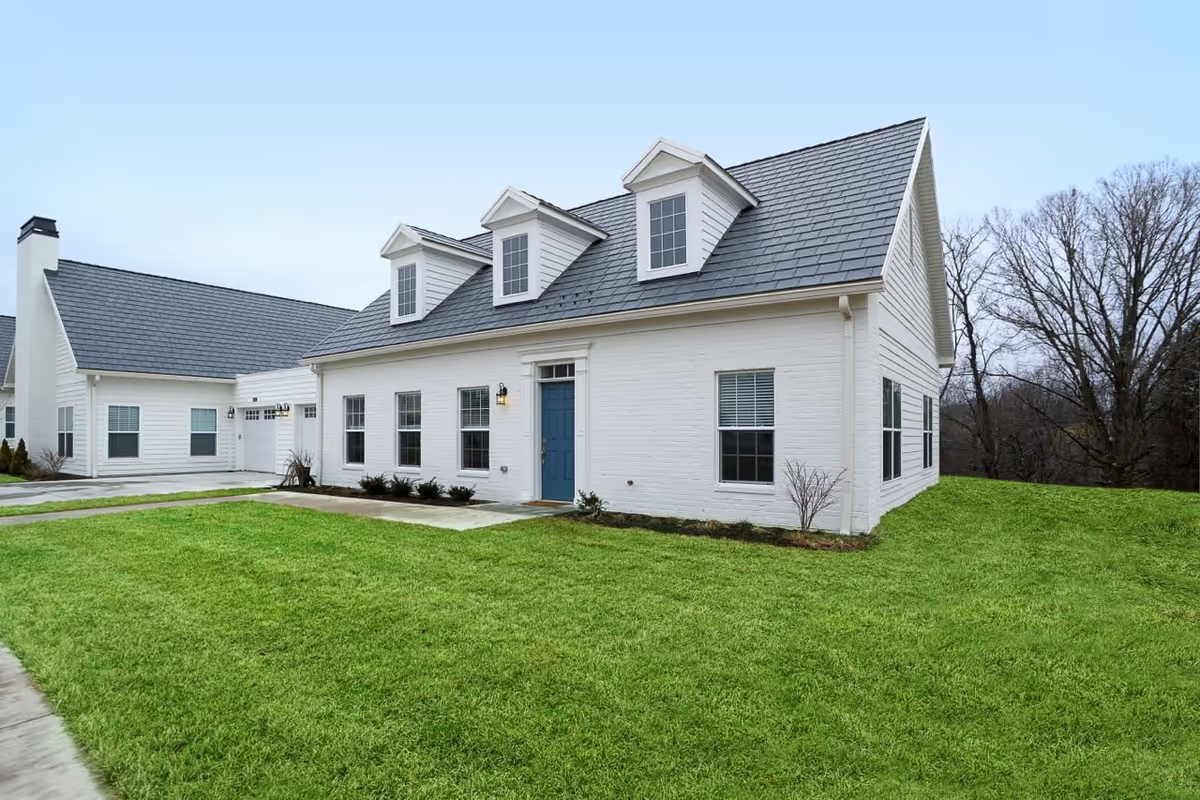
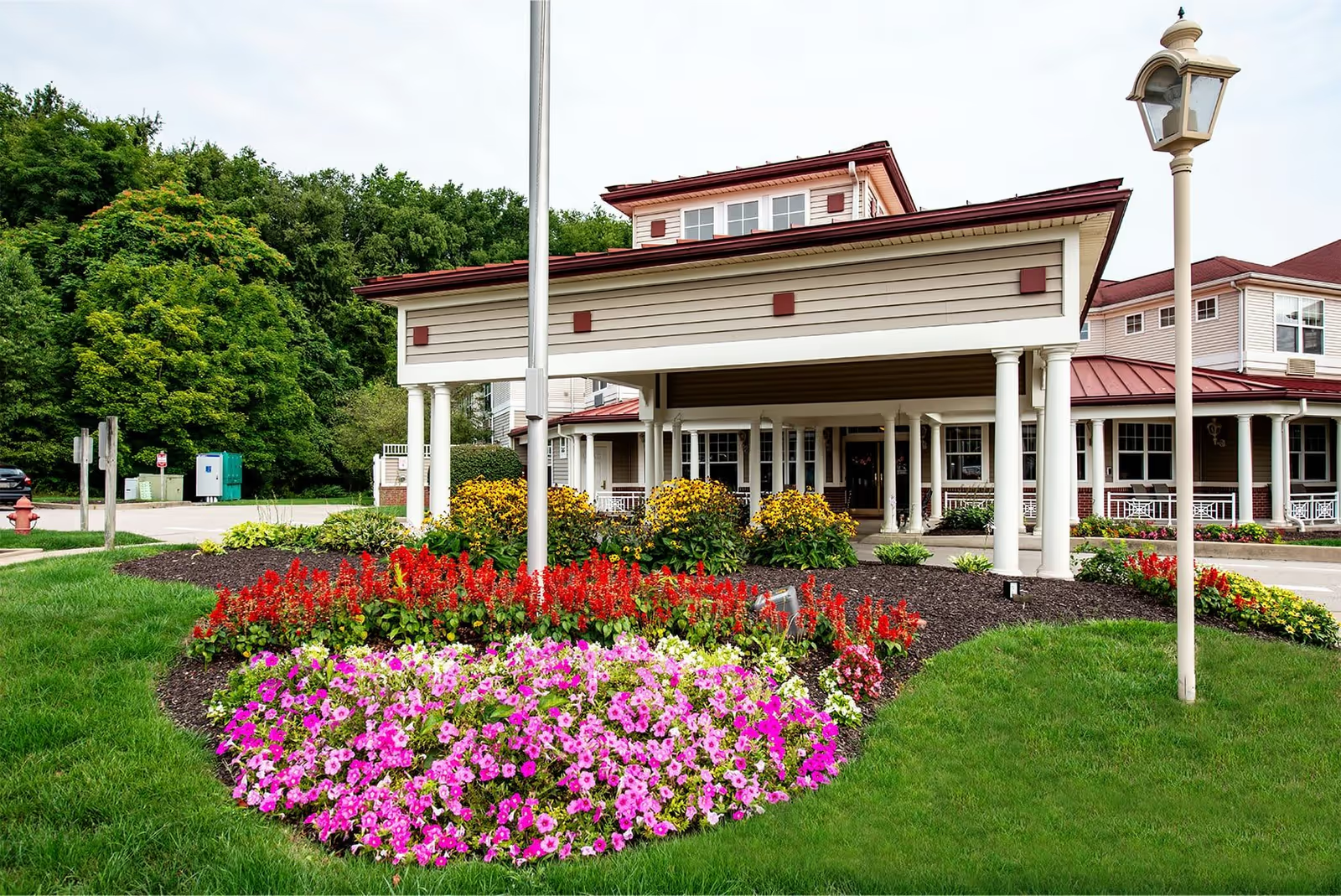
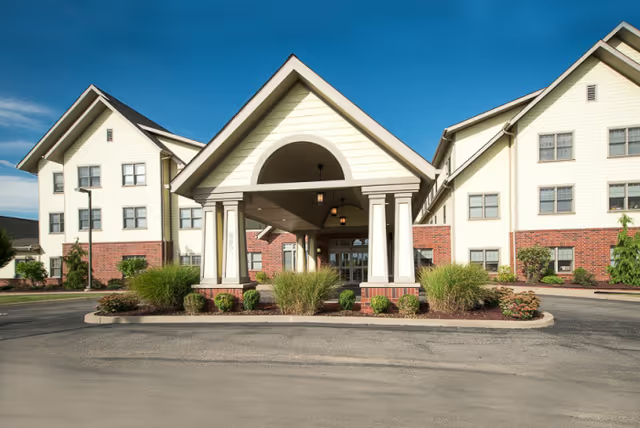
The reviews for Sienna Skilled Nursing & Rehabilitation are mixed, showing clear strengths at the direct-care level alongside a number of facility-level operational concerns. Many families praise direct caregivers — particularly nursing aides, certain nurses, therapists and a respiratory therapist — for compassionate, hands-on care, timely emergency response, and effective interdisciplinary coordination. Admissions and intake staff are frequently described as helpful, and housekeeping and maintenance receive positive comments for keeping the environment orderly in several accounts.
Care quality appears uneven. Positive accounts describe prompt pain management, attentive aides, and successful rehabilitative outcomes. Conversely, other reviews describe delays in bedside assistance and call-light responses, inconsistent medication oversight, and examples of clinical deterioration that resulted in hospital transfers. There are repeated references to hydration and infection-management concerns, and several reviewers raise wound-care and pressure-injury prevention as an area needing improvement. Rehabilitation services are praised when they occur but are also described as inconsistently scheduled or curtailed, which affects therapy effectiveness for some residents.
Staffing, culture, and management show a split pattern. On one hand, staff members are characterized as caring and willing to go the extra mile; on the other hand, reviewers identify chronic understaffing, variable leadership, morale issues, and instances of gossip and favoritism. Several comments indicate weaknesses in hiring practices and background screening, and some accounts allege theft and other serious personnel-related issues. Communication with families is likewise inconsistent: some families report regular care conferences and strong administrator involvement, while others describe conflicting information from staff and exclusion of family input in care decisions.
Dining, activities, and ancillary services are also inconsistent. Positive feedback highlights engaging activities, resident council meetings, and occasional good meals. However, other reviews cite poor food quality, cold or delayed meals, canceled or poorly executed activity programs, and unreliable transportation services. Housekeeping and maintenance receive praise in multiple comments, but cleanliness and odor concerns are mentioned in other accounts, indicating uneven performance across units or shifts.
Regulatory and quality-assurance themes recur. A number of reviews suggest the facility responds reactively to surveys or inspections rather than maintaining continuous quality controls; infection-control adherence and room security for residents who wander are specifically noted as areas of concern. The perception by some families that operational decisions are influenced by financial priorities rather than clinical needs is also present in the feedback.
For prospective residents and families: the facility demonstrates strong individual caregivers and some effective clinical and administrative practices, but there are persistent operational issues that merit careful inquiry. Recommended questions include current staffing ratios by shift, the facility’s processes for call-light response, medication-administration checks, wound- and pressure-injury prevention protocols, infection-control policies, hiring and background-screening procedures, therapy scheduling consistency, and how family input is incorporated into care plans. An in-person visit (including meal observation, activity programming, and conversations with nursing leadership) and review of recent inspection reports will help clarify whether the facility’s strengths align with a prospective resident’s needs.