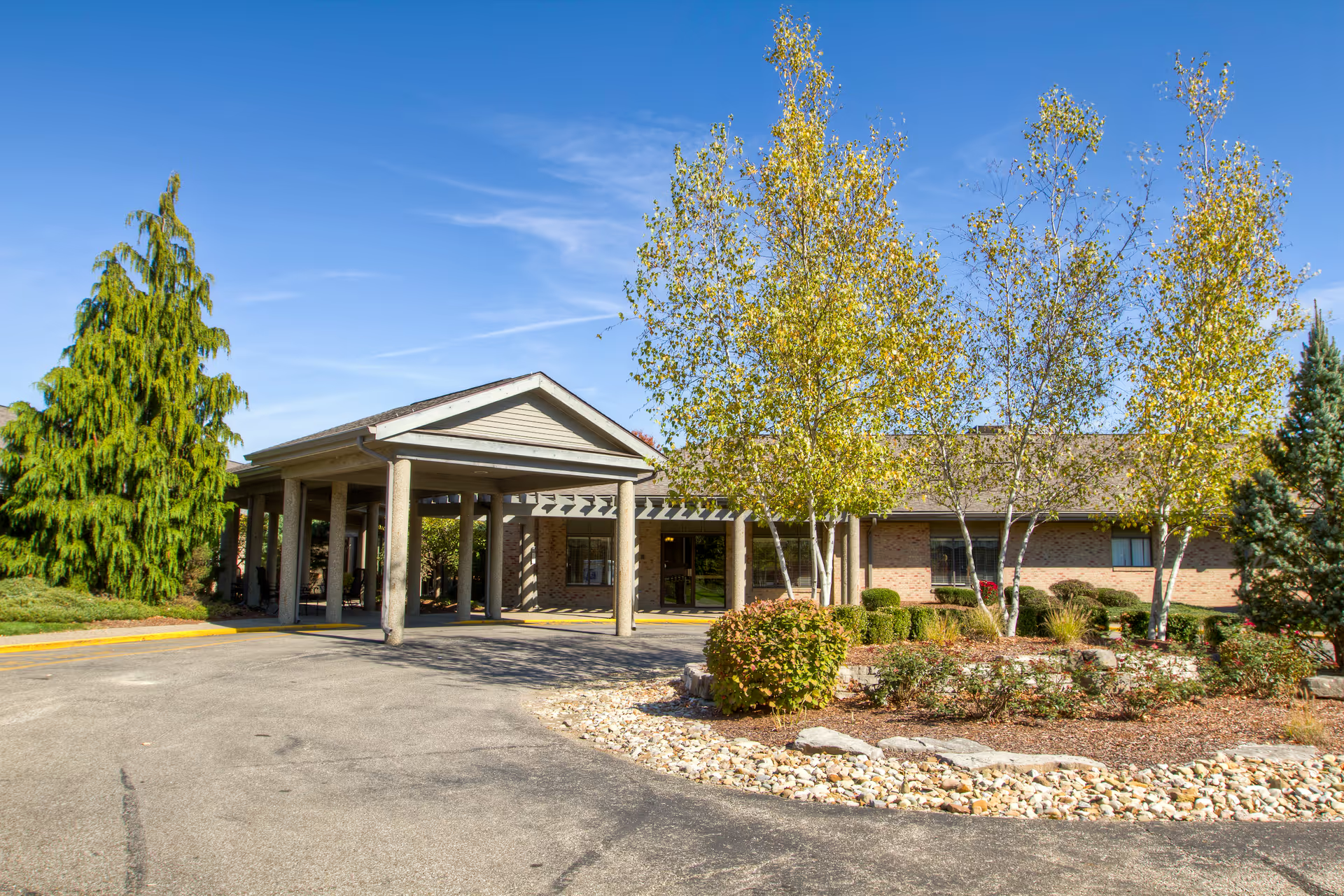
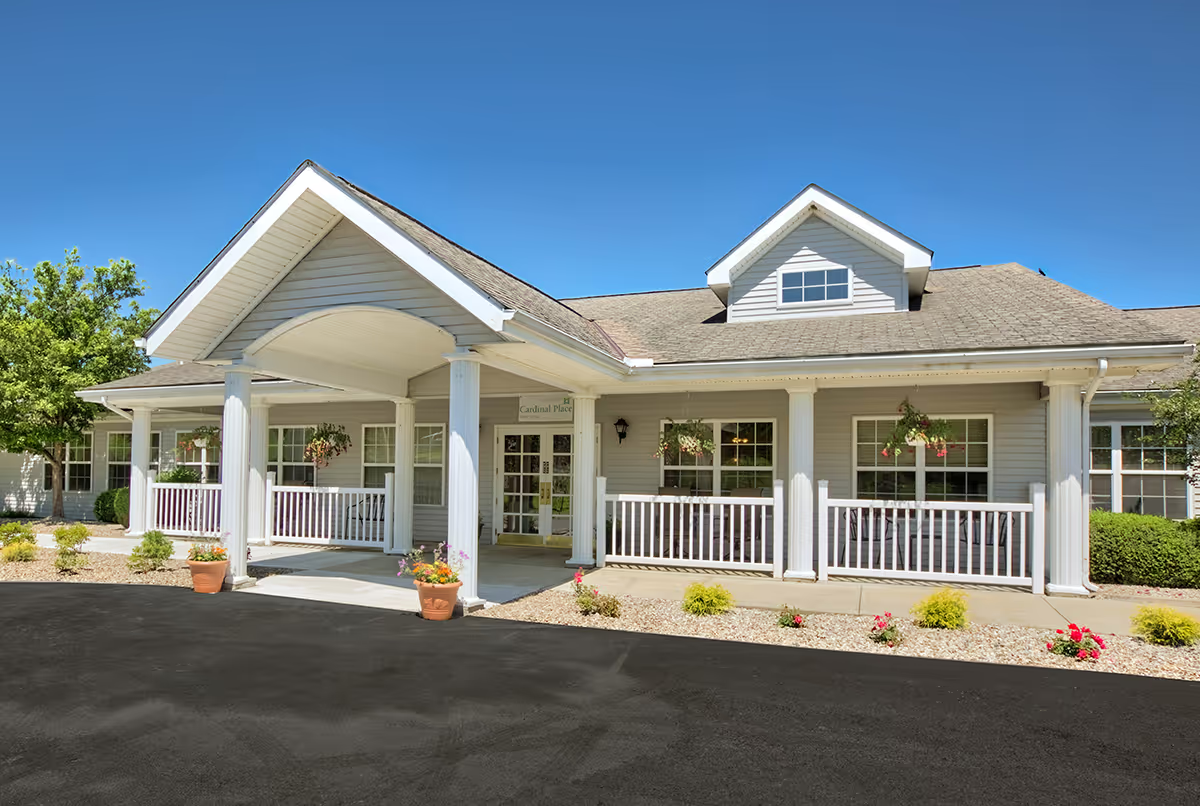
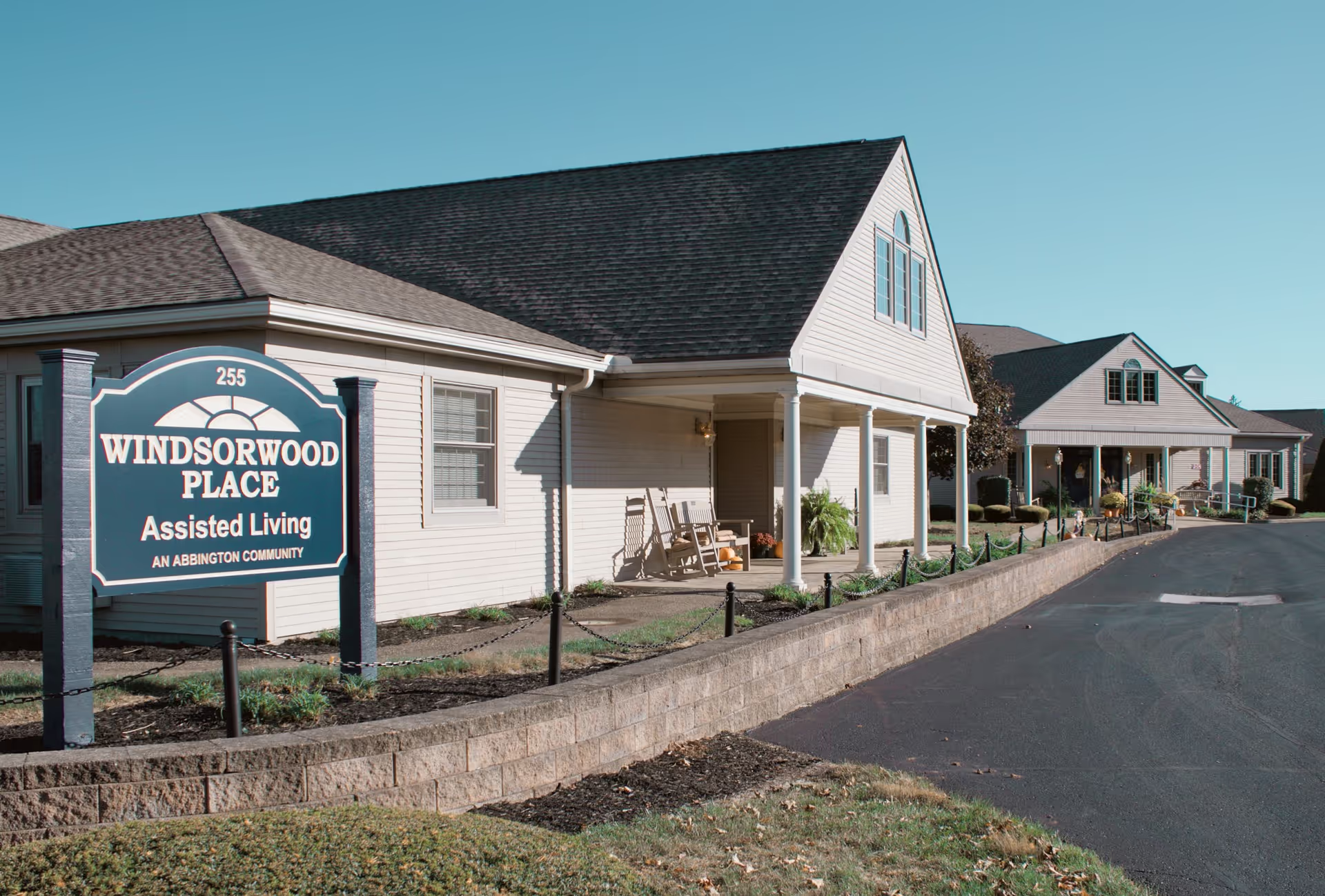
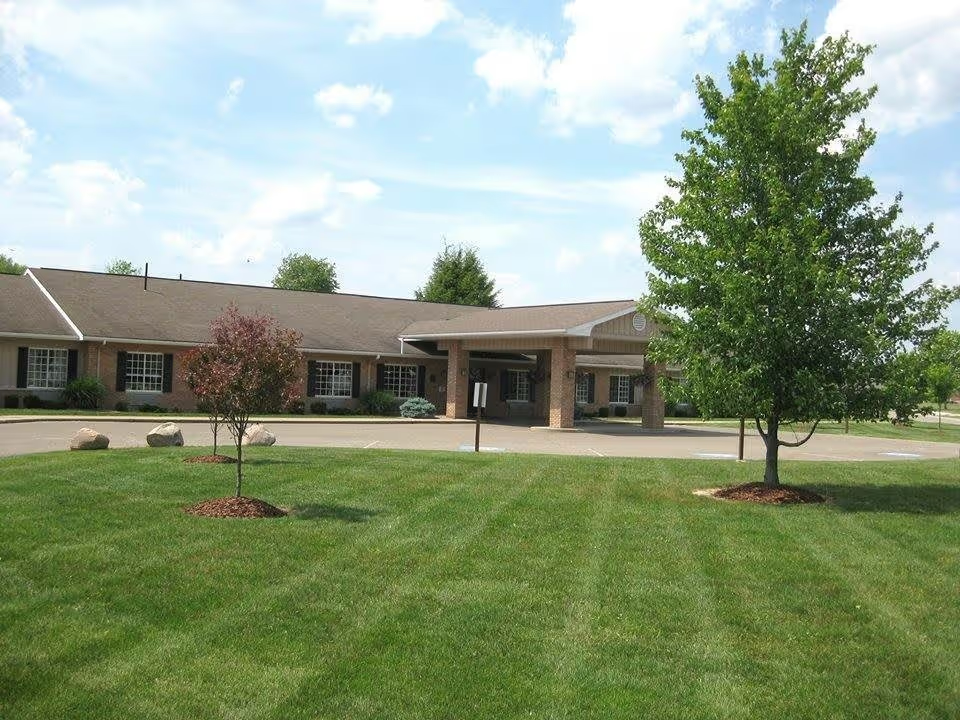
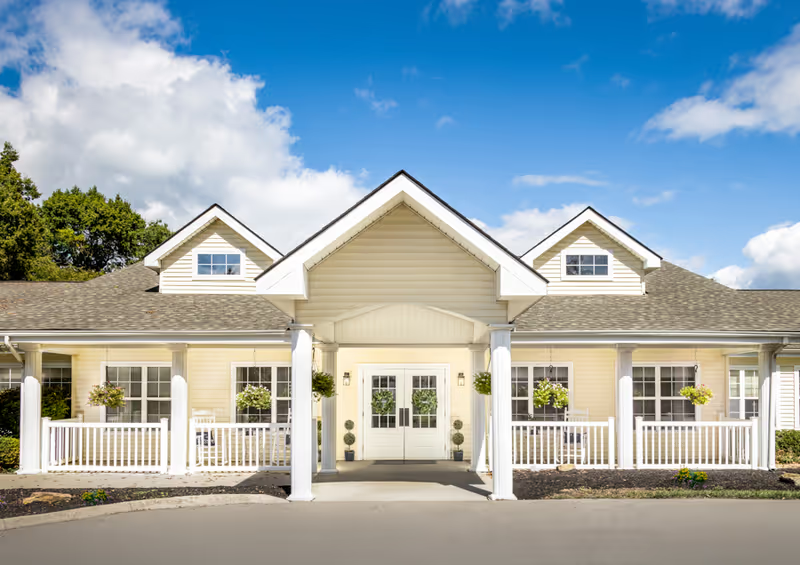
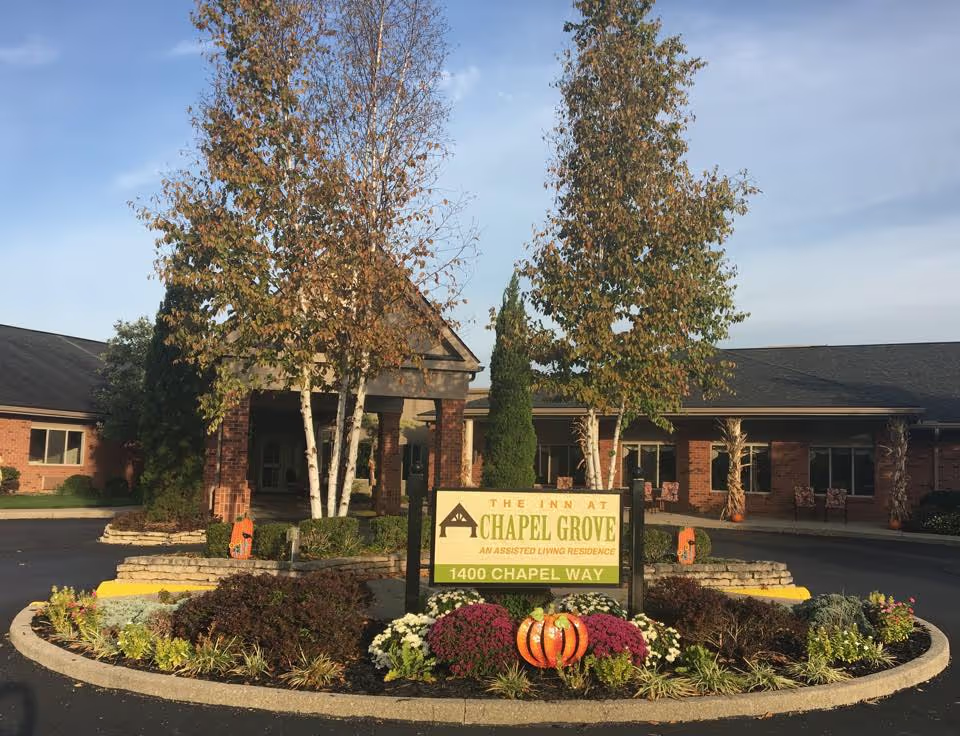
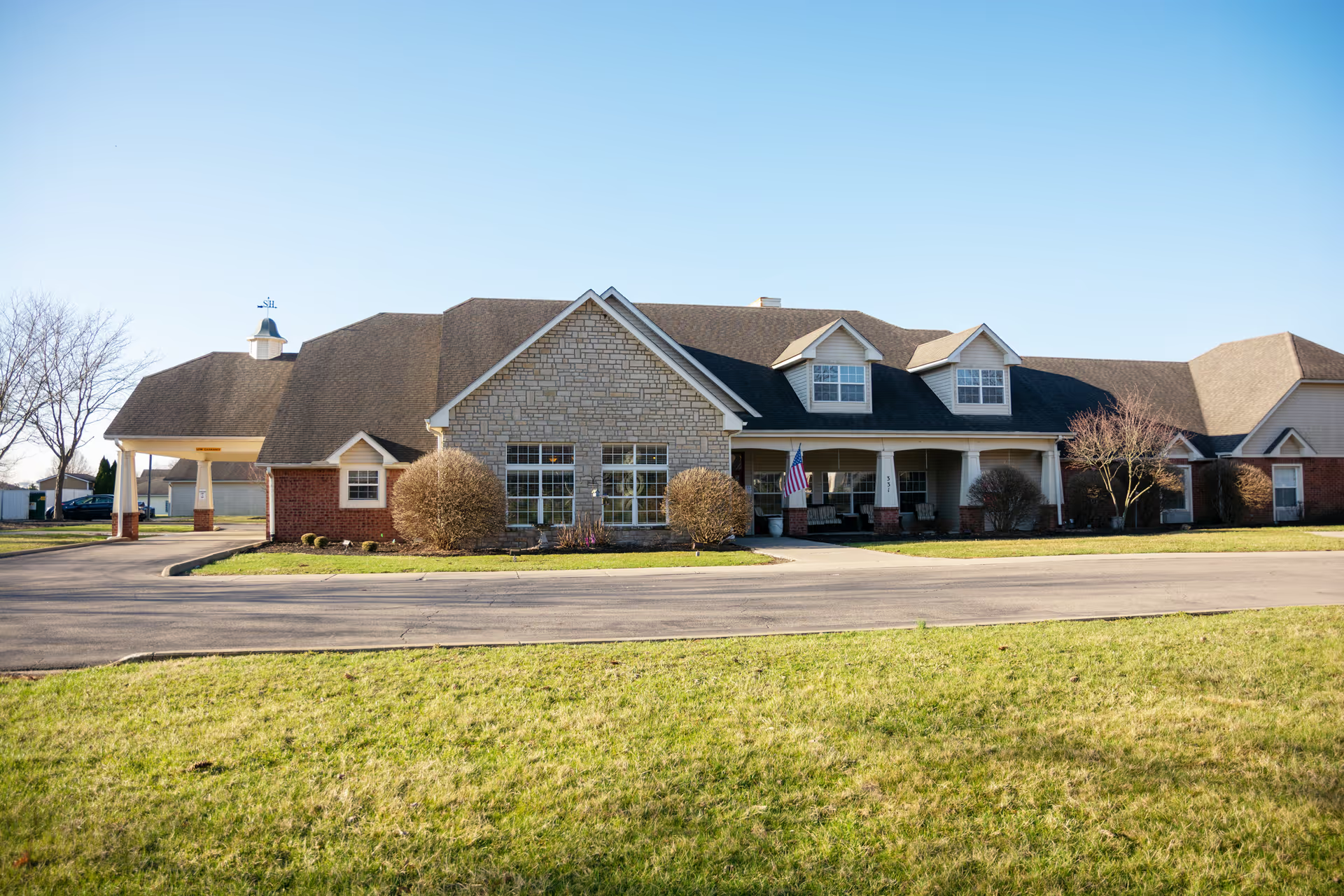
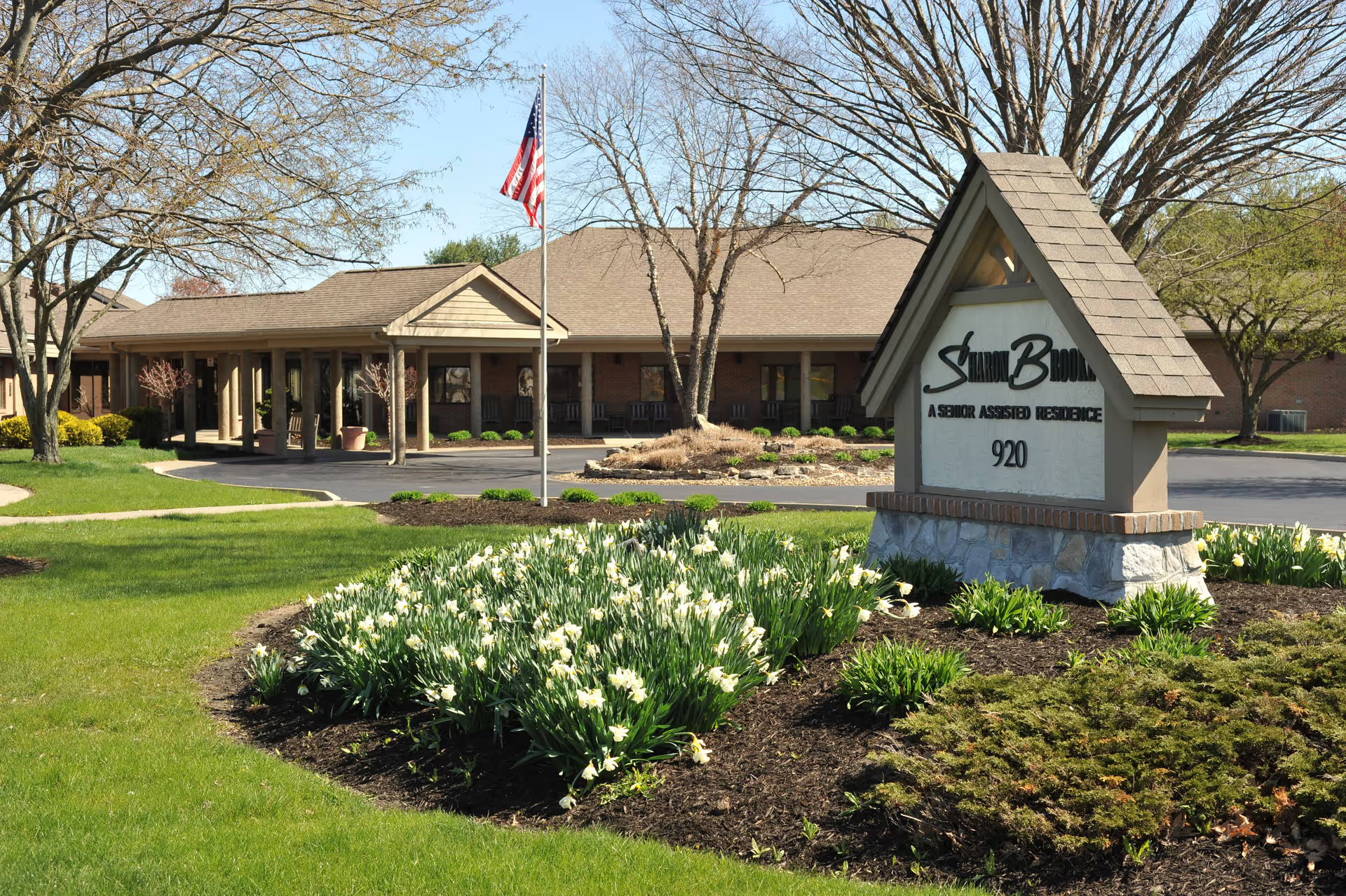
Overall impression: The facility appears to offer a warm, interpersonal care environment with staff who are described as kind, respectful, and engaged. Families and residents commonly comment on courteous interactions and a sense of family-style attention from caregiving teams. Management presence is noted as welcoming, and one named director is specifically described as accessible. The resident community is presented as friendly and socially positive, and an on-site pet-assisted therapy program contributes to that atmosphere.
Care and staff: Caregiving staff are frequently characterized as compassionate and respectful. Reviewers emphasize polite, individualized treatment and instances where family members felt their relative was treated with dignity. There are no systemic descriptions of clinical care processes in the material provided, but staff–resident relational quality is consistently highlighted as a strength.
Dining and food service: Dining receives positive remarks; meals are described as enjoyable and the kitchen is characterized as sanitary and well maintained. These points suggest generally reliable meal preparation practices and attention to kitchen-level sanitation standards.
Activities and transportation: The program includes scheduled off-site shopping trips (a weekly Walmart run) and accessible pet therapy, which supports resident engagement. At the same time, reviewers indicate limited variety in activity offerings and a desire for more resident-directed choices. Transportation capacity for outings is constrained (capacity noted as three ride-ons), which can limit access to off-site activities and reduce scheduling flexibility.
Facilities, cleanliness, and safety: Several operational concerns emerge around environmental management. There are persistent pest-control concerns and indications that remediation efforts have not fully addressed the issue, creating ongoing stress for residents and families. Reviewers also cite cleanliness and broader sanitation concerns in the living environment, and episodes of restricted family access during holidays were mentioned, which compounded family worry about safety and oversight. These points suggest gaps in environmental protocols and visitor-access policies that prospective families should review closely.
Management and communication: While individual leaders are described as welcoming, there is a concurrent theme of limited proactive communication: reviewers note a lack of regular resident or family meetings and insufficient routine information-sharing. This gap appears to increase family stress when operational problems arise and reduces transparency around facility responses to issues.
Notable patterns and trade-offs: The dominant pattern is a contrast between strong interpersonal caregiving and weaknesses in operational management. Strengths include staff demeanor, meal quality, social atmosphere, and some therapeutic programming. Weaknesses center on environmental-control protocols, sanitation consistency, visitor access during certain periods, limited activity variety, and constrained transportation capacity. Prospective residents and families may find the facility appealing for relational care and dining, but should seek detailed answers about pest-control procedures, environmental-cleaning schedules, visitation policies, activity planning, and transportation logistics before making a placement decision.