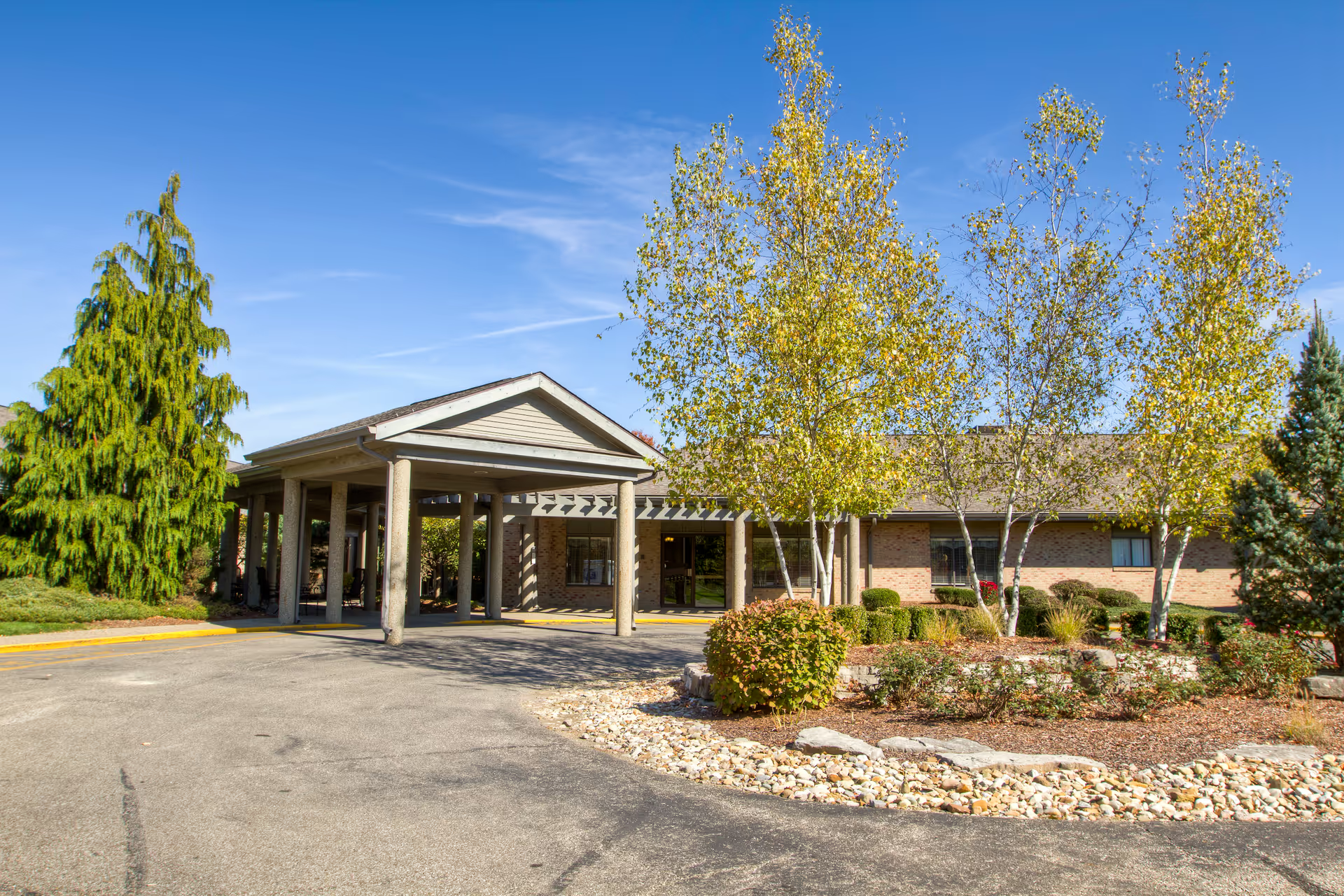
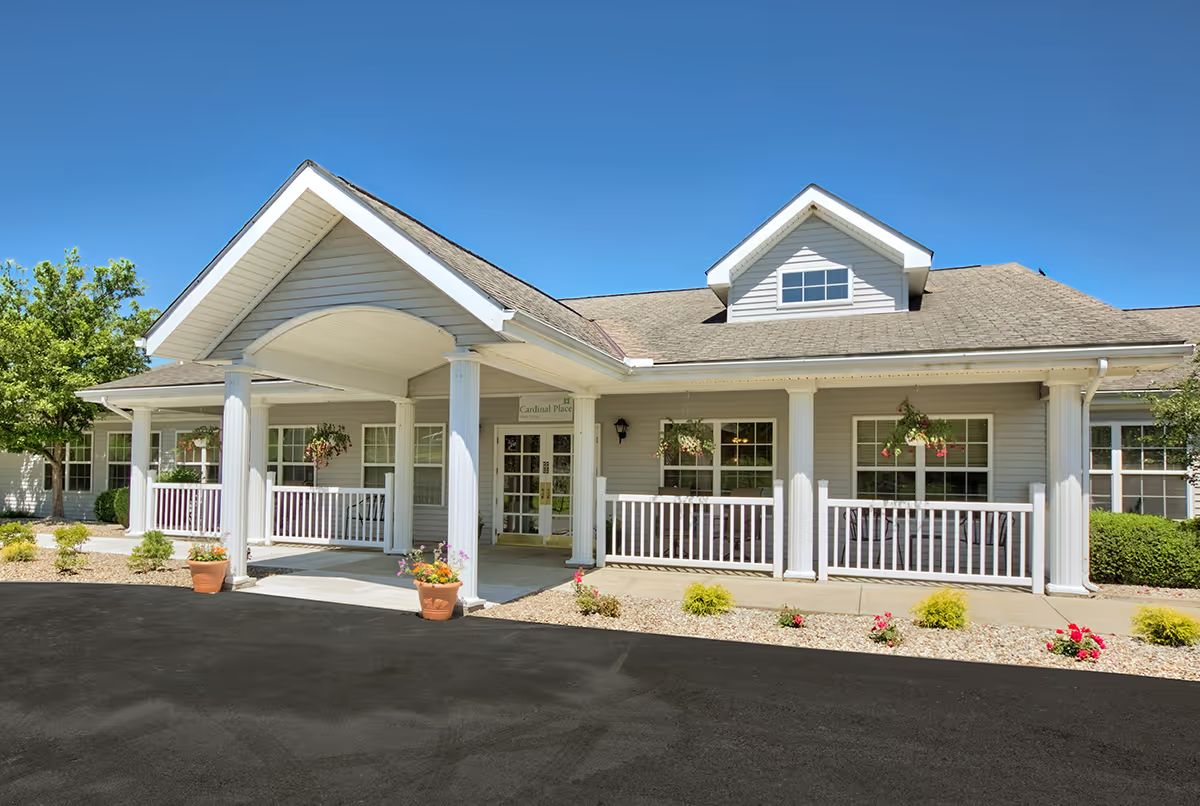
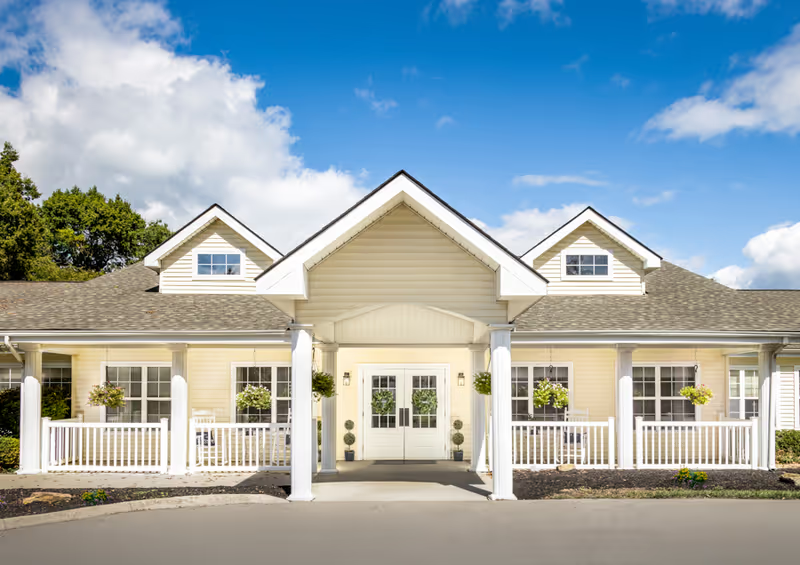
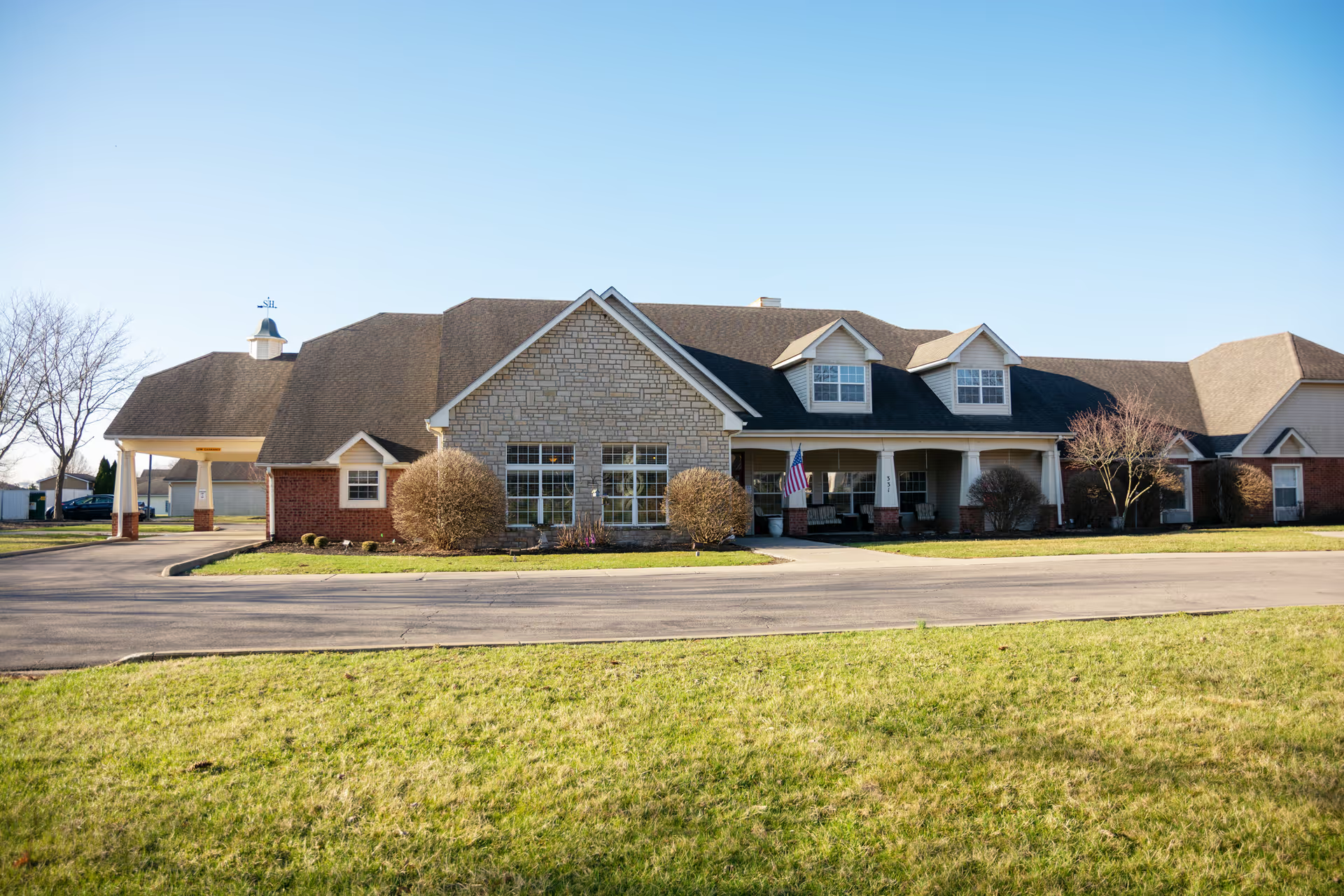
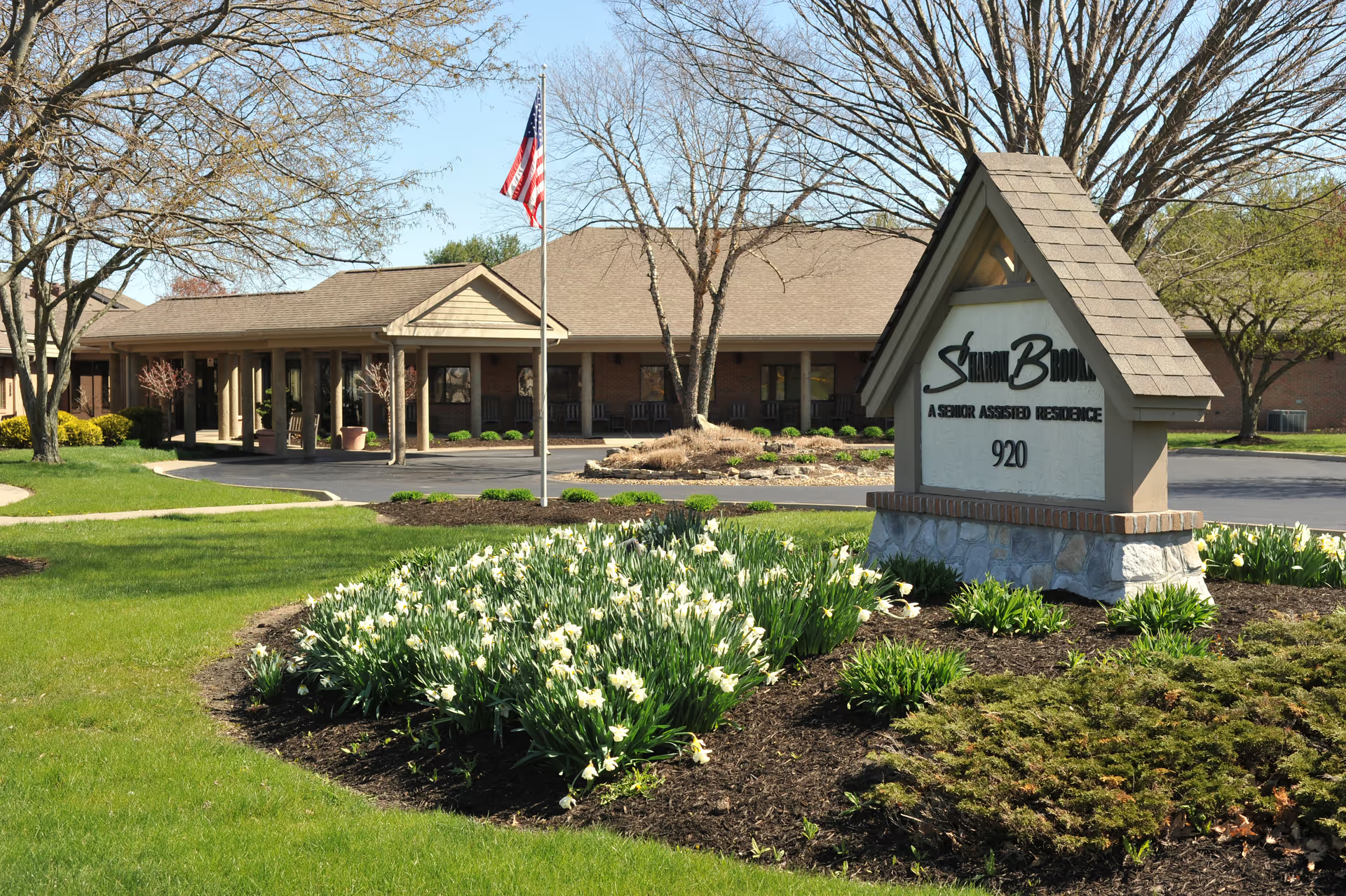
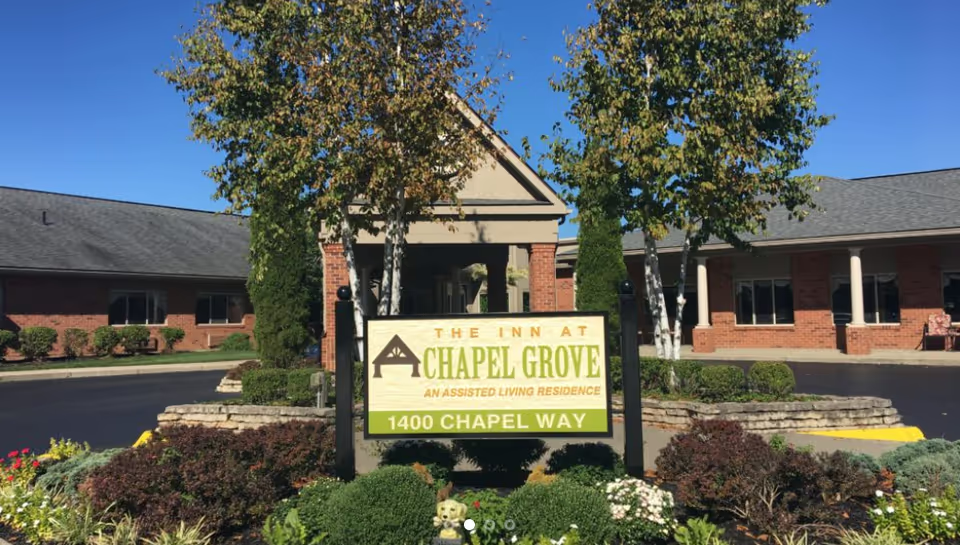
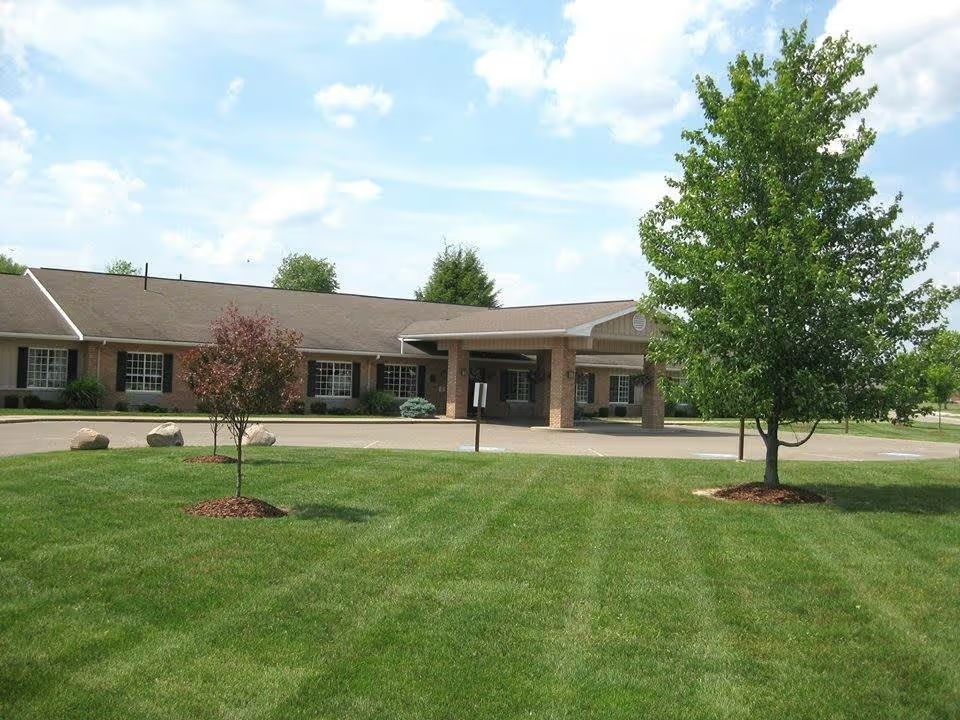
Reviewer feedback on this facility is markedly mixed, with distinct patterns emerging across care, operations, and amenities. Many families and residents praise the physical environment — reviewers frequently describe a clean, well-kept campus with attractive common areas and a welcoming, home-like tone. The facility offers a broad activities program (movies, bingo, crafts, theater) and visible amenities such as a library, barbershop, and transportation support, which multiple reviewers cited as enhancing resident quality of life.
Rehabilitation services are a consistent strength in the comments. Occupational and physical therapy teams receive repeated positive mentions for expertise, preparation for discharge, and hands-on progress. Several families credited therapy staff with meaningful functional gains. Housekeeping and maintenance are generally viewed positively for common-area cleanliness and responsiveness to issues, although maintenance concerns appear inconsistently in resident rooms.
Care quality and clinical operations show significant variability. While many reviewers described attentive aides and helpful nurses who provided timely updates and compassionate care, others described delays in clinical response, missed medication or IV administration events, and insufficient monitoring of acute changes. These accounts suggest inconsistent adherence to medication-administration and clinical-monitoring protocols across shifts. A small number of serious, individual allegations — including concerns about incident reporting and a death-related inquiry — were raised and indicate the need for careful follow-up by prospective families.
Dining and nutrition experiences are also mixed. Some reviewers found meals appropriate and appreciated flexibility for preferences, while others reported cold or poorly prepared meals and inadequate meal monitoring for residents with specific dietary or glycemic needs. Several comments tied mealtime issues to decreased intake and clinical concerns, indicating variability in kitchen processes and meal-service continuity.
Staff-related dynamics are a central theme. Strengths include a core of dedicated, compassionate staff and therapists who go beyond expectations and cultivate a family-like culture. Weaknesses include variability in professionalism, instances of blunt or dismissive communication, and uneven responsiveness at the front desk or on certain shifts. These differences appear to correlate with staffing levels and shift coverage, implying operational staffing challenges rather than a uniform cultural problem.
Management and administrative themes include generally good discharge planning and occasional proactive communication, but recurring frustrations with billing, insurance paperwork, and administrative follow-through. Facility-level maintenance issues cited in some room-level reports include missing window coverings, shower hardware problems, and intermittent HVAC issues. Reviewers also raised pest-control and sanitation concerns in specific areas, which merit verification during a visit.
For prospective residents and families: the facility offers strong rehabilitation programming, varied activities, and several examples of excellent, compassionate caregivers. At the same time, the mixed clinical and operational reports suggest it is important to clarify specific policies during a tour — ask about staffing ratios per shift, medication-administration safeguards, incident-reporting procedures and family notification timelines, kitchen practices for special diets, pest-control logs, and recent survey or inspection history. Speaking directly with the therapy team, nursing leadership, and current family contacts can help assess whether the facility’s strengths align with an individual resident’s clinical and psychosocial needs.