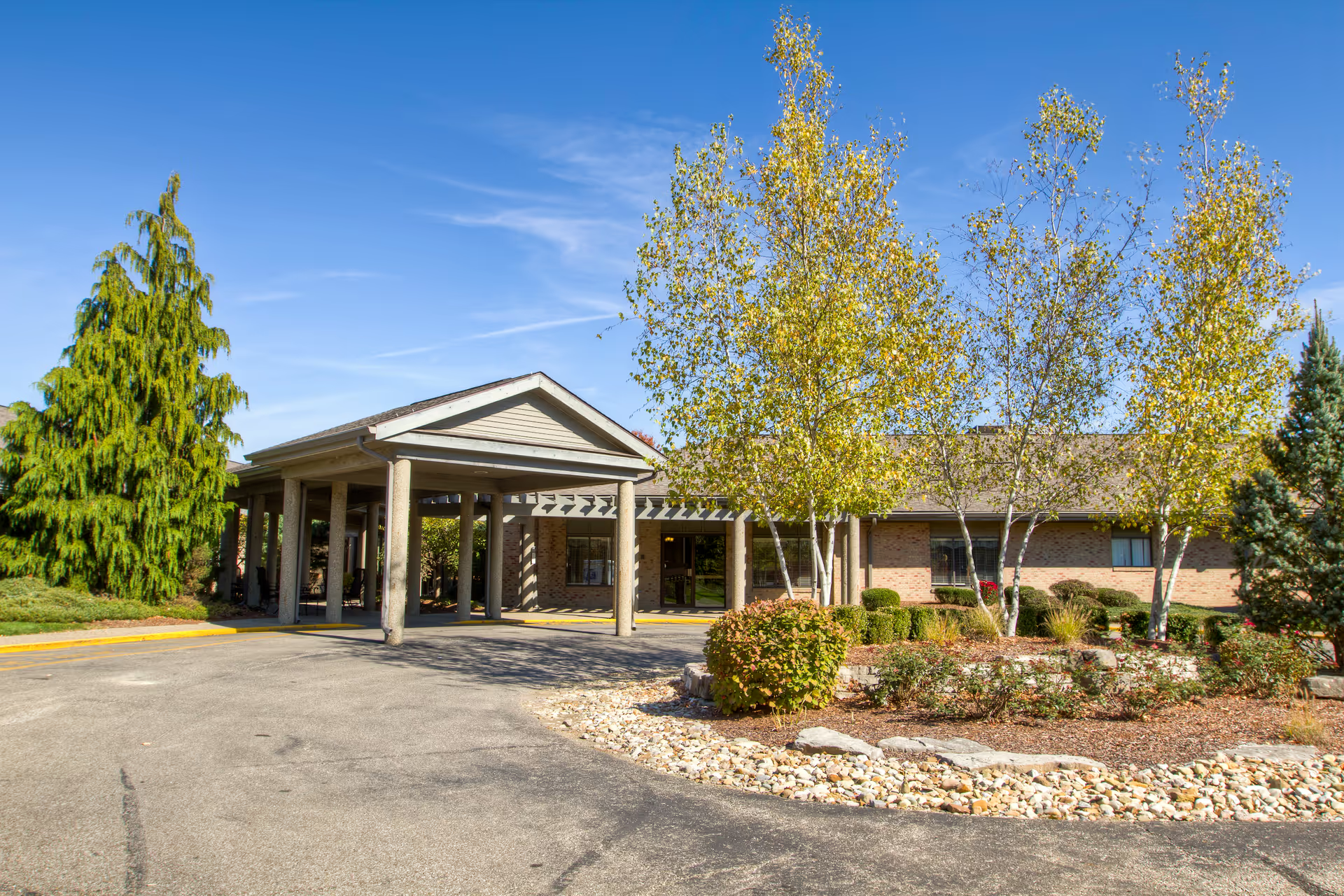
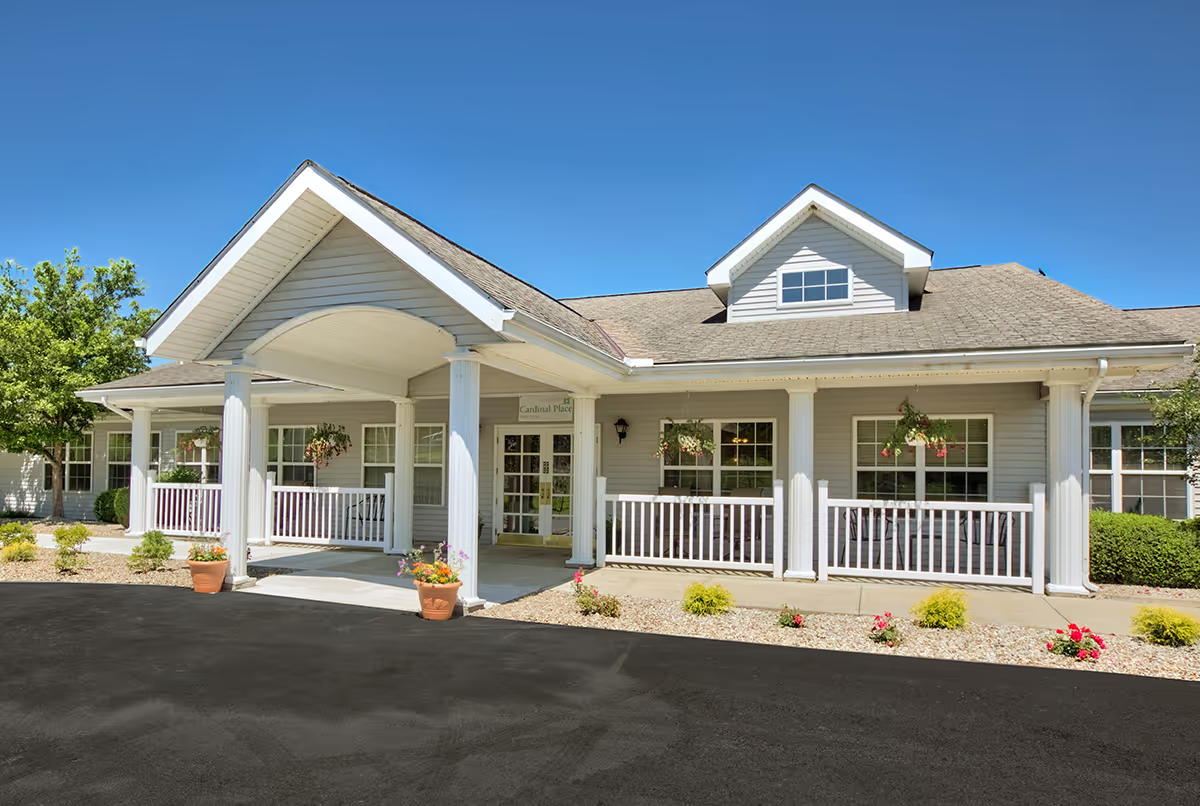
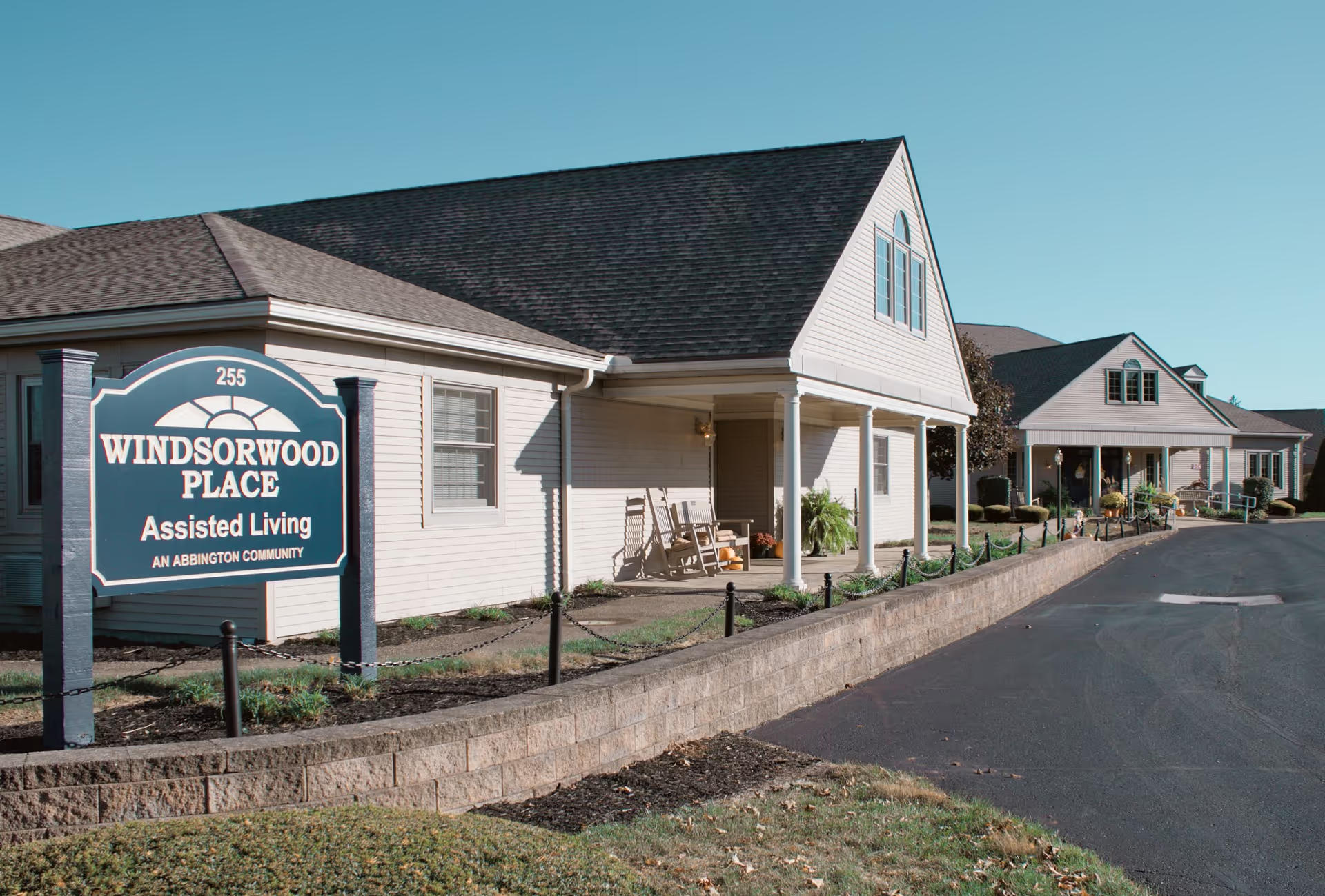
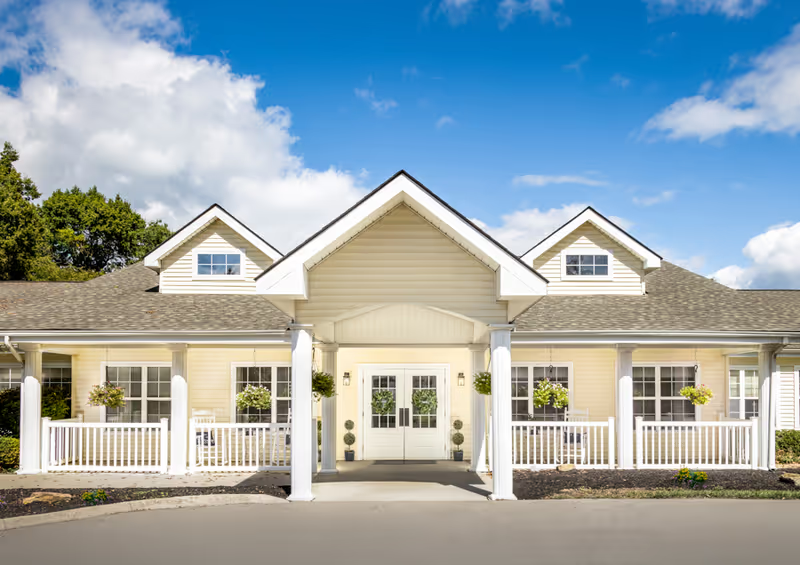
The reviews for Cedar Hill Healthcare & Rehabilitation present a mixed picture with clear strengths in direct care and community aspects alongside recurring operational concerns. Many families and residents praise nursing and aide staff as compassionate and attentive, and rehabilitation therapy is frequently described as competent and effective. Several accounts highlight a welcoming, home-like atmosphere, well-kept common areas and grounds, and an active social program (bingo and other social events) that supports resident engagement. The facility also receives positive comments for family-friendly visitation and shared-dining options, on-site transportation for medical appointments, and instances of proactive communication and follow-up from staff.
Dining and food service emerge as a common area of concern. Reviews note inconsistent meal quality, issues with food temperature and presentation, and limited culinary appeal. These problems are described as affecting resident satisfaction with daily meals and, in some cases, undermining the overall dining experience. One review includes an allegation about non‑standard meal handling; prospective families should ask about dietary oversight, sample menus, and meal-service processes during a visit.
Operational and management themes include staffing and responsiveness. Multiple accounts indicate periods of understaffing, delayed responses to call lights, and delays in attending to residents who require assistance. These issues are tied by reviewers to gaps in supervision and inconsistent staff conduct and professionalism. Other organizational weaknesses noted include communication and intake-process barriers (difficult admission experiences, unanswered phone calls), as well as deficiencies in housekeeping and equipment maintenance such as linen and mattress care. Pest-control concerns and occasional odor concerns in some areas were also raised and warrant inquiry.
There is notable polarization in reviewer experience: some families describe consistently positive, dignified care and active engagement for residents, while others report significant service shortfalls that they found unacceptable. This variability suggests that performance may differ by unit, shift, or specific care teams. For prospective residents and families, recommended walkthrough questions include: current staffing levels and staff-to-resident ratios by shift; typical call-light response times and how urgent needs are triaged; examples of menu cycles and procedures for special diets; housekeeping and pest‑control protocols; intake and communication procedures; and how the facility documents and resolves family concerns.
In summary, Cedar Hill shows strengths in direct caregiving, rehabilitation services, and the social environment, but also exhibits consistent operational weaknesses in dining quality, staffing responsiveness, environmental maintenance, and administrative communication. These patterns are important to verify in person; targeted questions and observation during a tour can help determine whether the facility’s current practices align with a prospective resident’s needs and expectations.