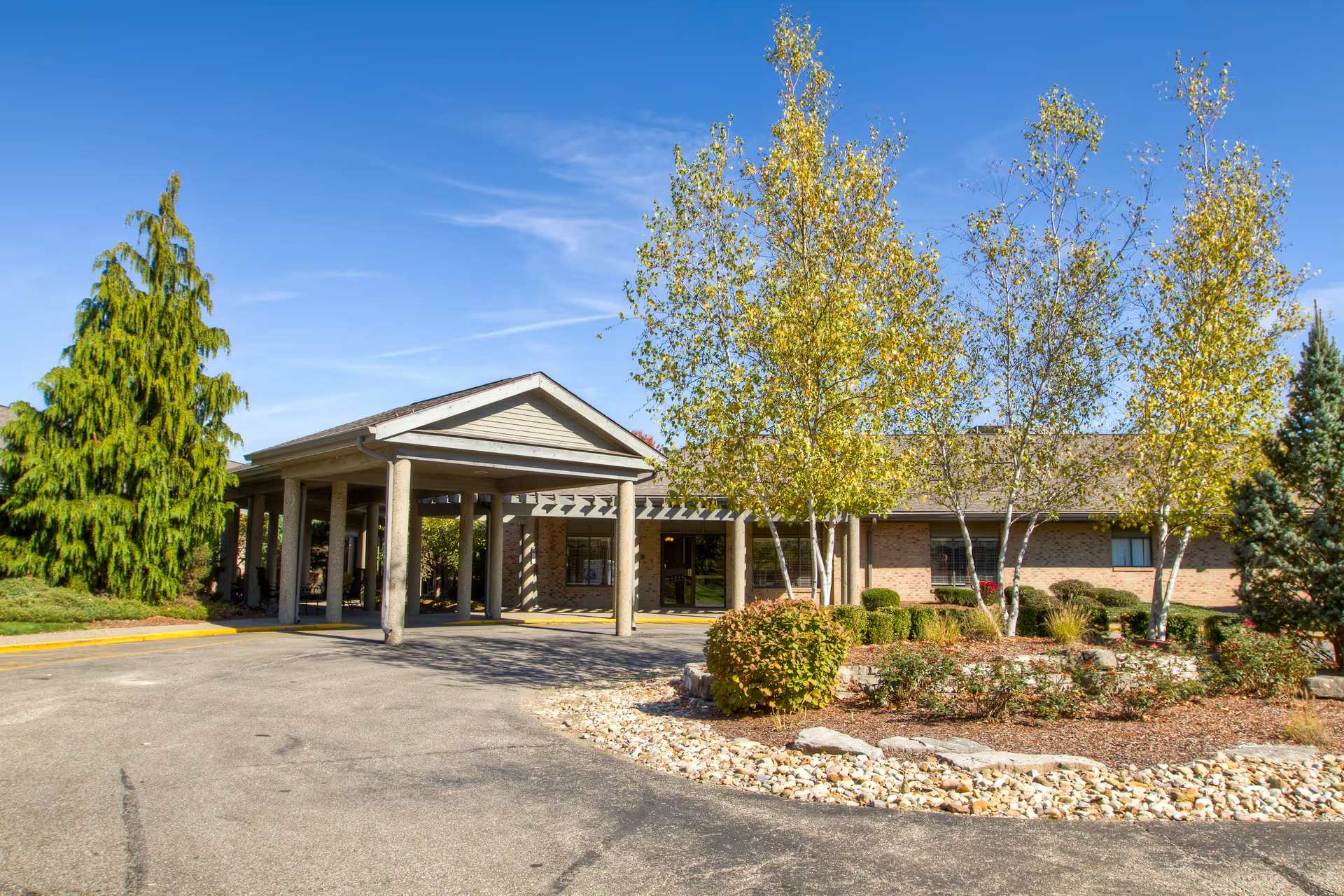
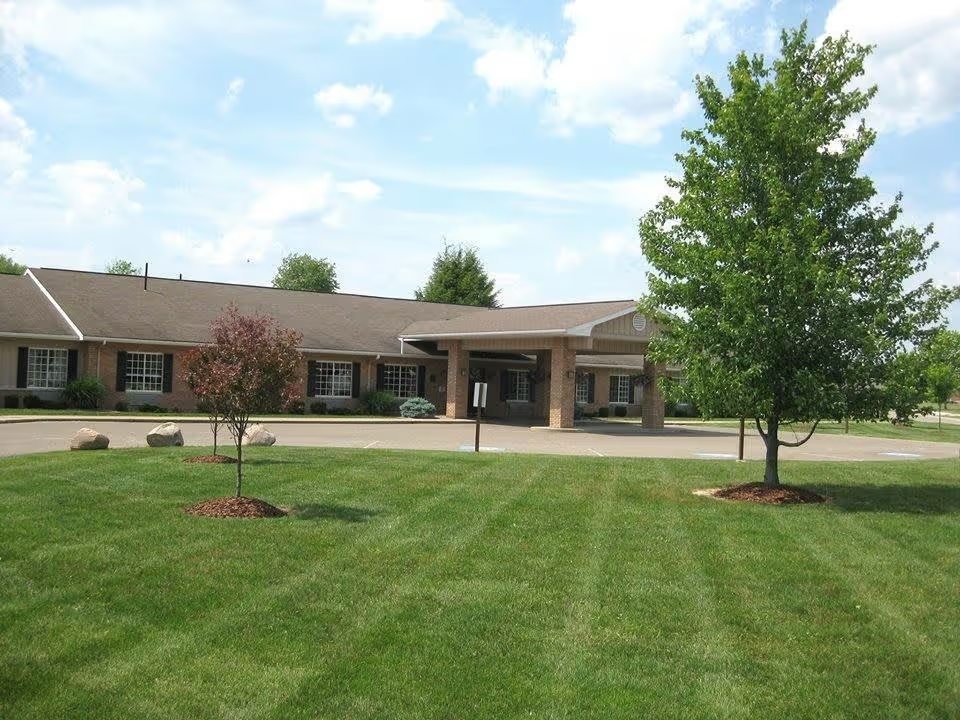
Reviewer feedback for Sterling Suites Senior Living shows a mix of strong rehabilitative capability and operational weaknesses that are important for prospective residents and families to weigh. The facility's therapy services receive consistent praise: reviewers describe comprehensive PT/OT offerings, including seven-day therapy availability and individualized rehabilitation plans. Several accounts highlight skilled therapists, good coordination between aides and therapists, and positive outcomes for short-term rehab stays; a number of residents expressed willingness to return specifically for rehabilitative care.
Staff interactions are characterized by two distinct patterns. Many reviews emphasize supportive, compassionate frontline staff and engaged therapy teams, which contribute to positive day-to-day experiences. Conversely, other accounts describe variable staffing levels or a “skeleton crew” at times, creating delays in routine assistance, physical-therapy scheduling, and administration of medications or pain relief. These staffing inconsistencies appear to underlie several clinical concerns, including delays in medication delivery and slower responses to acute needs.
Dining and housekeeping present mixed signals. Some guests note flexible meal choices and acceptable food quality, while others describe meals as unpalatable. Housekeeping and room-maintenance issues were raised alongside reports of clean common areas; the pattern suggests uneven execution of housekeeping protocols across rooms or shifts. Facility-level maintenance items, such as aging furniture and firm beds, were also mentioned as detracting from comfort for longer stays.
Clinical oversight and administrative processes are another area where experiences diverge. Concerns include incomplete clinical documentation, gaps in evaluating and charting symptoms, and frustrations with discharge processes (including long wait times and perceived insufficient evaluations prior to discharge). A few reviews indicated problematic communication tone from certain clinical leaders, and one noted a refusal to readmit a resident with cognitive impairment, indicating the facility may exercise restrictive readmission policies for residents with dementia or related conditions.
Amenities and connectivity are modest. Therapy and staff strengths are balanced by limited in-room and building-level technology: reviewers reported absent or paid Wi‑Fi options and poor mobile reception, which can affect family communication and resident engagement. Overall, Sterling Suites appears to offer strong post-acute rehabilitation and many compassionate staff members, but families should proactively evaluate staffing consistency, medication-management practices, housekeeping standards, discharge procedures, connectivity options, and the facility’s readmission policies for residents with cognitive impairment when considering placement.