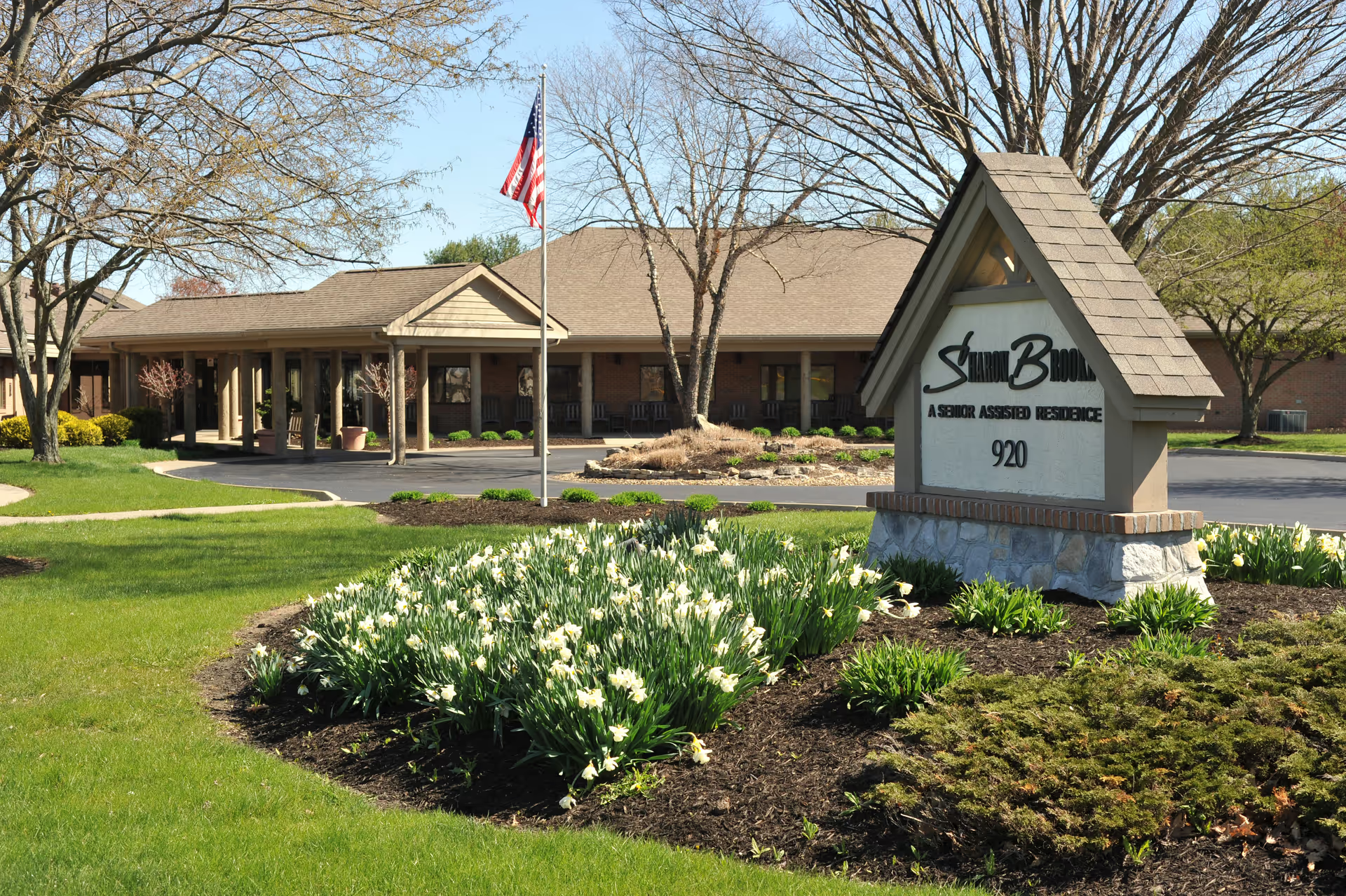
The Oaks at Bethesda elicits strongly polarized experiences. A substantial portion of feedback praises an engaged, compassionate workforce, a lively program of activities, appealing dining, and a clean, tastefully furnished environment. Families and short-term rehab patients frequently highlight effective therapy, rapid functional progress, and staff who provide personalized attention. Social programming is a clear strength: baking classes, shopping trips, trivia, movies, field trips, and frequent communal gatherings are described as enhancing residents’ quality of life and promoting socialization.
Care quality descriptions vary considerably across accounts. Many reviewers describe caring, professional nurses and aides who make residents feel like family and who manage clinical needs competently. At the same time, other accounts raise substantive clinical concerns: inconsistent medication administration and timing, gaps in routine monitoring (for example, blood glucose and blood pressure checks), and missed or delayed personal-care tasks. These issues suggest variability in adherence to clinical protocols rather than a uniformly poor or uniformly excellent standard of care. Prospective families should therefore verify medication-administration procedures, monitoring protocols, and staffing ratios during a visit.
Staffing and responsiveness form a major divergence point in the reviews. Numerous comments applaud low turnover, responsiveness, and a welcoming intake and business-office follow-up; conversely, several accounts describe staffing shortages, periods of unengaged personnel, ignored call lights, and distracted staff during visits. Operational weaknesses implied by these reports include inconsistent staff engagement and unreliable call-system responsiveness, both of which have direct implications for timely assistance and family confidence.
Dining, environment, and activities are consistent strengths in the reviews. The kitchen receives repeated praise for meal quality and variety; public areas and resident rooms are described as clean, comfortable, and resort-like with seasonal, home-like decor. The activity program is broad and mobility-inclusive, with frequent scheduled events that many families report as improving mood and social connections. Rehabilitation services and therapy are also commonly cited as effective for short-term recovery and functional improvement.
Management and communication receive mixed evaluations. Some families note clear, proactive communication and quick resolution of issues; others describe a cold intake experience, limited transparency around care incidents, and concerns about discharge and placement decisions tied to payer rules. One serious concern surfaced regarding discharge and length-of-stay decisions aligned with payer considerations; this type of allegation is isolated in the dataset but warrants direct discussion with administration and review of care-planning documentation.
Bottom line: The Oaks at Bethesda offers many programmatic strengths—robust activities, appealing dining, attractive facilities, and a cadre of staff who provide compassionate, family-like care for many residents. However, there is variability in clinical consistency and responsiveness across reports, with particular attention needed around medication administration, routine clinical monitoring, call-system responsiveness, memory-care practices, and staffing consistency. Prospective residents and families should tour in person, observe mealtimes and activities, ask for written policies on medication administration and monitoring, inquire about staffing levels and turnover, and request recent quality and inspection records to clarify how the facility addresses the operational gaps noted by some families.