The reviews for this facility present a polarized picture: a substantial number of families and residents commend the direct-care staff, therapy teams, activity offerings, and dining experience, while other accounts describe serious operational failures that have negatively affected care continuity and resident experience. The balance suggests that core clinical and social programs (especially rehabilitation and activities) are strong in practice, but that operational reliability varies day to day and unit to unit.
Care and staff: Many comments highlight compassionate, attentive aides and skilled physical and occupational therapists who produce measurable rehab gains. Several families described staff who treated residents like family, provided effective hospice support, and offered daily check-ins that improved mood and engagement. Conversely, a notable pattern relates to inconsistent staffing levels, high turnover, and consequent delays in basic care tasks. Reviewers cited long waits for toileting and bathing assistance, missed or delayed medication administration, and lapses in tracking lab results and test documentation. These operational weaknesses undermine otherwise positive interactions with frontline caregivers.
Dining and activities: The facility’s activity program receives frequent praise for its range — including outings, special-event dinners, piano/coffee area socialization, and memory-focused programming. Dining is often described positively for variety, themed meals, and multiple choices; however, some reviews indicate inconsistencies in meal quality and service (for example, temperature and timeliness). Overall, the environment supports social engagement and therapeutic programming, but meal-service continuity is an intermittent concern.
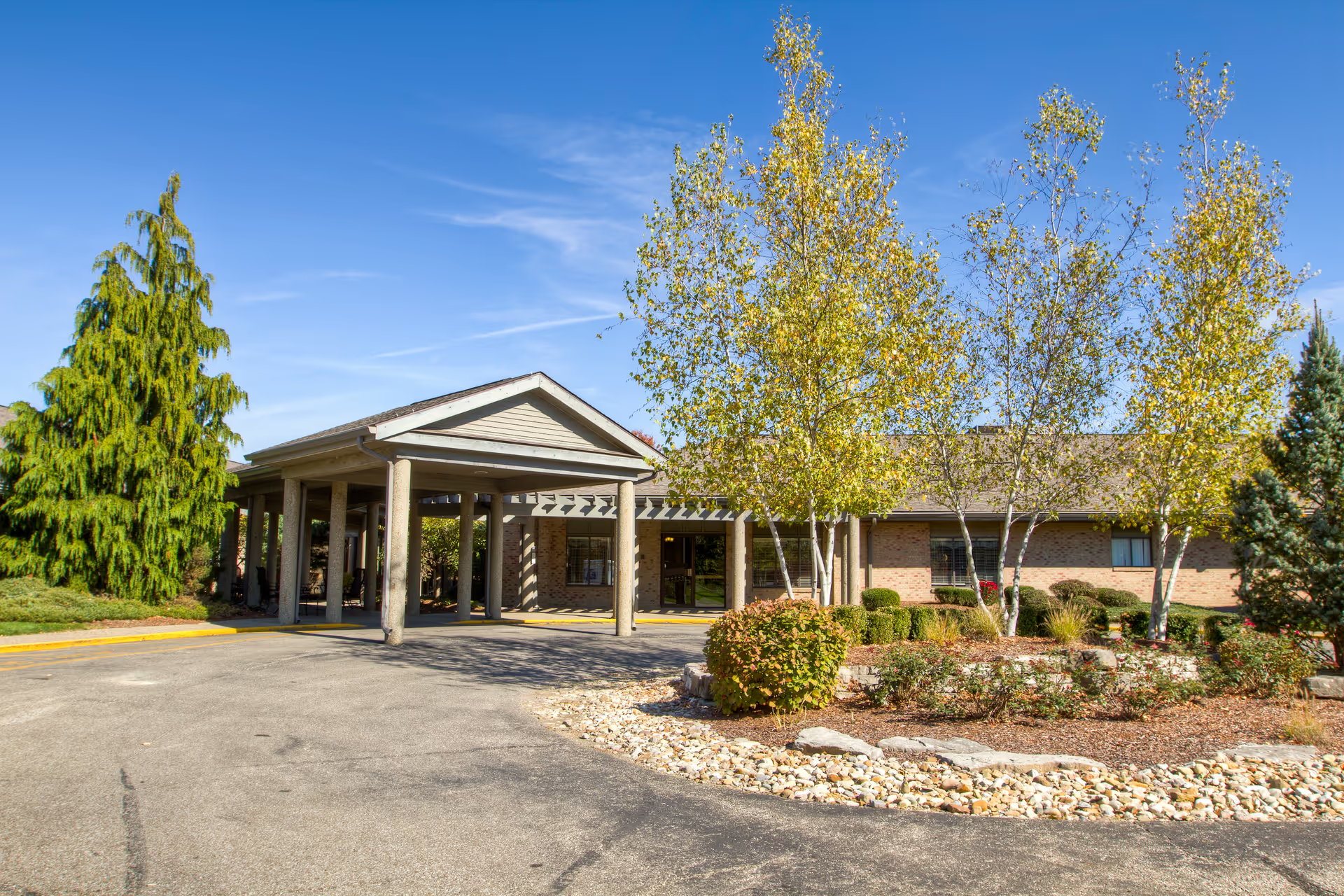
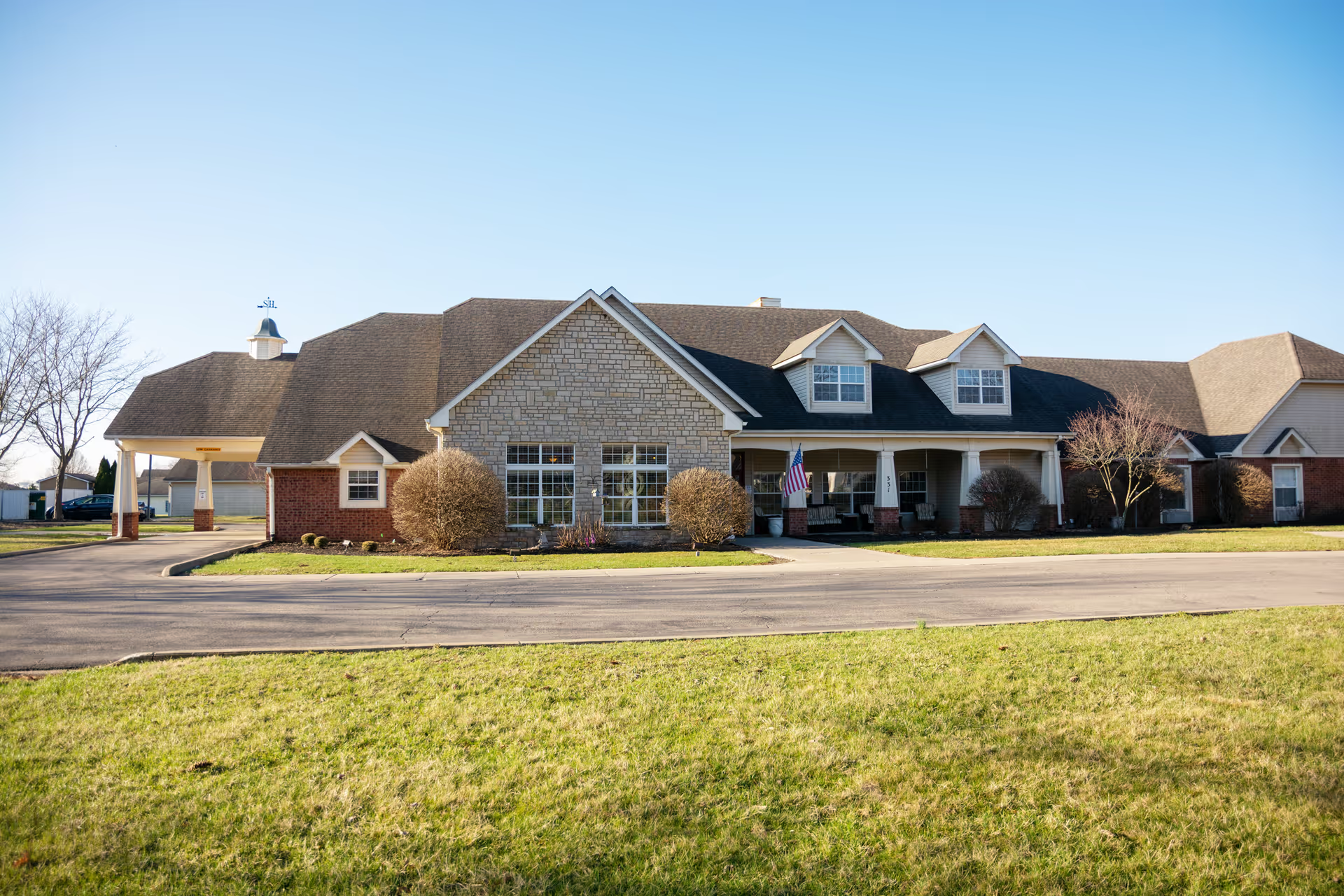
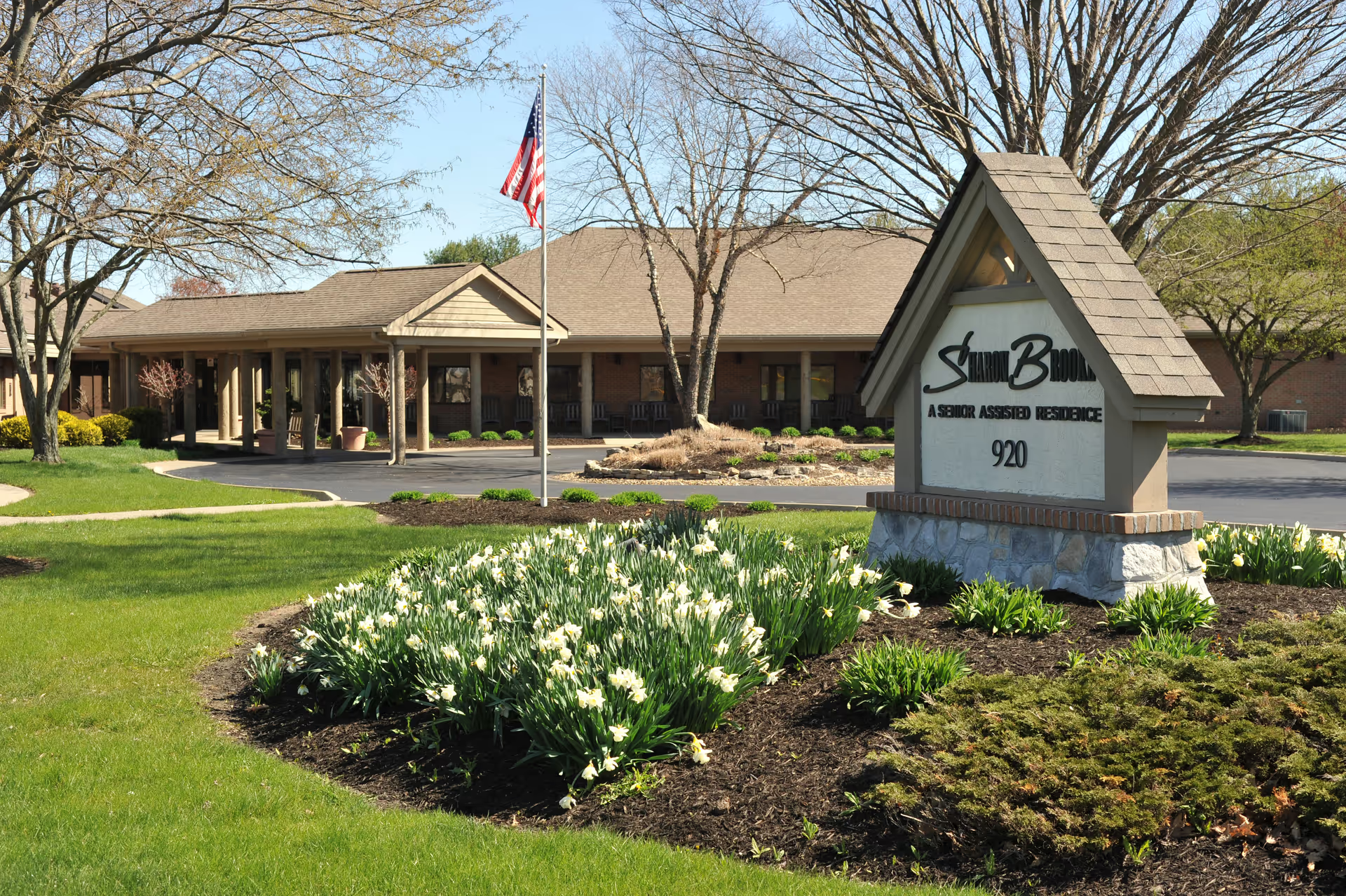
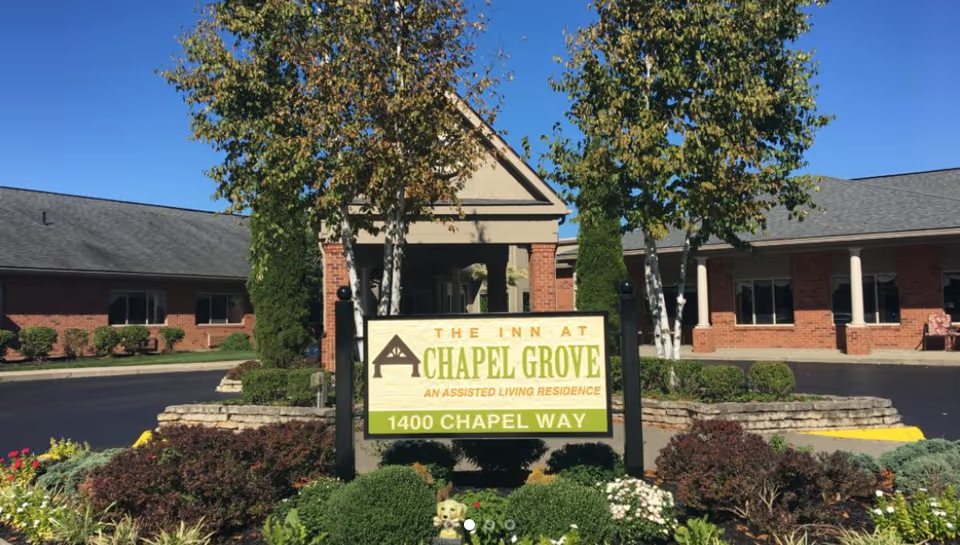
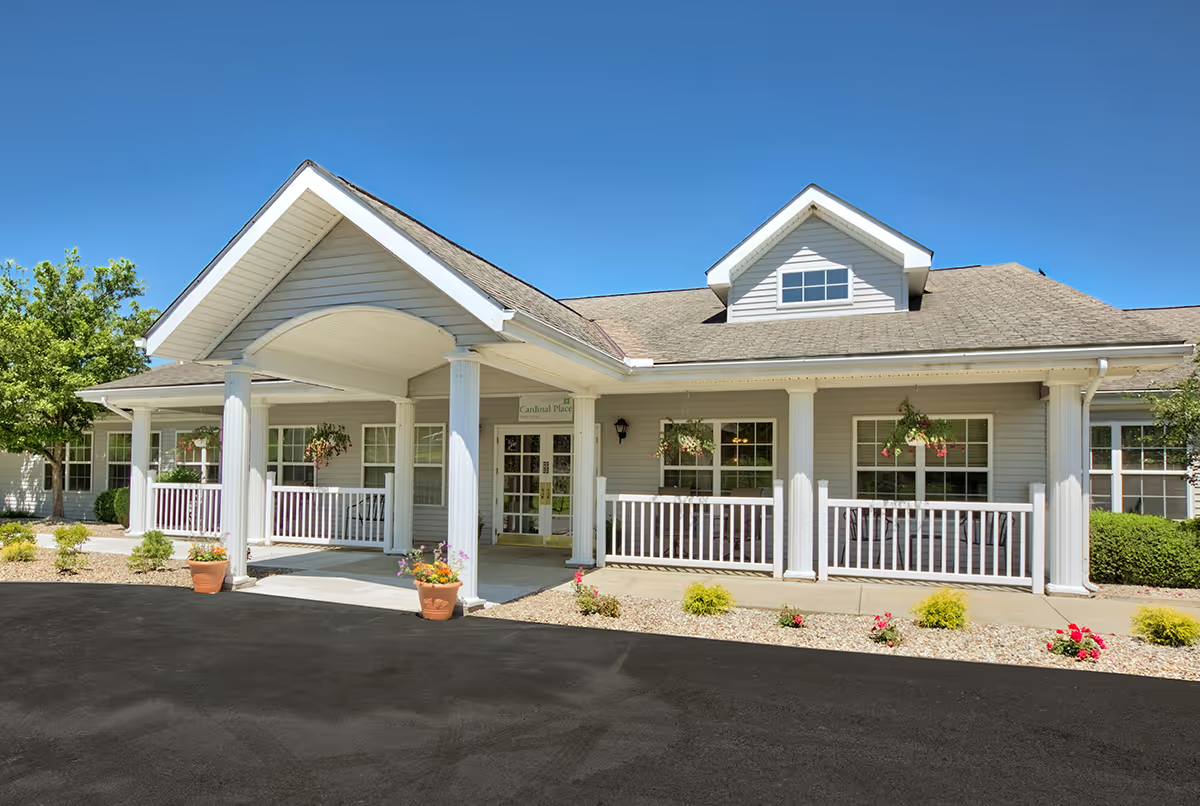
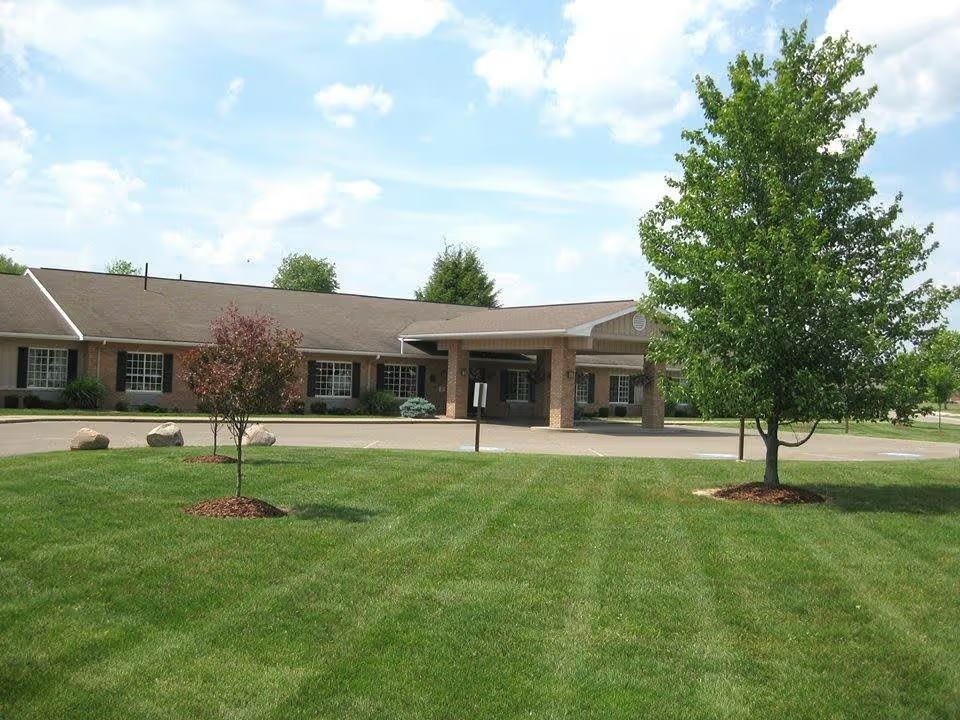
Facilities and cleanliness: Externally and in many common areas the building is described as attractive, updated, and well kept. Multiple reviewers appreciated the decor, patio seating, and communal dining spaces. At the same time, several reviewers raised sanitation and odor concerns in particular units or rooms and noted unevenness in housekeeping performance. Maintenance responsiveness was frequently characterized as prompt when issues were reported, but sanitation consistency appears to be a recurring operational gap.
Management and communication: A repeated pattern involves administrative and communication shortcomings: front-desk responsiveness, check-in intake knowledge, and telephone handling were called out as inconsistent. Families also reported organizational coordination issues such as lost test results, misidentified medications, and difficulties obtaining timely answers to clinical questions. Some reviews describe management instability and staff departures that affected continuity of care. There are also serious individual allegations — including suspected theft and accountability gaps — that families identified; these claims emphasize the need for transparent incident investigation and follow-up.
Notable patterns and considerations: Prospective residents and families will find strengths in therapy, activities, and many compassionate caregivers, but should also evaluate operational reliability. When touring or assessing placement, consider asking specific questions about current staffing ratios, medication-administration and lab-tracking protocols, unit-level housekeeping schedules, laundry processes, and turnover rates for direct-care staff. Bringing an advocate to initial and follow-up meetings, confirming policies for night-time procedures, and reviewing memory-care staffing and programming can help set realistic expectations and identify whether the facility’s operational performance aligns with your needs.