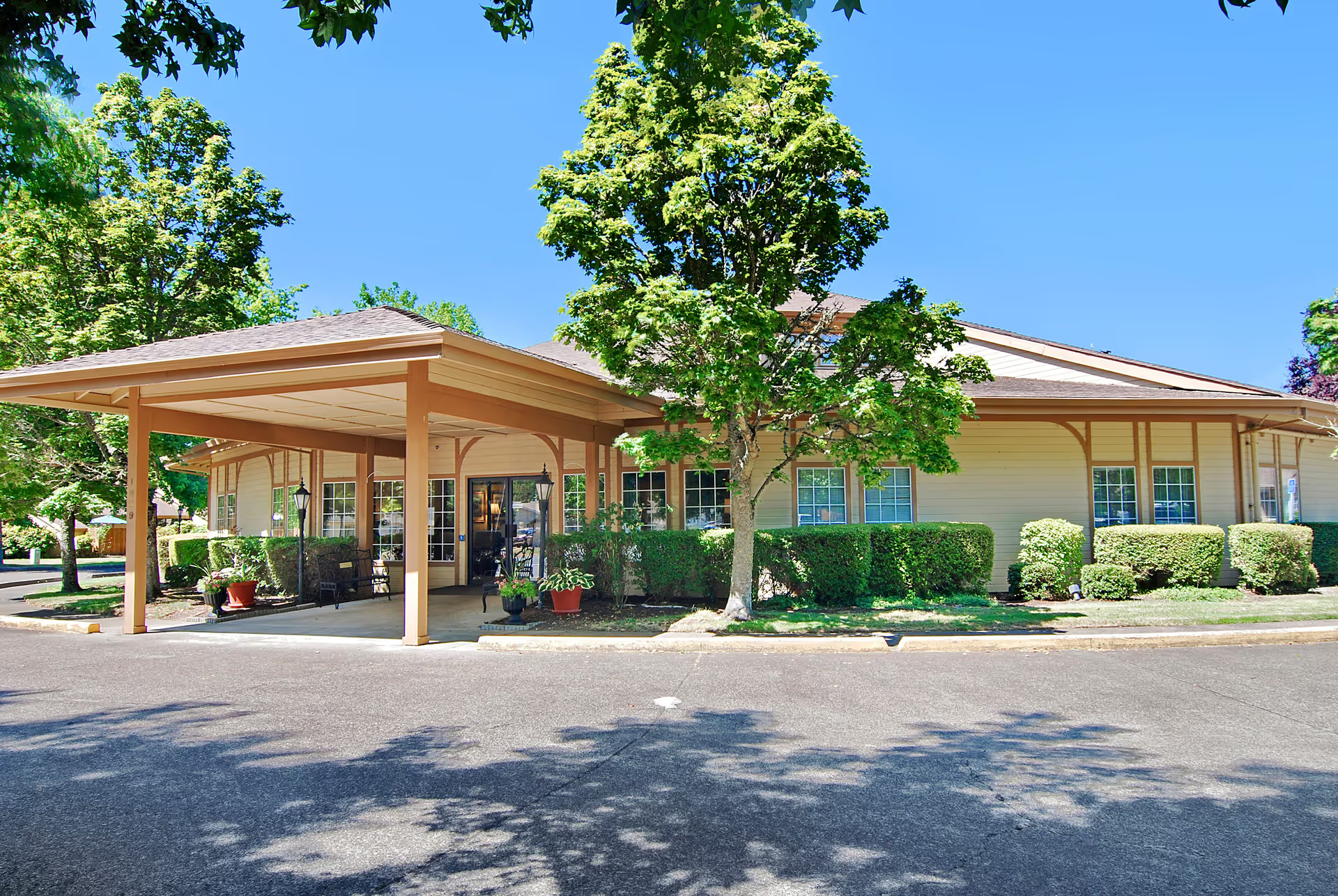
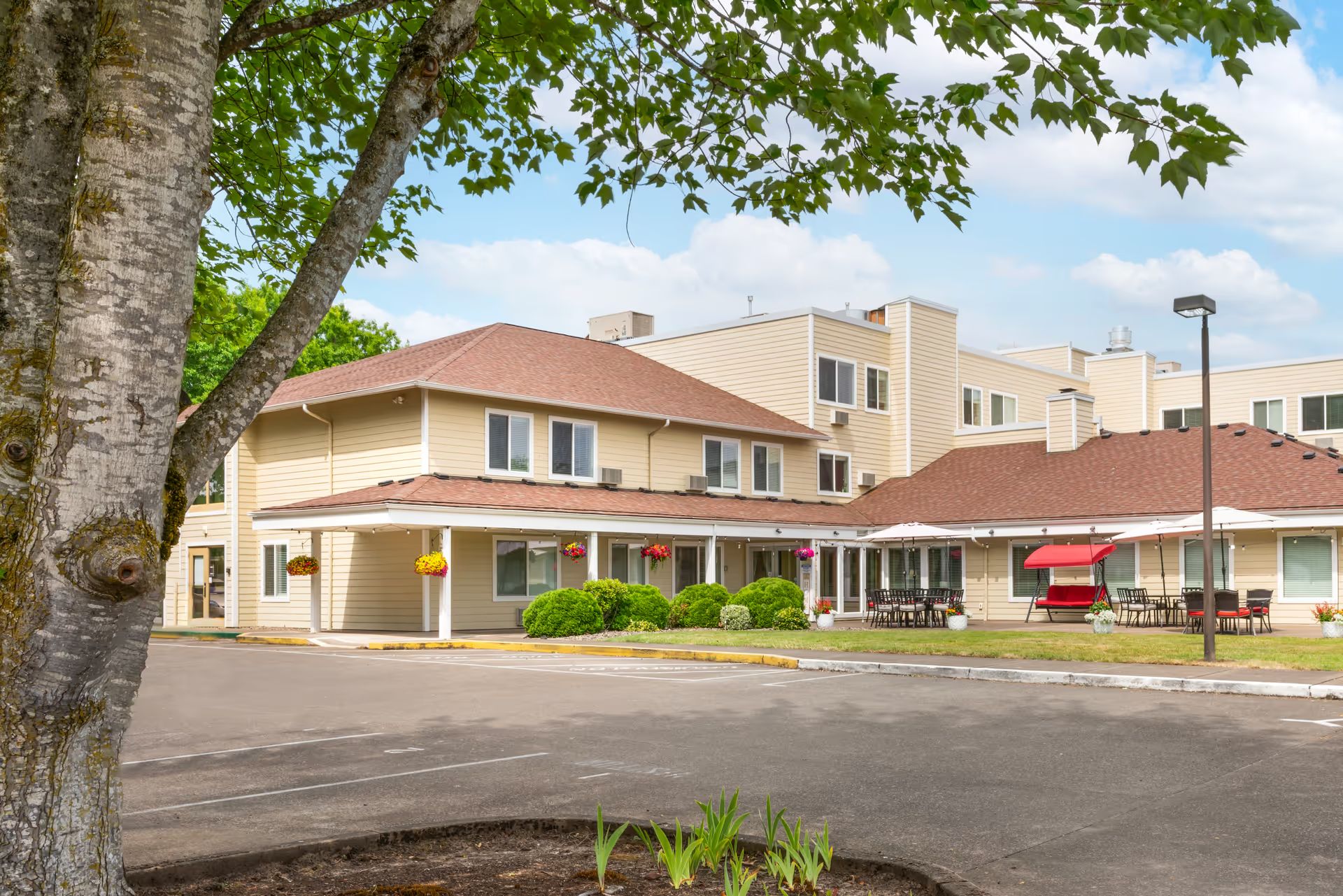
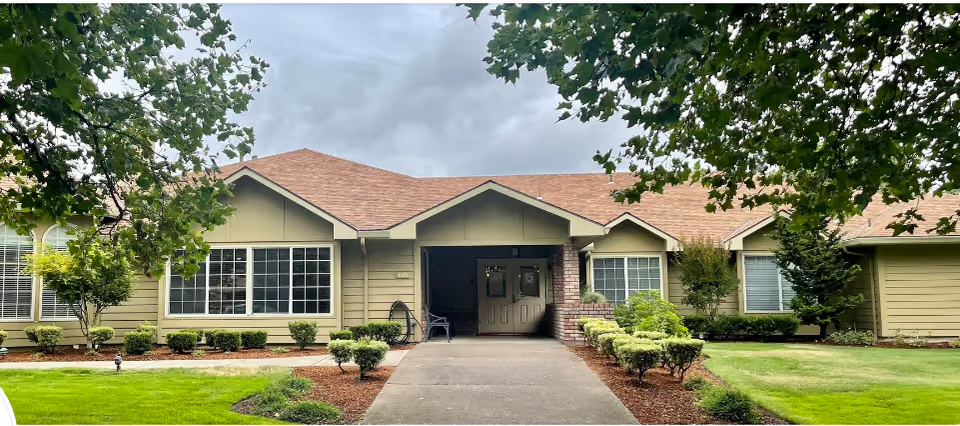
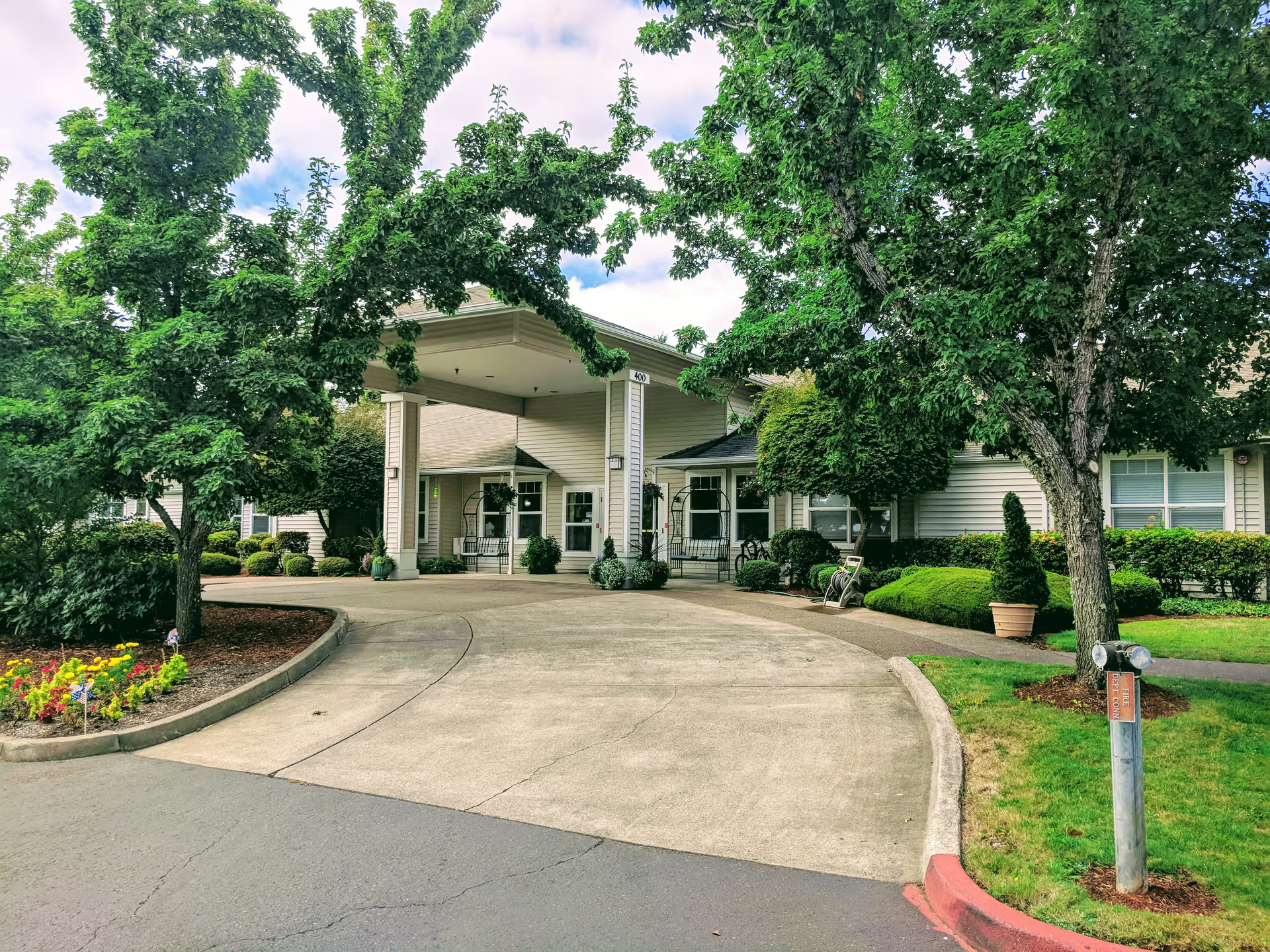
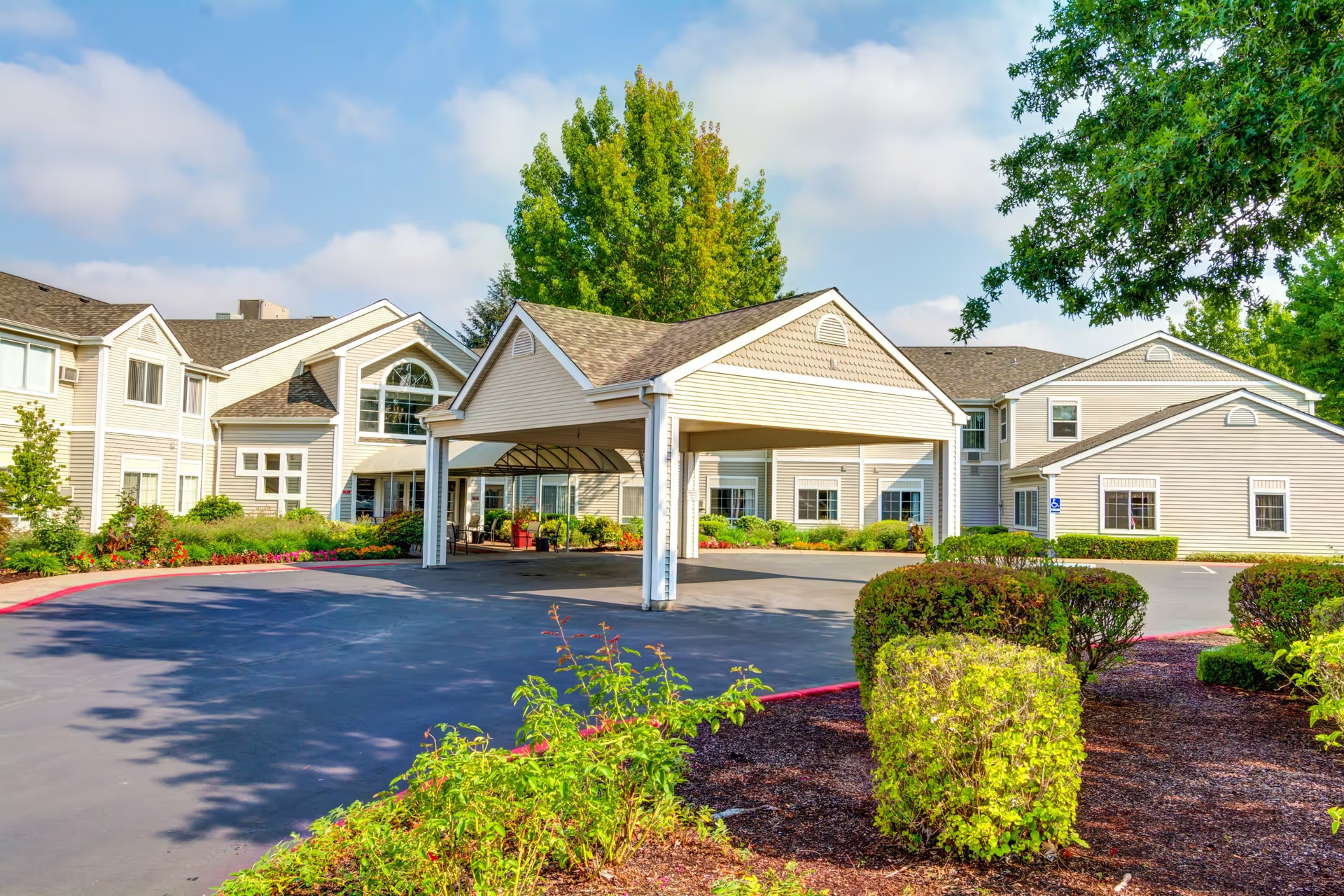
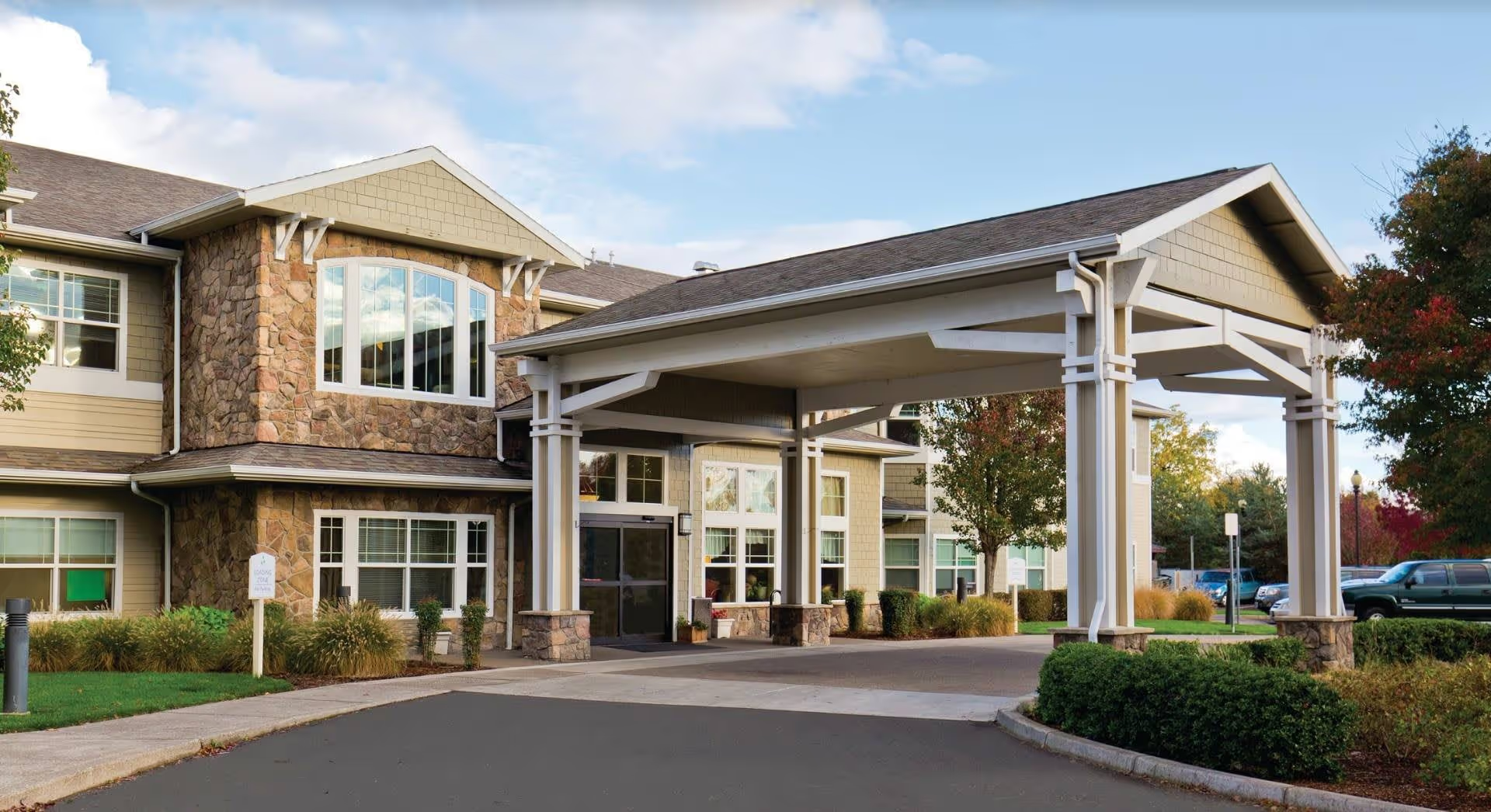
The reviews portray Mennonite Village as a campus with several enduring operational strengths alongside notable variability in care experiences. Tangible assets include attractive, well-kept grounds, gardens, walking paths and a lakeside/residential setting; a faith-centered environment with an on-site chapel and spiritual programming; and a broad range of housing options from cottages and duplexes to apartments and memory-care units. Many families and residents highlighted newly renovated, move-in ready apartments, accessible amenities (hair salon, exercise room, laundry), RV parking and garages, and features such as call-button safety systems. Onsite rehabilitation and therapy services, three-meal dining with an on-site restaurant, shuttle/bus transportation, and an active recreation program (crafts, puzzles, outings) are repeatedly described as strengths.
Staff and day-to-day operations receive predominantly positive comments for compassion, attentiveness and prompt maintenance response. Multiple accounts emphasize that staff know residents by name, are responsive to repair needs, and provide individualized attention. Dining quality and menu customization are frequently praised, and successful short-term rehab or recovery experiences are reported. The community atmosphere — with social groups, scheduled activities and regular transportation for outings — is a consistent positive for residents seeking engagement.
Counterbalancing those positives, the reviews reveal operational and care-consistency concerns. Several families described gaps in clinical responsiveness, particularly during evening hours and after-hours physician coverage, and identified instances that point to uneven clinical supervision across units and shifts. Related themes include concerns about staff conduct and professional boundaries, delays in assistance for residents with higher care needs, and variability in how reliably care protocols are followed. These patterns suggest the need to evaluate staffing allocation, after-hours clinical coverage, and staff training/supervision practices.
Facility-level limitations also surface: parts of the campus are older and have a more institutional or hospital-like feel, with narrow or dim corridors and some small communal living areas that may not support larger group activities. Activity programming appears inconsistent in visibility and frequency across different wings or campuses; some reviewers noted robust programming and frequent events, while others observed limited group activity or difficulty seeing residents engaged. Contract and placement matters drew criticism as well — reviewers referenced restrictive vacancy or waiting policies for certain unit types and residency terms that can affect heirs or limit housing resale flexibility. Price sensitivity was also mentioned: the community is perceived as relatively costly by some families.
In summary, Mennonite Village offers a well-resourced, faith-oriented campus with strong grounds, a range of housing options, good dining and many amenities. Its strengths in maintenance, landscaping, spiritual life and everyday resident engagement are clear. Prospective residents and families should balance those strengths against the variability in clinical responsiveness and some older, more institutional building areas. When considering placement, families may wish to ask specific questions about after-hours clinical coverage, staffing ratios on different shifts, activity schedules for the specific unit/campus, and the terms of residency contracts to ensure alignment with care expectations and financial preferences.