The reviews present a mixed but actionable picture of Regency Albany. Many families and former residents praised the facility’s strengths: a compassionate, team-oriented staff; an active rehabilitation program (PT/OT/Speech) that helped residents regain function; a clean, cheerful environment; and a generally engaging activities program and community atmosphere. Several comments highlighted coordinated care across clinical, dietary, housekeeping and activities departments, and multiple writers singled out good meals, meal options, and strong family communication as factors they would consider if choosing the facility again.
Care quality and staffing appear uneven across accounts. Positive experiences emphasize attentive, timely assistance and an interdisciplinary approach to care. Conversely, other accounts indicate delays responding to call systems and concerns about the consistency of direct‑care performance. These negative accounts suggest operational gaps that point to inconsistent staffing levels, variable staff training or supervision, and occasional lapses in infection‑control and wound‑care practices. Together these issues translate into variability in how reliably residents receive assistance and clinical oversight.
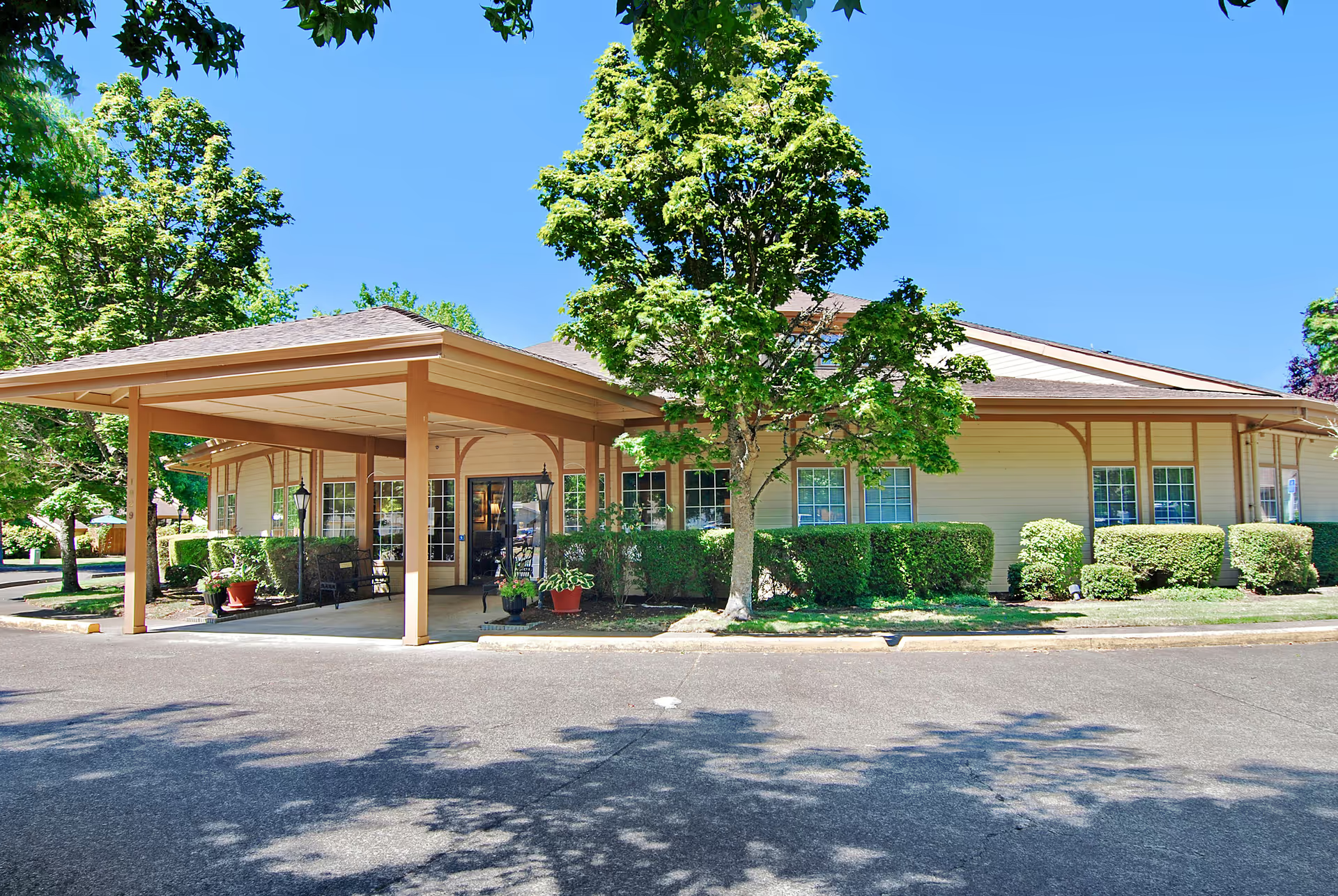
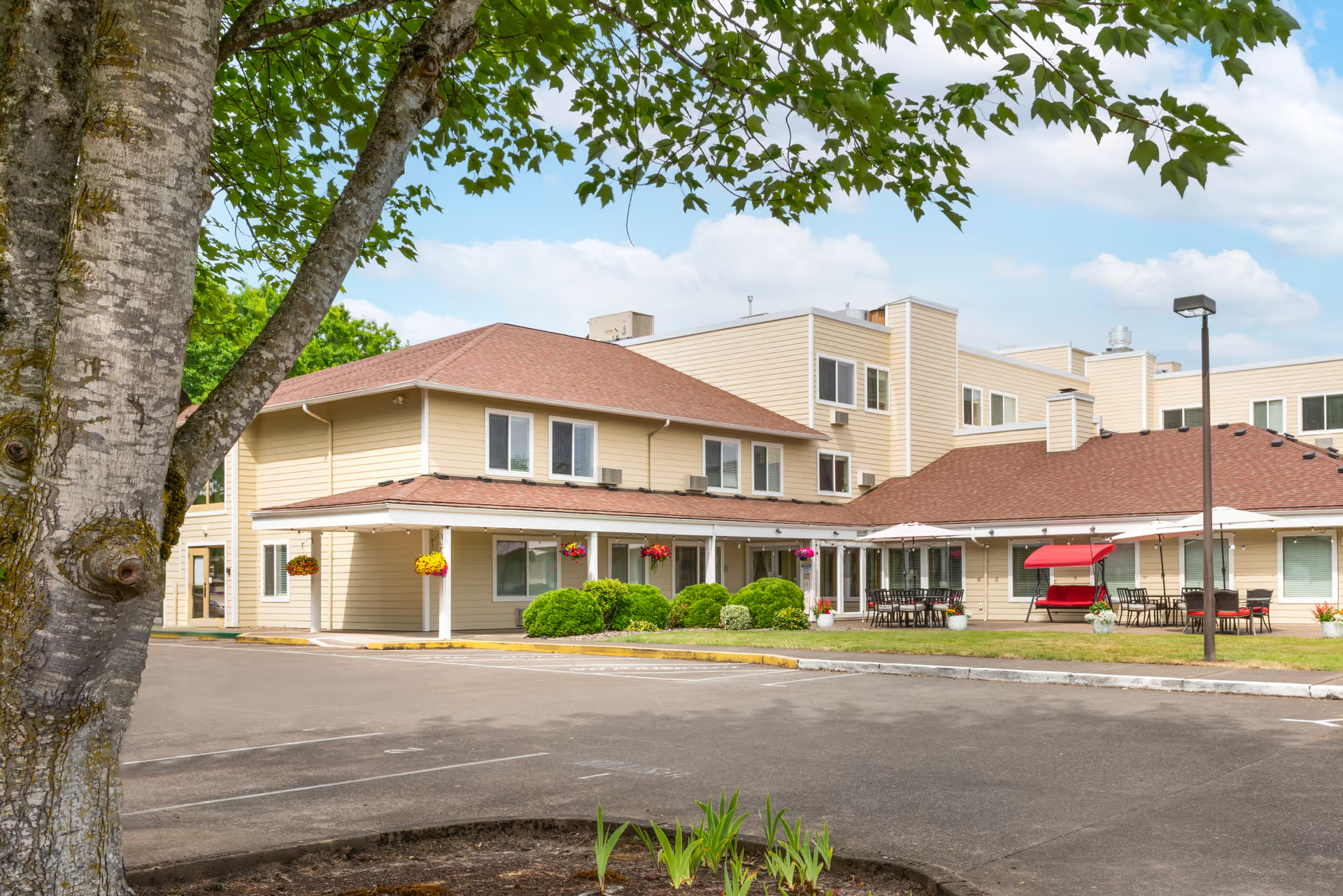
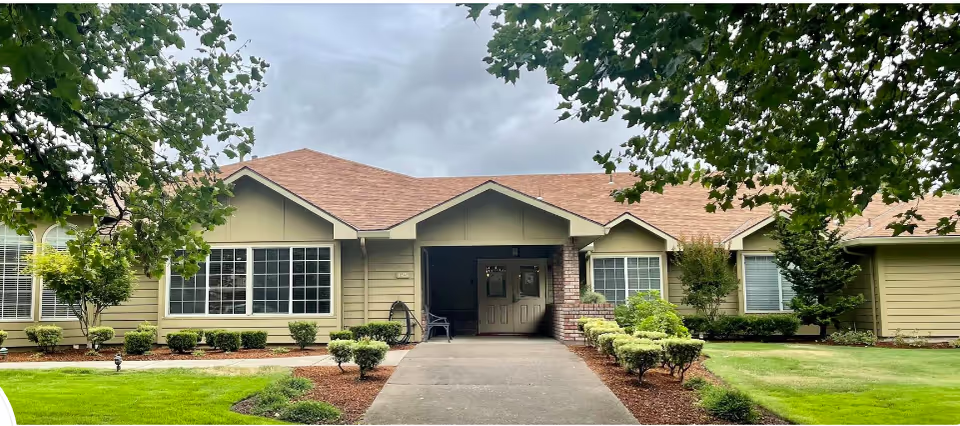
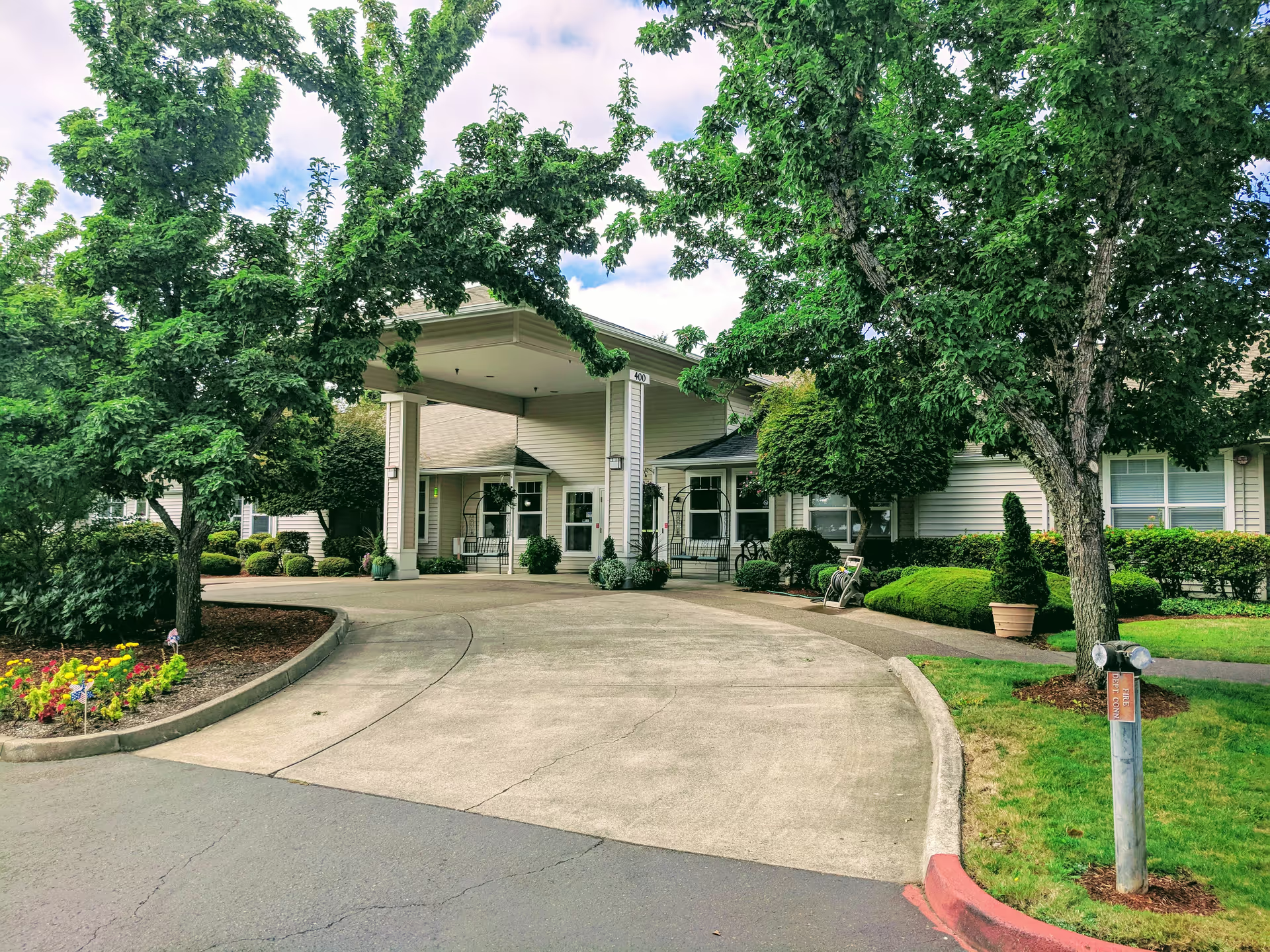
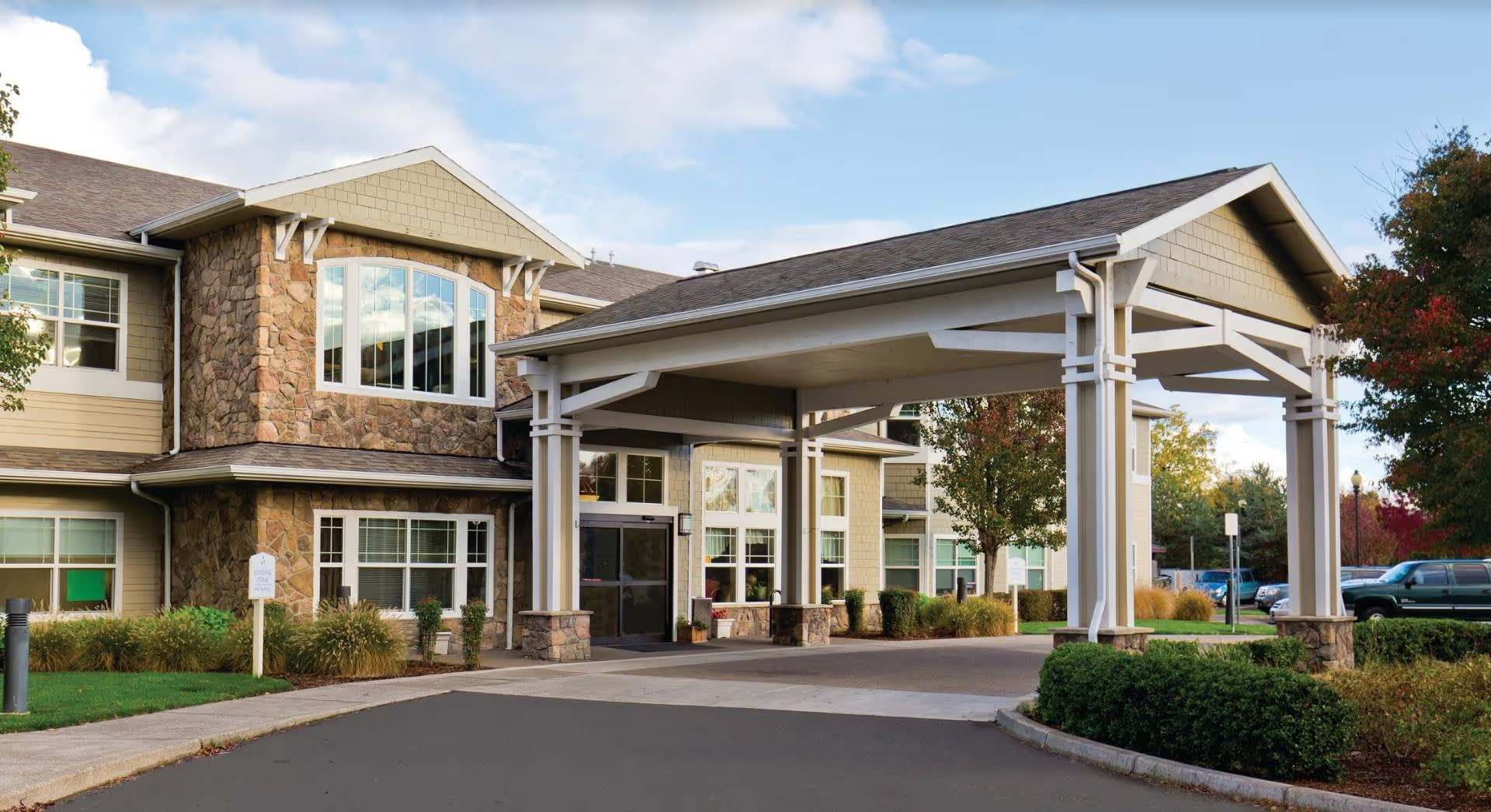
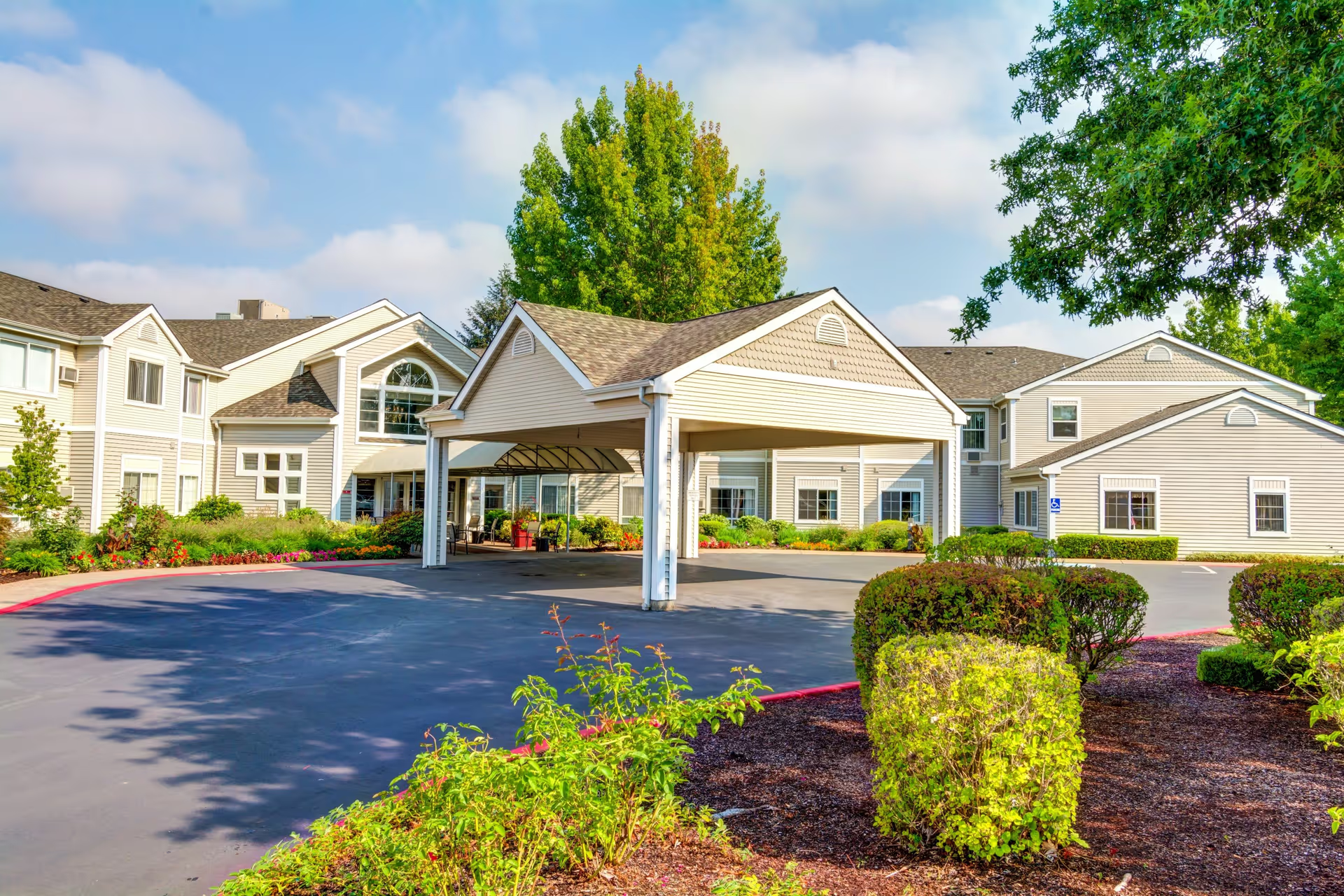
Dining, activities and facility upkeep receive frequent praise. The building is described as clean and festive, with a friendly atmosphere and programming that fosters a sense of community. Rehabilitation services and therapy teams are repeatedly noted as effective and caring. At the same time, sanitation and incontinence‑care concerns are mentioned in a way that indicates uneven execution of routine personal‑care tasks and environmental maintenance in certain situations.
Management and communication are likewise mixed. Several reviewers commend clear, proactive communication with families and visible teamwork; others describe inconsistent staff professionalism and uneven treatment of visitors or external caregivers. For prospective residents and families, useful steps include touring at different times of day, observing shift changes, asking for specifics about staffing ratios and supervision, inquiring about infection‑control and wound‑care protocols, and requesting details on therapy programs and family communication practices. Overall, Regency Albany shows demonstrable strengths in rehabilitation, staffing teams, and facility presentation, tempered by operational inconsistencies that warrant direct inquiry during a placement decision.