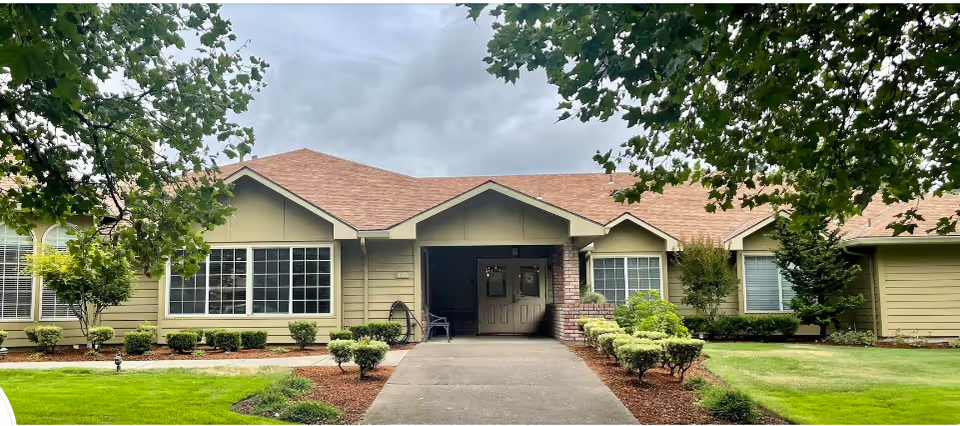
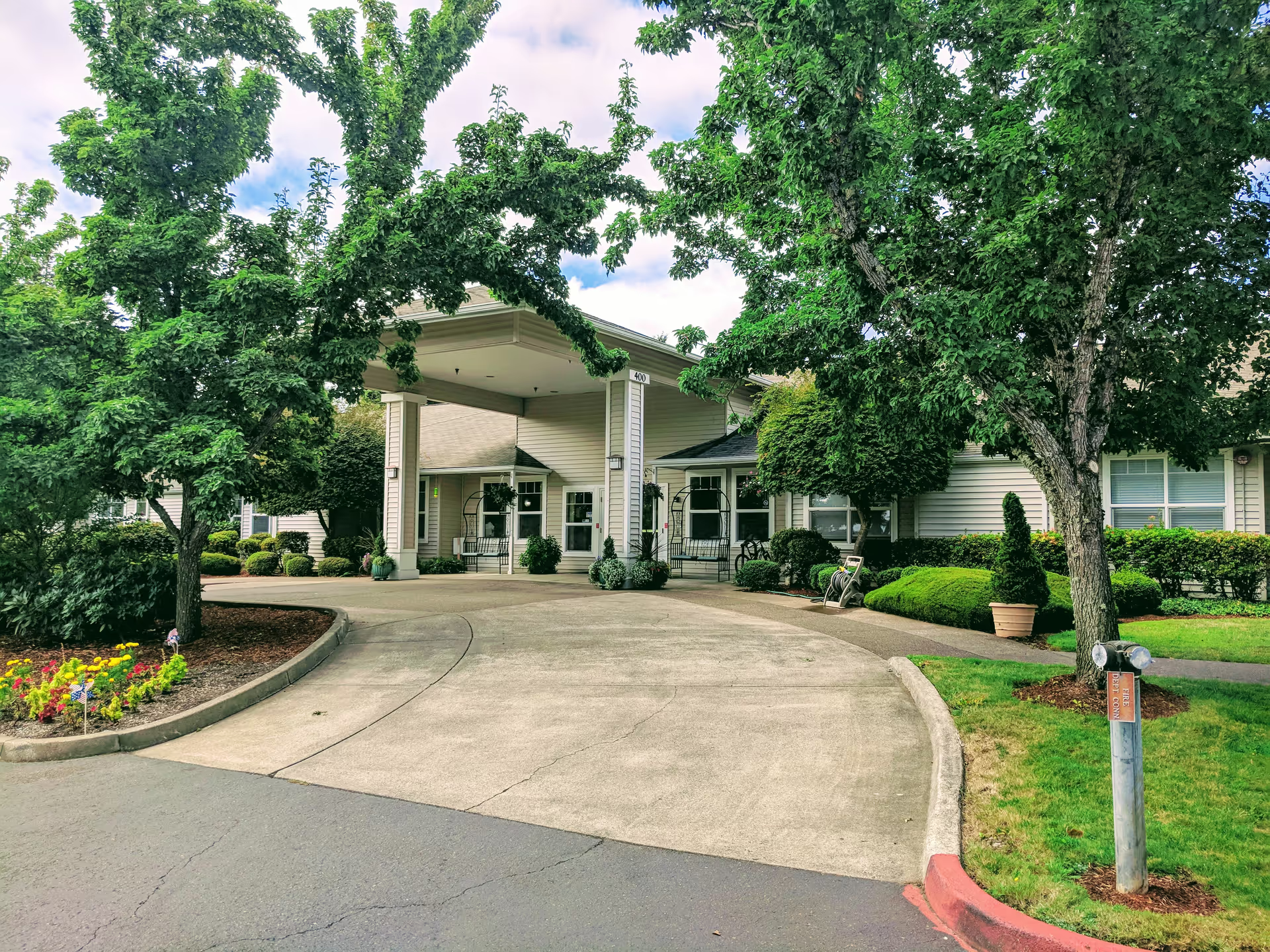
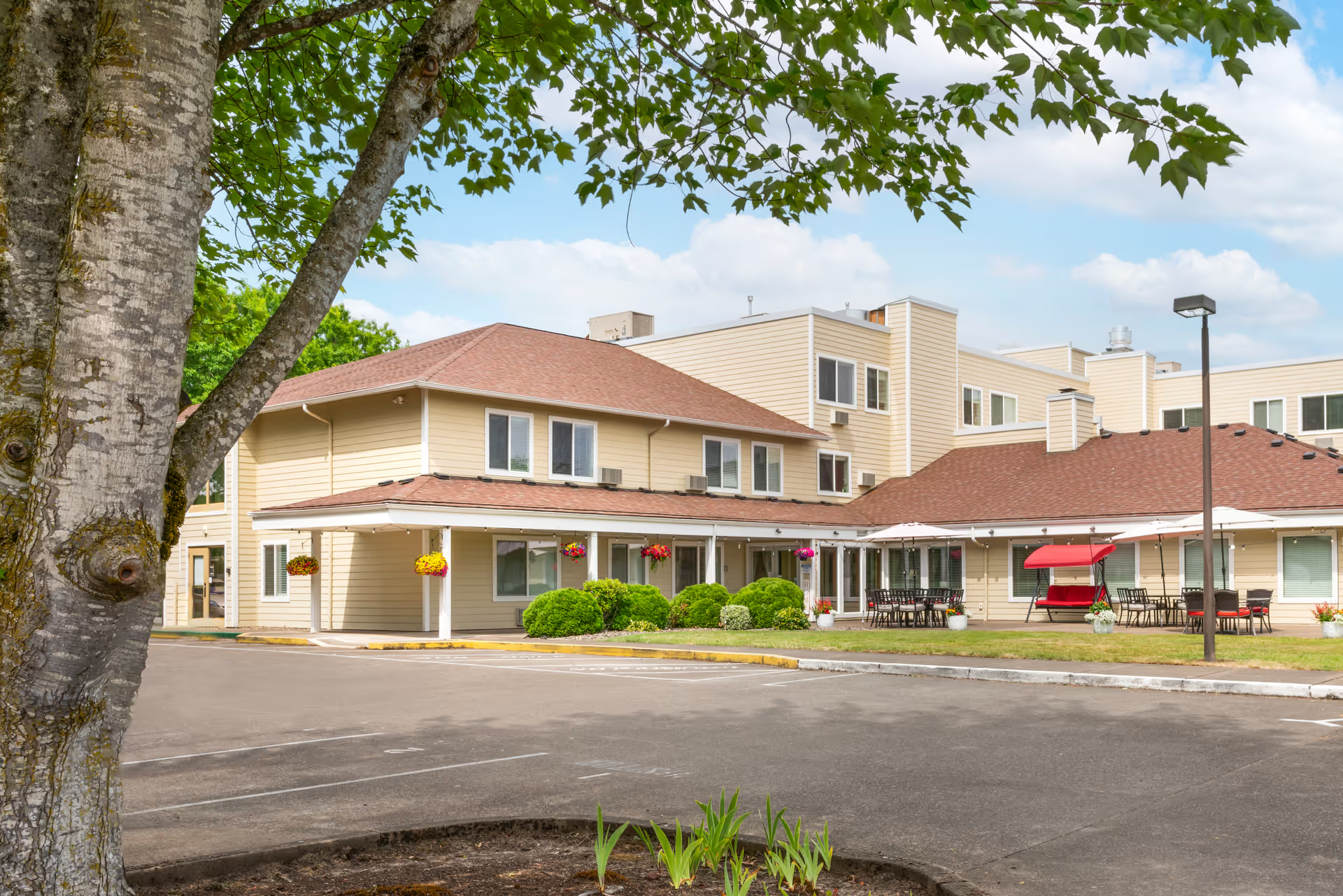
Corvallis Manor elicits strongly mixed impressions. Many families and patients praise the personal commitment of frontline staff — nurses, CNAs, and therapists are frequently described as compassionate, attentive, and skilled. Rehabilitation services and physical therapy receive consistent positive remarks for supporting measurable progress, and wound care and medication nursing are singled out positively in numerous accounts. The activities program is described as engaging, and the facility offers useful clinical resources such as on-site PT, dietitian services, bariatric-capable rooms, specialized lifts/tubs, and bilingual staff. Several reviewers also noted a generally clean, well-lit interior and pleasant grounds.
At the same time, a recurring set of operational weaknesses undermines the resident experience. Staffing consistency is a common concern: slow call-light responses, long wait times for assistance, and variability between day and night shifts were reported. These staffing issues are linked to other operational gaps — delayed medication administration, missed or delayed blood-sugar checks and PRN meds, reports of medication changes without clear physician authorization, and inconsistent clinical coordination during transitions of care. Families also describe uneven physician availability and limited continuity in medical oversight.
Communication and discharge planning are notable pain points. Multiple accounts describe poor family updates, unclear or rushed discharge timing, and failures to arrange needed post-discharge equipment or services. These process gaps have produced unsafe-feeling discharges for some families and contributed to reliance on hospice or unsatisfactory care transitions in certain cases. Related complaints include charts or documentation lapses and supply shortages that interfered with consistent care delivery.
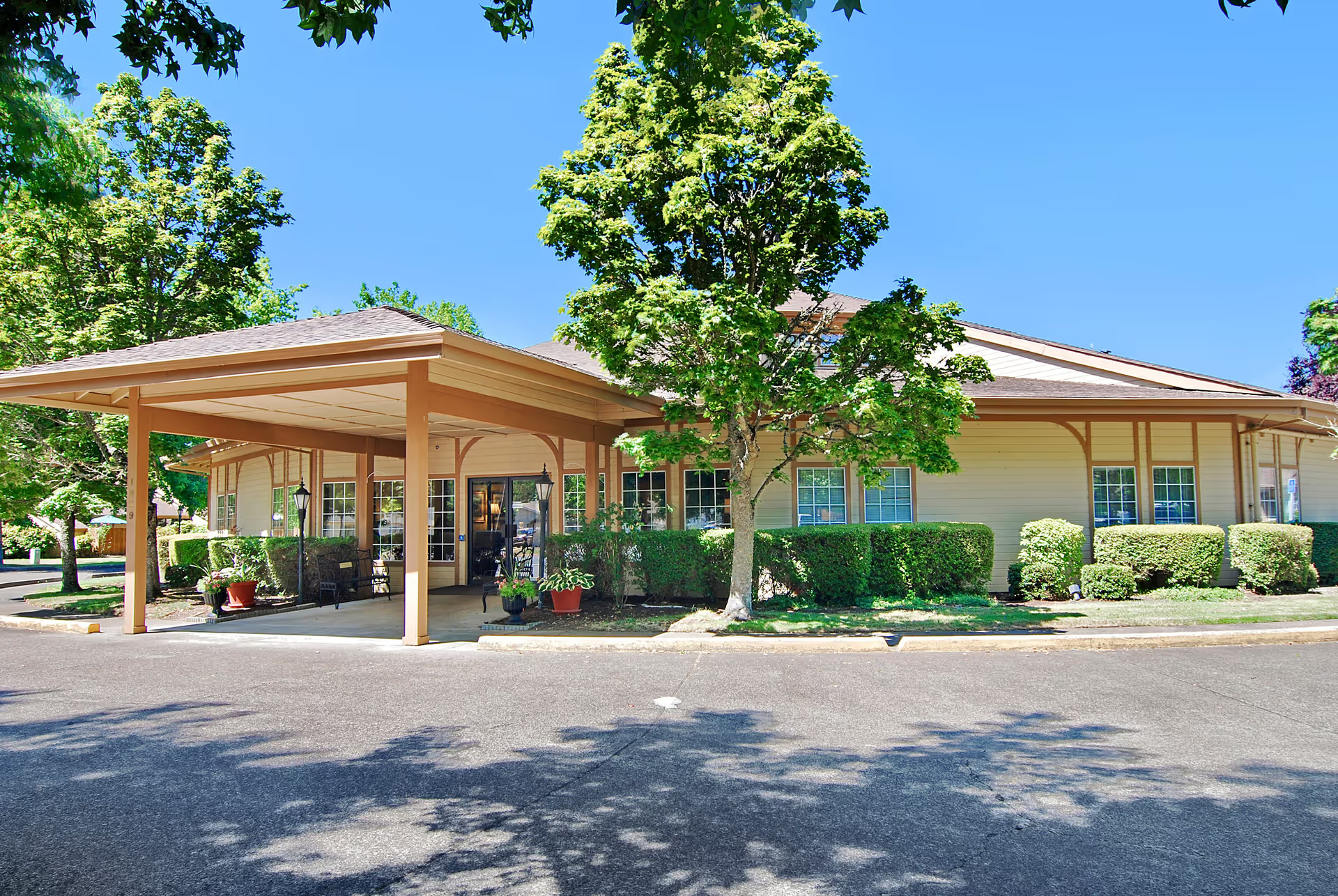
Facility condition and amenities show both strengths and limits. The building is older and conveys a homelike, classic nursing-home atmosphere for some residents, but reviewers frequently cite aging infrastructure issues: a very small dining room leading to in-room dining, bathrooms that are tight for wheelchair users, limited parking, occasional maintenance failures (broken remotes, phones), and dusty or inadequately cleaned spots. Food quality and therapeutic-diet consistency are inconsistent across accounts; while some find meals acceptable and adaptable, others report insufficient diabetic-friendly or texture-modified options.
Staff conduct and leadership perceptions are mixed. Many reviewers single out individual caregivers and managers by name for lifesaving, attentive care and describe hands-on management and improvements under new leadership. Conversely, other accounts raise concerns about staff tone, gossip, low morale, and pockets of unprofessional conduct. Infection-control practices and vaccination adherence were questioned in a subset of reports, and a few reviewers elevated their concerns to regulatory or licensing questions.
Notable patterns for prospective residents and families: the facility can provide strong rehabilitative outcomes and caring bedside care when staffing and clinical coordination align, but variability in staffing levels, communication, and facility maintenance creates an uneven overall picture. If considering Corvallis Manor, families should ask specific questions about current staffing ratios, medication administration protocols, discharge-planning procedures, infection-control practices, and dietary accommodations. Meeting the director of nursing and the administrator, reviewing recent inspection results, and observing mealtime and shift-change periods can help assess how the facility’s strengths and operational weaknesses apply to an individual resident’s needs.