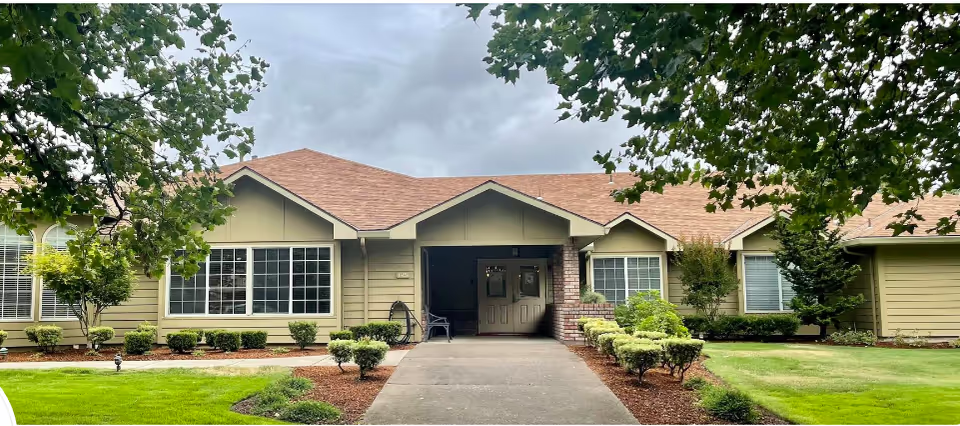
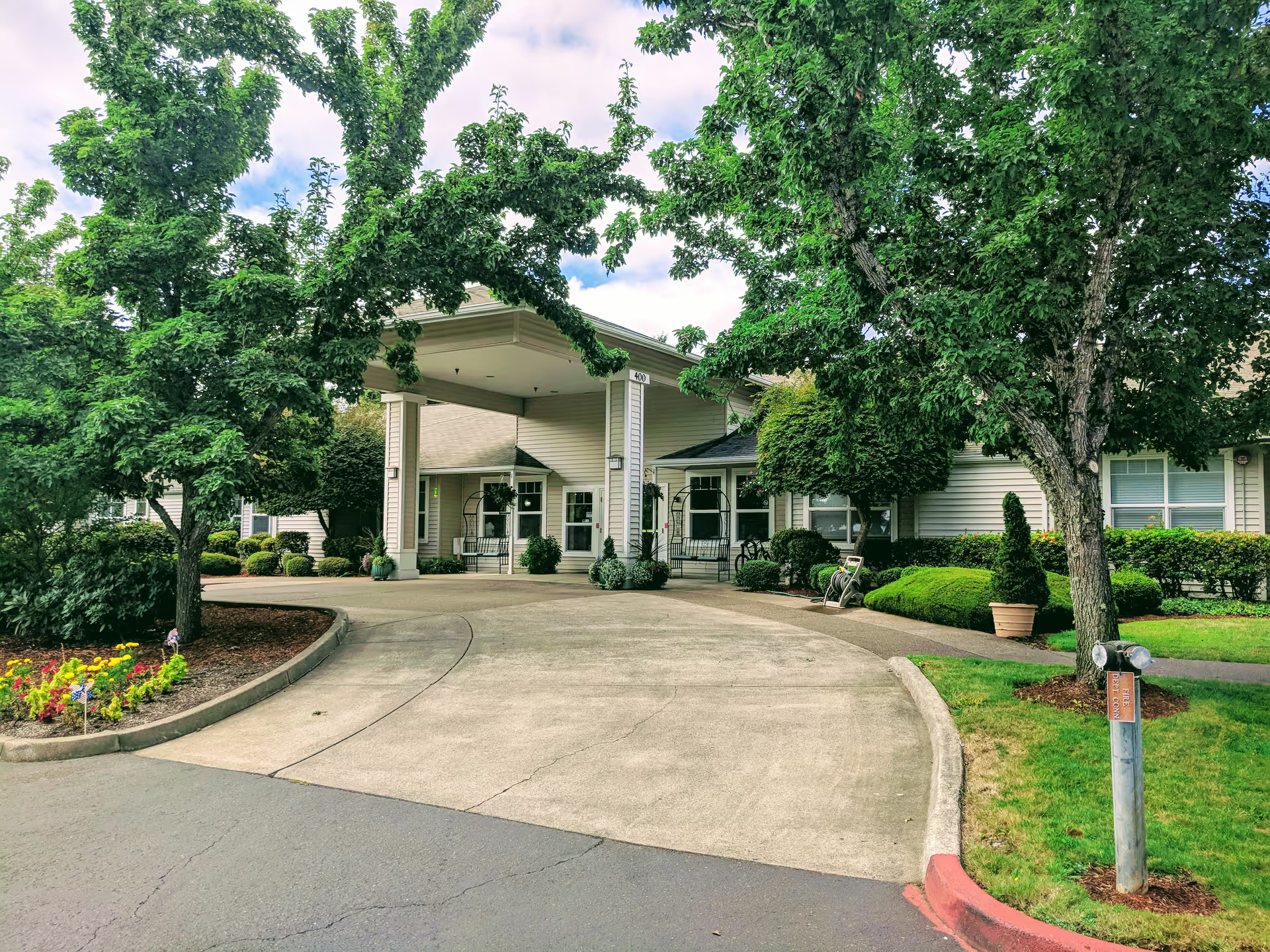
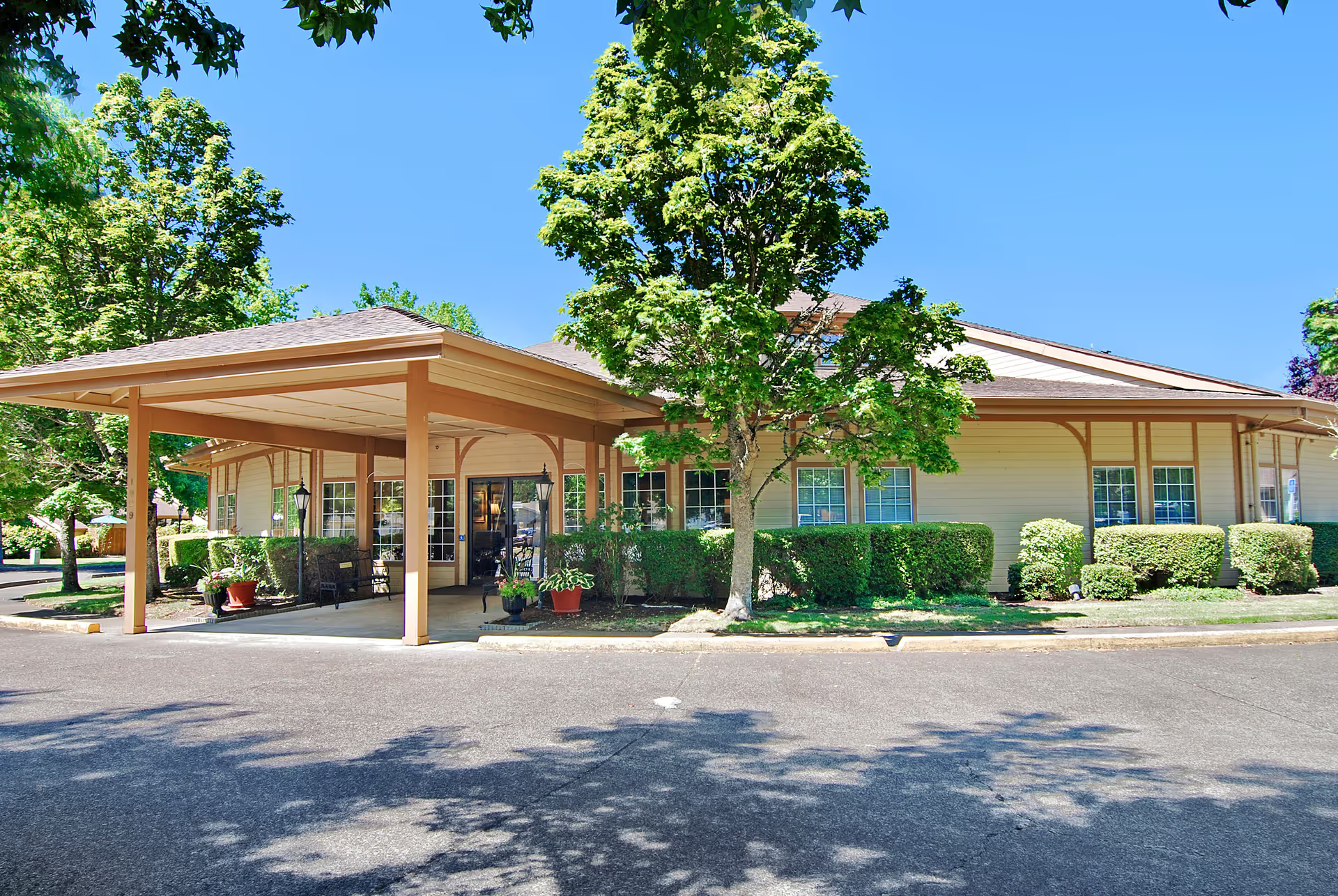
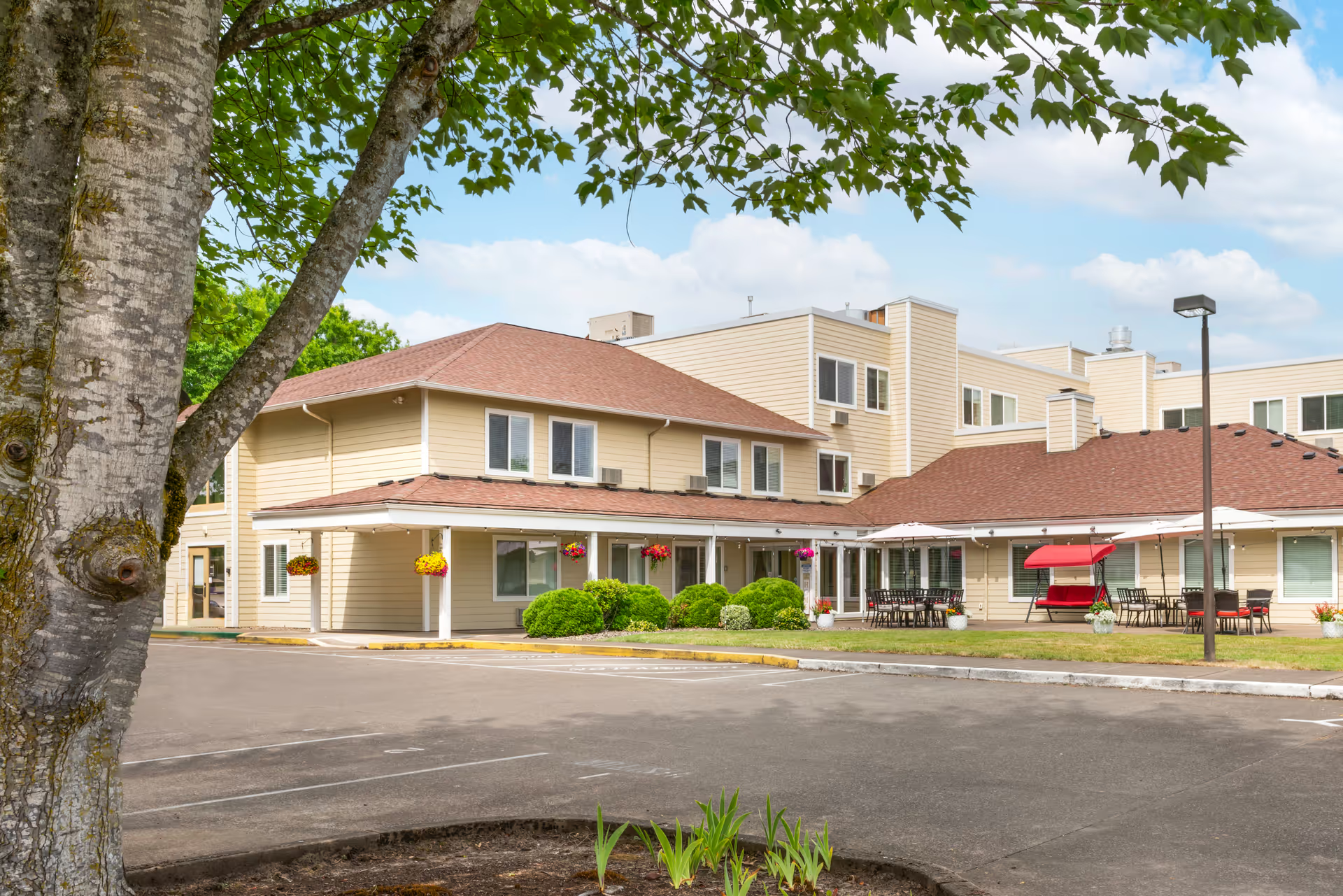
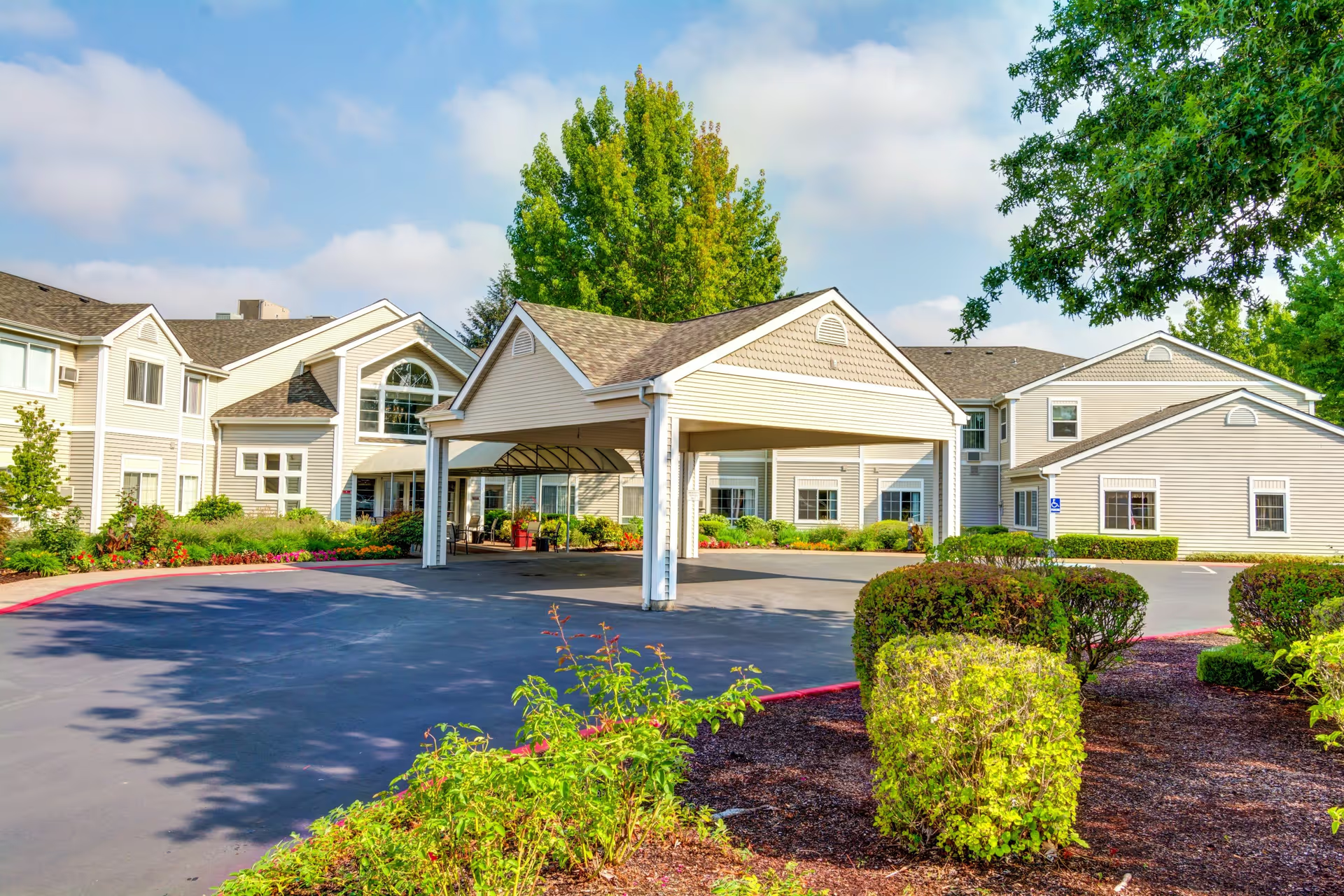
Regency Park Place at Corvallis presents as a small, renovated, single-level senior community with several features families frequently praise: a clean, remodeled interior; spacious, apartment-style living with private patios and good bathroom storage; on-site amenities such as a salon, scheduled nail care, immunizations, a library, and regular van outings; and proximity to local hospitals and clinics. Many reviewers described a warm, home-like atmosphere, strong staff continuity, and personalized intake and care coordination. Numerous families reported that residents felt safe and secure and that the facility offers 24-hour care for residents who require it.
Care and staff perceptions are mixed. A substantial number of reviewers describe staff as caring, compassionate, and attentive, with long-tenured employees and management leadership who maintain a supportive environment. These positive accounts highlight individualized attention, successful transitions to higher levels of care for some residents, and staff willingness to accommodate needs. Conversely, other reviewers described instances of delayed responses, rushed or stressed caregivers during certain shifts, and concerns about staff conduct and communication tone. Those accounts suggest variability in day-to-day caregiving quality and responsiveness depending on shift or unit.
Dining and nutrition are recurring themes with variability noted. When the full culinary team or head chef is present, reviewers commonly praise restaurant-style meals and a varied, nutritious menu. However, families also report inconsistent food quality when substitute cooks or reduced kitchen staffing are in place; some reviewers noted limited fresh-vegetable options and constrained snack hours. This points to operational dependency on particular kitchen staff for consistent dining quality.
Activities and programming are generally viewed positively but unevenly across care levels. The community offers a range of social and recreational options, including excursions and an active activities program that some families found outstanding. At the same time, other reviewers described limited activity frequency or engagement for residents with higher-acuity needs or dementia, indicating variability in how programming is adapted for different cognitive and functional levels.
Facility features and operations receive largely favorable comments: the one-floor layout, absence of stairs, walking paths, tidy common areas, and pet-friendly policies contribute to a homelike feel. Several reviewers emphasized effective care coordination and that the environment is neat and odor-free. However, a small number of serious concerns were also raised. These include sanitation and incontinence-care concerns in isolated instances and a narrowly described regulatory investigation and administrative accountability questions that some families referenced. Such issues are notable because they represent more serious deviations from otherwise positive accounts and may warrant further inquiry by prospective families.
Management and cost considerations show divergence. Many reviewers commend hands-on management, engaged activity directors, and positive leadership, while others describe dismissive or unresponsive administrative interactions and uneven accountability. Pricing has been a concern for some families: several noted recent, substantial increases in monthly fees, which affect perceived value. Overall, the dominant pattern is of a community that delivers a comfortable, well-maintained environment with caring staff and useful amenities, but with measurable variability in caregiving responsiveness, dining consistency, activity adaptation for higher-acuity residents, and occasional administrative or sanitation-related concerns. Prospective residents and families should tour during typical meal and activity times, ask about kitchen staffing continuity and dementia programming, clarify recent fee trends, and seek details on staffing patterns by shift to assess fit for specific care needs.