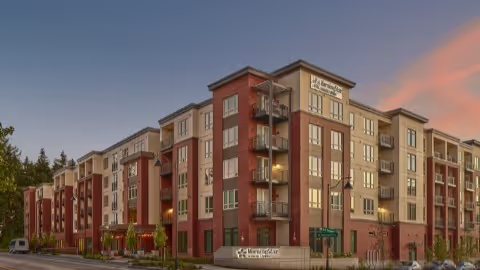
Overall impression: Hawthorne House Memory Care is consistently described as a small, home-like memory care community with a strong emphasis on personal attention. Families commonly praise the caregiving team for being responsive, compassionate, and engaged; many note that staff members create a family atmosphere and provide a reassuring level of day-to-day support. The facility's size appears to contribute to a warmer, less institutional feel compared with larger memory-care centers.
Care and staff: Reviews emphasize attentive, hands-on caregiving and a responsive front desk. Staff are credited with helping residents adjust during transitions and with managing infection-control events such as COVID-related disruptions. At the same time, reviewers have noted staff turnover; this operational characteristic may affect continuity of assignments and familiarity between caregivers and residents. One review raised concerns about medication monitoring, which points to a possible gap in medication-administration and tracking procedures that prospective families should clarify with management.
Dining and activities: Dining receives positive remarks for quality and variety—several families described meals as well prepared and comforting. Activity programming is a clear strength: the community offers a broad schedule that includes arts and seasonal activities, dance events, in-house entertainment, socialization opportunities, and organized outings. These offerings support daily engagement and social connection, especially important in a memory-care setting.
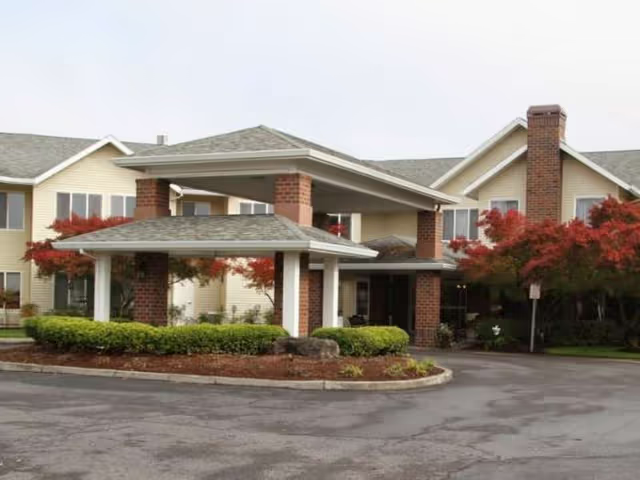
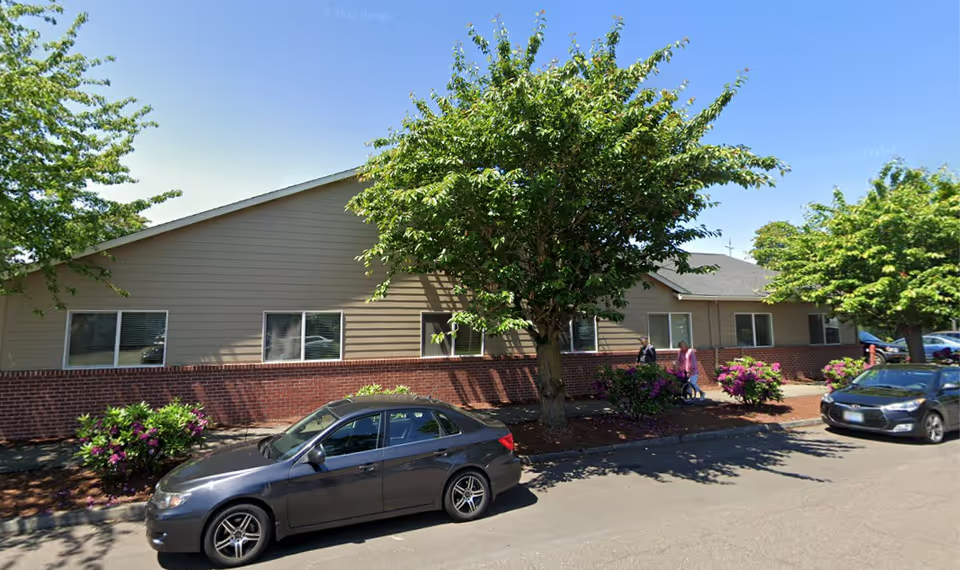
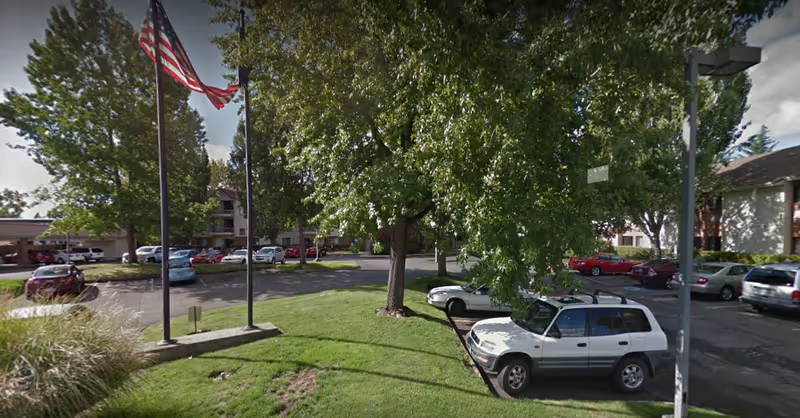
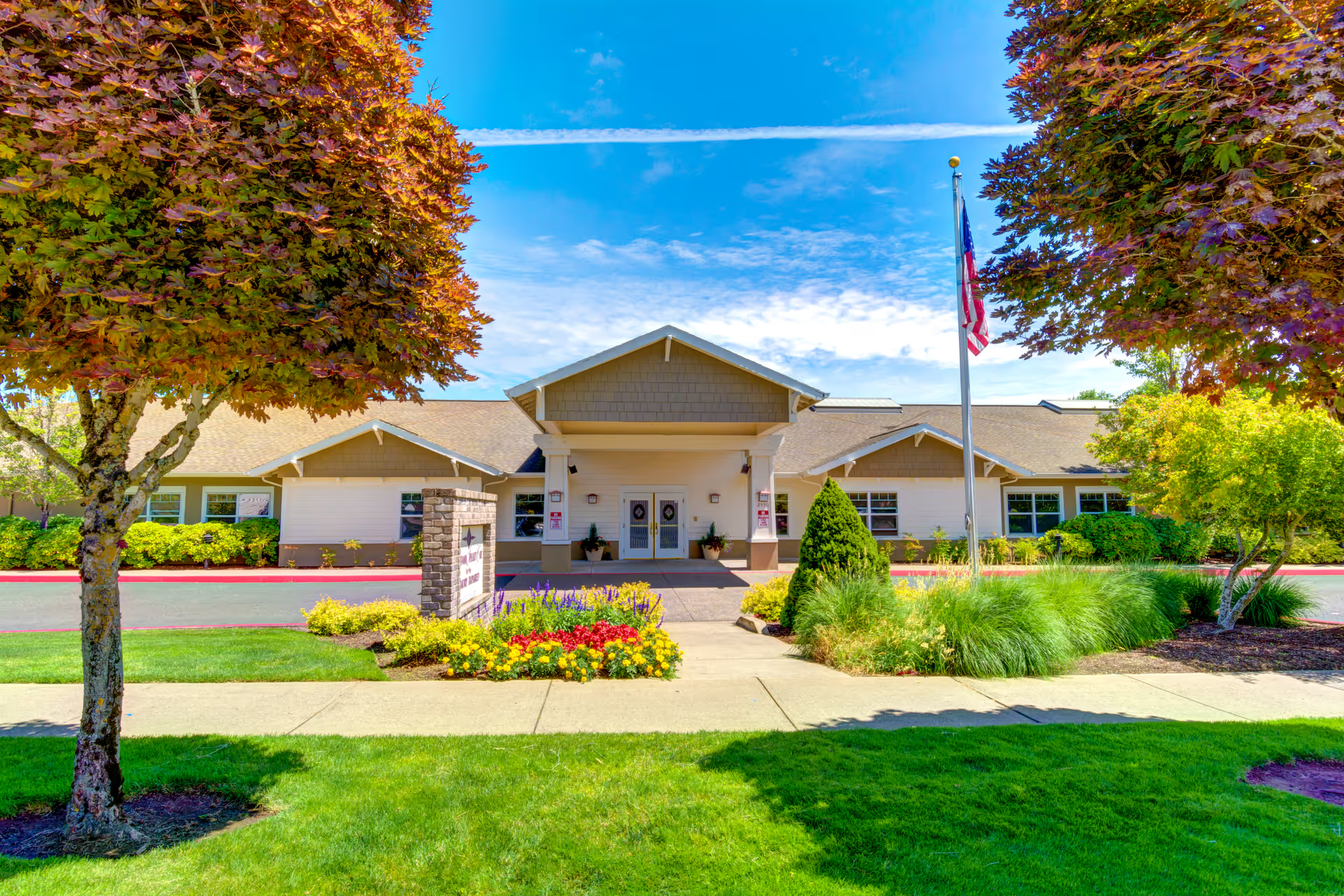
Facilities and location: The physical property is described as clean, well-kept, and pleasant, with private rooms that include en-suite restrooms. Outdoor features mentioned include a walking path and planter boxes, but reviewers also point out a lack of a more substantial courtyard and limited overall amenities typical of larger campuses. The small footprint contributes to a cozy atmosphere and a sense of safety, but also constrains the amount and variety of on-site facilities.
Management and notable patterns: Management is generally portrayed as communicative and effective in family interactions, with specific praise for pandemic-era responsiveness and for helping families through difficult transitions. The main operational patterns prospective residents should weigh are the trade-offs between the individualized, small-community feel and the facility's constrained amenities and space. Additionally, follow-up questions about staff retention strategies and formal medication-administration safeguards would help assess clinical reliability.
Advice for prospective families: During a tour, verify staffing continuity (shift overlap, primary-assignment practices), ask to see written medication-management protocols and audit procedures, and view the typical private accommodations and outdoor areas in person. Confirm activity schedules and sample menus to match the resident's interests and dietary needs. These checks can help balance the facility’s clear strengths in personal care and programming against its limitations in physical amenities and operational consistency.