Overall impression: Reviews present a polarized view of Avamere Rehabilitation of Hillsboro. Many accounts describe effective rehabilitation, compassionate individual caregivers, and smooth care coordination with hospitals and external liaisons; other accounts describe systemic operational weaknesses that materially affected some residents’ experiences. Prospective residents and families should expect a strong rehabilitation focus but also be aware of recurring operational concerns that may affect day-to-day comfort and clinical oversight.
Care quality and clinical oversight: Several reviewers praised nursing and therapy staff for helping patients recover and achieve discharge goals. At the same time, a number of reviews describe serious clinical and monitoring issues, including inconsistent wound and post‑surgical care, concerns about medication and laboratory monitoring, delayed responses in clinical events, and perceived gaps in infection‑related follow‑up. These comments point to variability in clinical performance rather than a uniform level of care; for some residents the facility met or exceeded expectations, while for others families described significant clinical problems that prompted investigations or escalations.
Staff and workplace culture: Staff are frequently characterized as caring and personable by many families and patients; individual caregivers and therapists received specific praise. However, reviewers also raised issues around staffing levels and workplace dynamics: understaffing overnight and on weekends, staff appearing rushed, and instances of interpersonal conflicts or discussions in hallways. These operational pressures appear to contribute to delays in routine care and inconsistent staff responsiveness.
Dining and daily services: Dining reviews are mixed. Some residents and families described good or excellent meals and helpful dining staff, while others reported cold food, poor texture preparation for modified diets, large or unpalatable portions, and menu substitutions. Reviews also mention delays in meal service and inconsistent availability of basic supplies, which suggests variability in food-service operations and logistics.
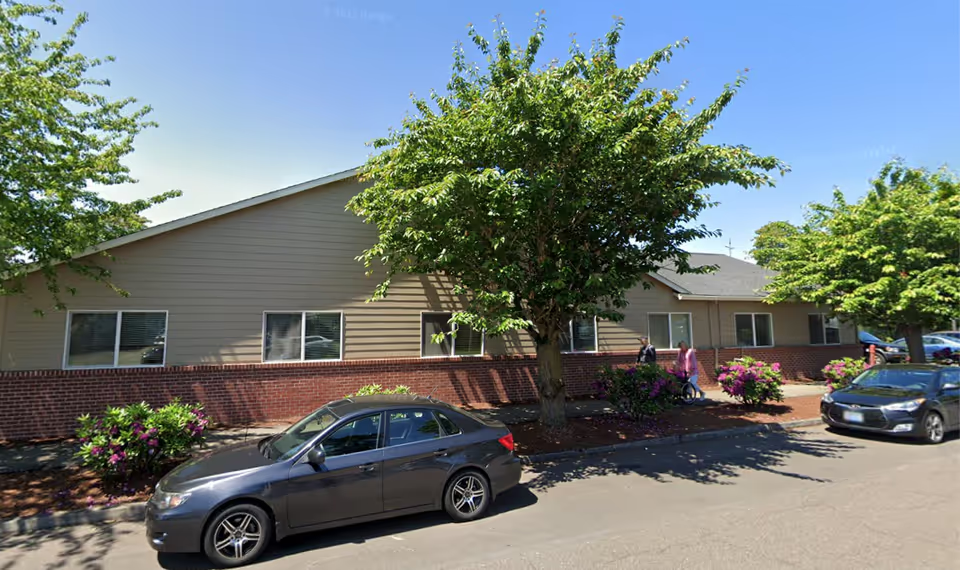
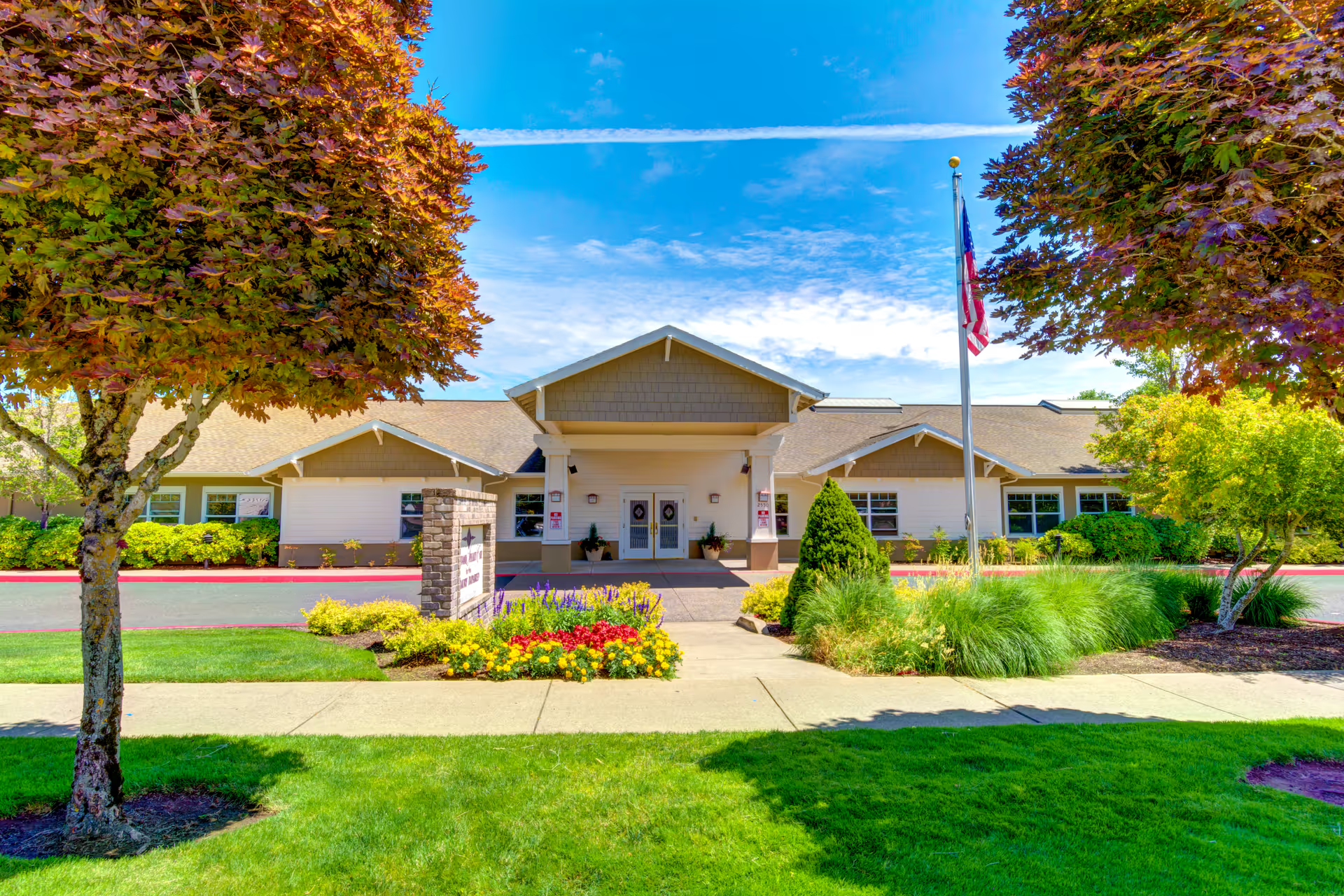
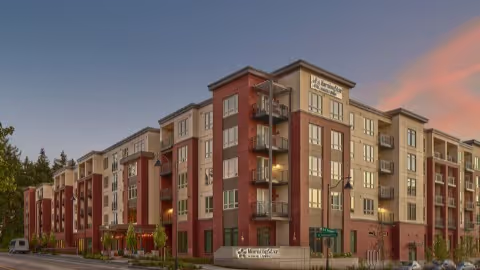
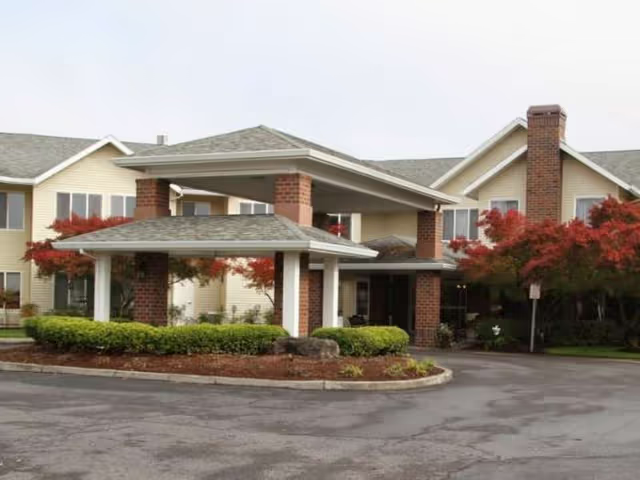
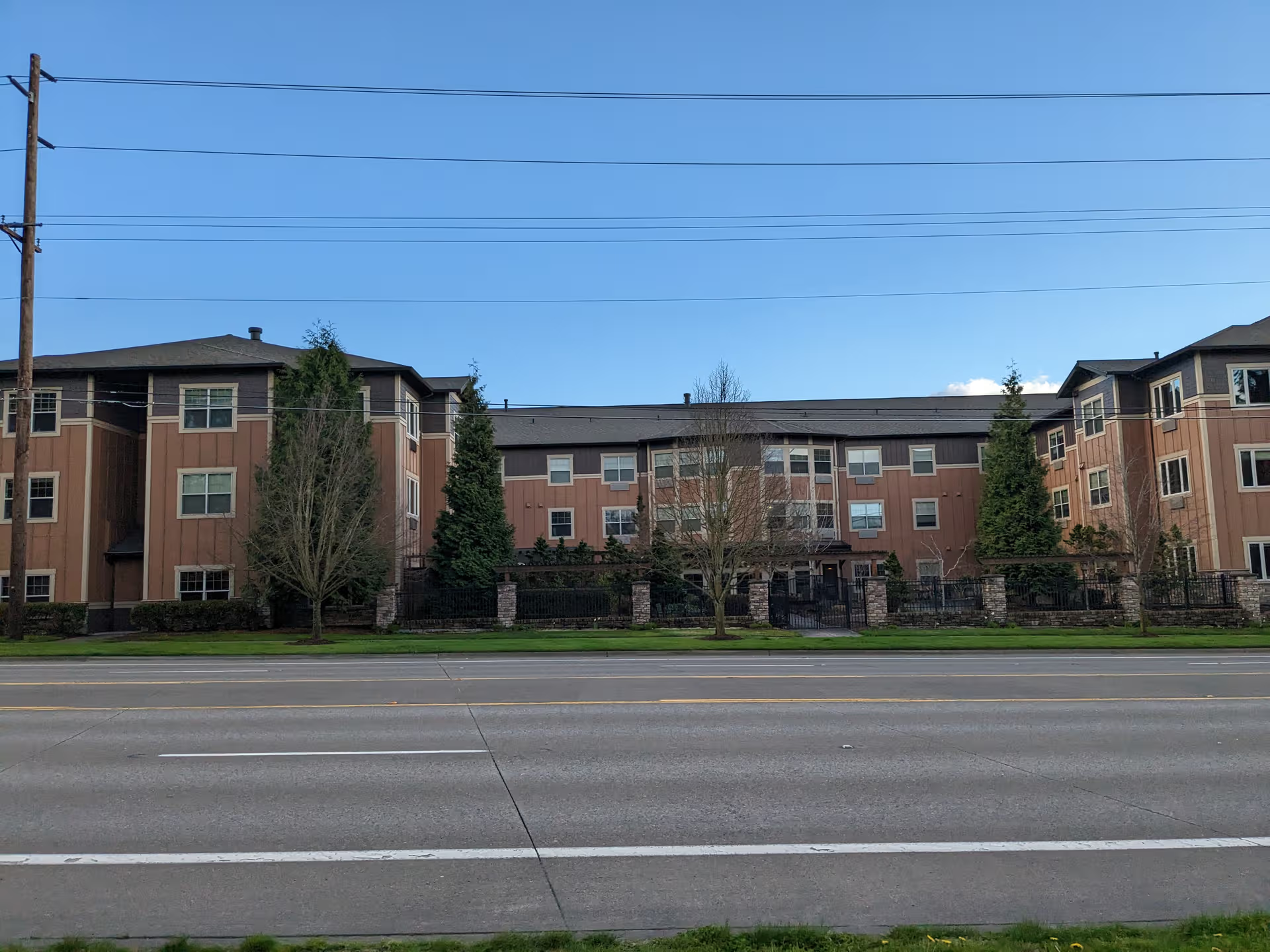
Facilities and maintenance: The facility’s exterior and some common areas are described positively, but the interior shows signs of age. Reviewers noted outdated finishes, broken fixtures or equipment, and specific bathroom and shower maintenance concerns. Shared rooms and communal restrooms are common, producing privacy limitations for some residents. Several comments recommended a facility refresh and replacement of aging equipment.
Management, communication, and administration: Communication failures are a recurring theme: difficulty reaching a live person, unreturned voicemails, inconsistent updates to families, and confusion around discharge planning were mentioned multiple times. Some families perceived administrative priorities as favoring admissions over resolving bedside issues. There are also a small number of more serious claims about documentation accuracy that families say have affected ongoing care; those specific claims raise the need to review medical‑record practices and any regulatory findings before placement.
Notable patterns and guidance: The overall pattern is one of high variability. The facility can deliver effective, compassionate rehabilitation for many patients, but operational issues — staffing variability, responsiveness delays, mixed dining quality, facility maintenance needs, and communication gaps — have led to adverse experiences for others. Families considering this facility should tour the unit, inquire about current staffing ratios (nights/weekends), ask about private‑room availability, review infection‑control and wound‑care protocols, and confirm the facility’s policies for family communication and medical-record accuracy.