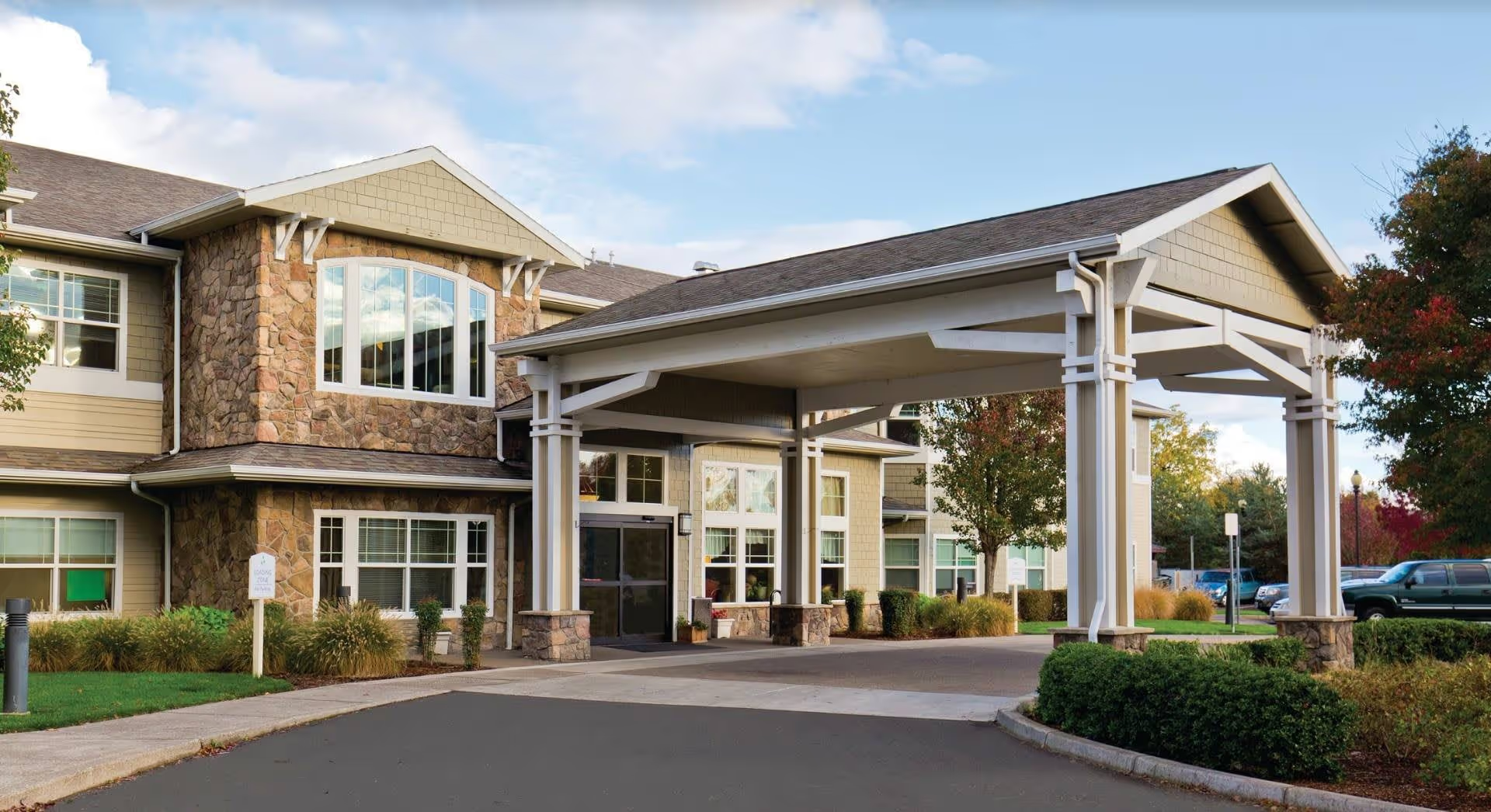
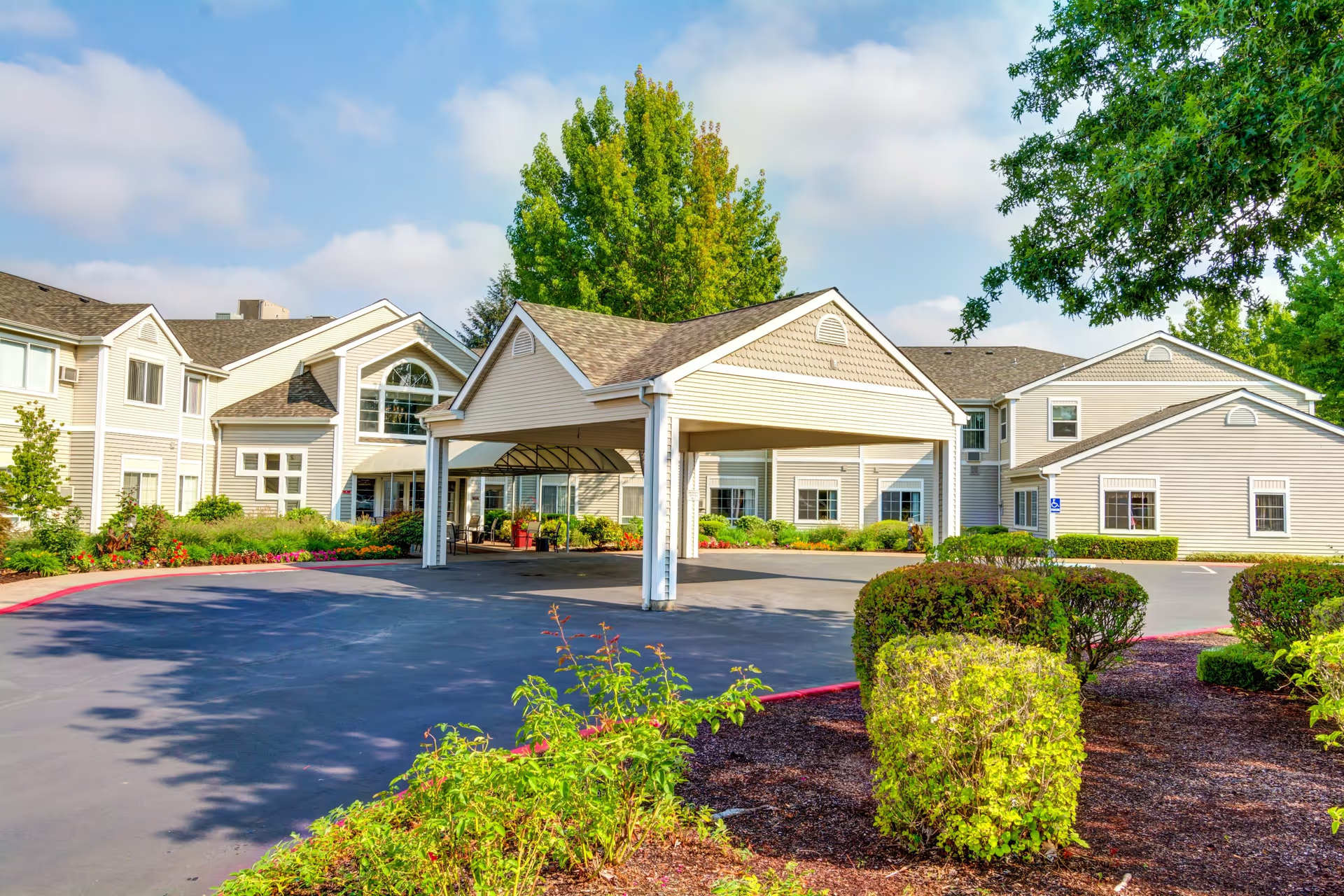
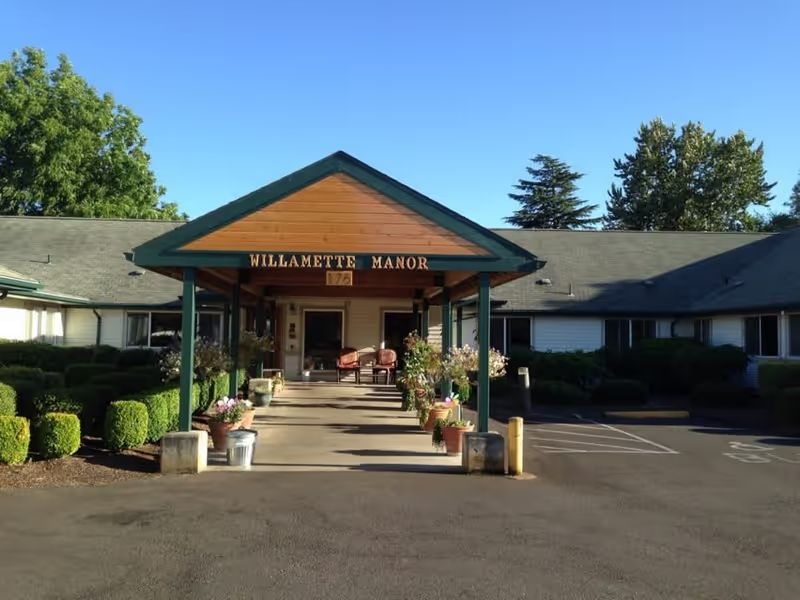
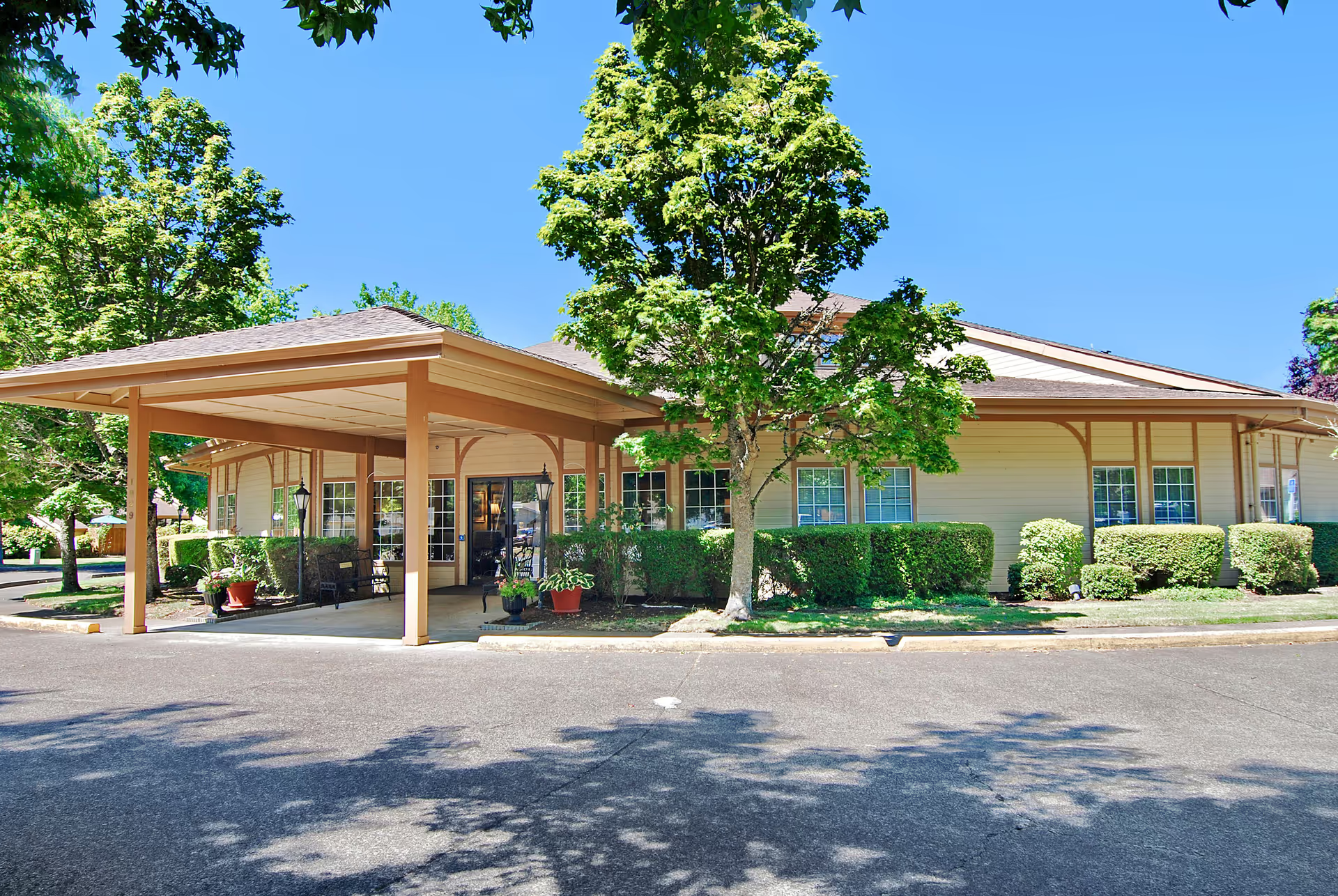
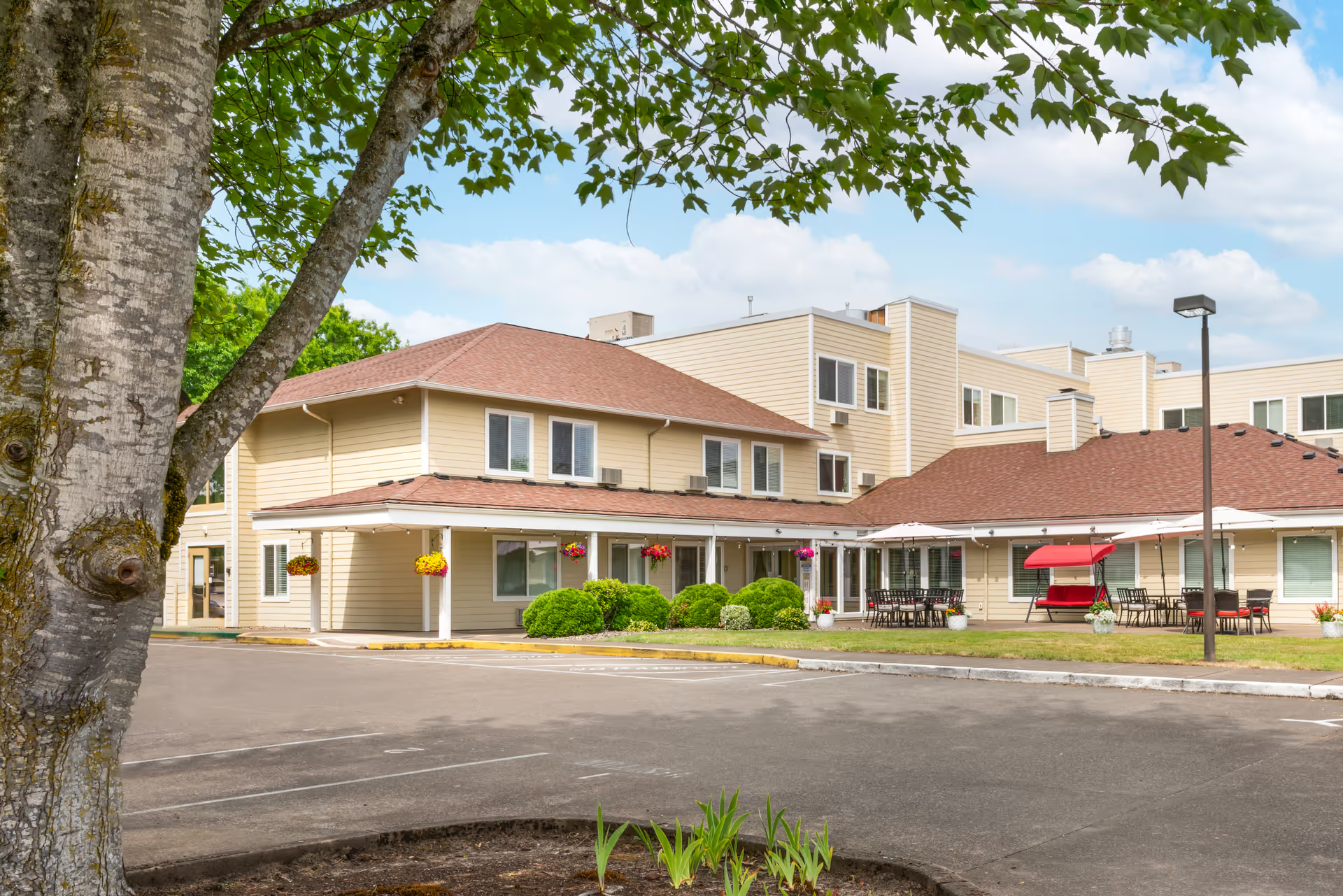
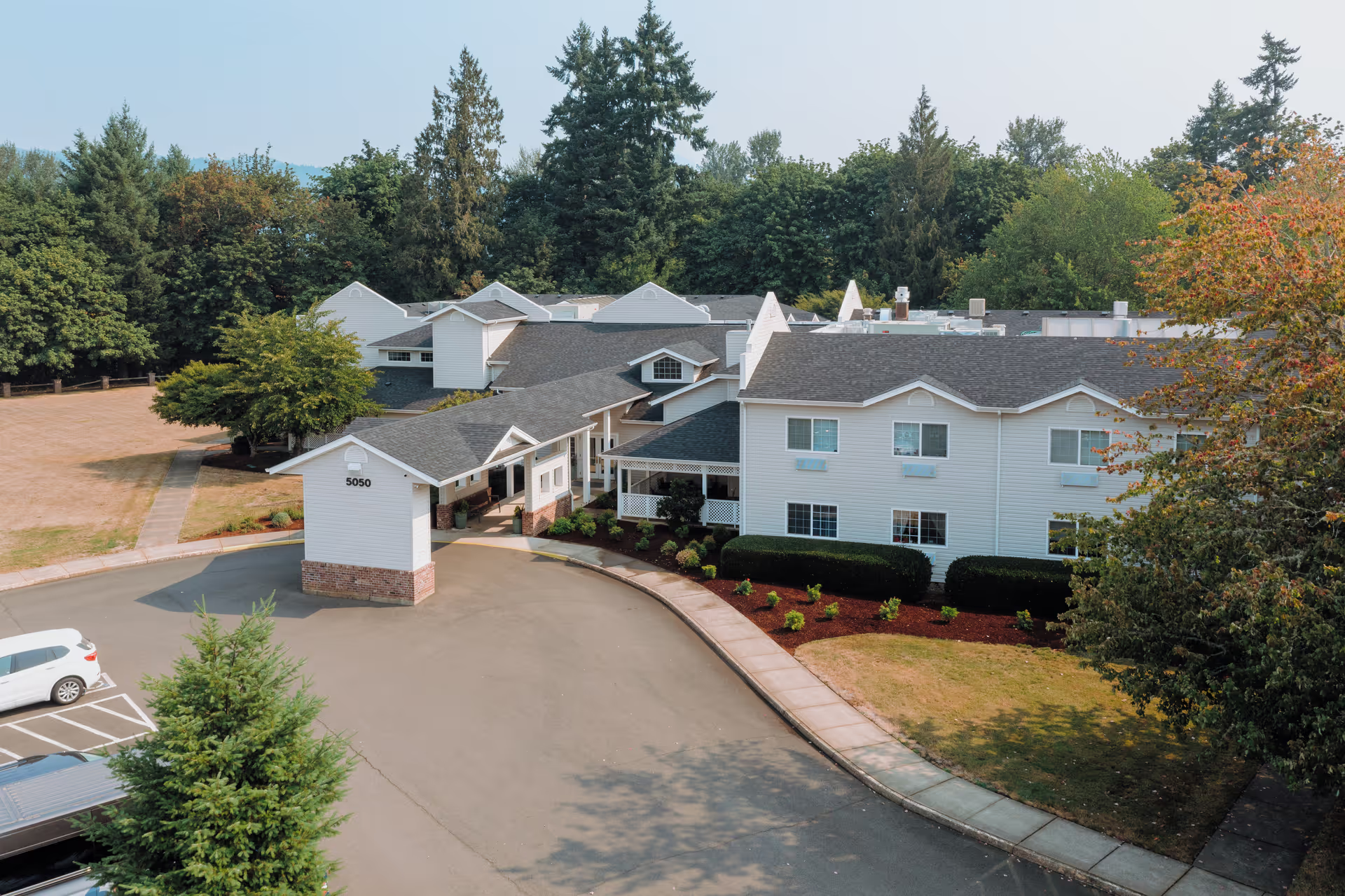
Overall impression: Reviewers consistently describe a facility with strong clinical capabilities and a robust social program, anchored by many staff members who are described as caring, skilled, and attentive. The home is frequently praised for its modern, well-kept campus, comfortable common areas, and a family-friendly, veteran-focused atmosphere that supports social interaction and dignity. On-site dining and a café with freshly prepared meals, soups, sandwiches and affordable options are recurrent strengths, and hospice and end-of-life support are available when needed.
Care and staff: Many accounts emphasize compassionate direct care, hardworking CNAs, and helpful nursing personnel, including availability of 24-hour nursing and hospice involvement. Volunteer-led activities and a proactive activities team contribute to residents' social engagement — card games, Garden Club, exercise events, outings, and special-event coordination (anniversary dinners, memorial services, travel coordination) were noted as meaningful supports for residents and families. At the same time, reports indicate variability in staff conduct: while many staff are described as respectful and attentive, isolated incidents of rudeness and privacy-protection lapses (photographs shared on social media) were also described. These conflicting impressions suggest that resident experience can depend on assignment, unit, or shift.
Operations and management: A recurring operational pattern relates to staffing and management. Reviewers describe chronic understaffing, heavy reliance on agency or traveler staff, and workload-driven burnout among caregivers. These conditions are associated with inconsistent caregiver assignments, frequent unit reassignments, and limits on registered-nurse coverage during some shifts. Families also raised concerns about management responsiveness: delayed callbacks, gaps in communication during clinical events, and difficulty coordinating volunteer activities were mentioned. There are also references to perceived favoritism in assignments and uneven application of resident-focused practices.
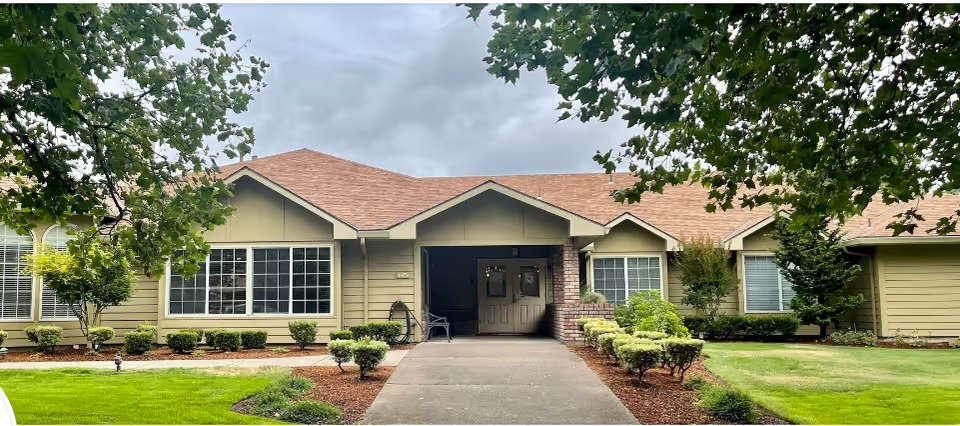
Dining, activities, and facility environment: Dining receives generally positive feedback — fresh, home-style meals and a welcoming café are highlighted. The activities program and volunteer involvement are strong points, providing varied social, recreational, and commemorative events that foster a sense of community. The physical plant is described as attractive, modern, and secure, with clean buildings and pleasant grounds that families appreciate.
Notable patterns and considerations for families: The facility demonstrates clear strengths in hospitality, community-building, and certain aspects of clinical care, including hospice support. However, variability in staffing levels, caregiver continuity, and management communication appear to be the primary sources of negative experiences. Prospective residents and families may want to ask about current staffing ratios (including RN coverage), the facility's use of agency staff, caregiver-assignment policies, privacy and social-media guidelines, and protocols for family communication during clinical events to understand how those structural issues are being managed currently.