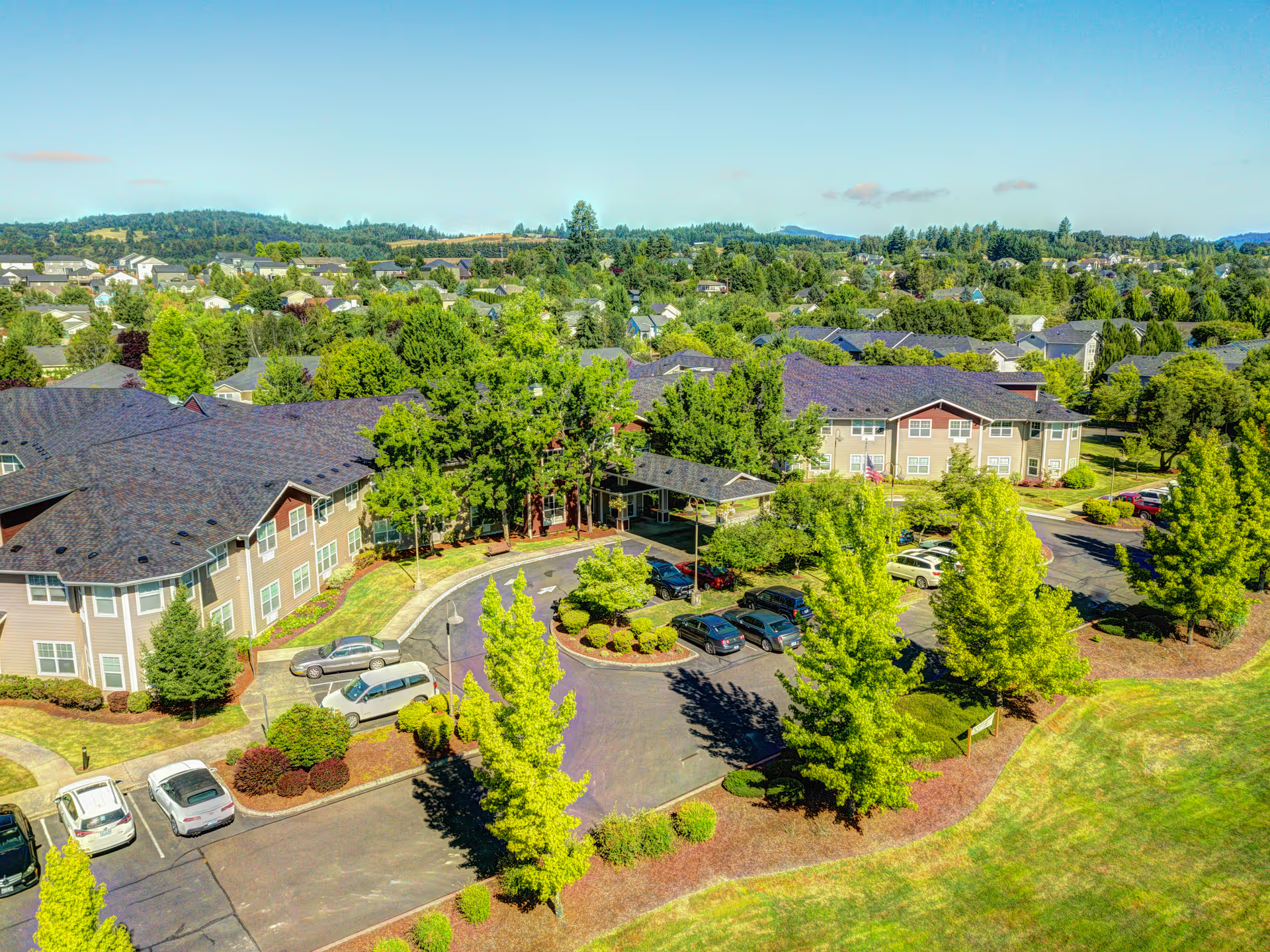
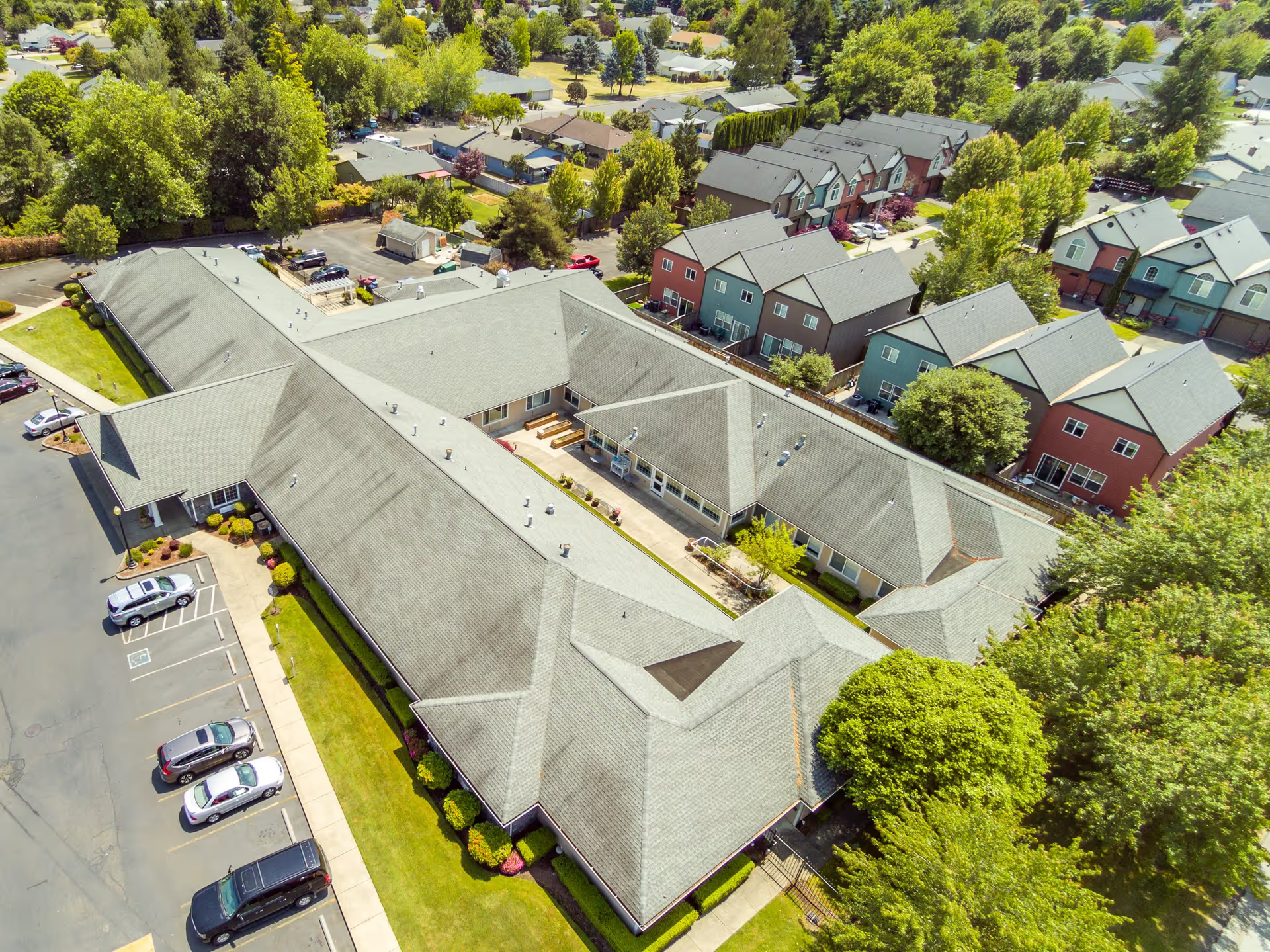
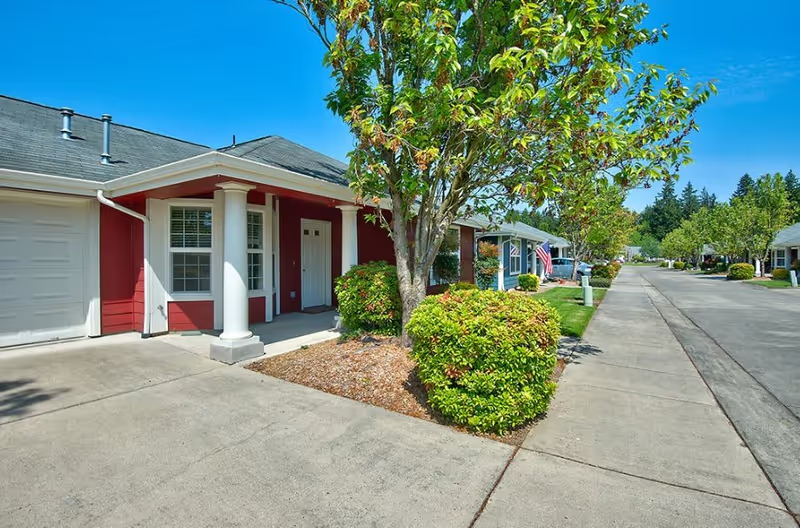
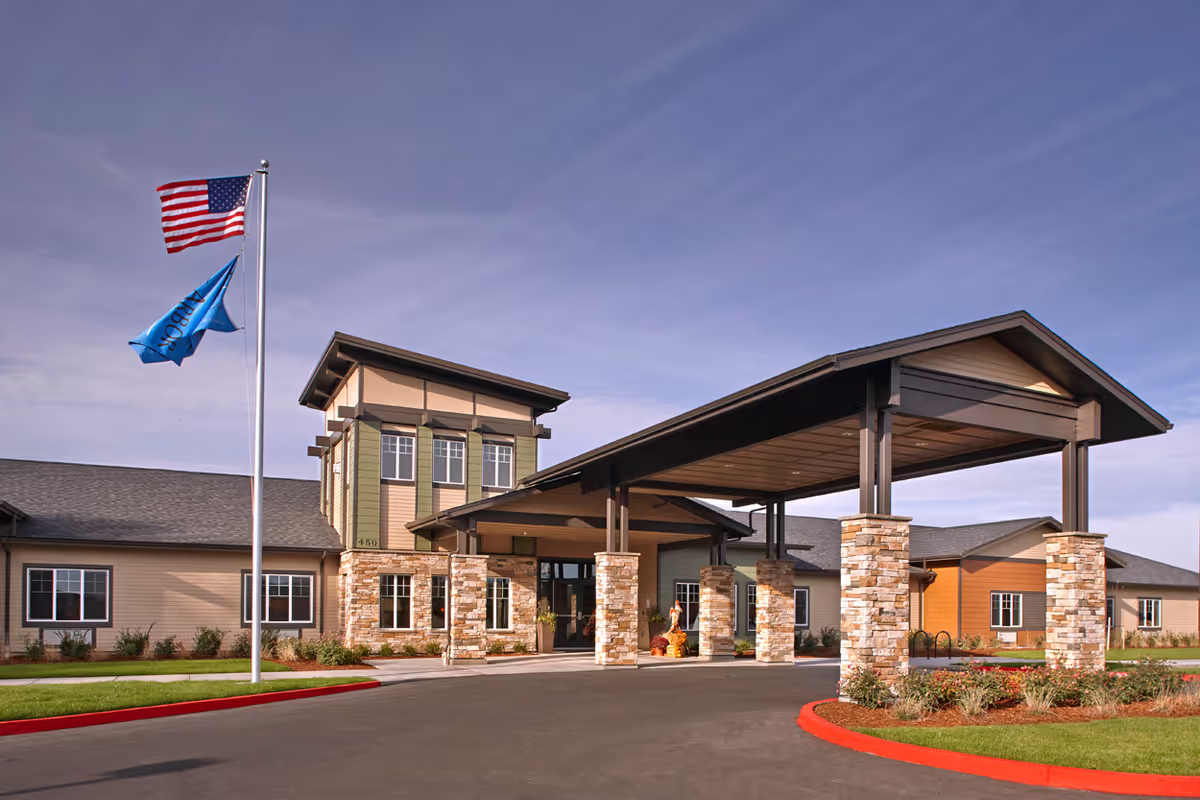
Overall impression: The facility presents as a well-maintained, resort-like retirement community with a strong emphasis on outdoor amenities, communal life, and accessible clinical support. Review content indicates consistently positive experiences with day-to-day living, social programming, and clinical responsiveness, while also identifying a few operational weaknesses that prospective residents should consider.
Care and staff: Care quality is described positively across reviews. Families and residents report attentive, compassionate staff who are responsive to needs, do not rush interactions, and make efforts to match caregivers to resident preferences. Clinical access appears to be a strength: reviewers note on-call in-home healthcare available 24/7 and direct access to a nurse practitioner. Staff availability by phone and the community’s responsiveness to individualized needs are recurring themes, contributing to a perception of safety and continuity of care.
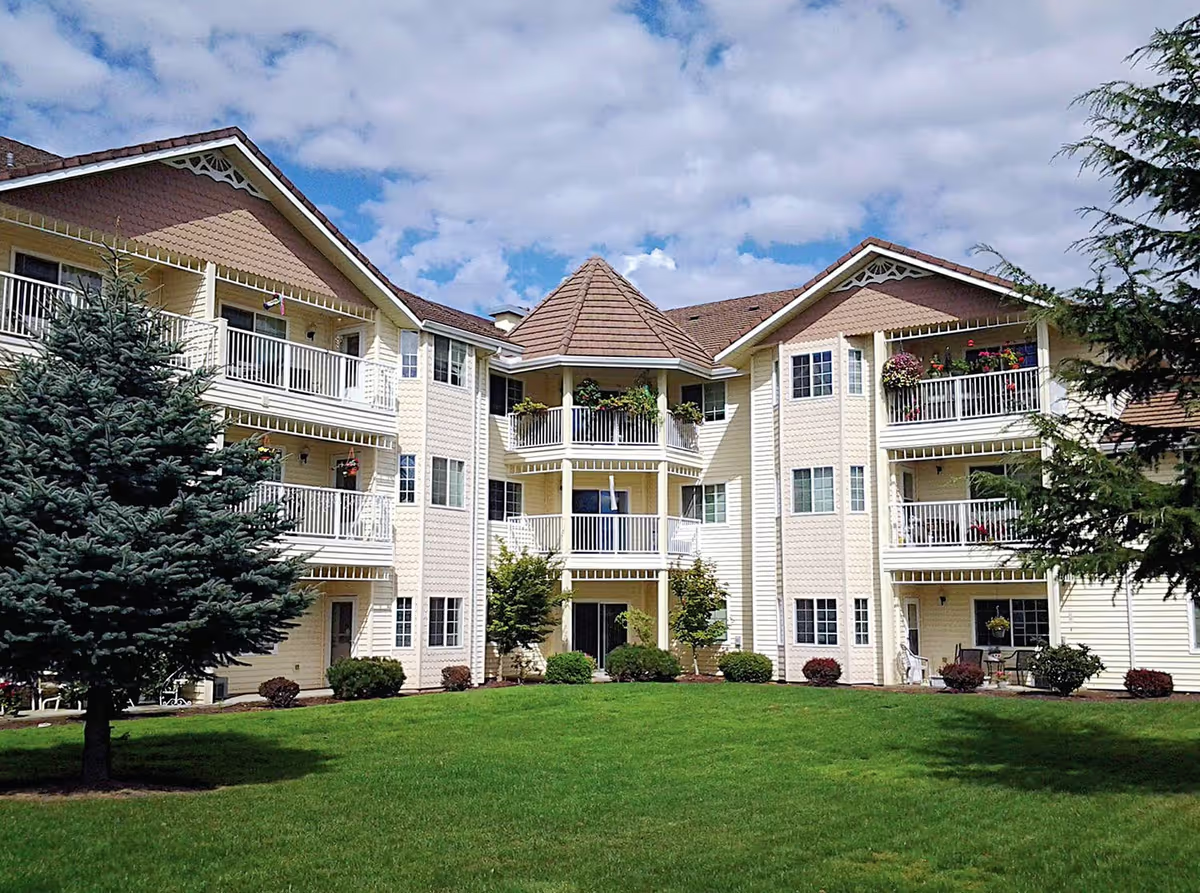
Dining and services: Dining options are flexible; there is a dining hall but residents who do not use it are able to receive meal delivery. Personal services are reported to be easy to schedule. Housing units range from roomy suites to two-bedroom homes with full kitchens and washers/dryers, which supports independent living for residents who prefer apartment-style accommodations.
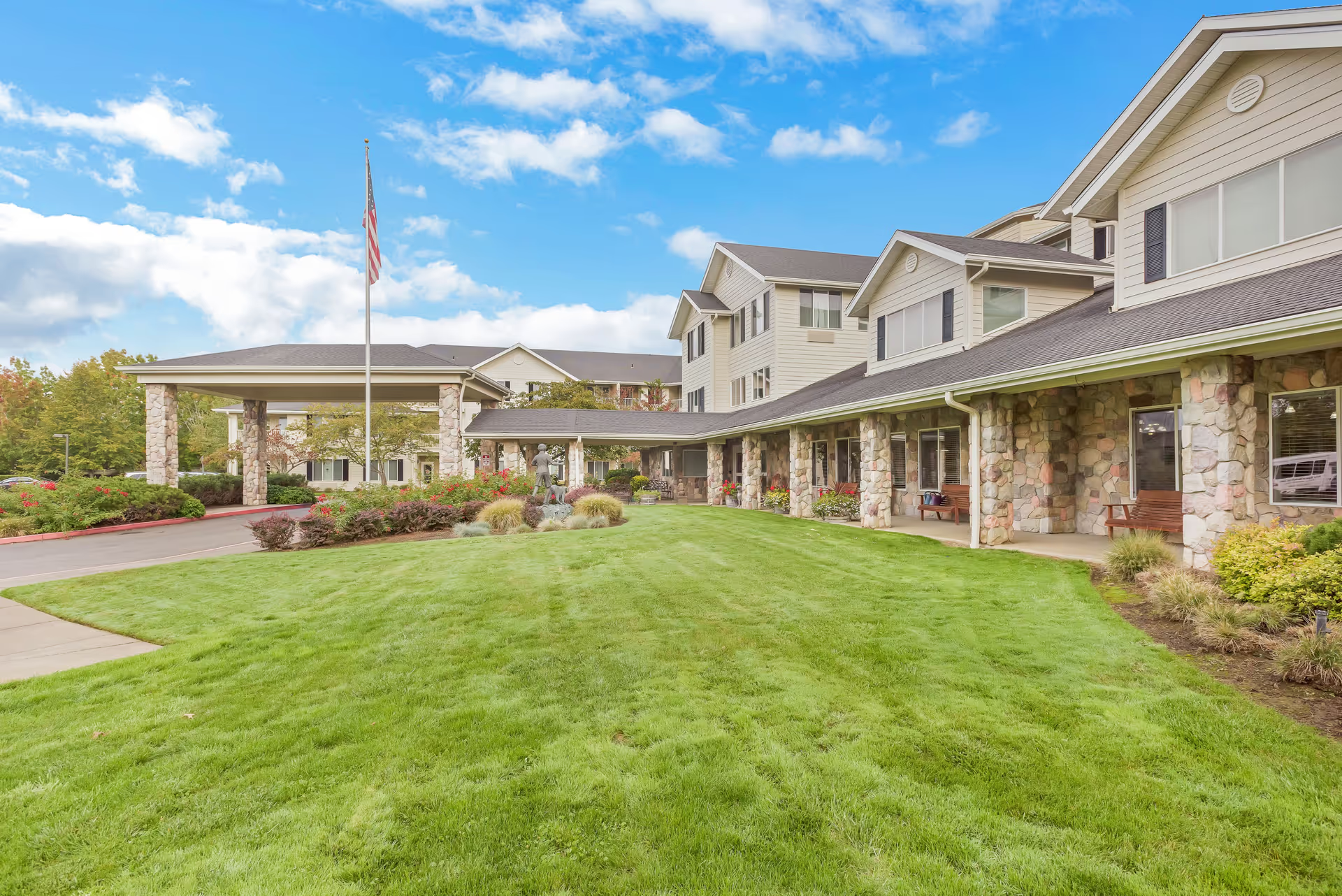
Activities and facilities: The campus is frequently described as scenic and walkable, with paved paths, a walking track, landscaped seating areas, a community garden, and views of Mt. Hood. Multiple community buildings host planned events and activities, and an on-site fitness space is well-equipped. These features collectively support a variety of recreational and social pursuits and accommodate differing mobility levels.
Management and operations: Most operational feedback is favorable, particularly regarding staffing and resident-focused care. However, reviewers also identified some facility-level operational weaknesses. These include inconsistent responsiveness from maintenance, coordination gaps during move-in or setup with outside vendors, and occasional sanitation or setup-management concerns in shared areas. These issues appear episodic rather than systemic, but they represent practical considerations for families planning transitions.
Notable patterns and considerations: The dominant pattern is of a caring, community-oriented environment with strong clinical access and attractive grounds. Prospective residents should weigh the strengths in staff responsiveness, clinical availability, social programming, and housing amenities against the possibility of occasional logistical or maintenance lapses. When touring, families may find it helpful to ask about typical maintenance response times, move-in coordination procedures, and processes for handling shared-area sanitation or temporary setup needs to understand how the facility currently manages those operational areas.