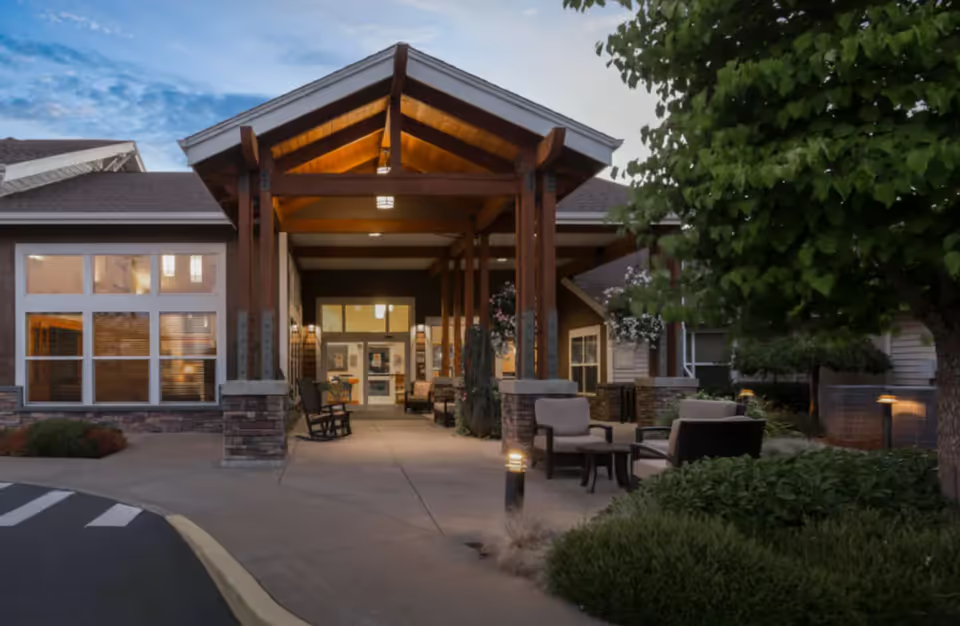
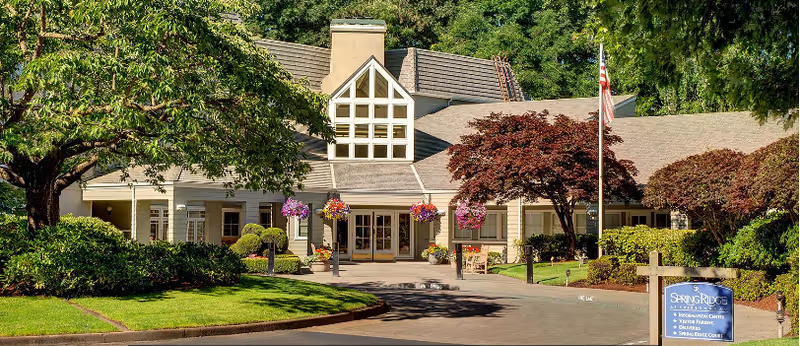
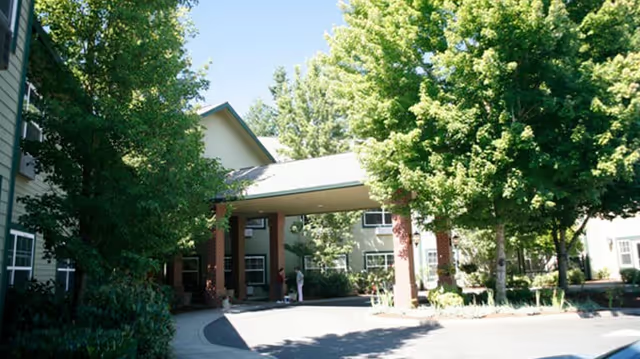
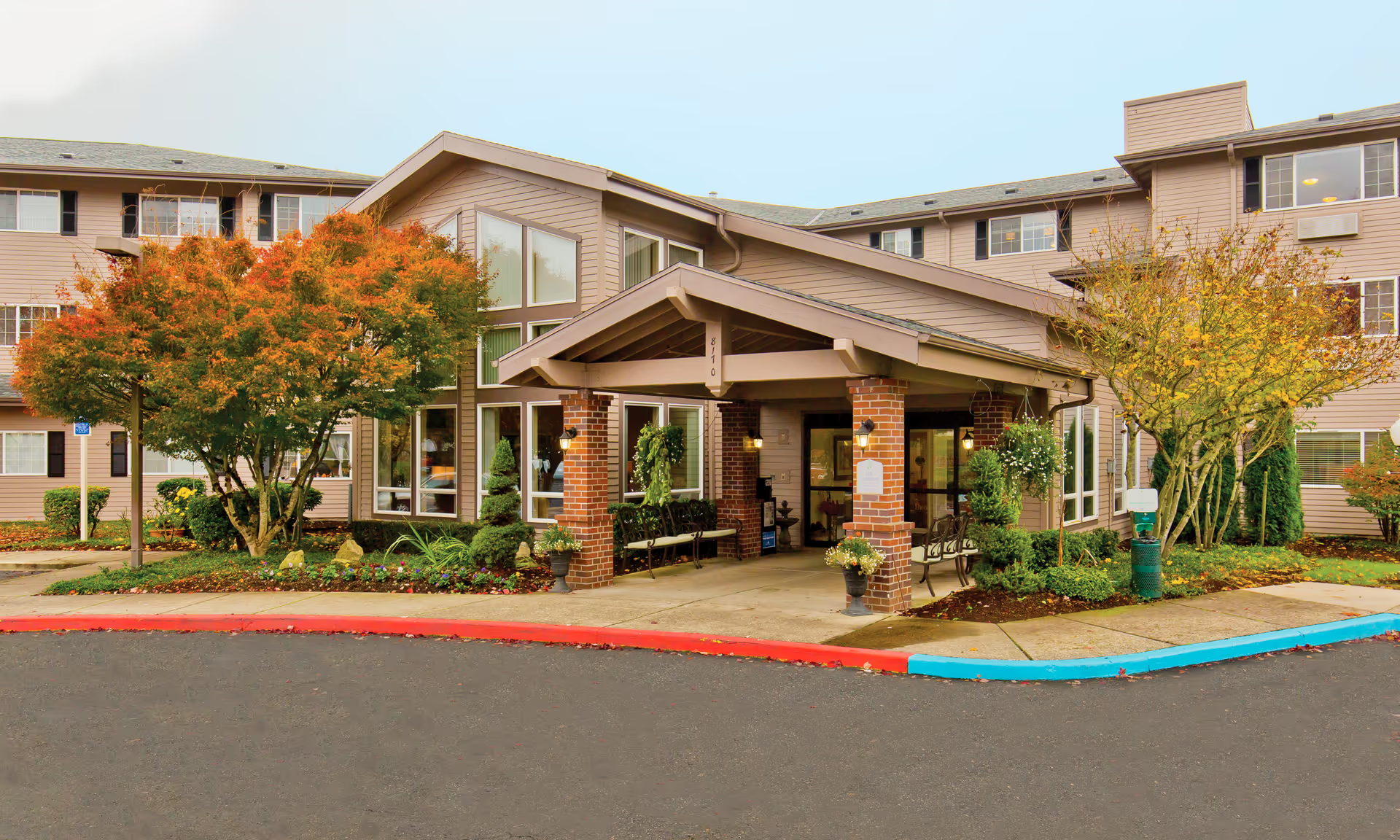
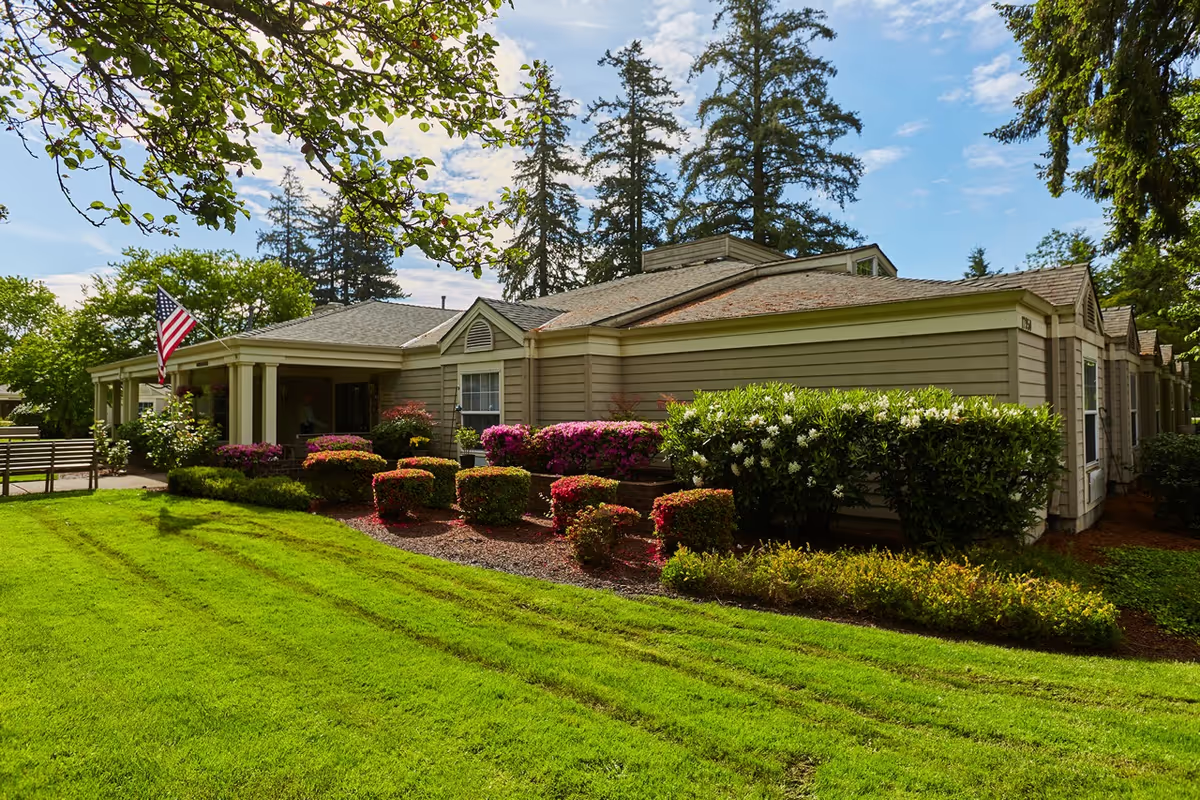
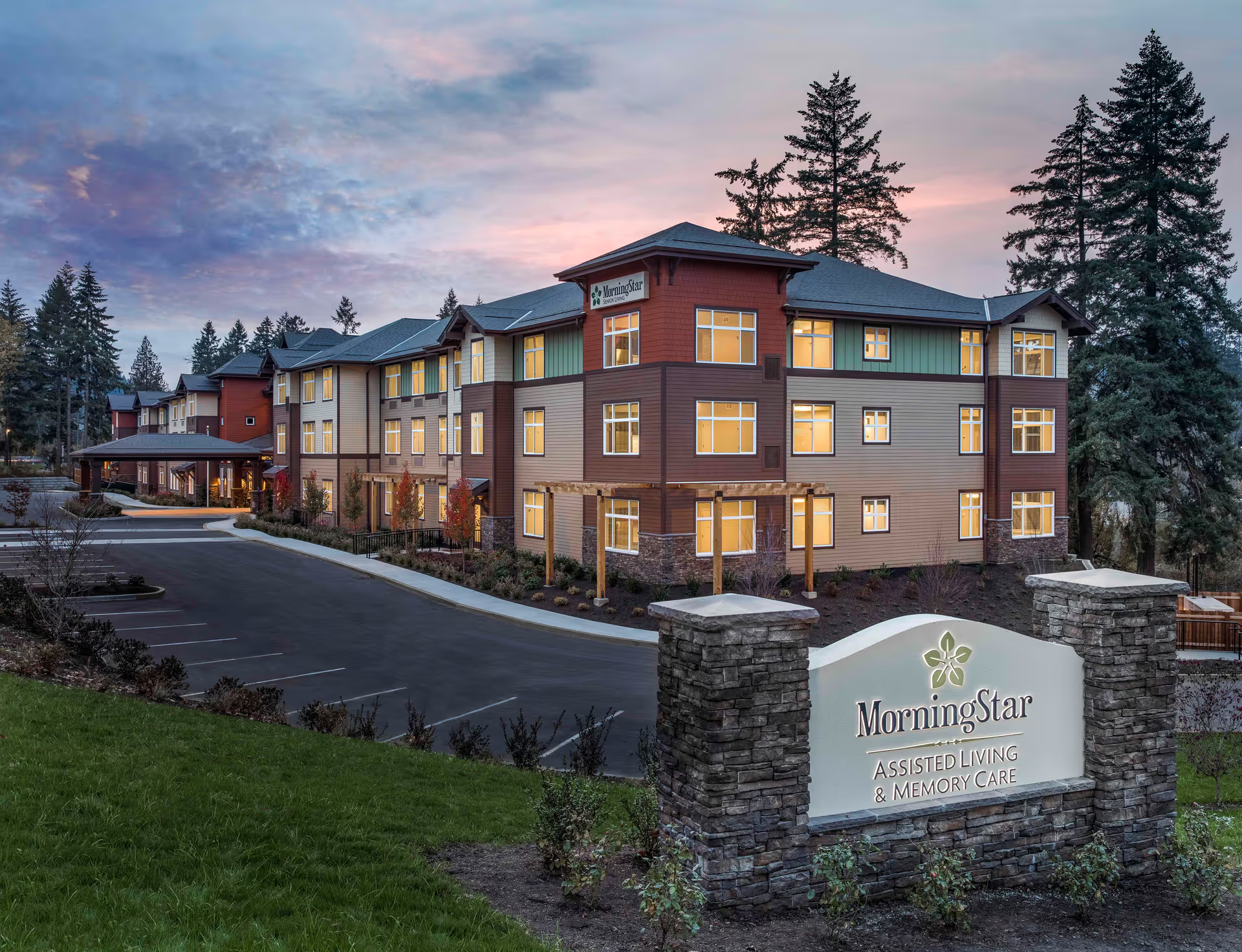
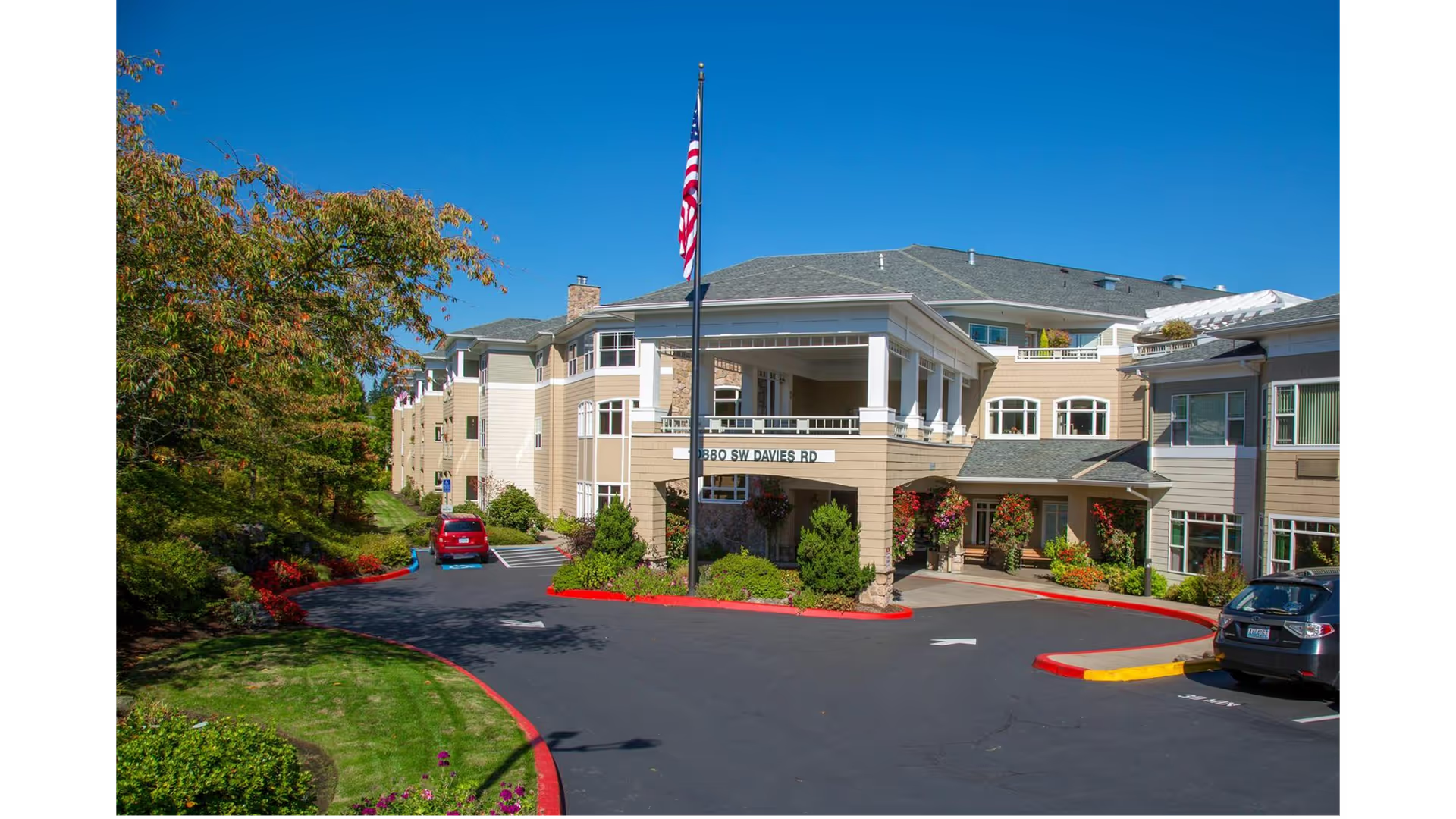
Solista Newberg presents a mixed but informative profile for prospective residents and families. Strengths that recur across feedback include a consistently friendly and compassionate staff, well-kept living units with balconies or decks, and a lively activities program that supports socialization. The community is frequently described as home-like and pet-friendly, with useful amenities such as an on-site salon, library, game rooms, and regular transportation to appointments and outings. Many reviewers praise the welcoming tour experience, natural-light dining rooms, and apartment-level maintenance responsiveness.
Dining and meal service are a central area of variability. When the kitchen is functioning well, the chef-driven meals and presentation receive strong praise; however, there are repeated operational concerns about inconsistent food quality, menu and supply shortages, limited diabetic or special-diet options, and a narrow service window that can lead to long waits. Dining-room staffing pressures and servers being overworked are cited as contributing factors. Housekeeping is generally noted as sufficient for apartment cleaning, but facility-level housekeeping frequency (for linens and towels) and consistency are described as limited by policy or uneven in execution.
Care and clinical supports are primarily oriented toward independent living; transportation and assistance with errands and appointments are well regarded. At the same time, families raise concerns about the availability and consistency of in-home or assisted-care services and the staff training for residents with progressive cognitive or medical needs. Those seeking a setting with robust assisted-living clinical supports should assess the community’s capability and vendor arrangements closely before committing.
Management and operations show a pattern worth noting: multiple accounts describe frequent leadership and staff turnover and the effects of ownership or corporate-level changes that coincide with cost-reduction measures. These operational shifts are linked to reduced outings, tighter dining and housekeeping policies, and occasional lapses in common-area sanitation or maintenance follow-through. Financial-administration issues, including billing disputes and deposit disagreements, are also a recurrent theme and merit careful contract review and documentation when moving in.
Noise control and building layout are practical considerations: some floor plans have awkward angles or limited views, third-floor views are sometimes roof-facing, and the neighborhood or hallway announcement systems can transmit noise into units. Prospective residents should inspect specific floor plans for usable space, verify kitchen amenities (many units have kitchenettes rather than full kitchens), and confirm how frequently linens and room cleaning will occur under current policies.
Overall, Solista Newberg offers many of the social, amenity, and community strengths that families seek for independent living — engaged staff, varied activities, pleasant grounds, and chef-led dining on good days. However, persistent operational themes (meal-service reliability, staffing levels, management turnover, limited assisted-care consistency, and administrative/billing friction) suggest that prospects should perform targeted due diligence: ask for current staffing ratios during meal times, sample multiple meals, clarify housekeeping and linen schedules in writing, review the contract for billing and deposit terms, and confirm how assisted-care needs would be handled if they increase. This balanced approach will help align expectations with the community’s current operating realities.