Overall impression: The Springs at Sherwood is described primarily as a warm, family-oriented community with a strong emphasis on resident engagement and social programming. Reviewers consistently highlight compassionate, hands‑on caregiving, a broad activities calendar that accommodates varying functional abilities, and a welcoming environment that encourages family involvement. The facility's location in Old Town Sherwood, clean bright interiors, and range of living options (independent, assisted living, memory care) are frequently cited as strengths that support an active lifestyle and social integration.
Care and staff: Many families and residents praise the caregiving team for attentiveness, emotional as well as physical support, and rapid communication with families. Staff roles from administrators and front-desk personnel to maintenance, housekeeping, and dining attendants are often described as professional and willing to go beyond basic duties. That said, there is a recurring theme of staffing instability: turnover, concerns about caregiver pay, and occasional variability in professionalism or responsiveness. These operational issues appear to produce uneven experiences — while many residents report excellent care, a subset of families noted lapses that they felt reflected inconsistent staffing or gaps in clinical follow‑up.
Dining and nutrition: Dining is a mixed picture. Several reviewers praise attractive meal presentation, varied menus, and responsive dining staff. Others raise concerns about food preparation style or nutritional quality, describing some offerings as processed or not matching individual preferences. Prospective residents should consider sampling meals and asking about accommodations for special diets and how menu variety and nutrition are managed day to day.
Activities and social life: The community’s activity program is a consistent highlight. Reviewers describe a broad, varied slate of events — crafts, card games, outings, pub visits, bus transportation, and memory‑care–appropriate interactive programs — that foster friendships and resident engagement. Staff participation in events and the social, cruise‑ship–style environment are cited as key contributors to resident satisfaction.
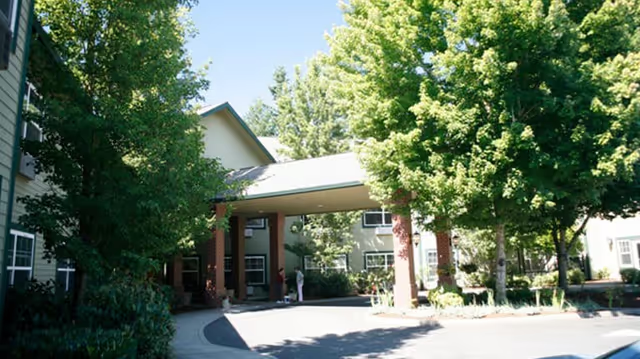
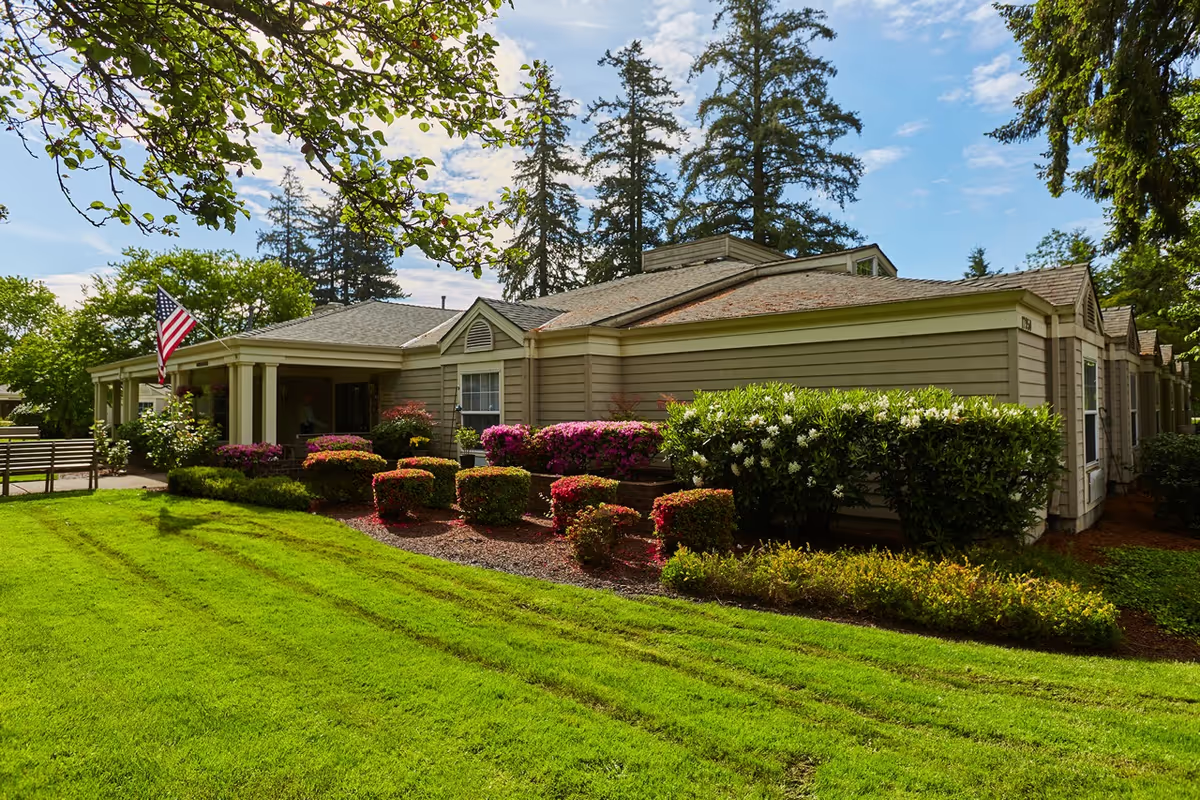
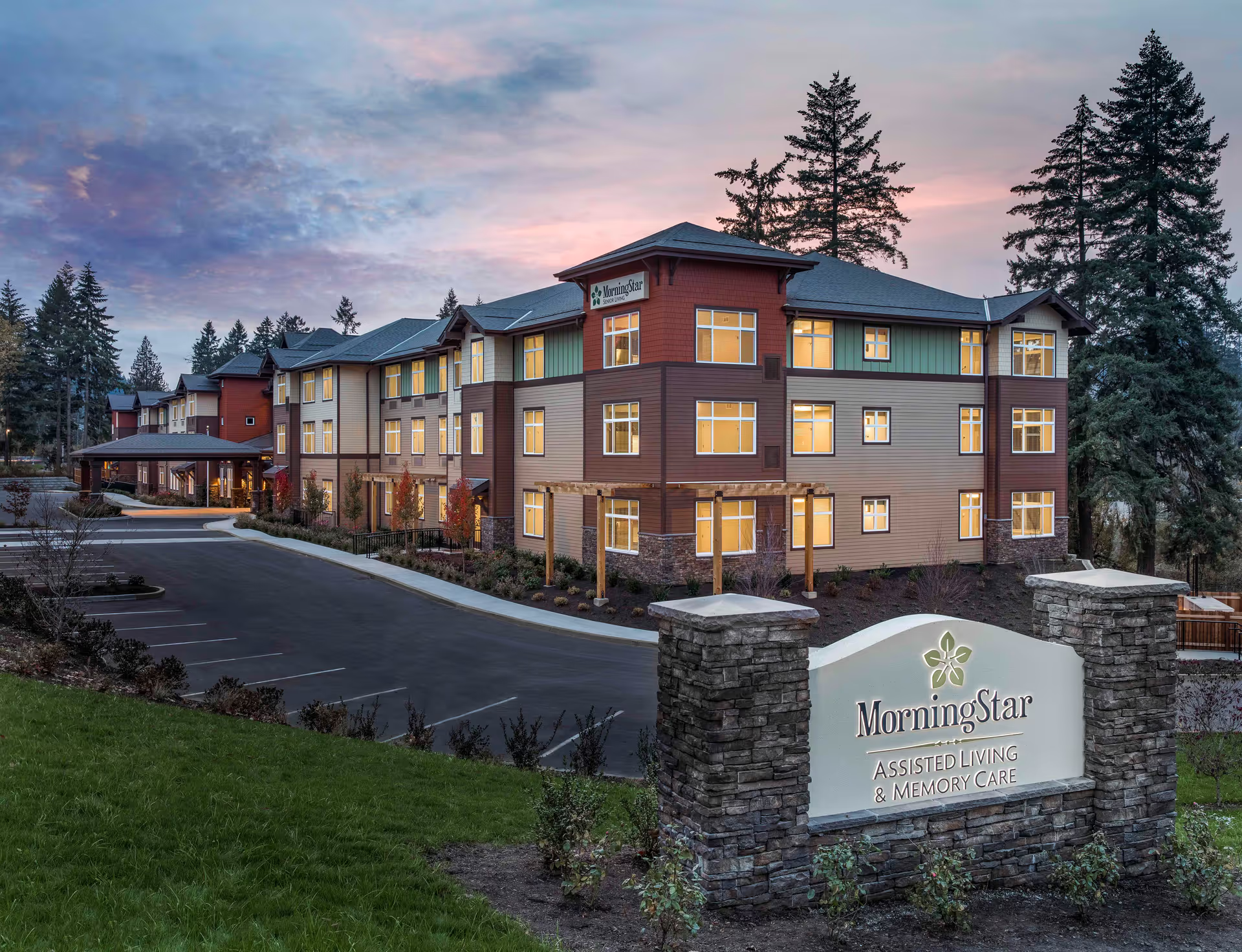
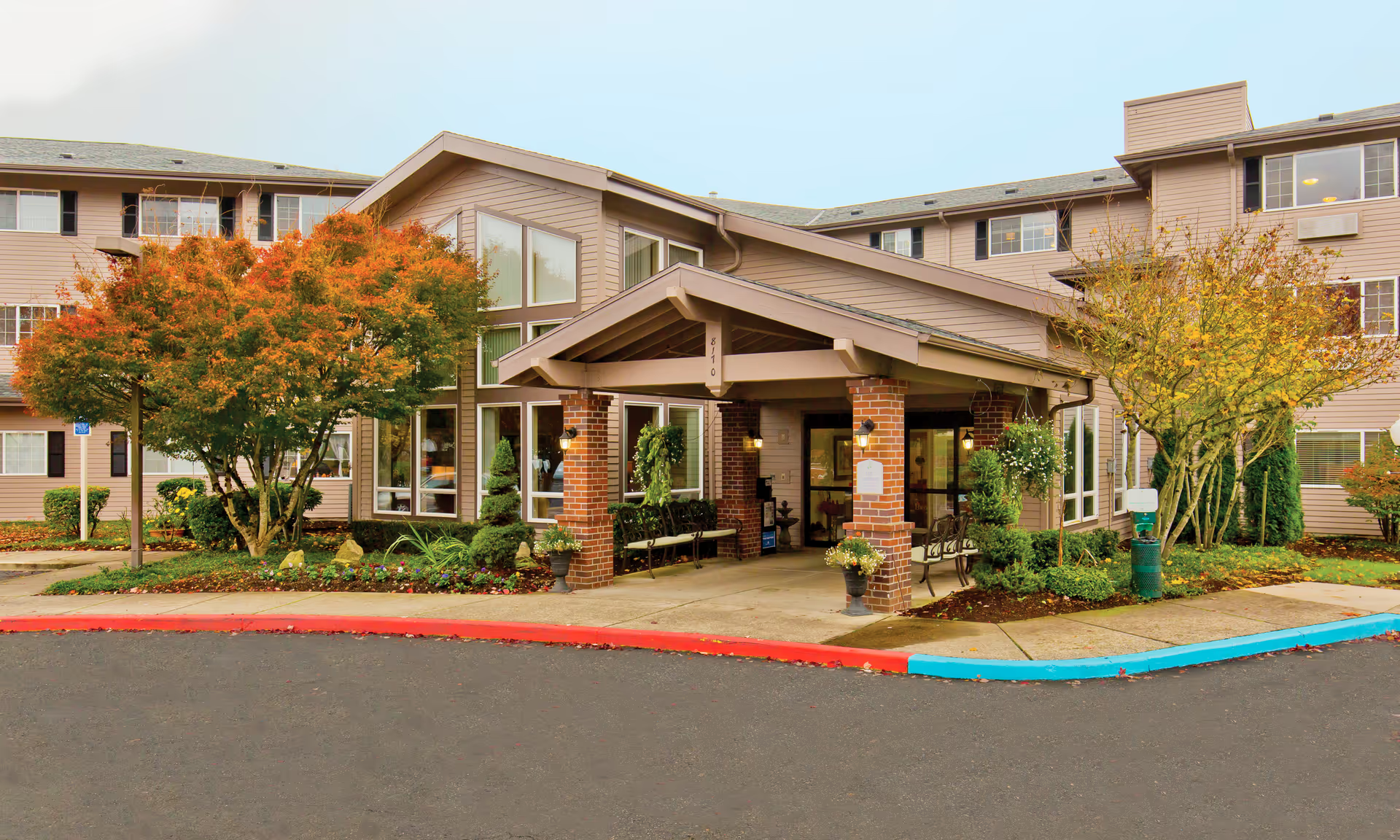
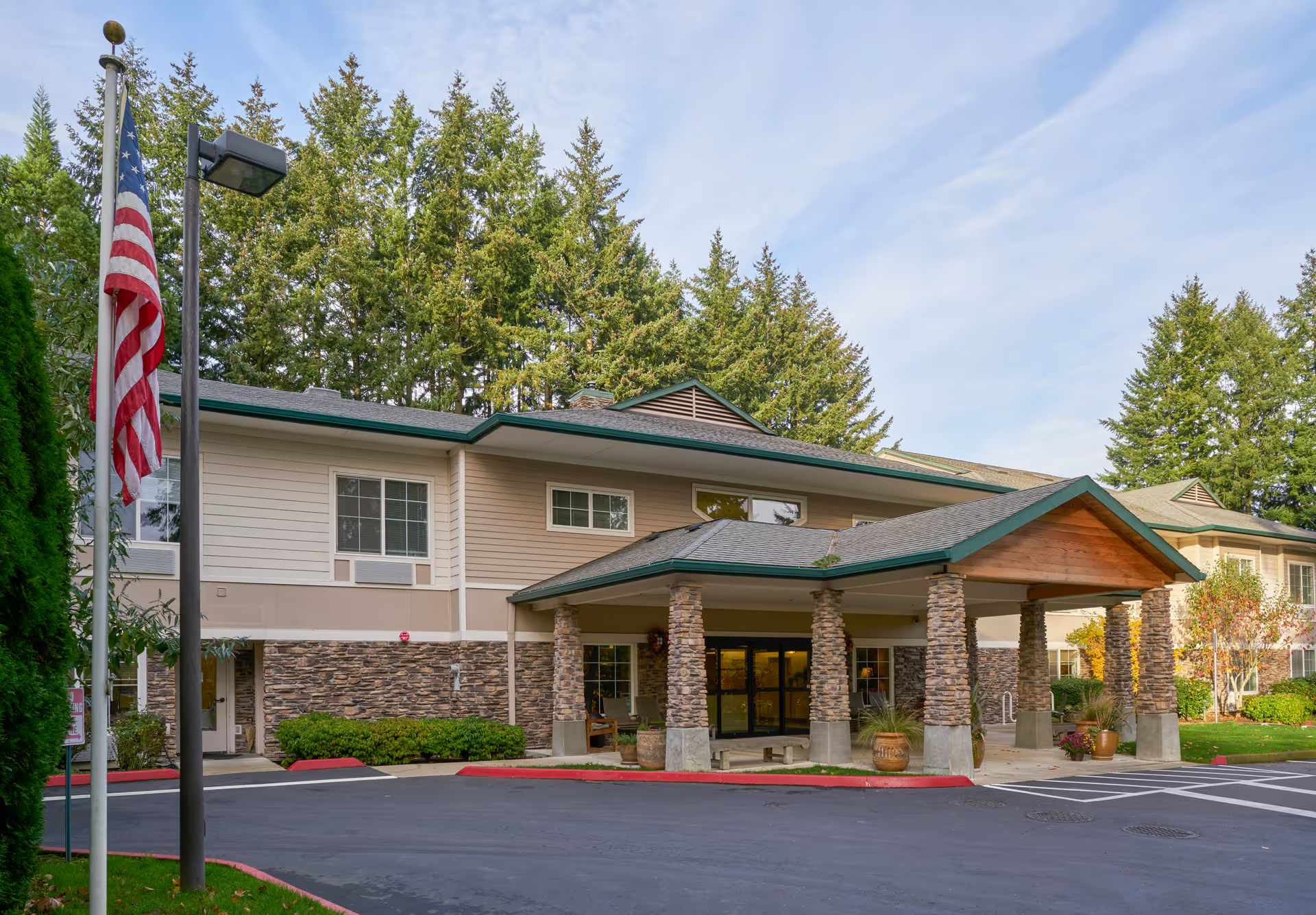
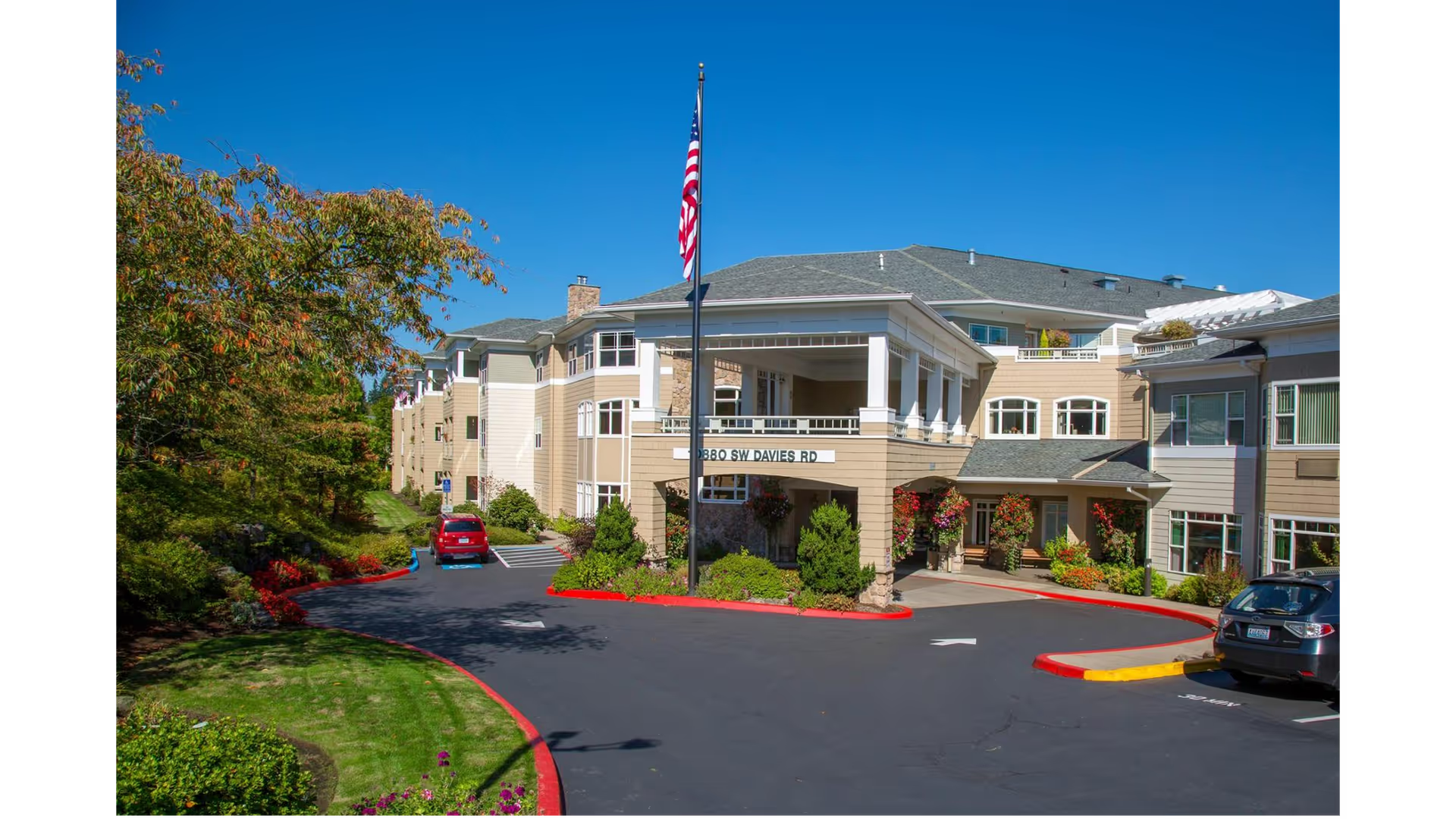
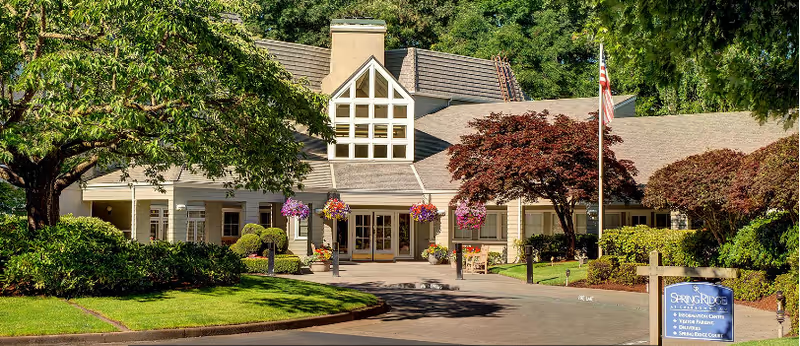
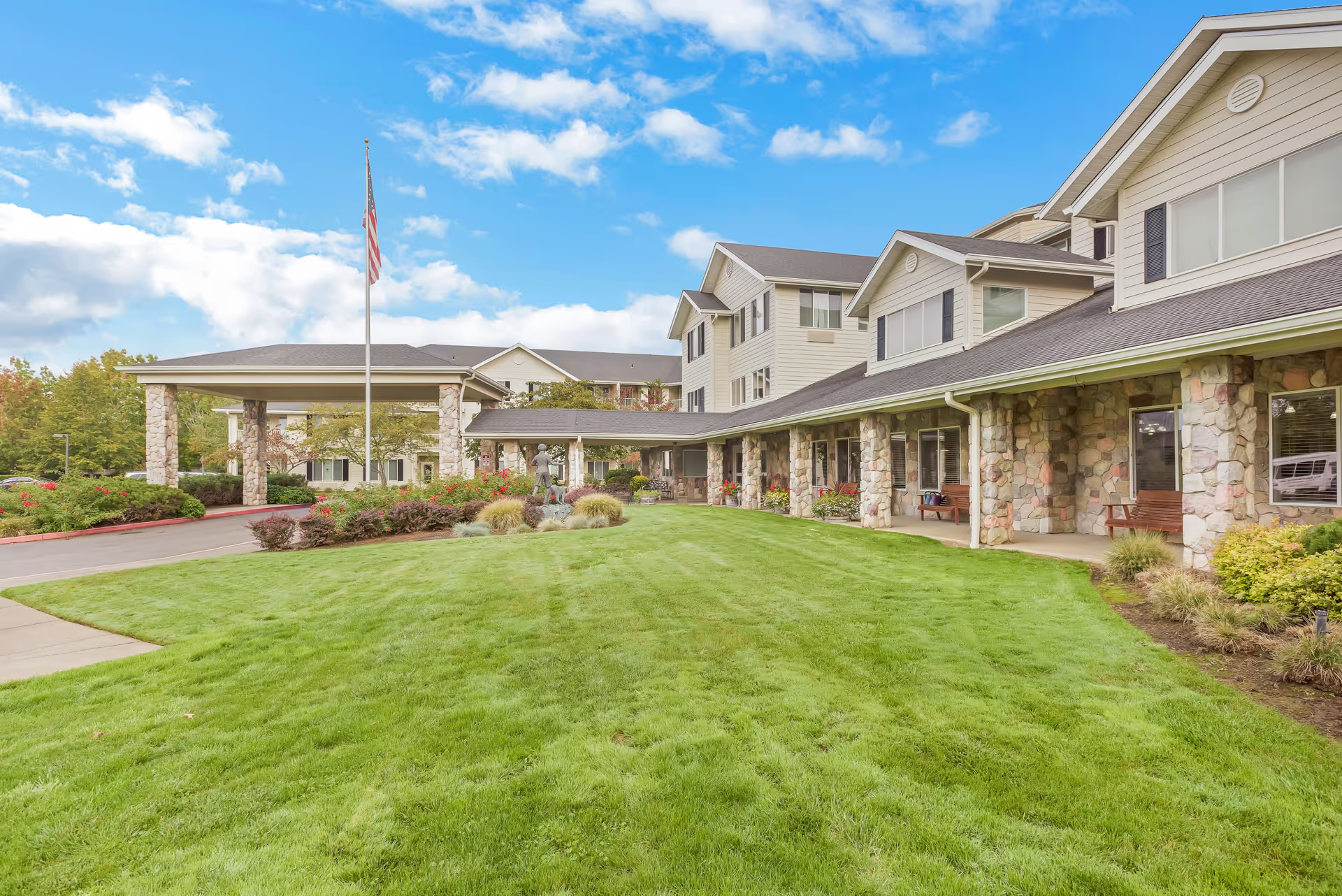
Facilities and amenities: The physical plant is generally described as clean, bright, and upscale, with comfortable, spacious apartments and amenities such as a gym and common recreational spaces. The walkable location supports independence and access to local amenities. Memory-care areas are available and staffed with activity instructors, though capacity constraints were noted at times.
Management and operational patterns: Management receives mixed feedback. Some families commend leadership, the facility’s philosophy, and effective problem resolution; others report frustration with operational policies and decision making. Specific operational themes include perceived inflexibility in contract and move‑out policies (including billing around short notice or end‑of‑life events), waitlist management and deposit risks, and concerns about pricing transparency. A small number of reviewers described serious clinical or administrative concerns; these comments point toward occasional gaps in clinical oversight and the importance of clarifying escalation and communication processes with leadership.
Notable patterns and considerations: The dominant pattern is a high level of resident satisfaction driven by caring staff, robust programming, and a pleasant facility. Counterbalancing that are recurring operational issues: staffing stability, food consistency, contract terms and waitlist practices, and periodic variability in clinical oversight. For prospective residents and families, recommended due diligence includes asking about current staffing ratios and turnover, sampling meals, reviewing contract terms (move‑out and billing policies), confirming memory‑care availability, and discussing how clinical incidents and family communications are handled.