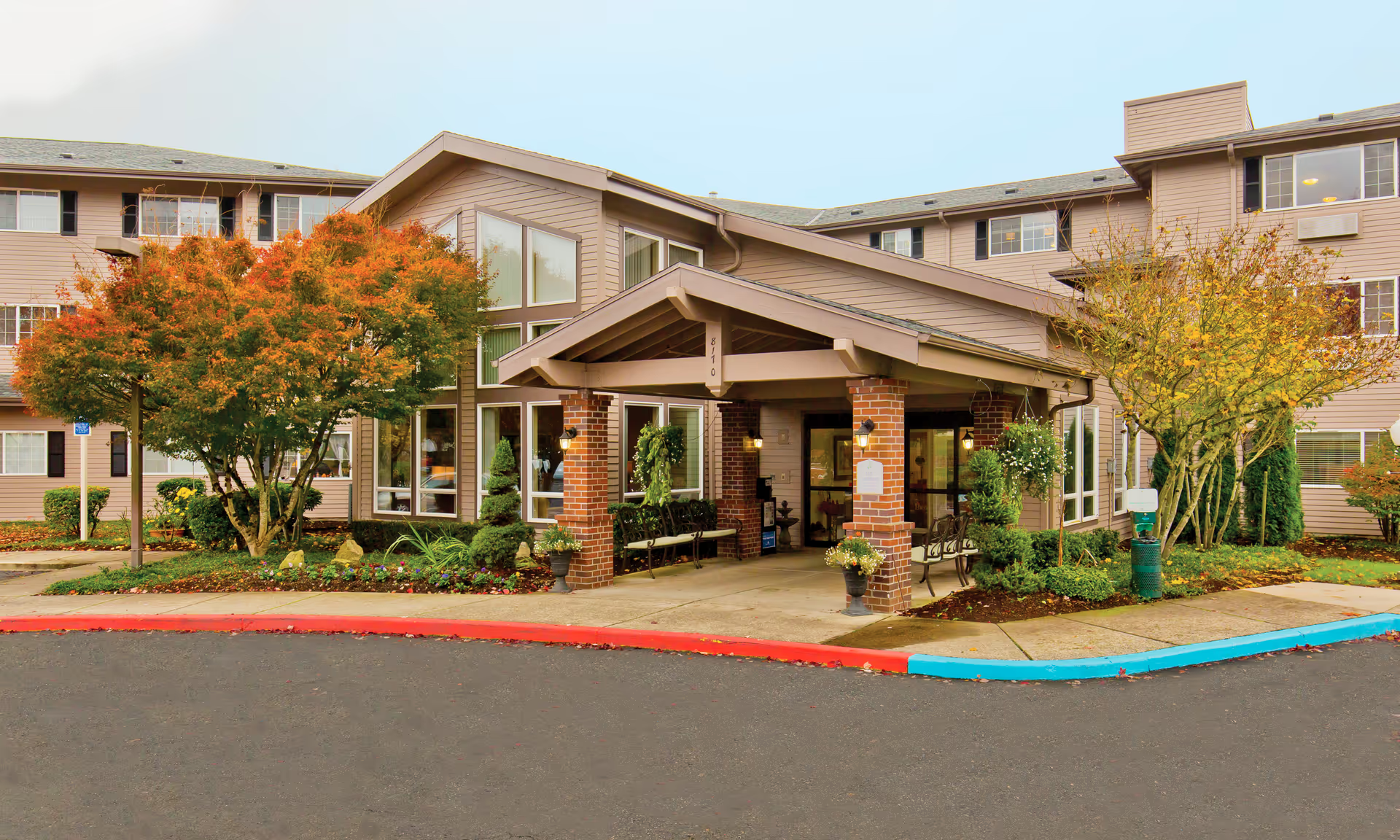
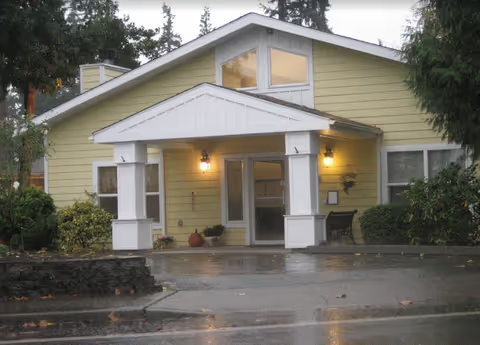
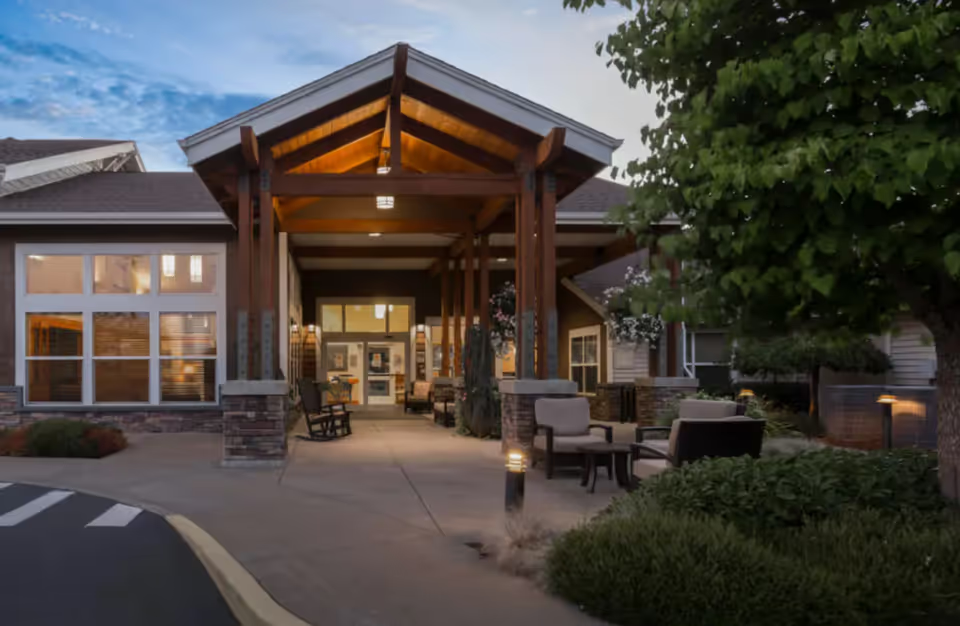
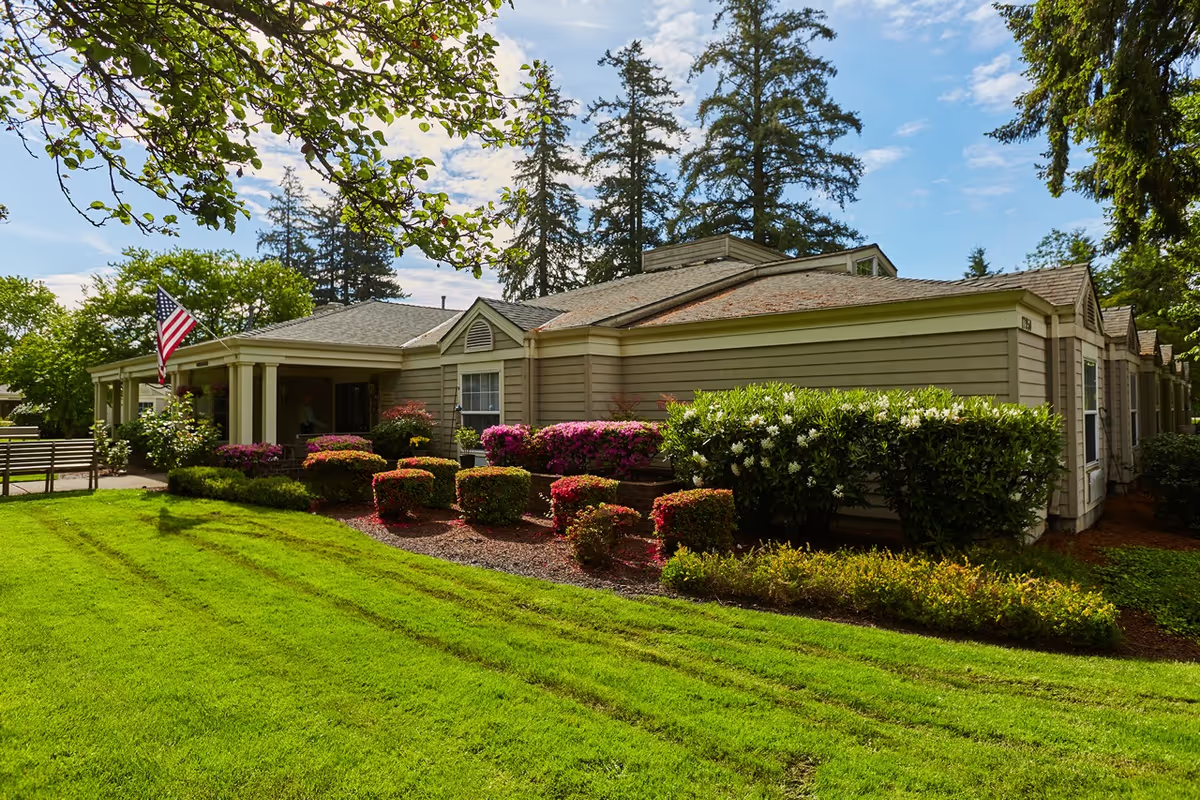
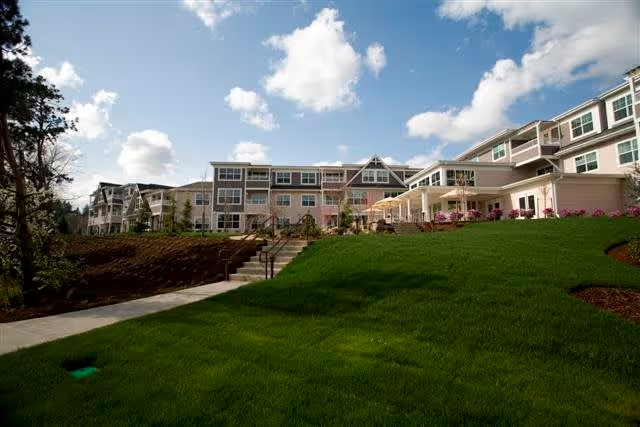
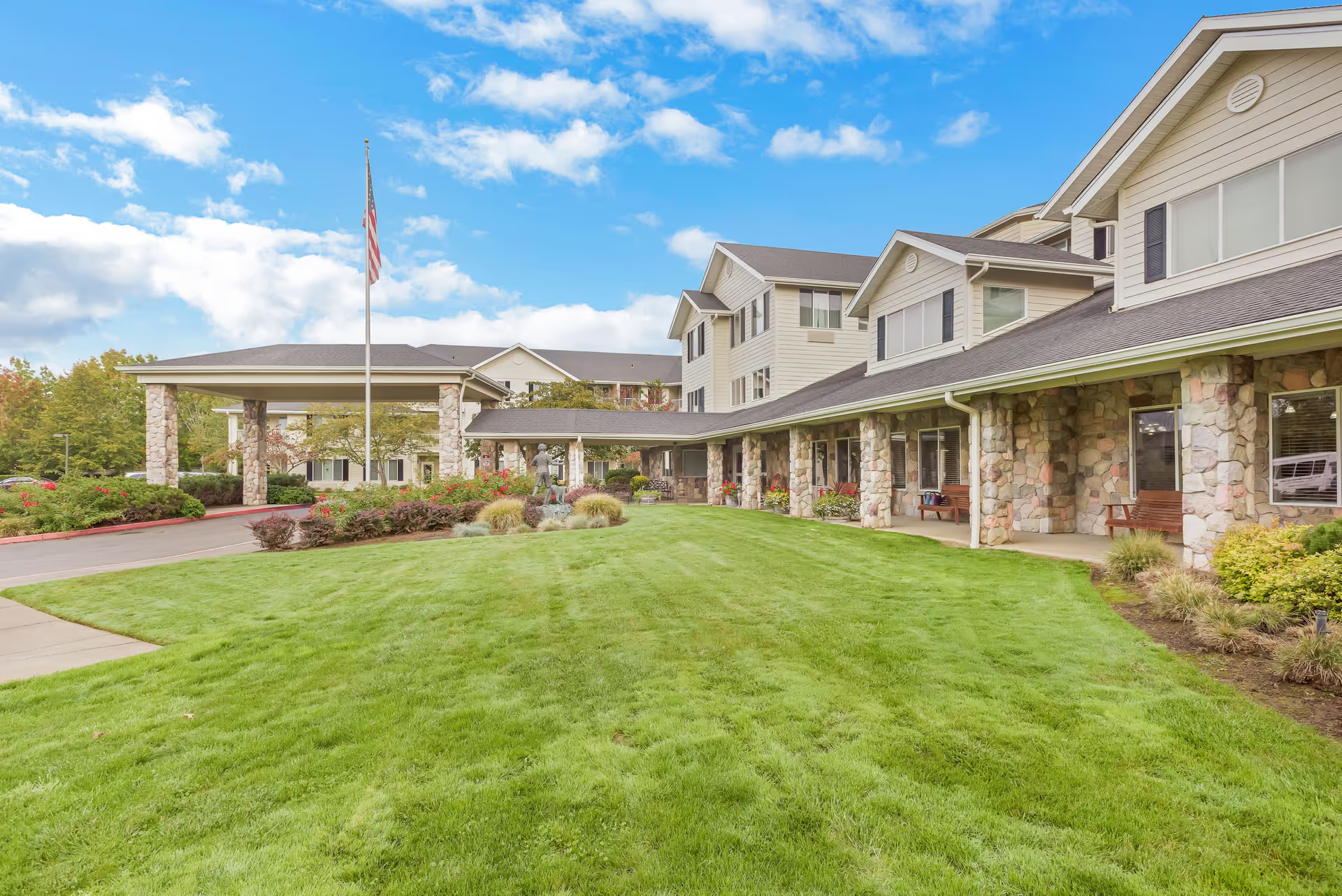
Spring Ridge Court Memory Care presents as a well-appointed, amenity-rich community with a largely positive character. The campus, grounds and common areas are consistently described as clean, bright and well maintained, and the property offers sizable apartment options (including roughly 1,200-square-foot units), in-unit kitchens and laundry in many units, and typical retirement-community services such as a salon, library, cafe and multiple dining venues. Residents and families frequently cite a welcoming, restaurant-style dining room, pleasant landscaping, and strong onsite maintenance and housekeeping.
Care quality and staff dynamics show a split pattern. There is a stable core of long-tenured, knowledgeable staff and several mentions of attentive, compassionate caregivers who provide high-touch daily support. At the same time, reviews identify recurring staffing challenges: understaffing on some shifts, regular turnover, and a steady influx of newly trained employees. Those operational pressures are associated with caregivers appearing rushed, variable levels of experience, and periodic delays in responsiveness to health-related issues. The facility is not set up as a skilled-nursing campus, and families should plan for the possibility that residents with escalating clinical needs may require relocation or external services.
Dining and food service attract mixed but specific feedback. Many reviewers praise the food and the dining experience, calling it above-average or exceptional; others describe a decline in menu execution, menu choices that lean toward bold or processed preparations, and service coordination problems (slow plating, timing issues, and avoidable waste). A common theme is that menu selection and portioning do not always align with the preferences and nutritional needs of older adults. Prospective residents should sample meals and ask about menu planning and accommodations for specific dietary needs.
Activities and social life are consistently strong. The community runs a broad calendar of events — music, concerts, fitness classes, field trips, games, and regular outings using the facility’s buses — and reviewers emphasize frequent programming, active resident engagement, and a lively social environment. Fitness amenities, including a saltwater pool used for classes, gym equipment and nearby golf/tennis access, support an active lifestyle for many residents.
Management and cost issues are notable considerations. Management (SRG) and marketing staff are frequently described as professional and proactive, and physical upkeep is a recurring positive. However, families also report rising fees, annual rent increases and extra charges tied to escalating care needs; some perceive a decline in included services as costs grow. Communication gaps after transitions, and occasional dismissive interactions, are cited as areas needing improvement. There is also a structural tension in the community’s identity: it operates as a neighborhood-based campus with both independent-living and memory-care elements, which can create ambiguity about care pathways and unit availability for residents whose needs increase.
Taken together, Spring Ridge Court is a high-amenity, well-maintained community with a strong activity program and core caregiving strengths. The main operational risks to evaluate during a tour are staffing levels and continuity, the facility’s capacity to manage higher-acuity clinical needs over time, transparency around fees and care-level charges, and current meal-service operations. Prospective residents and families should request recent staffing ratios, clarity on skilled-care arrangements or transfer policies, sample menus, and the latest fee schedules to determine fit and long-term value.