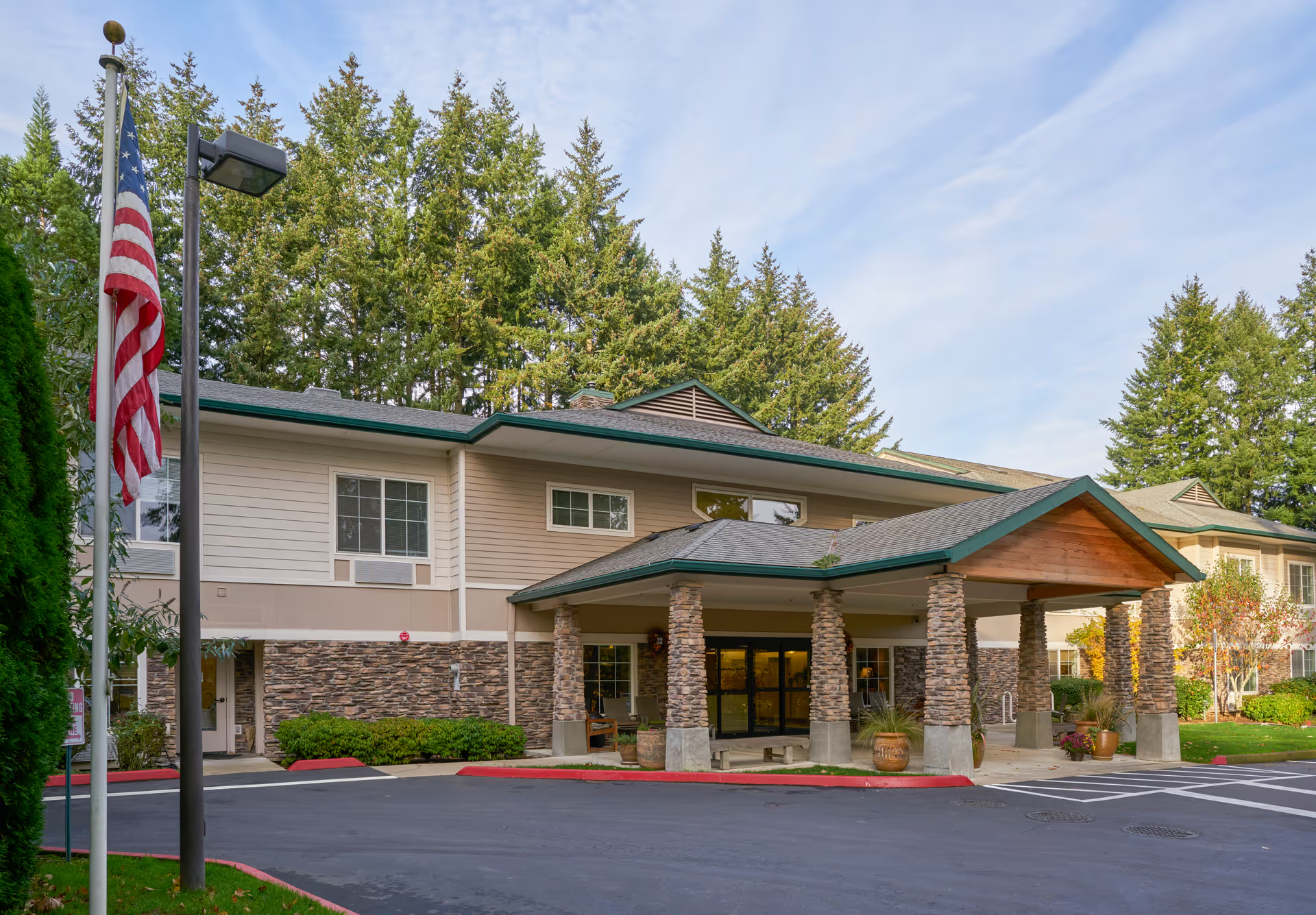
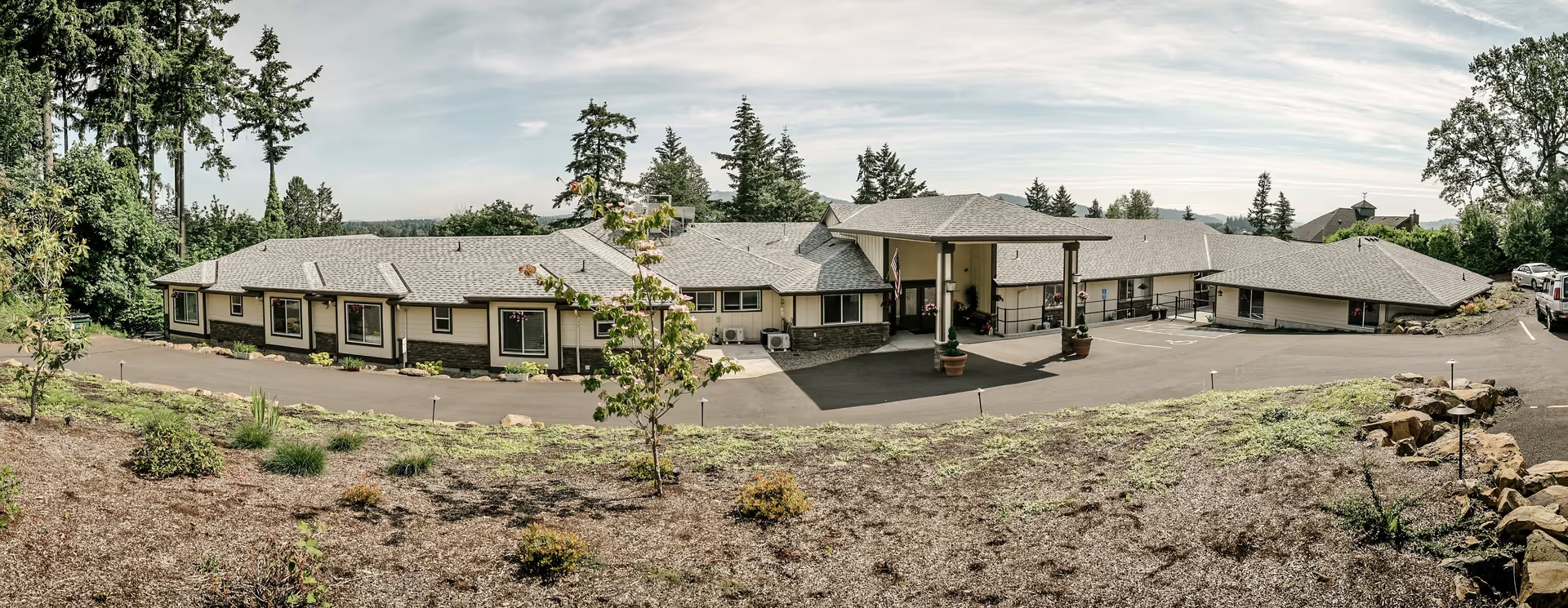
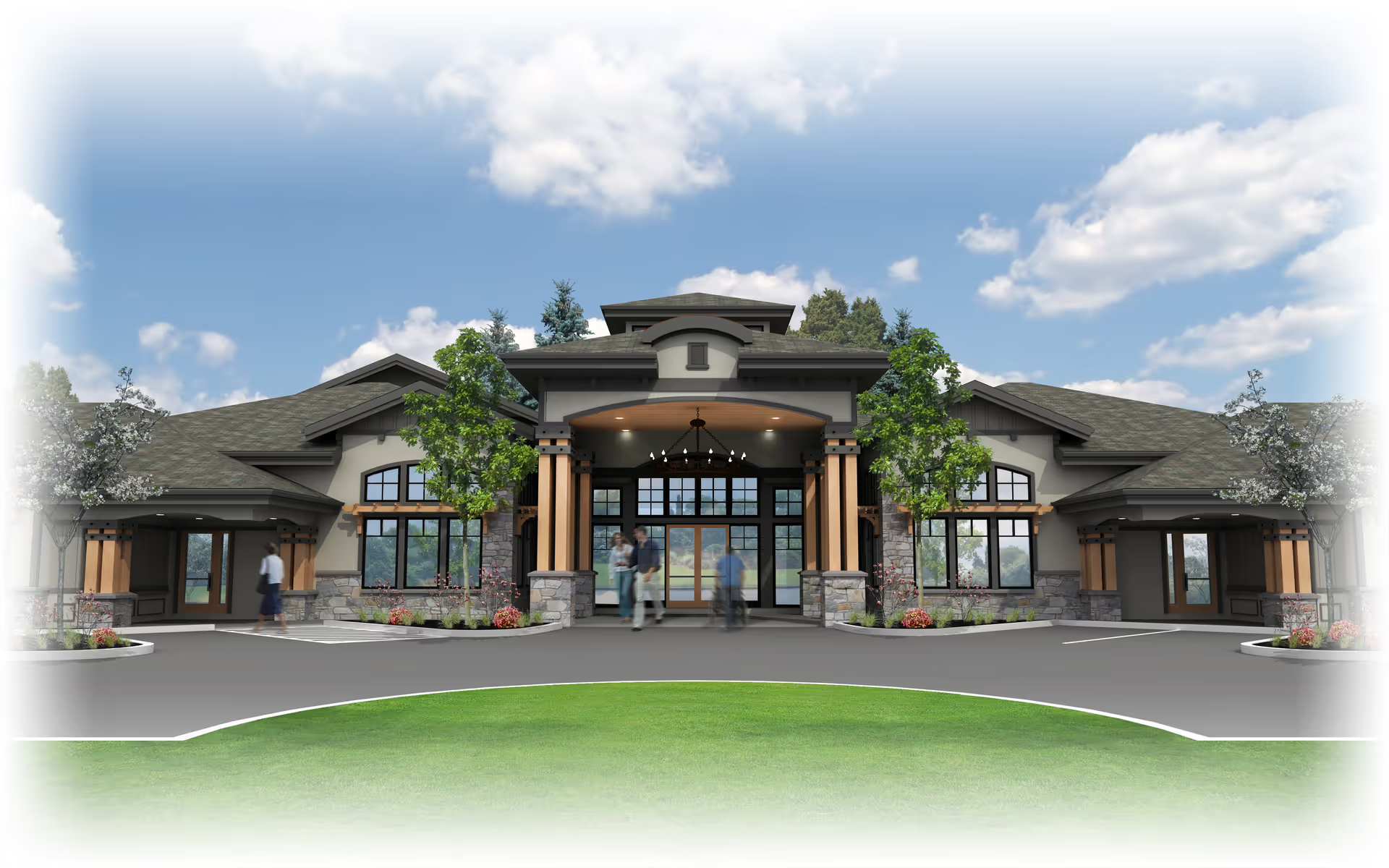
Overall impression: The Stafford Retirement Community is consistently described as an attractive, hotel-like boutique community with well-maintained grounds, thoughtful common spaces, and a broad set of on-site amenities. Reviewers highlight an engaging social environment, active programming, and a strong concierge/marketing presence that together create a lively community for residents who prioritize social activity and accessible services.
Care and staff: Staffing is frequently cited as a strength. Many families and residents describe staff as caring, attentive, and responsive, with long-tenured team members who support smooth transitions into assisted living. Onsite caretakers, coordinated medical teams, and the facility’s willingness to work with outside caregivers are positive indicators for continuity of care. That said, there are recurring concerns about variable management professionalism and uneven staff qualifications in some areas; this appears to be a separate operational issue rather than a universal description of frontline caregivers.
Dining: Dining is a prominent feature of the community. Numerous comments praise varied menus, freshly prepared meals, an onsite restaurant and bistro, and meal choices that support social dining. Conversely, there are repeated operational critiques: inconsistent food quality across meals, occasional overcooking or dryness, weekend dining closures, and lapses in meal-delivery service. Kitchen staffing and continuity of meal service are highlighted as operational pressure points. Families should plan to clarify meal allowances, charge policies, and after-hours options during the tour.
Activities and social life: The community offers a broad activities calendar—live music, weekly pianists, patio parties with bands, happy hour events, clubs (book clubs, card games), transportation for outings and appointments, and on-site services (salon, physical therapy). These offerings support a socially active resident population. A few reviewers noted difficulty integrating socially in certain circles or encountering cliquish attitudes; prospective residents who are sensitive about social fit may want to observe programming and social dynamics firsthand.
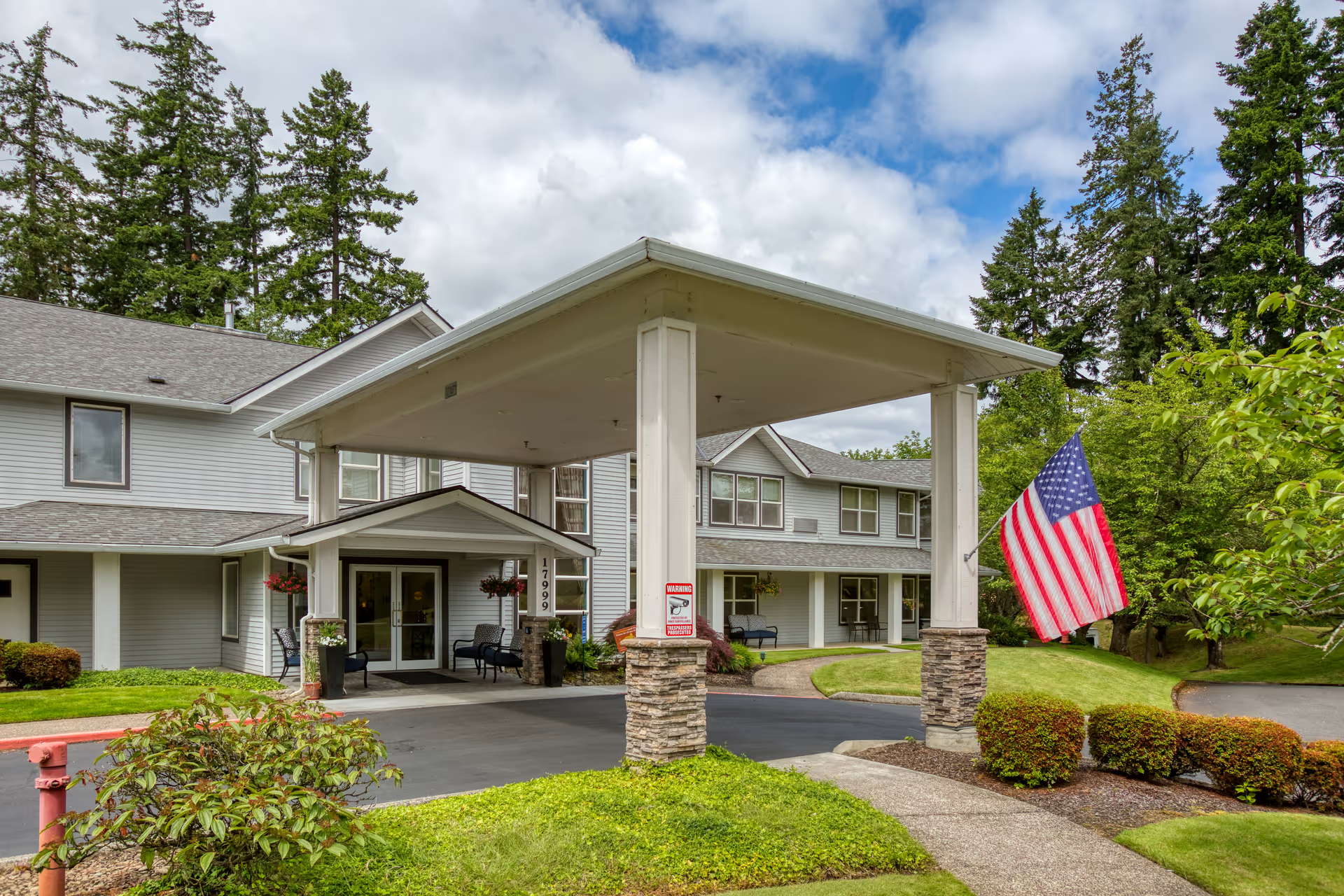
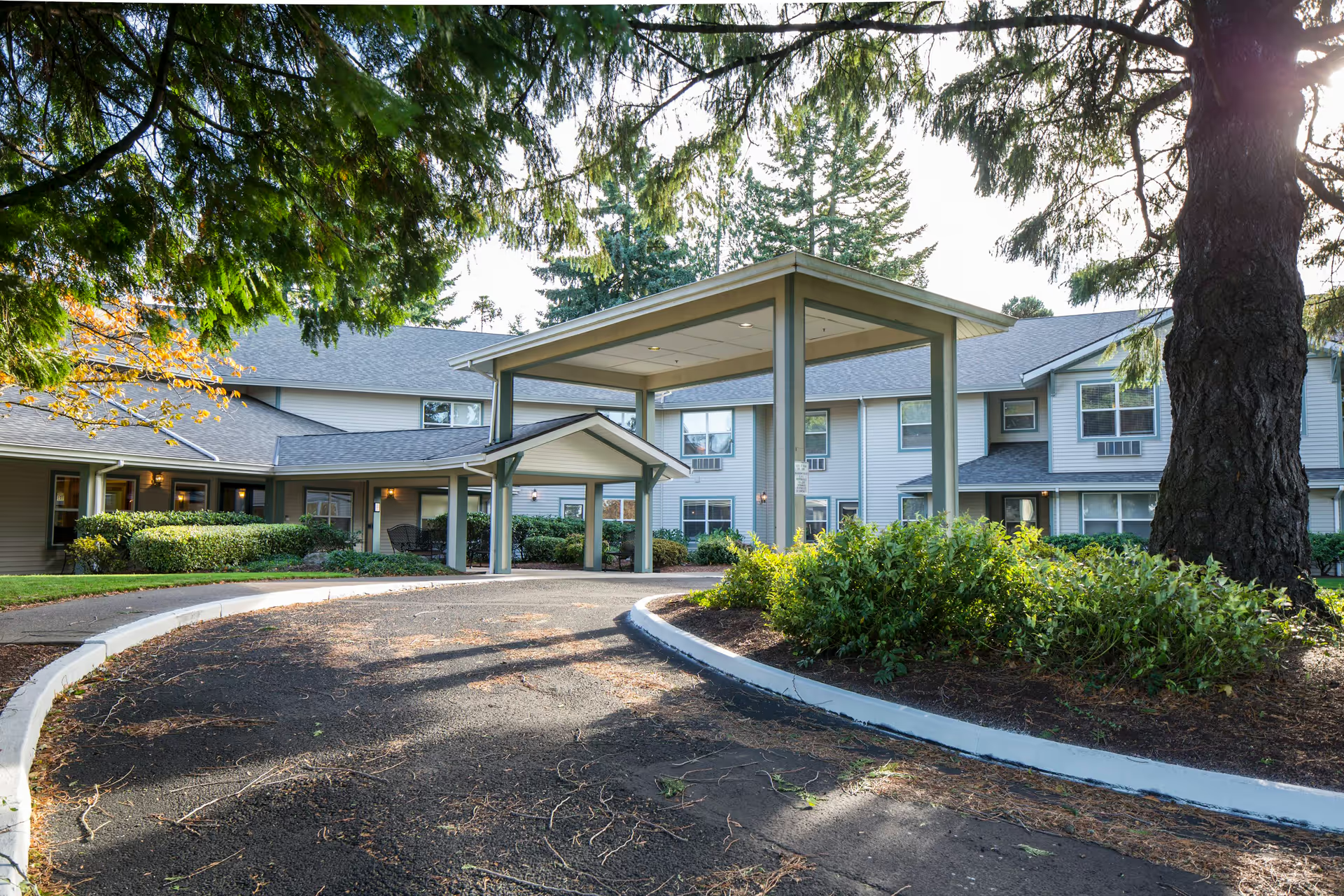
Facilities and amenities: Physical plant strengths include attractive common areas (noted lobbies and water features), well-kept grounds, on-site fitness and wellness spaces, and accessible apartment storage. Some units and the assisted-living neighborhoods are intentionally small and intimate, which is a benefit for those seeking a quieter setting but can feel restrictive to those desiring larger floorplans. Parking and building access were called out as occasional inconveniences.
Management and financial practices: Many operational aspects—concierge, tours, and admissions—are well organized, and the monthly-rent (no buy-in) model is a clear structural point. However, a notable pattern of concern surrounds pricing transparency, fee structures, and contracting. Serious allegations about nonrefundable deposits, billing practices, and contract clarity have been raised by families. These are substantive matters to address directly with leadership and in writing before committing to residency.
Notable patterns and recommendations: Prospective residents and families will likely appreciate the community’s strong social programming, onsite amenities, and attentive caregiving in many areas. At the same time, it is important to verify specifics around dining continuity, weekend meal availability, after-hours food access, apartment sizes, parking, and the facility’s contractual and billing procedures. If possible, request recent sample menus, staffing ratios for dining and caregiving, a copy of standard contracts and fee schedules, and speak with current residents about social fit to assess whether the community matches your priorities.