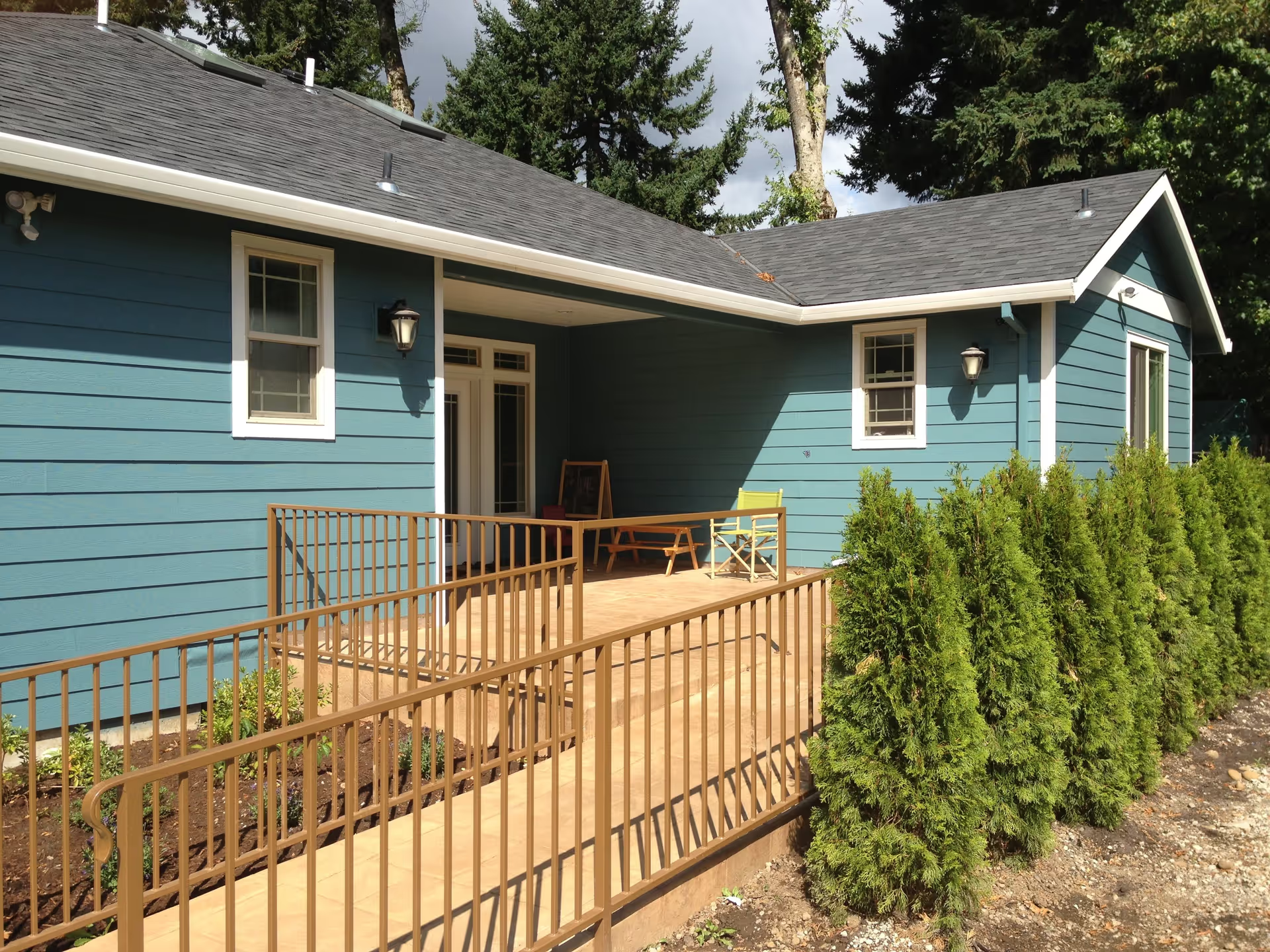
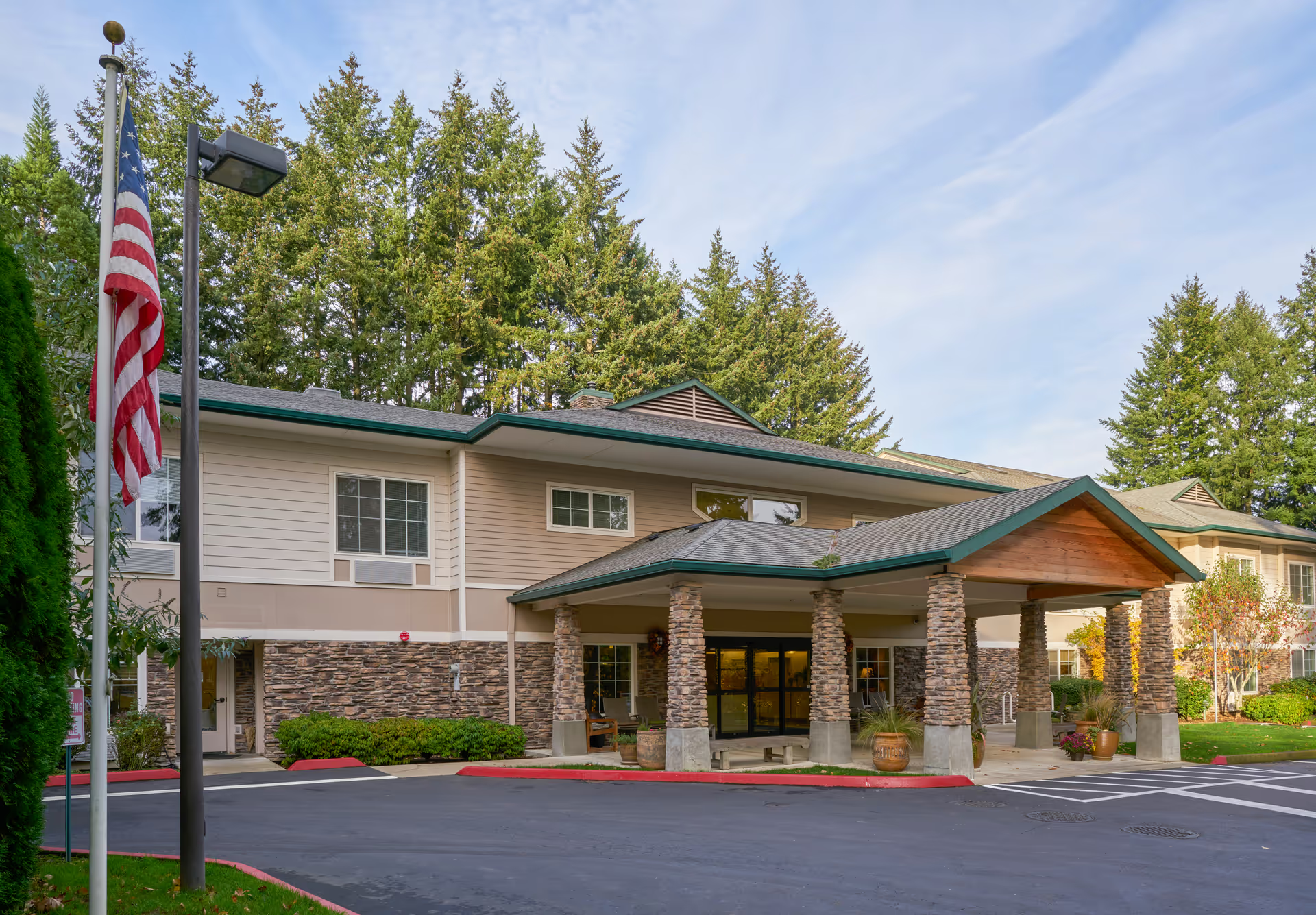
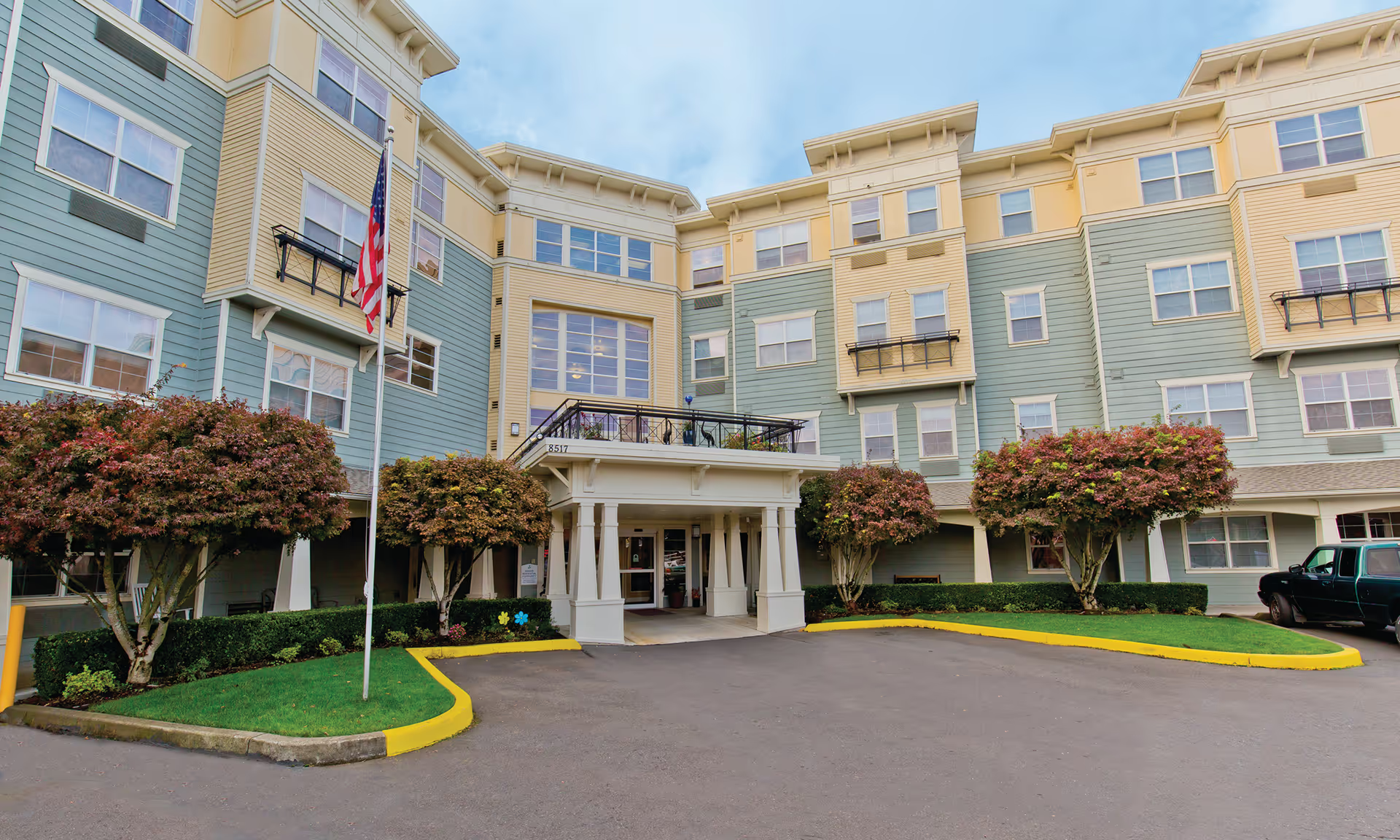
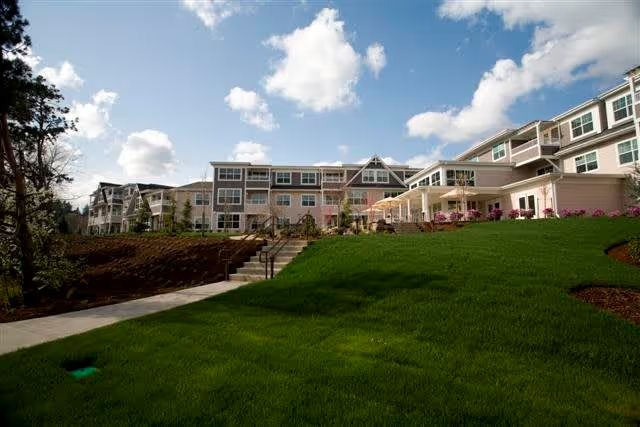
Markham House is consistently described as a small, boutique assisted‑living community with a strong emphasis on personalized, respectful care. Families commonly highlight compassionate, long‑tenured staff who know residents by name and who provide dementia‑aware behavior management. The community’s scale and home‑like common areas — bright rooms, porches, landscaped grounds and an outdoor walkway — support social connection and independence for residents who do well in a smaller setting.
Dining and activities are prominent strengths. Reviews emphasize made‑to‑order meals, accommodation of dietary needs (including gluten‑free options), and generally positive comments about food quality. The activity program appears broad and active: exercise classes, arts and crafts, live entertainment, intergenerational interactions and frequent social outings are noted as regular offerings that help residents remain engaged and connected.
Clinical care and family communication receive mixed but often favorable descriptions. Many families praise attentive caregiving, individualized attention, and supportive end‑of‑life care. At the same time, there are recurring operational concerns that prospective families should evaluate: staffing stability and continuity have been flagged as inconsistent, and some accounts describe lapses in medication delivery and clinical follow‑through. These issues suggest variability in clinical oversight and staffing levels that may affect residents with higher medical or supervision needs.
Facility operations and infrastructure show similar contrasts. The building and units are described as well maintained, bright and comfortable, with a range of studio and one‑bedroom sizes; however, availability of one‑bedroom units is limited. Multiple reviews point to the need for investment in emergency systems — notably backup power and elevator reliability — as outages have disrupted care and mobility. Other operational weaknesses cited include occasional inconsistency in housekeeping, uneven front‑desk professionalism, and gaps in wander‑prevention or exit‑security procedures.
Management and value perceptions vary. Some reviewers single out strong, caring leadership; others describe a decline in oversight over time, higher prices, and corporate decisions that appear to have reduced caregiving resources. Prospective residents and families should weigh the community’s evident strengths — personalized atmosphere, active programming, and attentive staff — against the facility‑level concerns above. Recommended due diligence includes asking about current staffing ratios and turnover, medication‑management protocols, emergency‑power and elevator redundancy, security measures for residents at risk of wandering, unit availability, and recent changes in pricing or management structure.