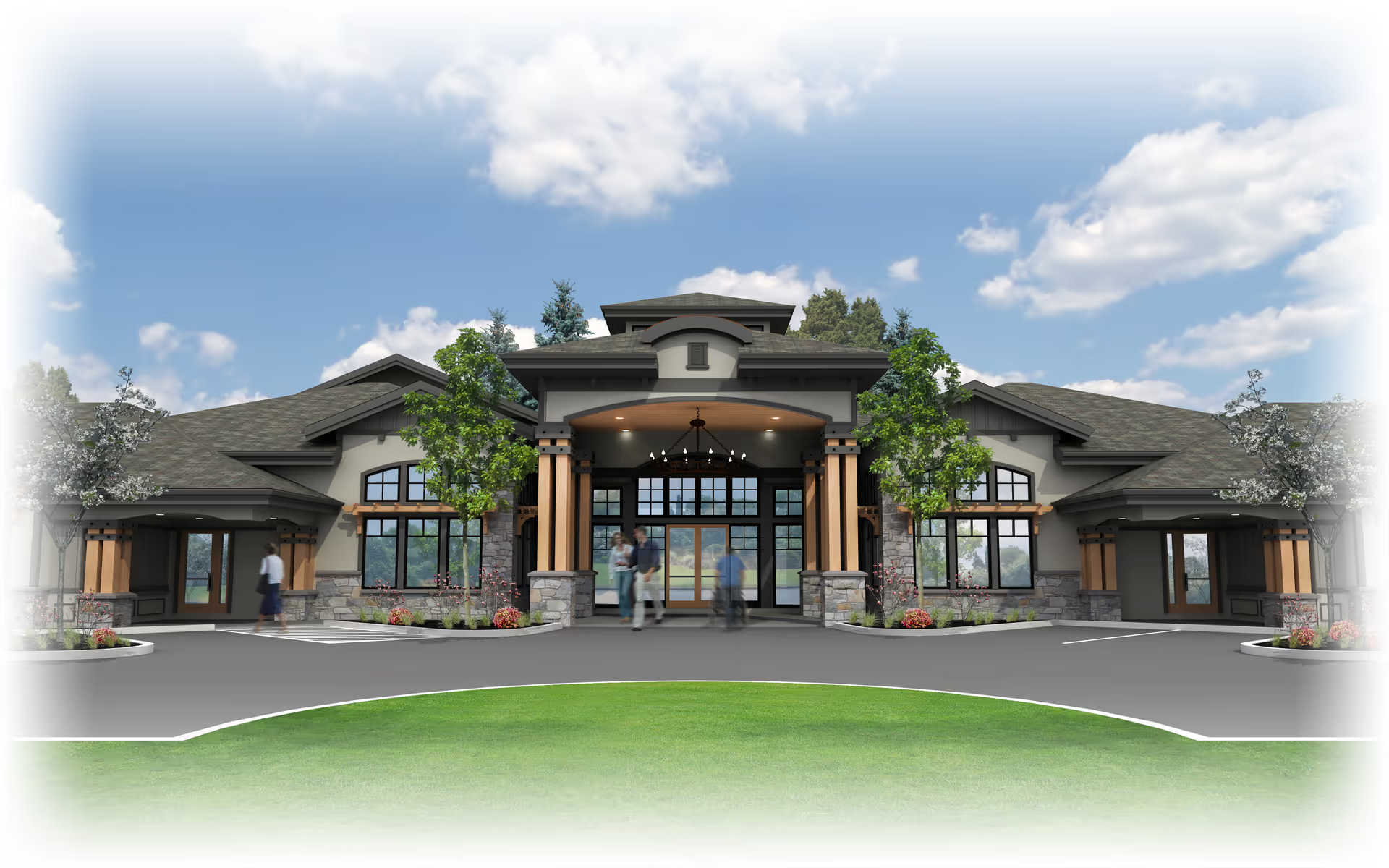
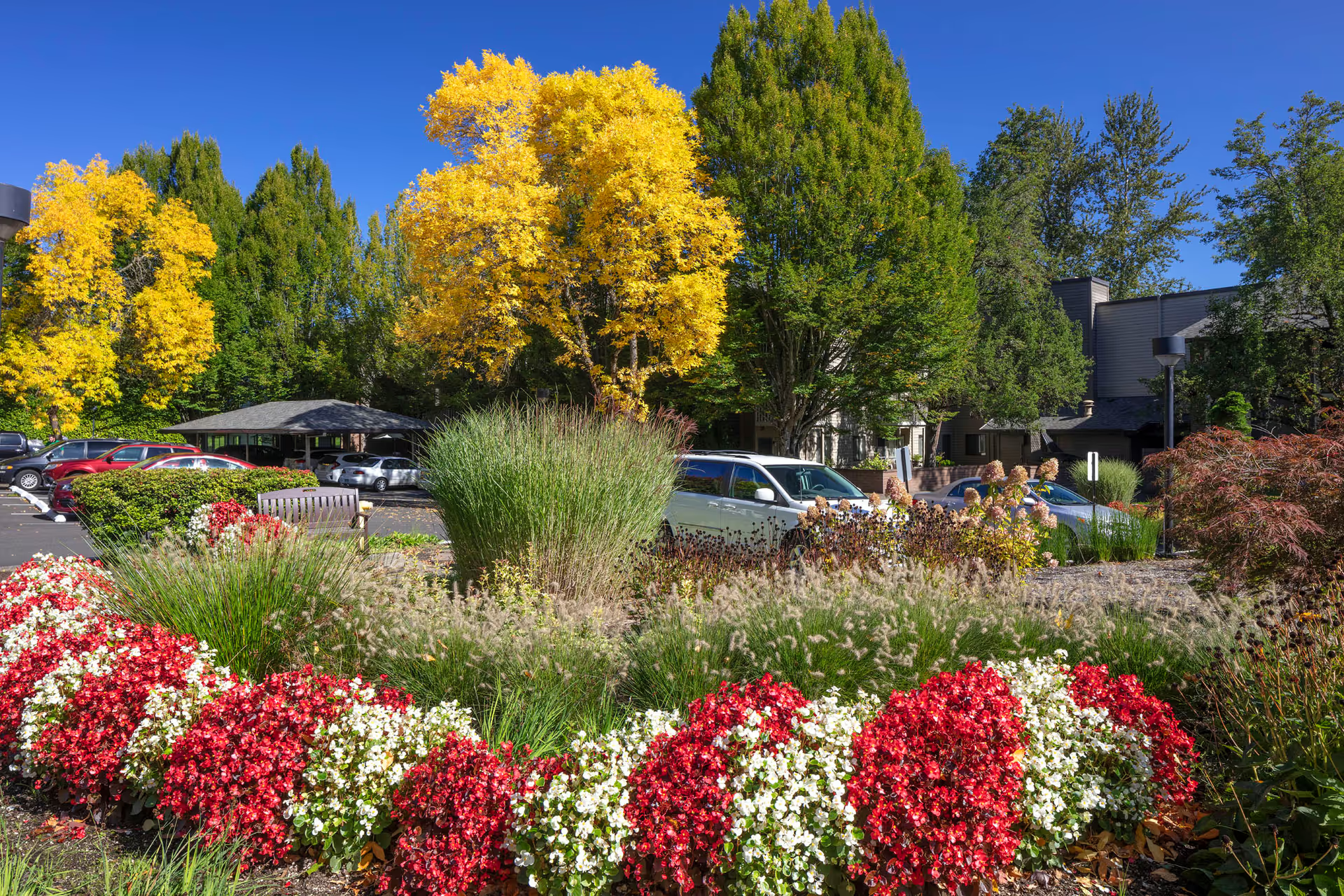
Overall impression The Rose Schnitzer Manor at Cedar Sinai Park presents as a well‑established, nonprofit senior living community with a strong Jewish cultural identity and cross‑faith inclusivity. Residents and families consistently highlight a clean, attractive campus, comfortable light‑filled apartments, well‑maintained outdoor spaces, and an elegant dining environment. Many reviews emphasize the facility’s robust arts, cultural and educational programming and a wide variety of exercise and wellness options that support engagement across ability levels.
Care and staff Care and daily support are frequently described as compassionate and competent. Long‑tenured management and many staff members with prolonged service contribute to continuity and institutional knowledge; families often report thorough, proactive clinical updates and peace of mind about safety. At the same time, the pattern of comments includes variability in front‑line staffing levels and clinical knowledge in certain shifts or roles, and some families described delays or gaps in responsiveness during transitions or appointments. There are isolated concerns about medication management and clinical communication; these appear not widespread but are notable enough that prospective families should ask for specific care coordination and medication‑review protocols during a tour.
Dining and nutrition Dining is a prominent feature of the community: chef‑prepared kosher meals, two dining rooms and a café are viewed positively, and many residents praise portion size and menu variety. However, recurring operational concerns include repetitive menu cycles, inconsistent vegetable preparation, long meal waits or rigid meal windows, and limited tailoring for residents with chewing or texture‑modified diet needs. Reviewers also observed frequent large portions that contribute to food waste. Prospective residents and families may want to review sample menus, meal‑accommodation policies (e.g., pureed or mechanically altered diets), and the facility’s approach to portion control and meal timing.
Activities and social life Programming is a clear strength. The community offers concerts, choirs, lectures, writing groups, university‑style programs, art rooms, scrabble with an expert player, and a variety of exercise classes—yielding a busy calendar and many avenues for social connection. Active resident councils and frequent cultural events support camaraderie; social dining experiences were often singled out as places where residents form friendships. Suggestions from families include more intentional rituals to integrate non‑Jewish residents into holiday programming and using background music or resident‑story sharing to enhance dining and communal spaces.
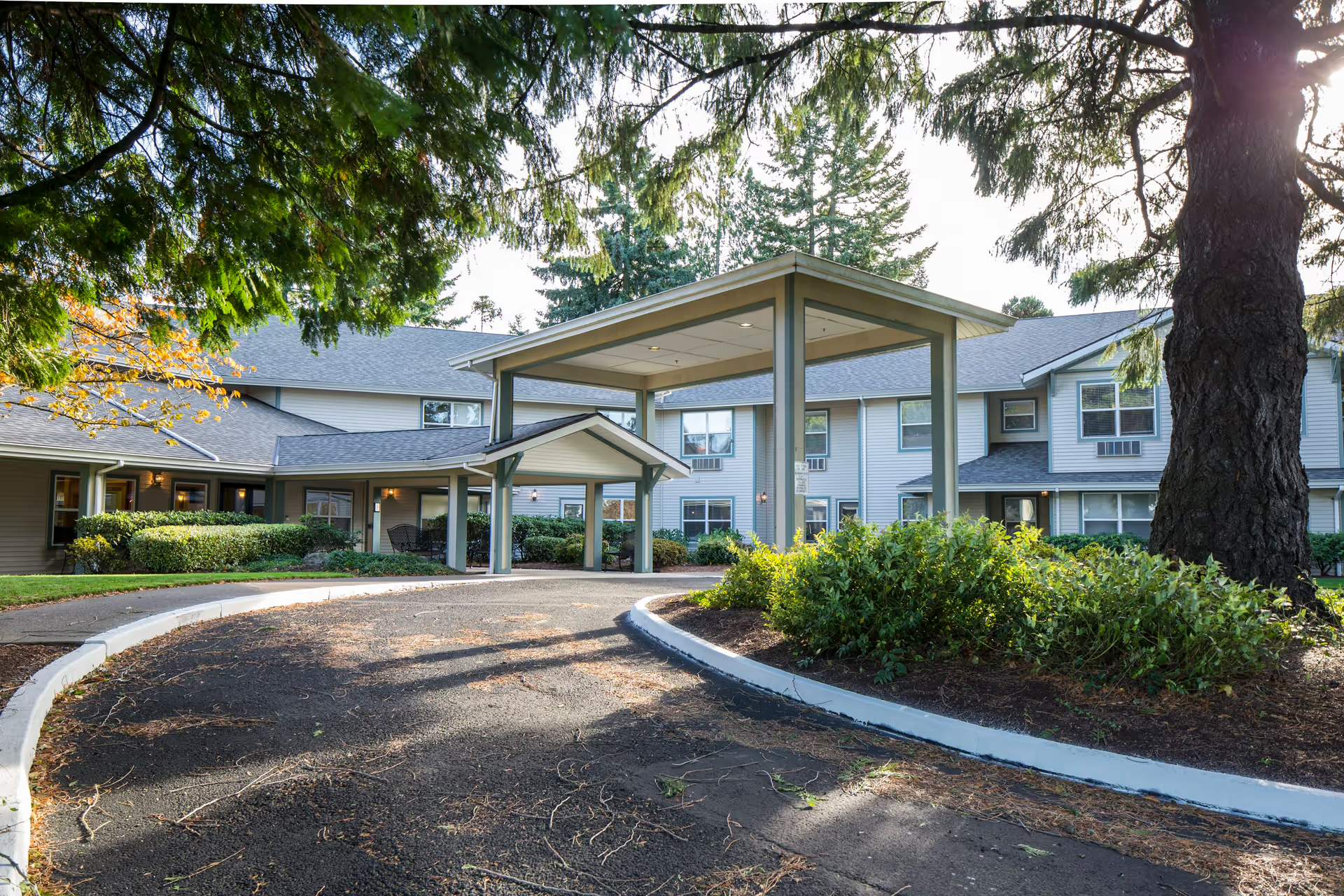
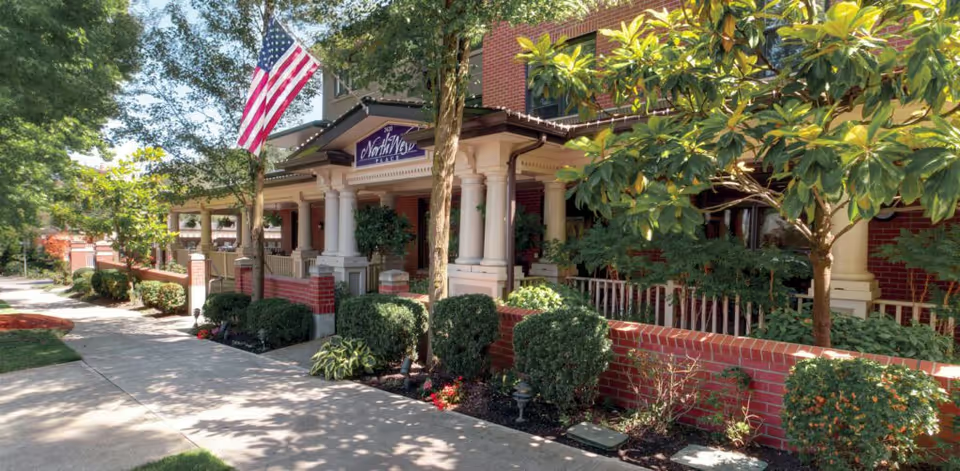
Facilities and accessibility The facility’s physical plant is described as elegant and well cared for, with accessible outdoor trails, tented patios, and ample parking. It is also the only Jewish facility in the state for some reviewers, which is an important distinguishing factor. There are references to older building areas that are slated for remodeling and some concerns about transport coordination and wheelchair‑accessible logistics. Prospective residents should confirm the timeline for renovations and assess specific accessibility arrangements for appointments and off‑campus transport.
Management, cost, and policies Management is generally characterized as responsive and apologetic when issues arise; an endowment fund and day‑care options provide additional financial and service flexibility. At the same time, the community is described as relatively expensive, with limited acceptance of Medicaid and potential extra charges, which raises affordability concerns for some families. Screening processes can feel thorough to the point of intimidating for prospective residents, and visiting‑hour restrictions or safety‑first policies were noted as limiting flexibility for families and resident independence. Families should review admission criteria, visitation rules, and the facility’s philosophy regarding independence versus safety.
Notable patterns and decision points for families In summary, Rose Schnitzer Manor offers a strong blend of clinical oversight, an active program of arts and wellness, tasteful facilities, and a culturally cohesive community. The most consistent areas for further inquiry are dining operations (menu variety, portioning, and diet accommodations), staffing consistency and clinical‑communication protocols, cost and payor‑acceptance details, and transport/accessibility arrangements. Prospective residents and families will benefit from targeted questions during a visit: ask to see current menus, sample a meal, review staffing ratios and medication‑review processes, clarify visiting and outing policies, and tour both renovated and pre‑renovation areas to align expectations with needs and preferences.