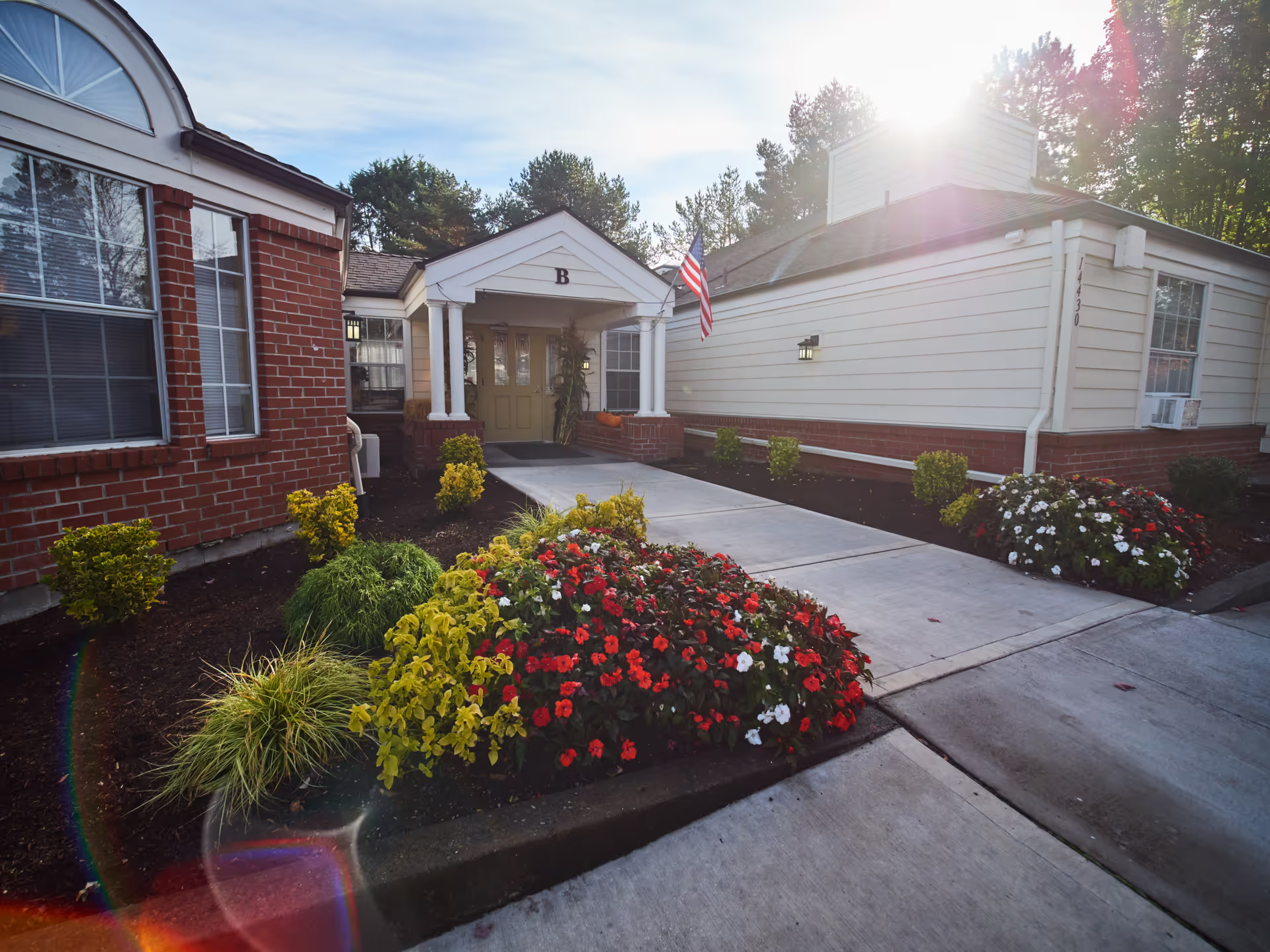
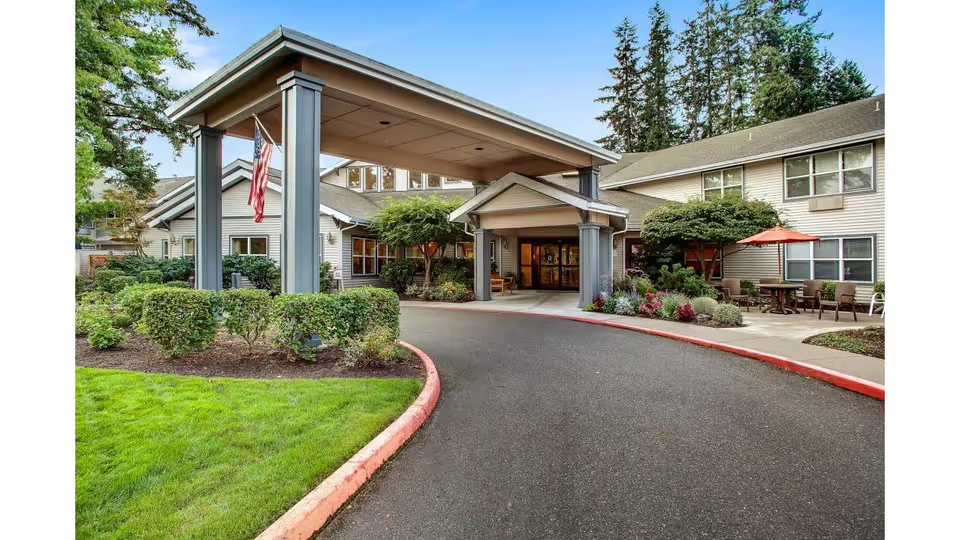
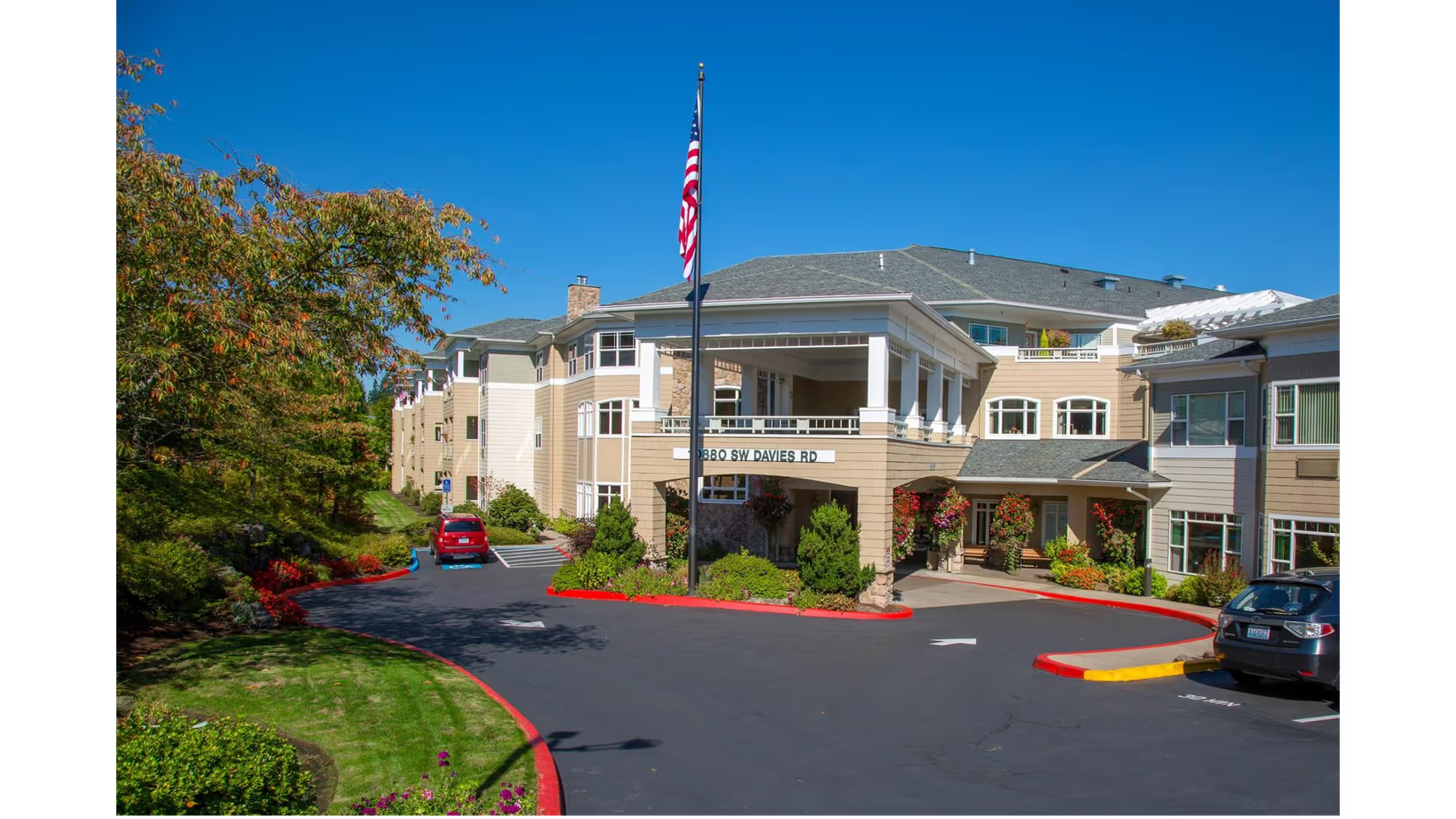
Overall impression: Creekside Village presents as a socially active, well‑kept independent living community with a strong emphasis on food, activities, and a homelike campus. Reviewers consistently highlight the grounds, resident social life, and a caring front‑line staff. Many families and residents described easy social integration, an arts-forward program, and regular outings that support an engaged independent‑living lifestyle.
Care and staff: Staff are the most frequently praised element. Reviewers cite attentive, personable, and long‑tenured team members across dining, housekeeping, maintenance, and front‑desk roles. Multiple staff members (named in reviews) received specific praise for responsiveness and personalized attention. At the same time, there are recurring operational concerns about staffing coverage outside of standard hours and variability in responsiveness during staffing transitions or off‑shift periods. Several comments indicate a desire for clearer after‑hours staffing and more consistent emergency‑on‑site coverage.
Dining: Dining and culinary leadership are widely described as strengths — generous portions, varied menus, and engaged kitchen staff are common positives. The community offers buffet/cafeteria‑style service and multiple communal dining options, and leftovers and beverages are routinely available. However, the meal program and billing can be inconsistent: meal inclusion (which meals are covered by rent), meal‑ticket rules, and changes to schedule (for example, breakfast inclusion or timing) are sources of confusion. Some reviewers noted declines in meal quality at times (reheated items, heavier/high‑sodium selections) and limited accommodations for dietary restrictions such as lactose intolerance.
Activities and social life: Creekside’s programming is broad and active: arts studios and a resident gallery, organized fitness (Tai Chi, exercise room), games (poker, bridge, bingo), theater events, weekly movies, and regular field trips. This variety supports a strong social environment and many residents report feeling socially satisfied. Limitations appear when activities require mobility or stairs; accessibility of outings and some campus pathways was identified as an operational constraint for residents with mobility aids.
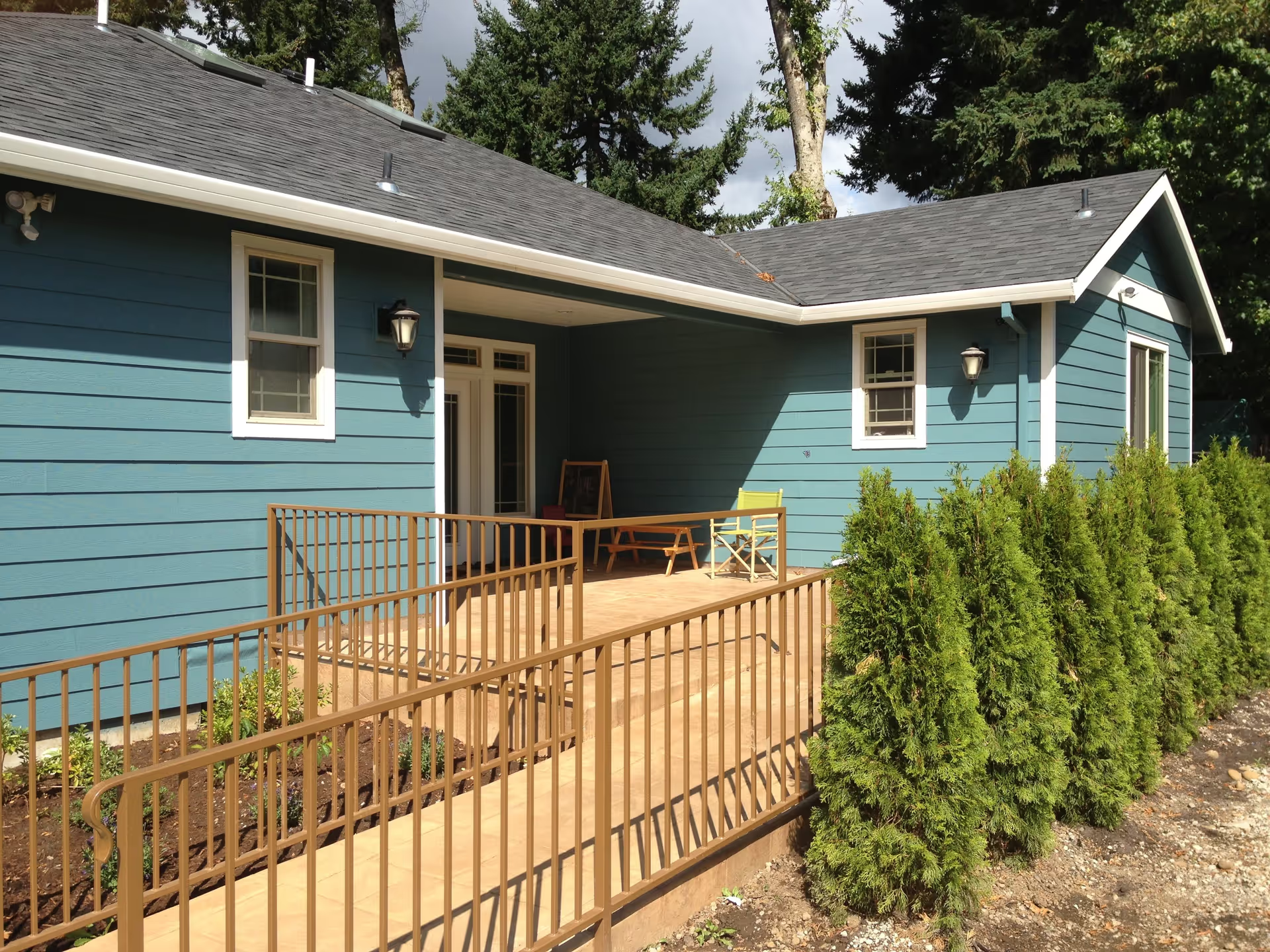
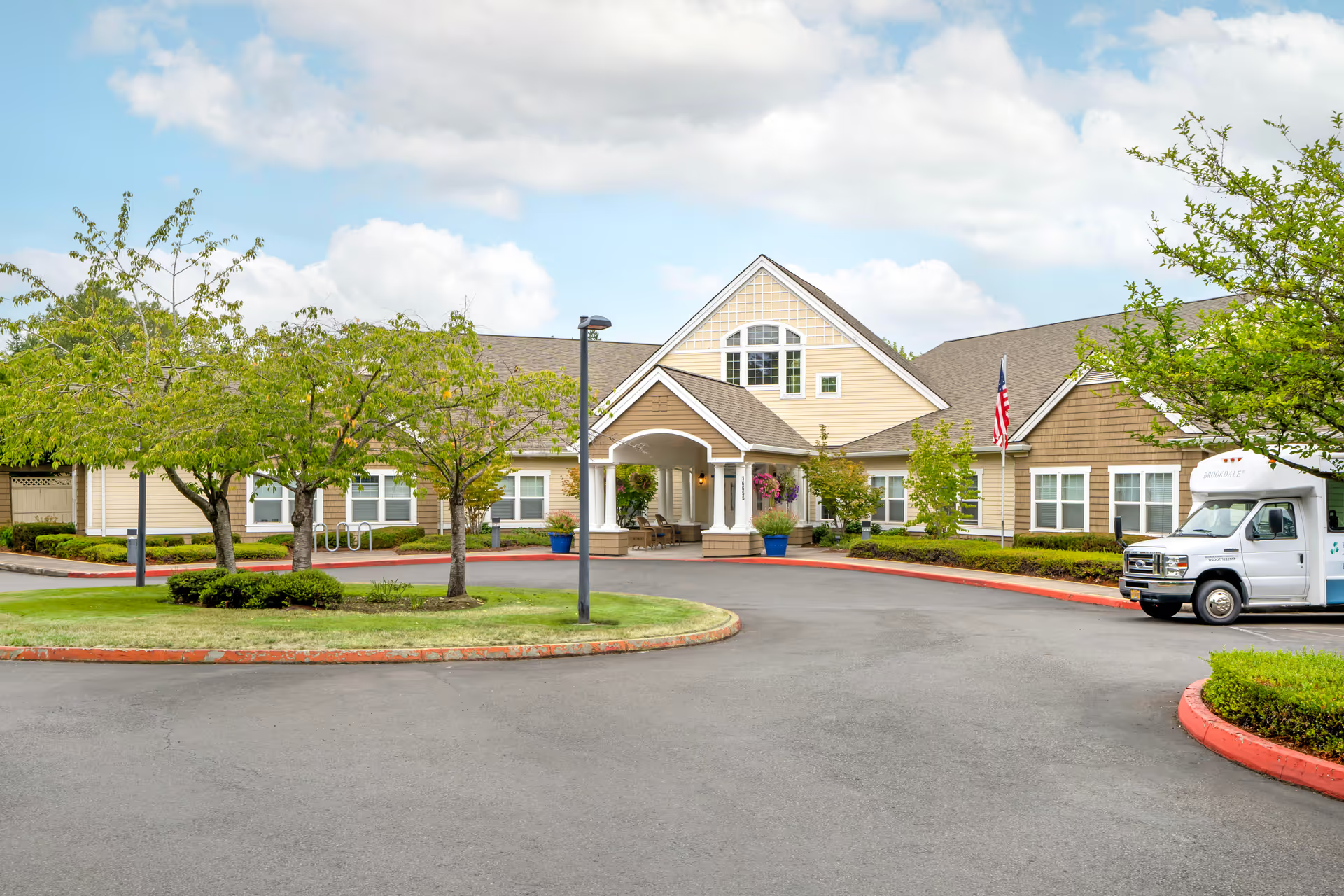
Facilities and maintenance: The campus and landscaping receive consistently positive remarks — attractive, peaceful grounds with water features and wildlife. Interior cleanliness and prompt maintenance are also commonly praised. Conversely, the physical plant shows signs of aging in places: lower ceilings in older wings, baseboard electric heating, and some unit‑level wear (cupboards, closet tracks, tired rooms). Reviewers also raised practical infrastructure concerns, notably the absence of a backup generator and the implications for elevator access and resident safety during power outages.
Management and policies: Leasing and frontline staff are often described as personable and helpful during tours and move‑ins. Nonetheless, reviewers raised concerns about management consistency on pricing, billing, and move‑out procedures. There are statements alleging mishandled move‑outs and missing belongings; such claims were sufficiently serious that families expressed dissatisfaction with management response. Price increases and occasional changes to services (for example, meal schedules or staffing patterns) were also noted as pain points. Transportation is provided but on a limited schedule, which families found inconvenient for some needs.
Patterns and practical takeaways: The dominant pattern is positive community life supported by strong kitchen and maintenance teams, attractive grounds, and a rich activity calendar. Key operational weaknesses to weigh are staffing coverage and emergency preparedness, clarity and consistency around meal policies and billing, accessibility limitations for mobility‑impaired residents (both on campus and for outings), and management consistency around move‑in/move‑out processes. Prospective residents and families should verify current staffing hours, emergency protocols and backup power plans, clarify which meals are included in rent and how dietary needs are accommodated, and confirm transportation frequency and accessibility before committing.
In summary, Creekside Village is frequently described as a warm, activity‑rich independent living community with notable strengths in food service, maintenance, and social programming. Those strengths are tempered by operational issues that primarily affect safety, accessibility, and policy transparency; prospective residents should investigate those areas directly during tours and reference agreements for meal and utility arrangements.