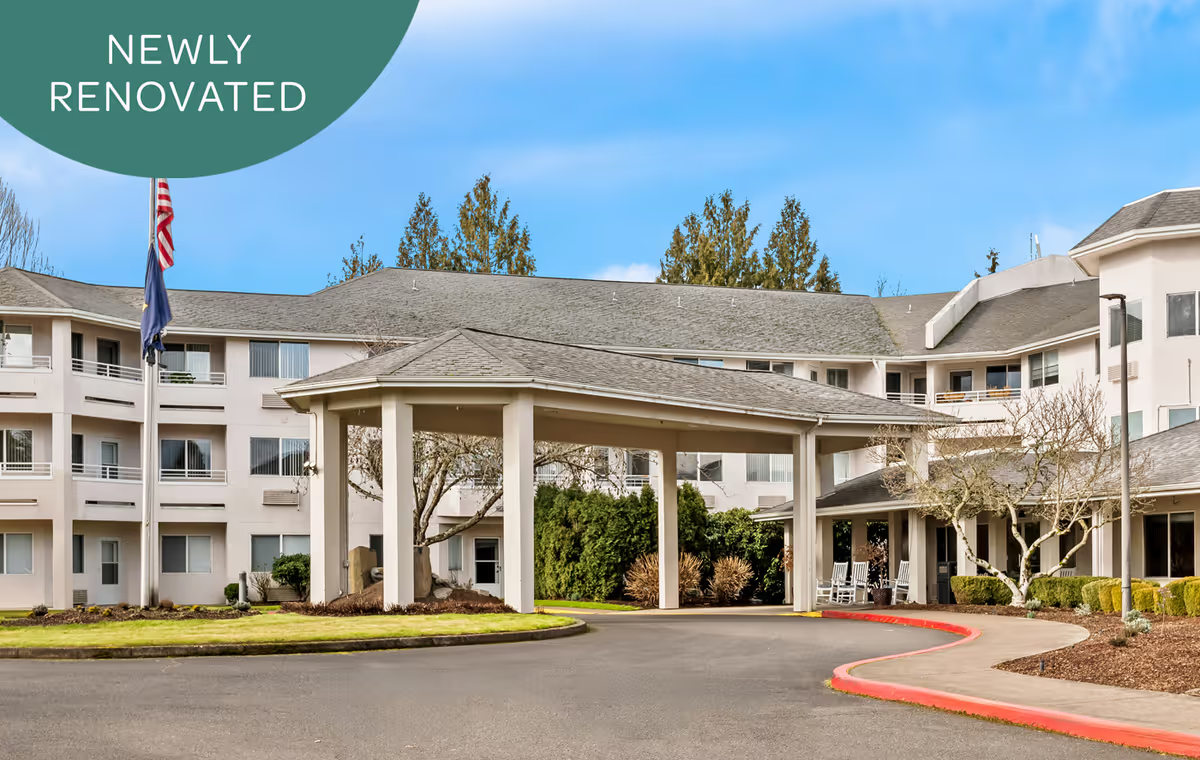
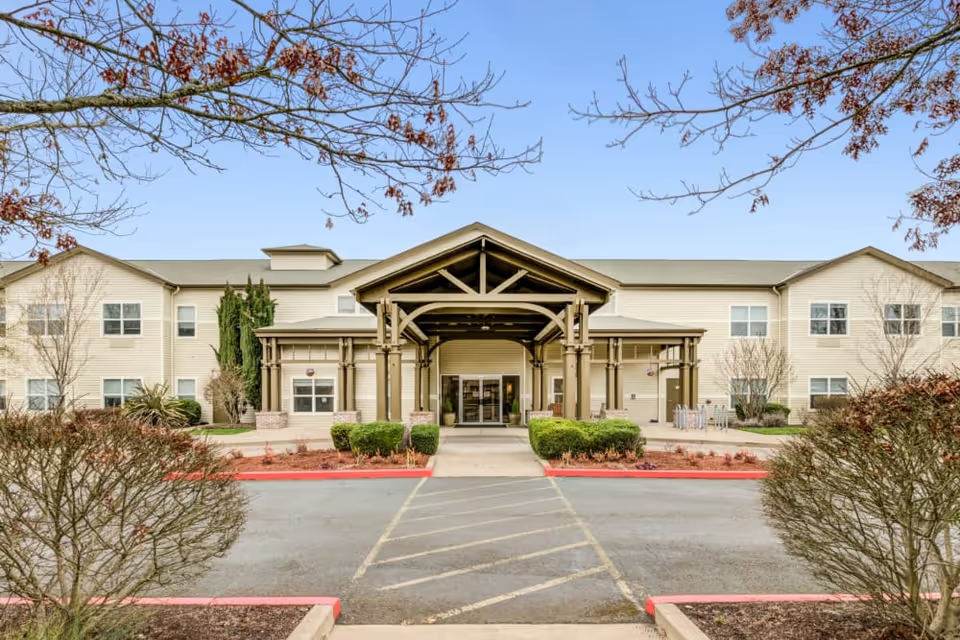
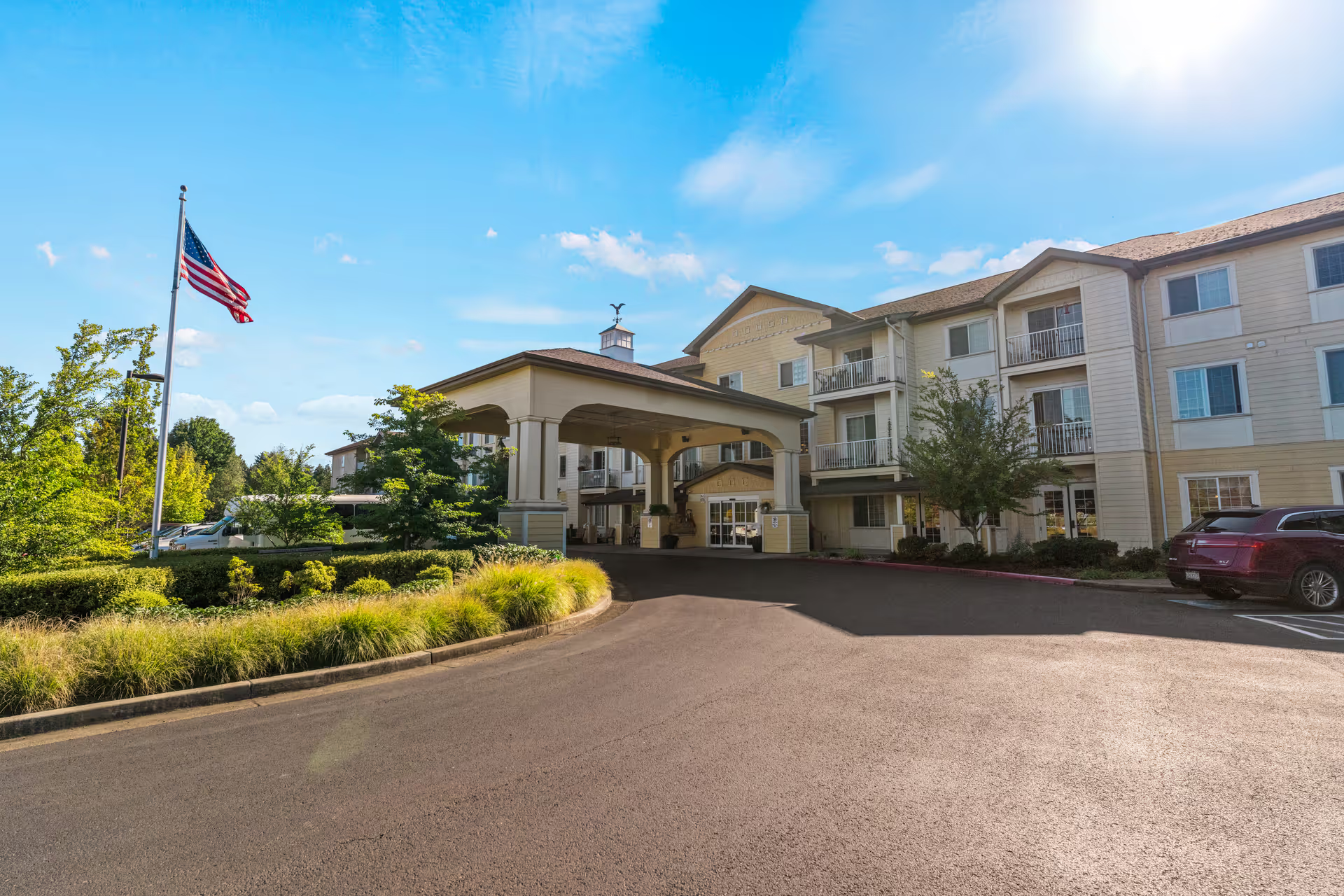
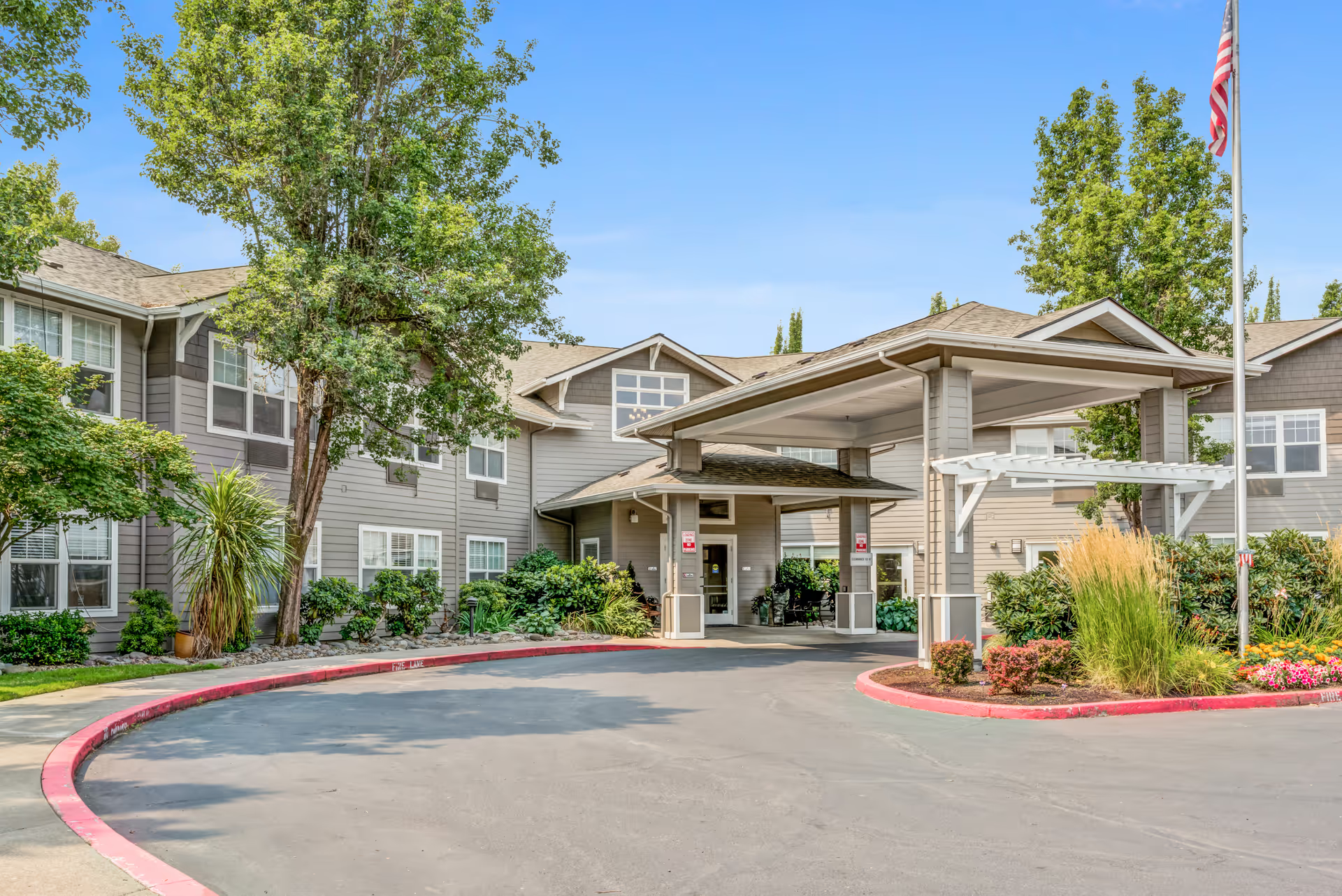
Overall impression: Reviewers describe a facility with strong direct-care strengths at the caregiver level and a well-maintained physical campus, combined with notable clinical and operational gaps. CNAs and rehabilitation staff receive consistent praise for compassionate bedside care and effective therapy services, while amenities such as spacious rooms, comfortable beds, indoor plant areas, and transportation support are seen as positives.
Care and clinical staff: Nursing assistants are frequently described as attentive and respectful; several families highlight the CNA team's responsiveness and rapport with residents. The rehabilitation program is characterized as robust and hospital-like in its clinical orientation. At the same time, reviewers raised substantive clinical concerns around wound management and infection-prevention practices, as well as limitations in availability of skilled nurses. These concerns point to potential gaps in clinical competence and oversight for higher-acuity nursing tasks.
Staffing, training, and responsiveness: Multiple comments indicate delays in responding to call lights and inconsistent skill levels among licensed nursing staff. Feedback suggests that training and competency-assessment processes could be strengthened to ensure consistent implementation of clinical protocols. There are also references to lapses in supply handling and sealing practices that suggest opportunities to reinforce infection-control and sanitation procedures.
Dining, activities, and culture: Dining is described as serviceable but repetitive; menu variety appears limited and meal quality is characterized as average. The facility projects a family-oriented culture with staff who are willing to answer questions and coordinate care with physicians. Common-area features such as an indoor arboretum contribute positively to resident quality of life, but programming detail beyond therapy was less prominent in the comments.
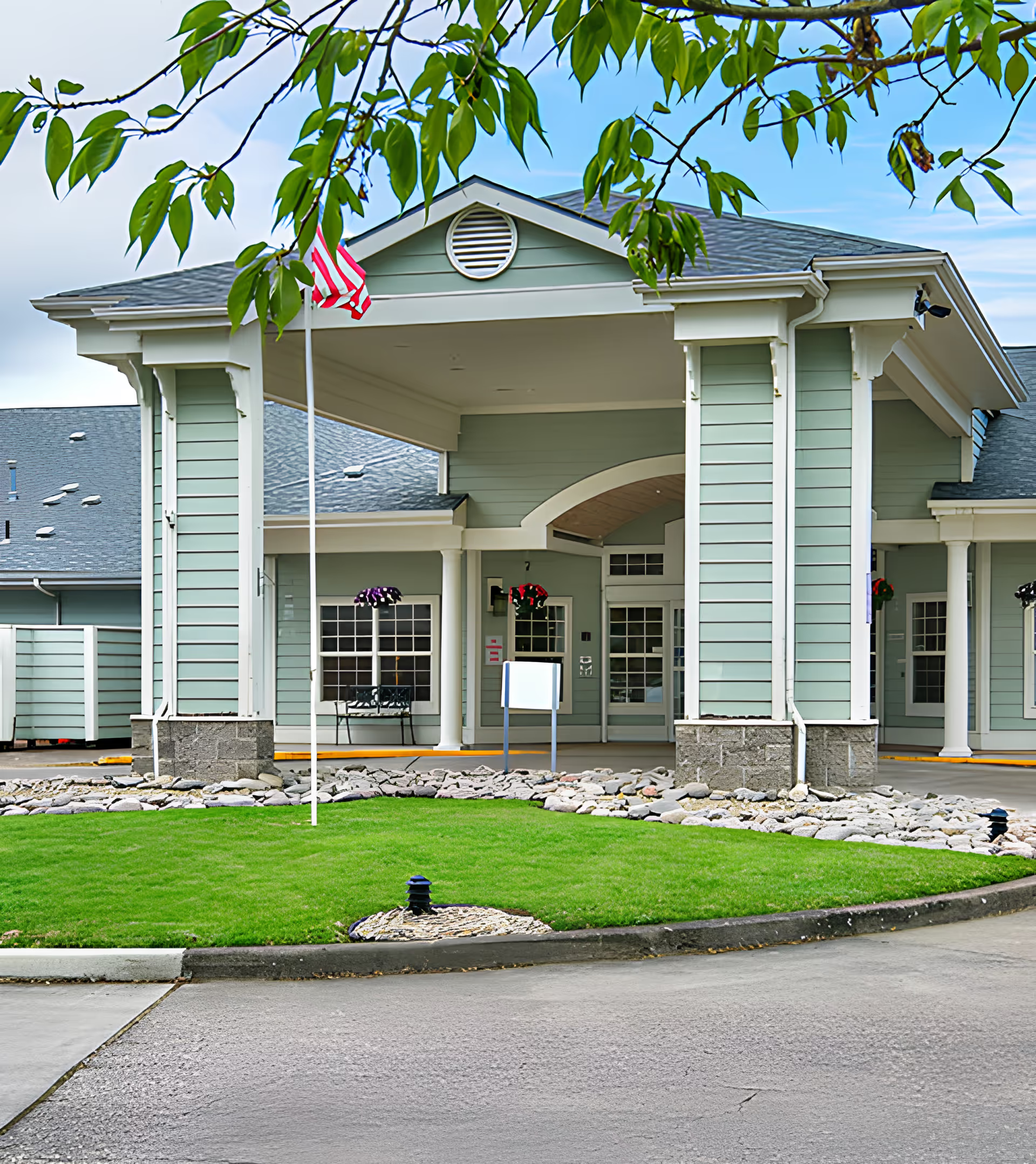
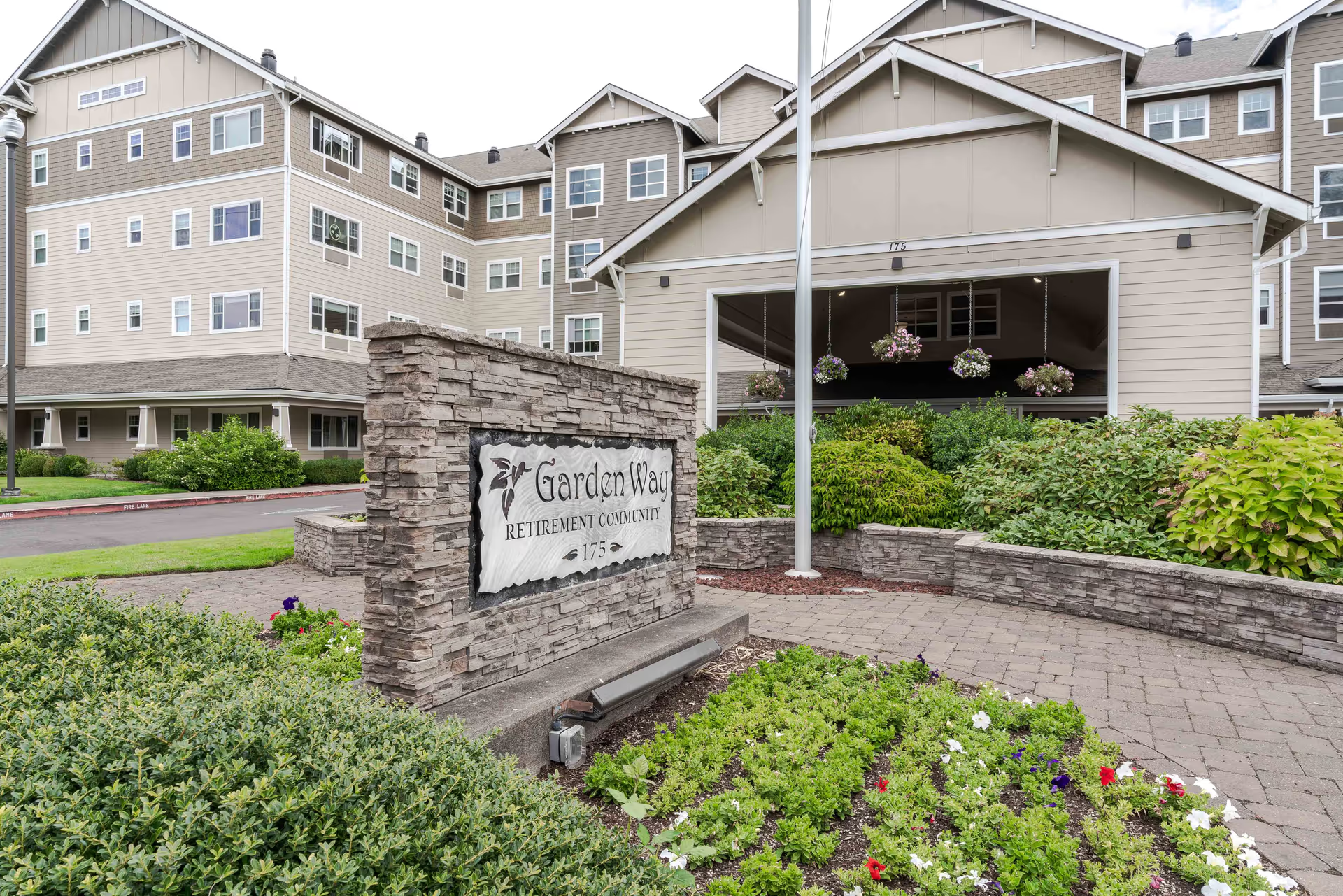
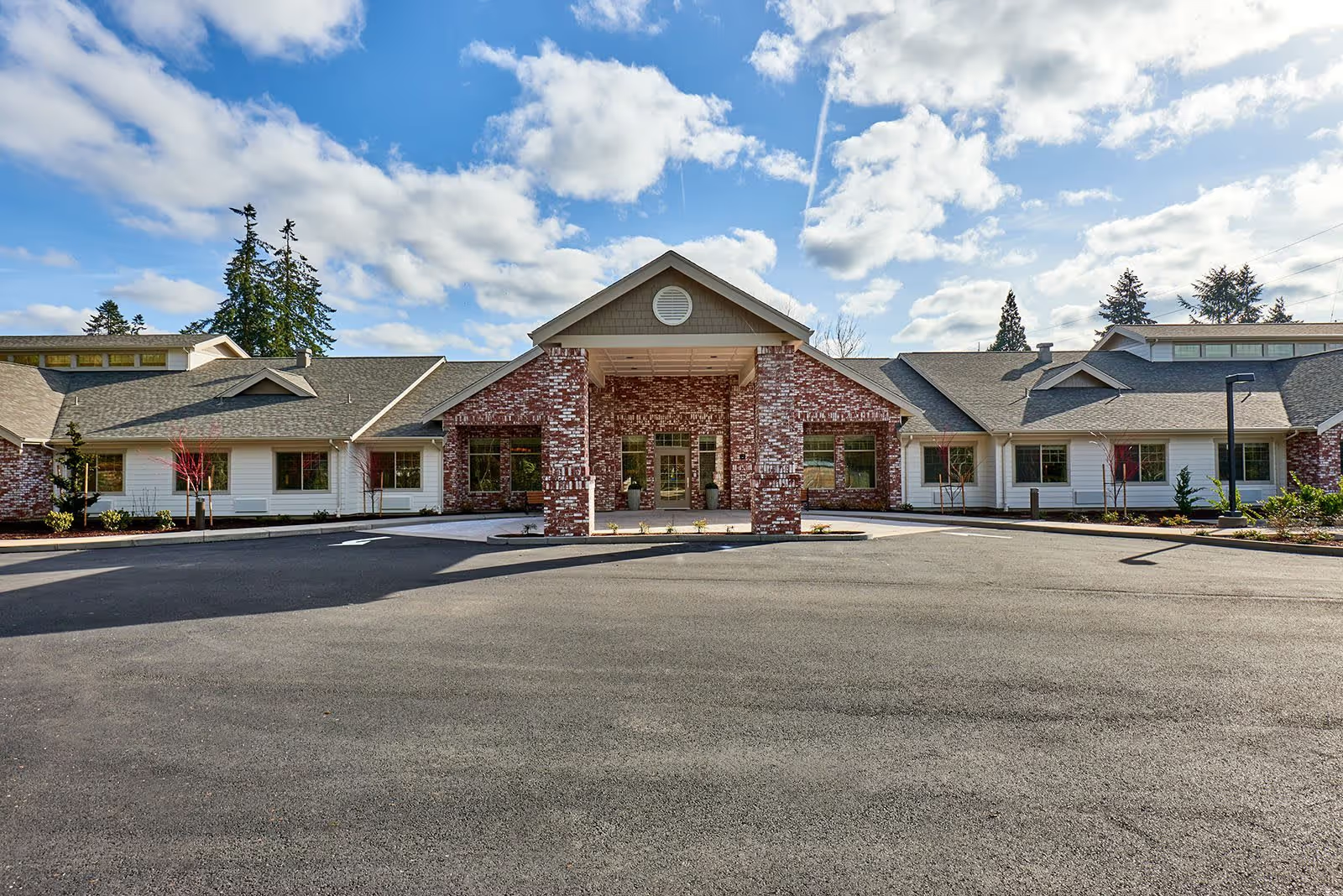
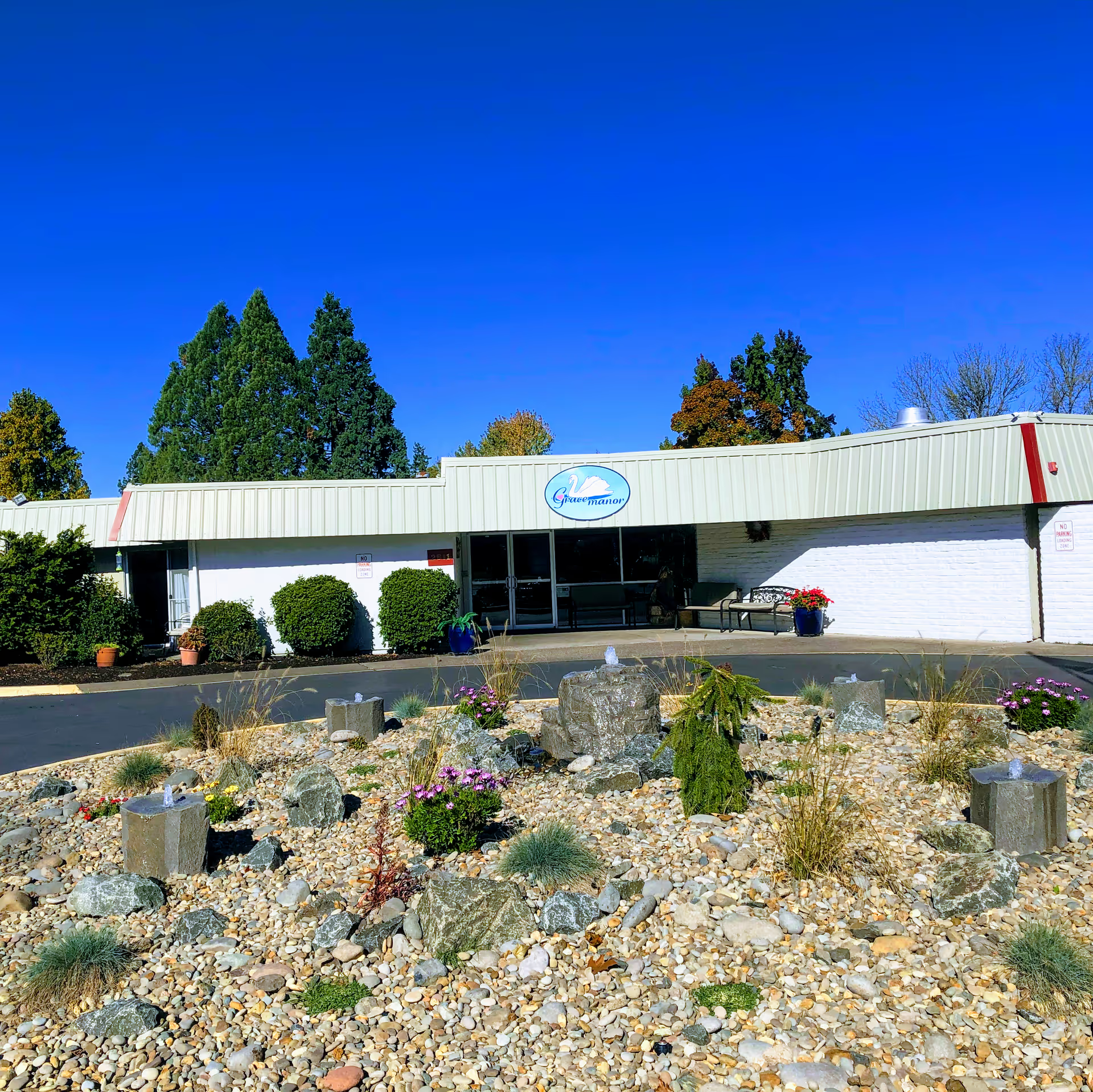
Facilities, accessibility, and management: The campus and grounds are generally described as well-kept, and administrative leadership is portrayed as personable and engaged. However, the interior aesthetic is sometimes described as institutional or austere rather than homelike. Accessibility is an operational limitation, with few wheelchair-accessible restrooms noted; this may affect residents with mobility needs. Taken together, the pattern suggests a facility that delivers strong hands-on caregiving and rehabilitation in a clean, organized environment but would benefit from investment in clinical training, skilled-nurse staffing, infection-prevention compliance, dining variety, and accessibility improvements to address the recurring operational concerns.