Overall impression: experiences at Hilltop Healthcare and Rehab are mixed, with a clear split between families who describe strong, effective clinical and rehabilitative care and others who experienced operational shortfalls. Many accounts praise the facility’s therapy team, individual nurses and aides, and an overall welcoming atmosphere that supported successful short-term rehabilitation and safe discharges. At the same time, a pattern of procedural and communication weaknesses appears across reviews and merits consideration by prospective residents and families.
Care and staff: Numerous reviews highlight compassionate, competent caregivers and a therapy department that advocates for residents and helps many regain strength and return home. Several families described coordinated teamwork, timely clinical follow-up, and staff who listen to concerns. Conversely, recurring concerns focus on inconsistent staffing levels and limited nurse presence on certain units; these issues are linked to delayed responses to call bells, slower attention to personal-care needs, and worries about clinical oversight. A few families raised serious safety and outcome concerns, including questions following a resident’s death and the development of wounds that they attributed to gaps in supervision.
Dining and activities: Dining experiences were described positively by some visitors and residents, with adequate food quality and a pleasant setting noted. Others highlighted late meals or inconsistent meal timing. Social and emotional supports were frequently cited as a strength—reviewers used terms like family-like atmosphere, friendly staff, and accessible visiting spaces—suggesting the facility can provide meaningful psychosocial engagement when staffing and routines are functioning well.
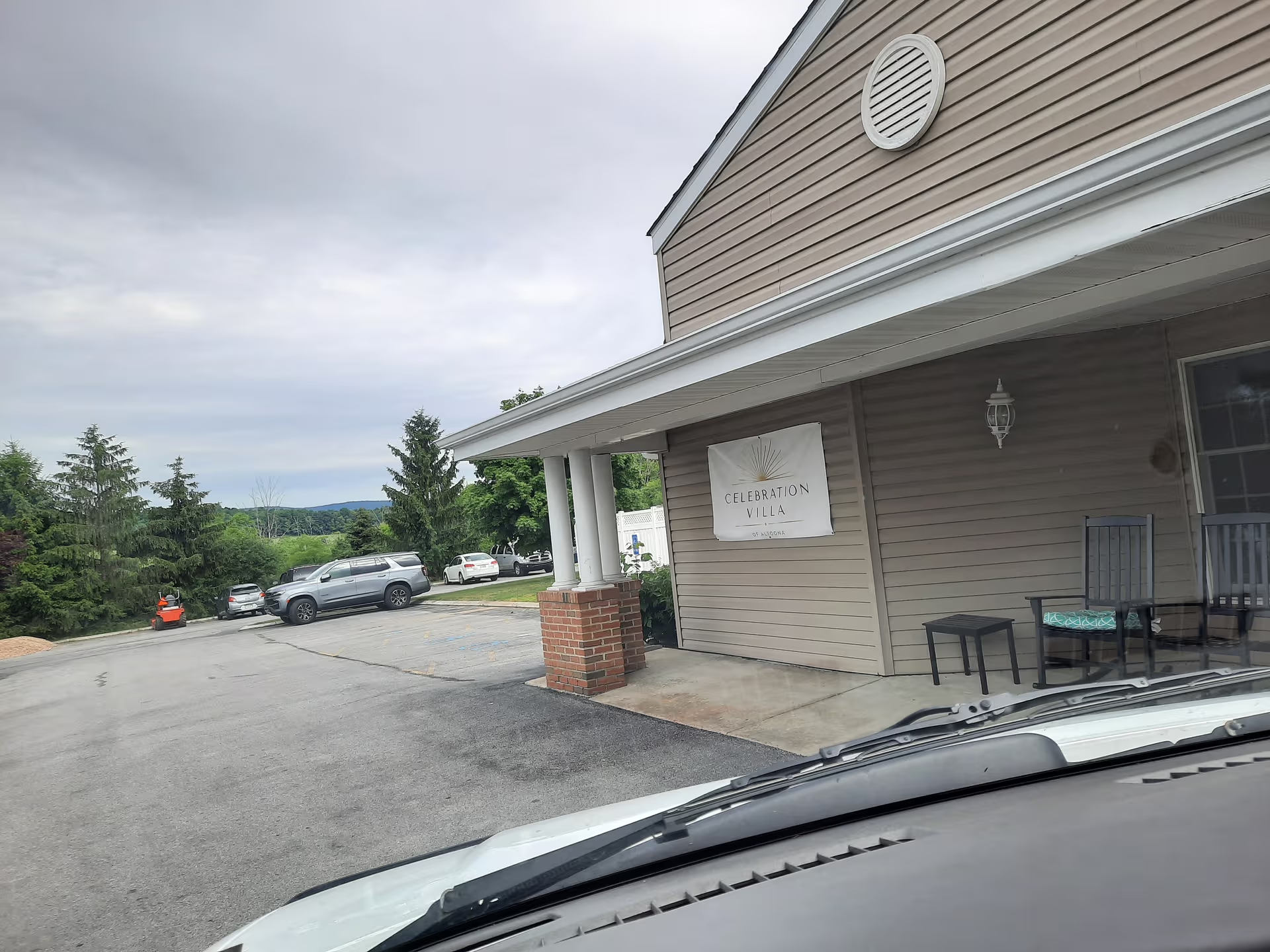
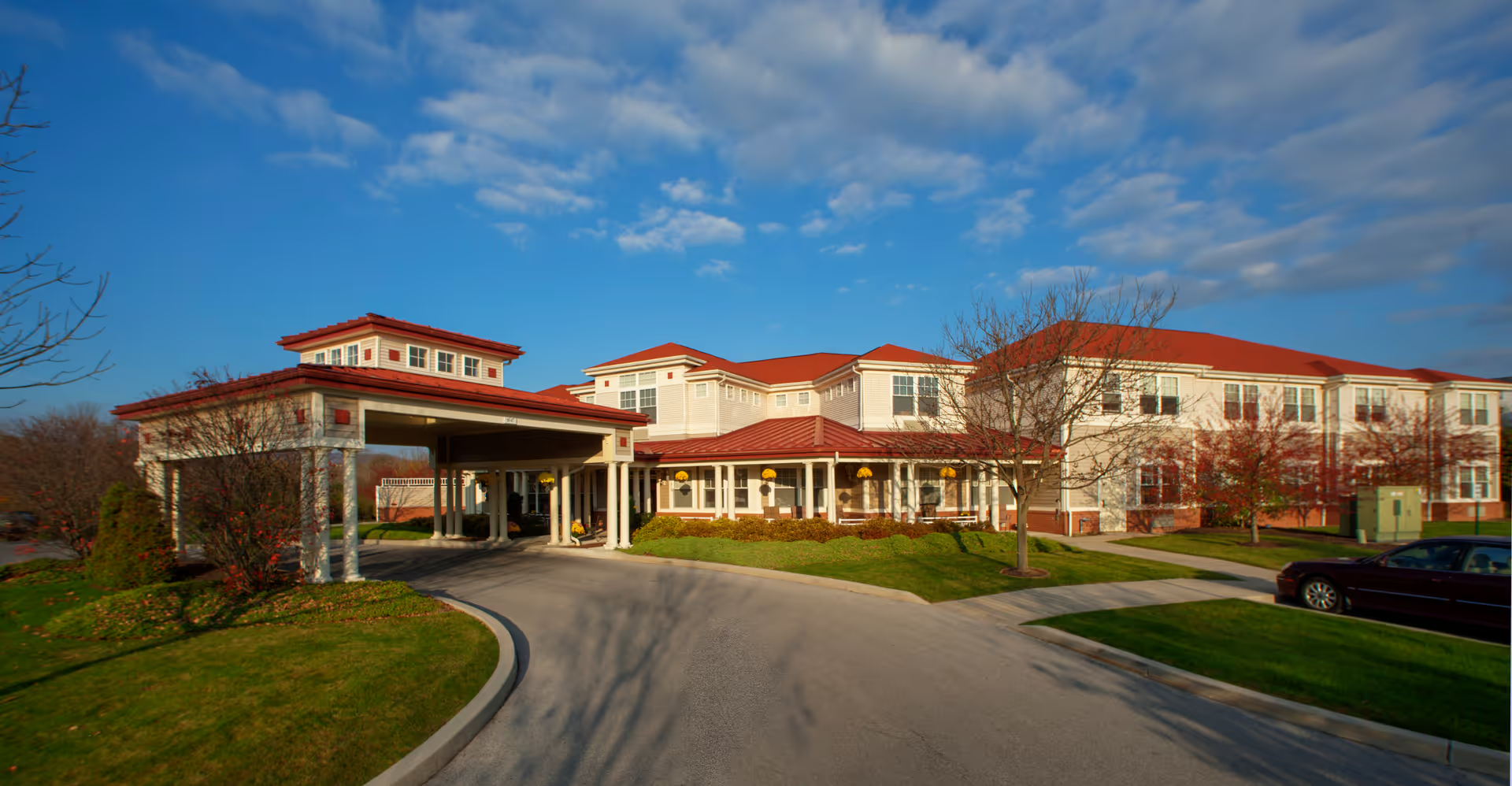
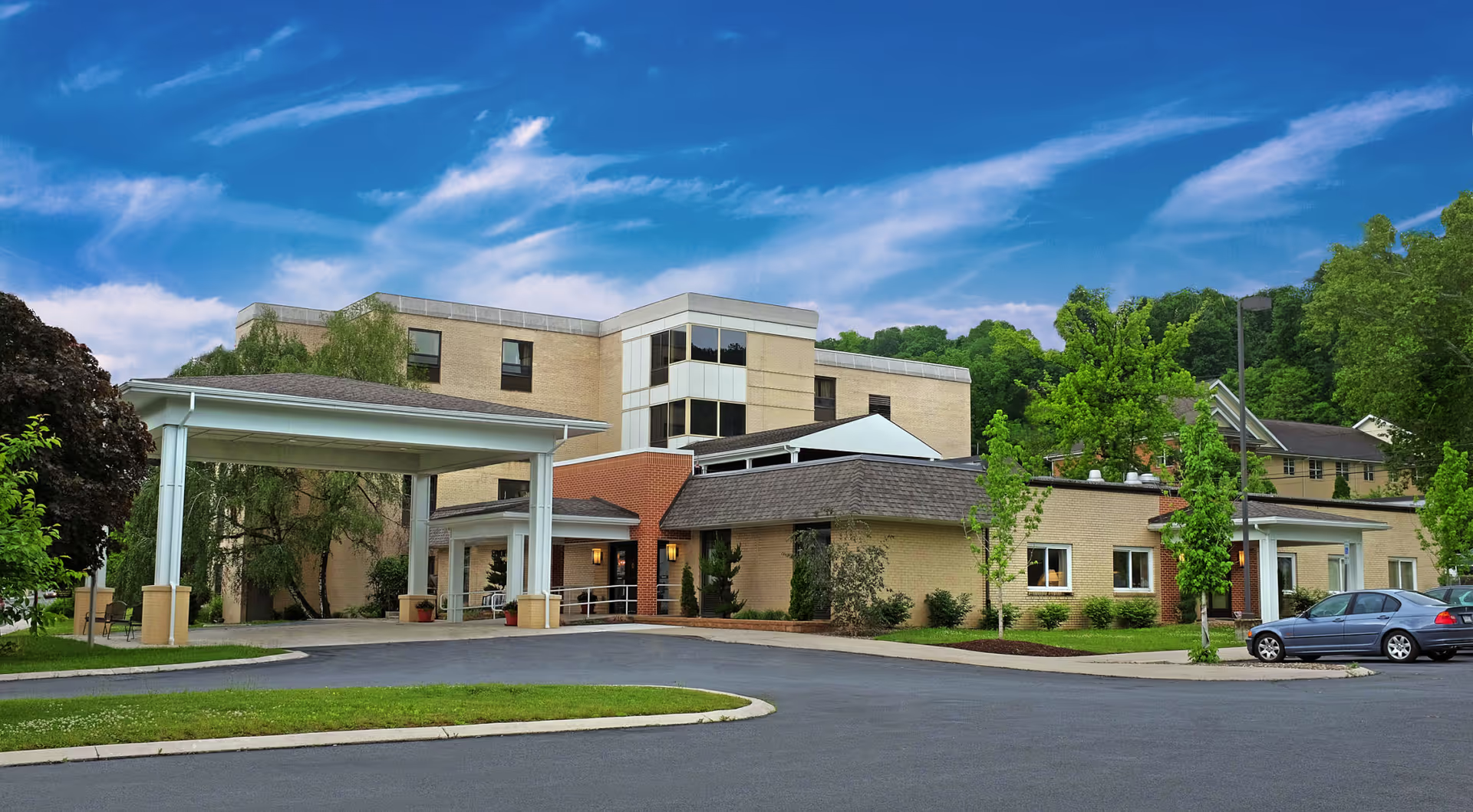
Facilities and security: Many reviewers described the facility as clean, well-kept, and comfortable for visitors, and praised private visiting areas and the facility’s appearance. At the same time, there are sanitation and housekeeping concerns in some shared bathrooms and instances of inconsistent linen and room-turnover practices. Communication infrastructure is an operational gap: several families noted missing or unreliable in-room phones and difficulty reaching staff by extension. Security and property-control issues were also raised, including allegations of staff-related theft and items going missing, which indicate a need for clearer inventory and resident-property protocols.
Management and operations: Reviews reference recent management changes and characterize the site as a work in progress. Common operational themes include breakdowns between clinical and business sides, inconsistent visitation-policy enforcement (especially during infection-control periods), and lapses in discharge planning or coordination with home-care and insurance. When discharge coordination worked well, families reported positive outcomes; when it failed, there were delays in post-discharge nursing support and insurance authorization problems.
Notable patterns and recommendations for prospective families: The facility elicits strongly polarized experiences—some families report excellent care and clean, supportive surroundings, while others identify systemic operational weaknesses that affected safety, hygiene, communication, and property control. Prospective residents and families would benefit from asking targeted questions during a tour: current staffing ratios and nurse availability on the intended unit, average call-bell response times, availability and reliability of in-room communication, cleaning and linen-change schedules, policies for resident property and inventory, specifics of discharge planning and coordination with home services and insurers, and current visitation policies during infection-control events. Requesting recent inspection reports and speaking directly with the therapy director and unit nurse supervisor can help clarify how the facility has addressed the operational issues noted in family feedback.