Reviewer accounts present a divided picture of clinical care at this facility. Many families and residents praise the quality of bedside nursing and the rehabilitation teams, citing supportive nurses, attentive aides, and effective PT/OT/Speech therapy that helped residents regain mobility and return home. At the same time, a number of accounts raise serious clinical-safety concerns including lapses in infection-control and wound-care processes, medication-administration errors, and delayed clinical responses that in some cases led to hospital readmission or escalation of care. These contrasting reports suggest variable reliability in core clinical processes.
Staff performance is described as a major differentiator. Positive descriptions emphasize compassionate, respectful caregivers, strong therapy staff, and orderly housekeeping and dietary teams that contribute to a warm, community-like atmosphere. Conversely, reports of staffing shortages, temporary workforce instability, and variable professionalism (for example, staff distracted by phones or off-site breaks) indicate uneven staff availability and conduct. Staffing instability is also linked to delays in routine assistance such as toileting, turning, or repositioning, and to slower responses during acute care needs.
Dining and activities are generally cited as strengths but with variability. Many reviewers praise the dietary team's accommodations, nutritious and tasty meals, and quick assistance at mealtimes. Activities programs, social opportunities, and outdoor common areas receive frequent positive remarks for fostering a strong communal environment and aiding recovery. However, there are isolated complaints about cold or mediocre meal service and lapses in meal-service continuity that point to inconsistent dining operations.
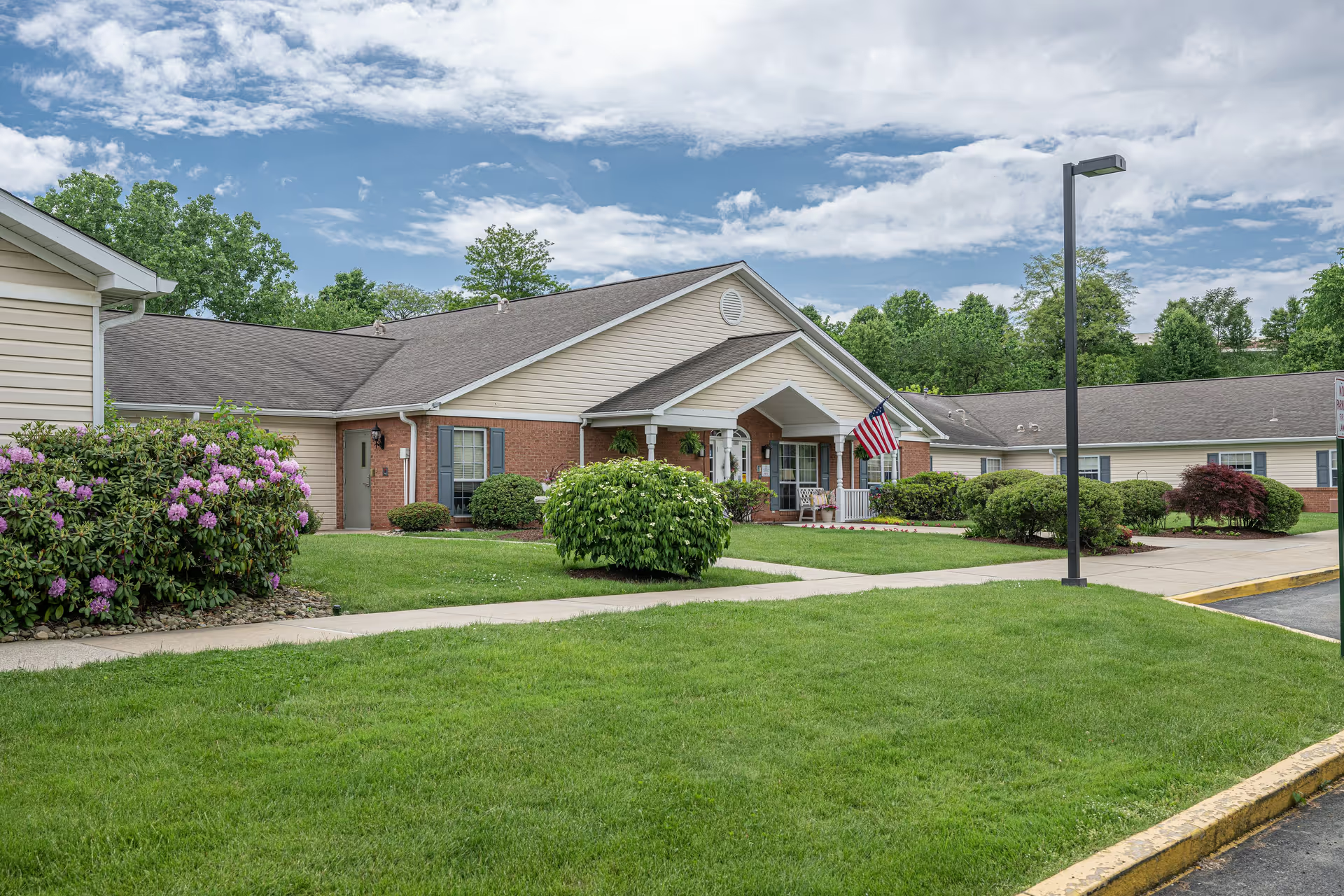
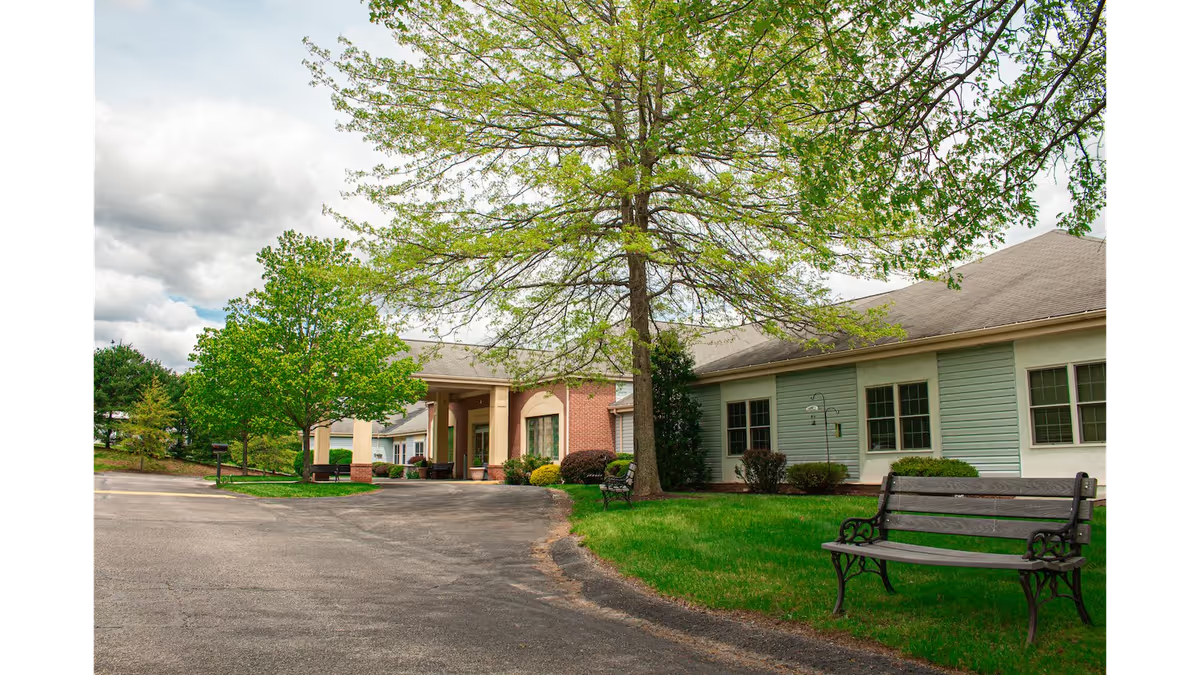
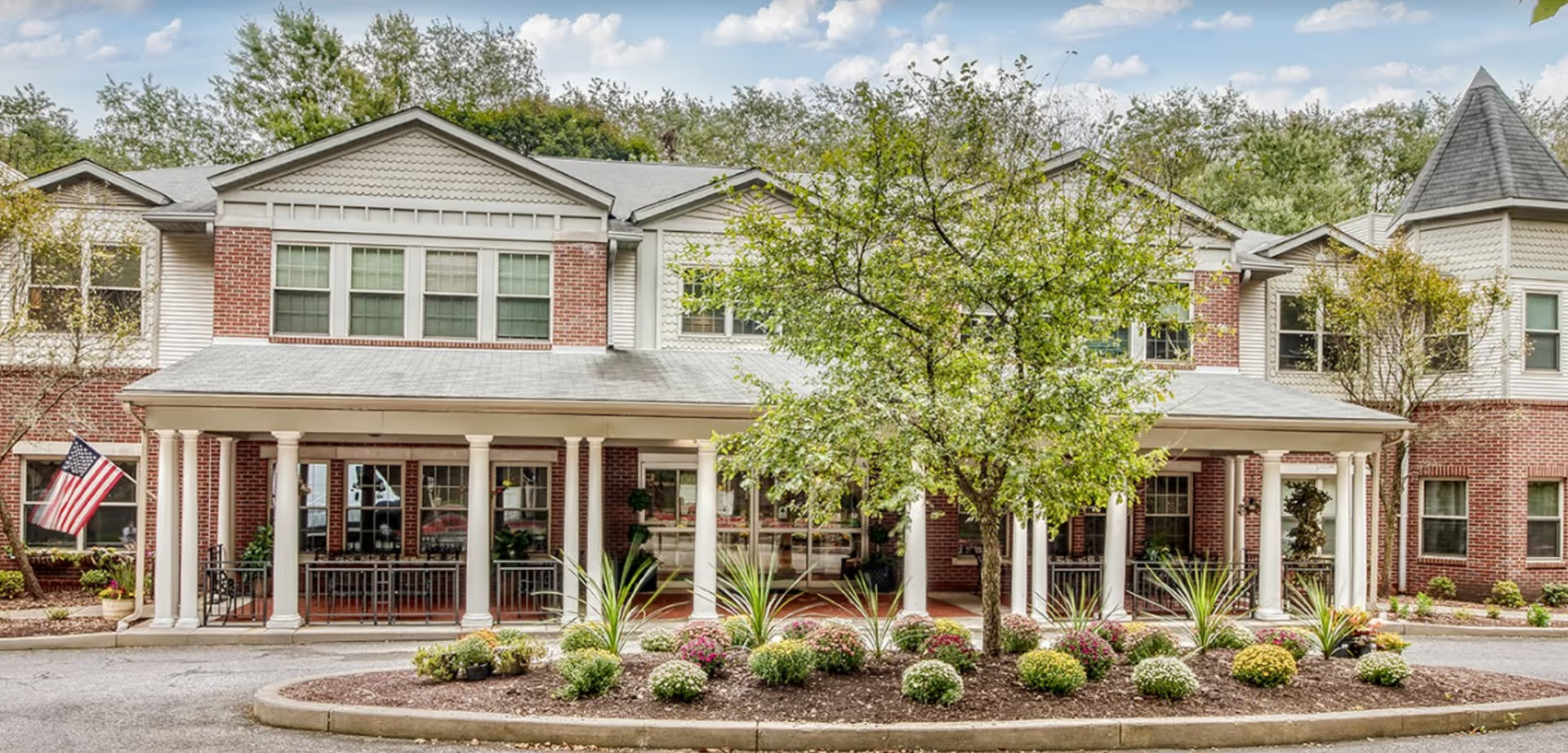
Facility condition and housekeeping descriptions are mixed. Several accounts note clean, well-maintained areas and tidy rooms, whereas others describe sanitation concerns in specific bathrooms, run-down condition in parts of the building, and broken equipment or cramped shared rooms. These differences suggest that maintenance and cleaning quality may vary by unit or shift rather than being uniform across the facility.
Management and administrative practices likewise appear inconsistent. Some families describe responsive, helpful administration that facilitated admissions, provided regular updates, and apologized or intervened when issues arose. Others describe limited oversight, poor availability of leadership, unclear billing processes, and ineffective communication about clinical events. Taken together, these impressions point to gaps in supervisory oversight and accountability during both routine care and critical incidents.
Notable patterns for prospective families: positive experiences center on strong rehabilitation outcomes, compassionate direct-care staff, and an active social environment. Risks described include variability in clinical safety processes (infection control, wound care, medication checks), inconsistent staffing and supervisory oversight, and uneven facility maintenance and meal service. When evaluating this facility in person, families may wish to ask specific questions about staffing ratios, infection-control protocols, wound-care pathways, medication-administration checks, maintenance schedules, and how the administration communicates and handles clinical concerns and billing questions.