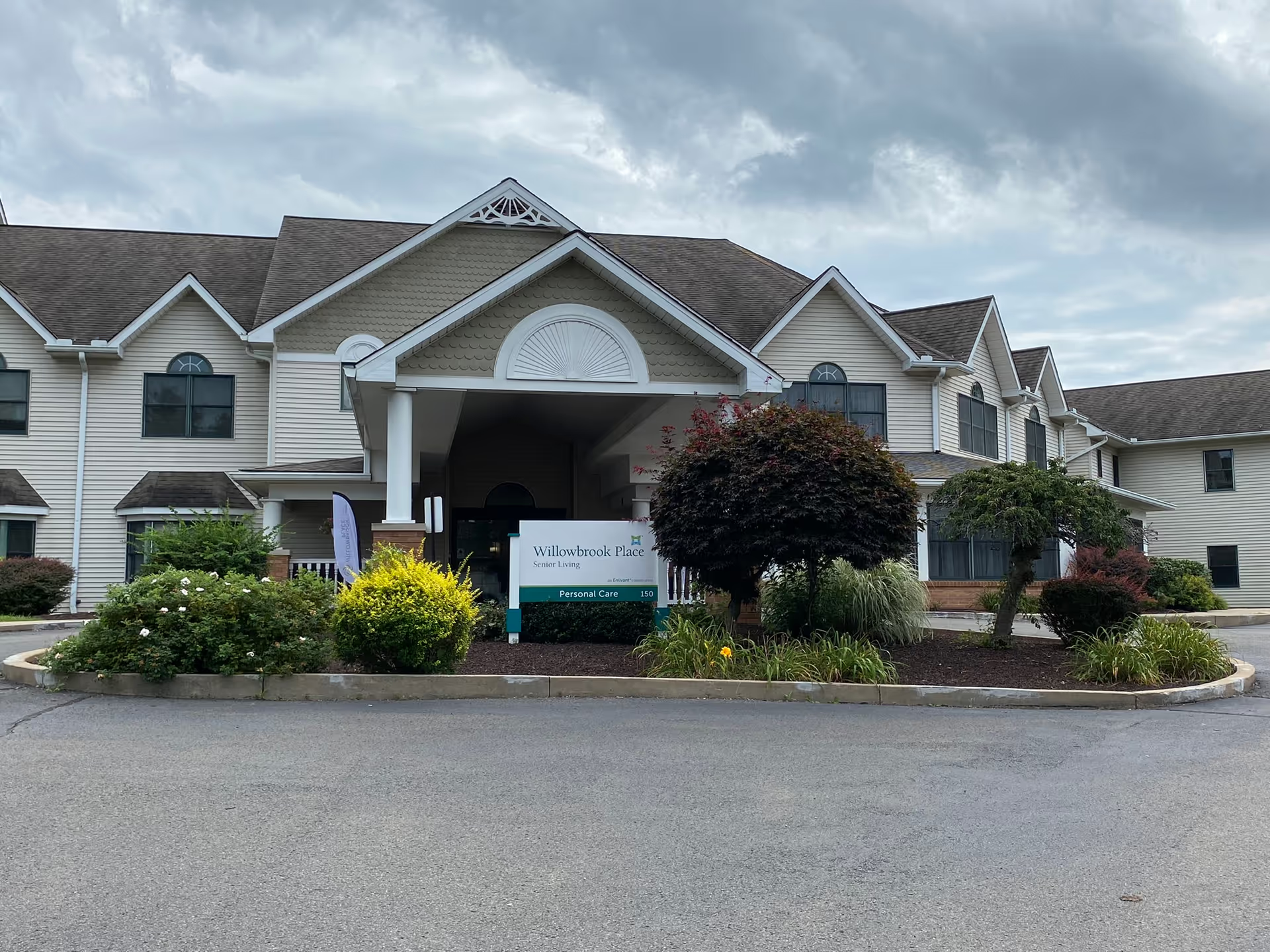
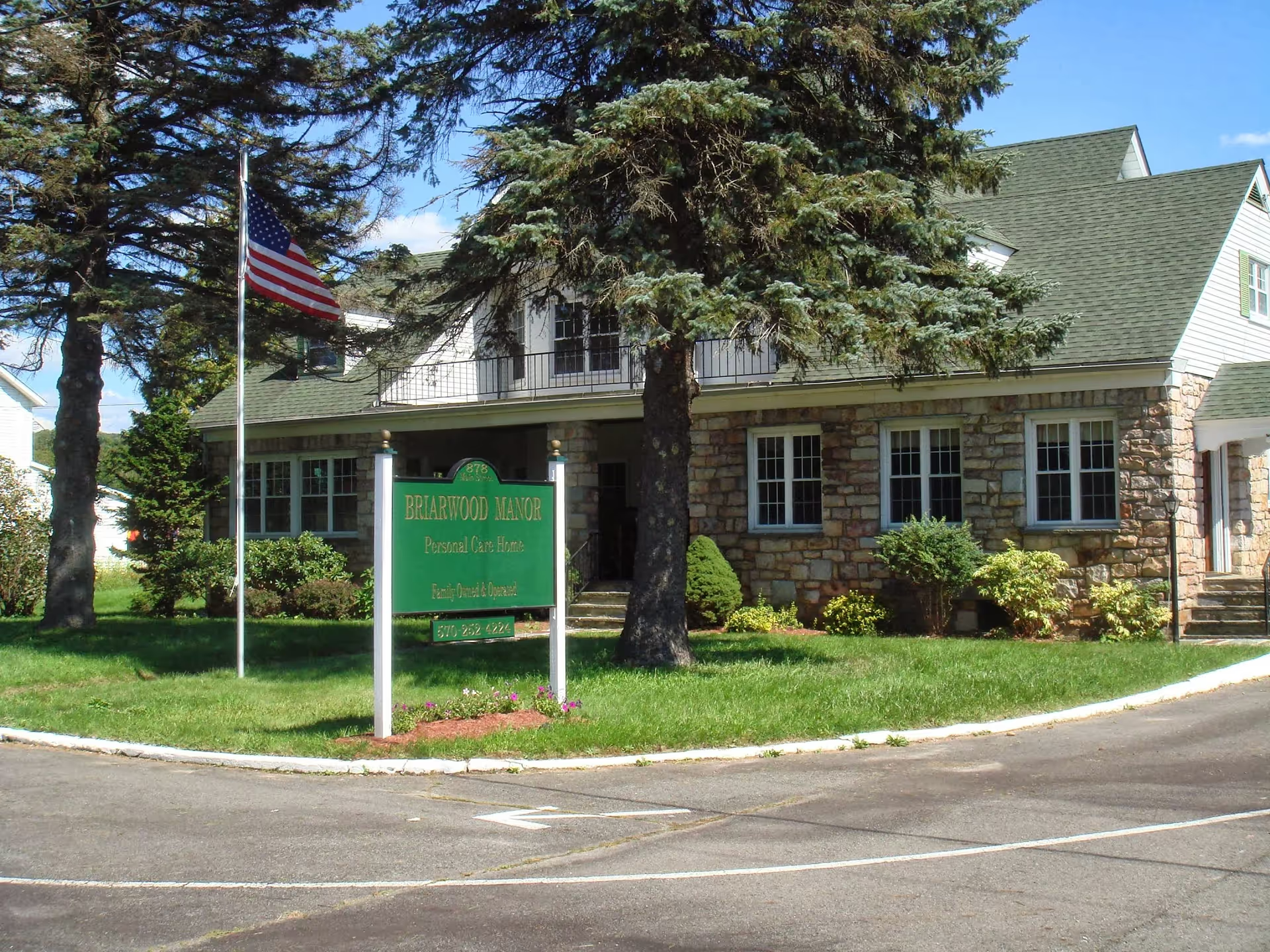
The reviews present a mixed but clear picture: the facility has visible physical strengths and several instances of highly positive interpersonal care, yet there are recurring operational concerns that prospective families should evaluate. On the positive side, the property and interiors are consistently described as well maintained and modern, with attractive landscaping, a large courtyard, sunroom, and multiple comfortable common areas. Many accounts highlight clean rooms and public spaces, active programming, and administrative responsiveness, particularly during pandemic restrictions. Several families emphasized compassionate, respectful interactions from nurses, aides, and administrative staff, and some described clinically decisive, life-saving care.
Care quality and staffing emerged as the central areas of variability. While numerous reviews praise attentive, kind staff and reliable 24-hour nursing coverage, other reviewers describe chronic staffing shortages and inconsistent responsiveness to resident needs. These operational staffing gaps appear linked to reports of uneven care quality—some residents experienced highly attentive care while others encountered delays or perceived lack of personalization in daily assistance.
Infection prevention and sanitation were noted as specific operational weaknesses. Multiple accounts indicate gaps in infection-control protocols and hand‑hygiene practices, as well as occasional sanitation concerns in communal circulation areas. Because infection-control performance and routine sanitation are fundamental in congregate care, these patterns are notable and warrant direct inquiry during visits.
Dining and therapy show mixed impressions. Several families found the food acceptable and the facility flexible with drop-offs and communication about meals; others described inconsistent food quality and limited meal alternatives. Rehabilitation services are available on-site, but some reviewers experienced sessions that felt rushed or impersonal, suggesting variability in therapy scheduling or staffing that could affect recovery goals.
Activities and social engagement are a relative strength, with reports of many activities and pleasant communal spaces supporting well-being. Leadership and administrative communication receive both praise and criticism—some families found administrators informative and helpful, while others perceived uneven follow-through or variability in family communication. End-of-life care and honoring resident preferences also surfaced as a sensitive area for concern for some families, indicating potential gaps in care planning or communication around advanced directives and comfort-focused goals.
Overall, the facility demonstrates clear assets in environment, some clinical strengths, and strong examples of compassionate staff behavior. At the same time, recurring operational themes—staffing shortages, inconsistent care and therapy delivery, infection-control and sanitation gaps, and variable meal quality—suggest areas to probe further. Prospective residents and family members should consider on-site visits during active hours, ask about staffing ratios and infection-control policies, observe mealtimes and therapy sessions if possible, and review how the facility documents and honors care preferences and advance directives.