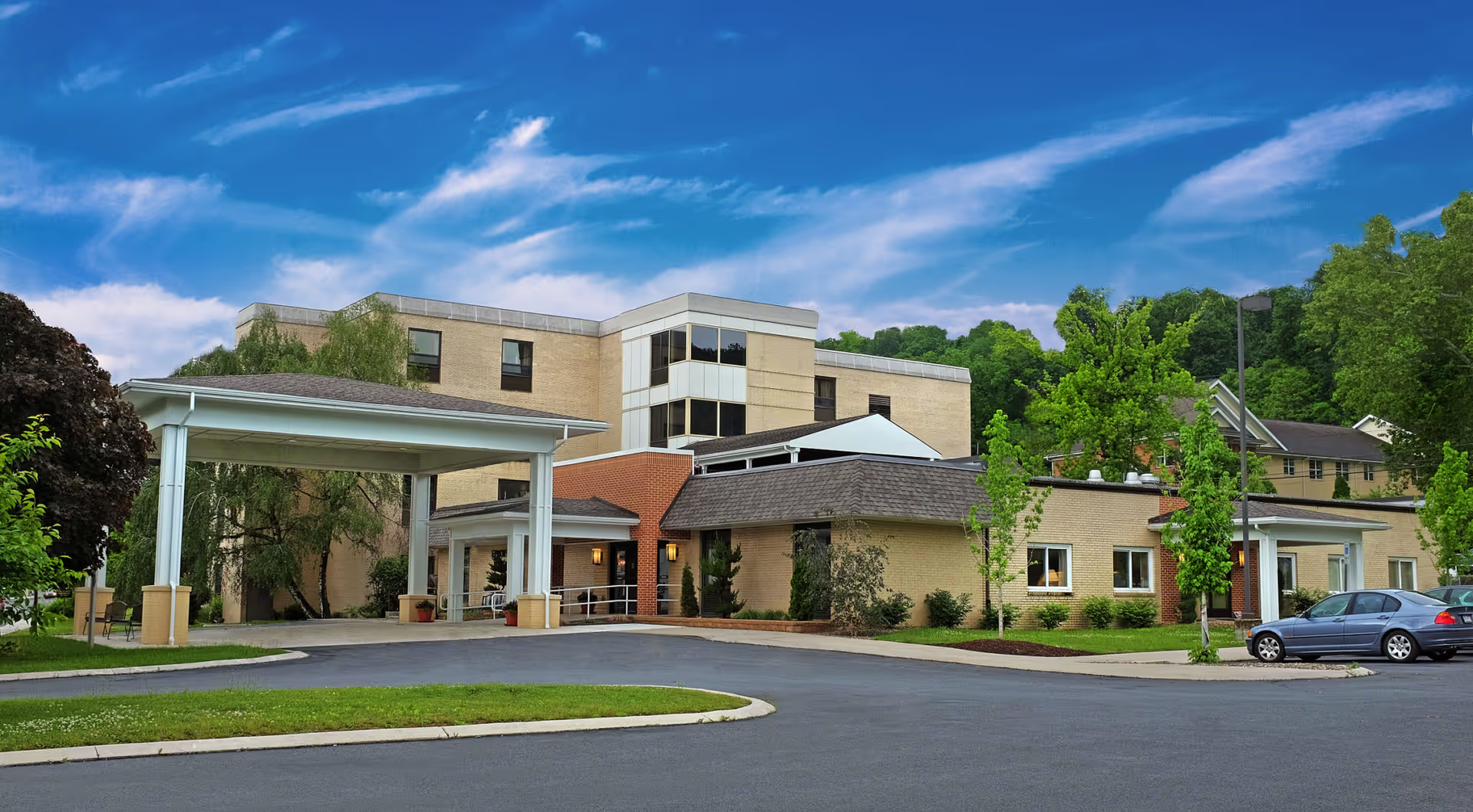
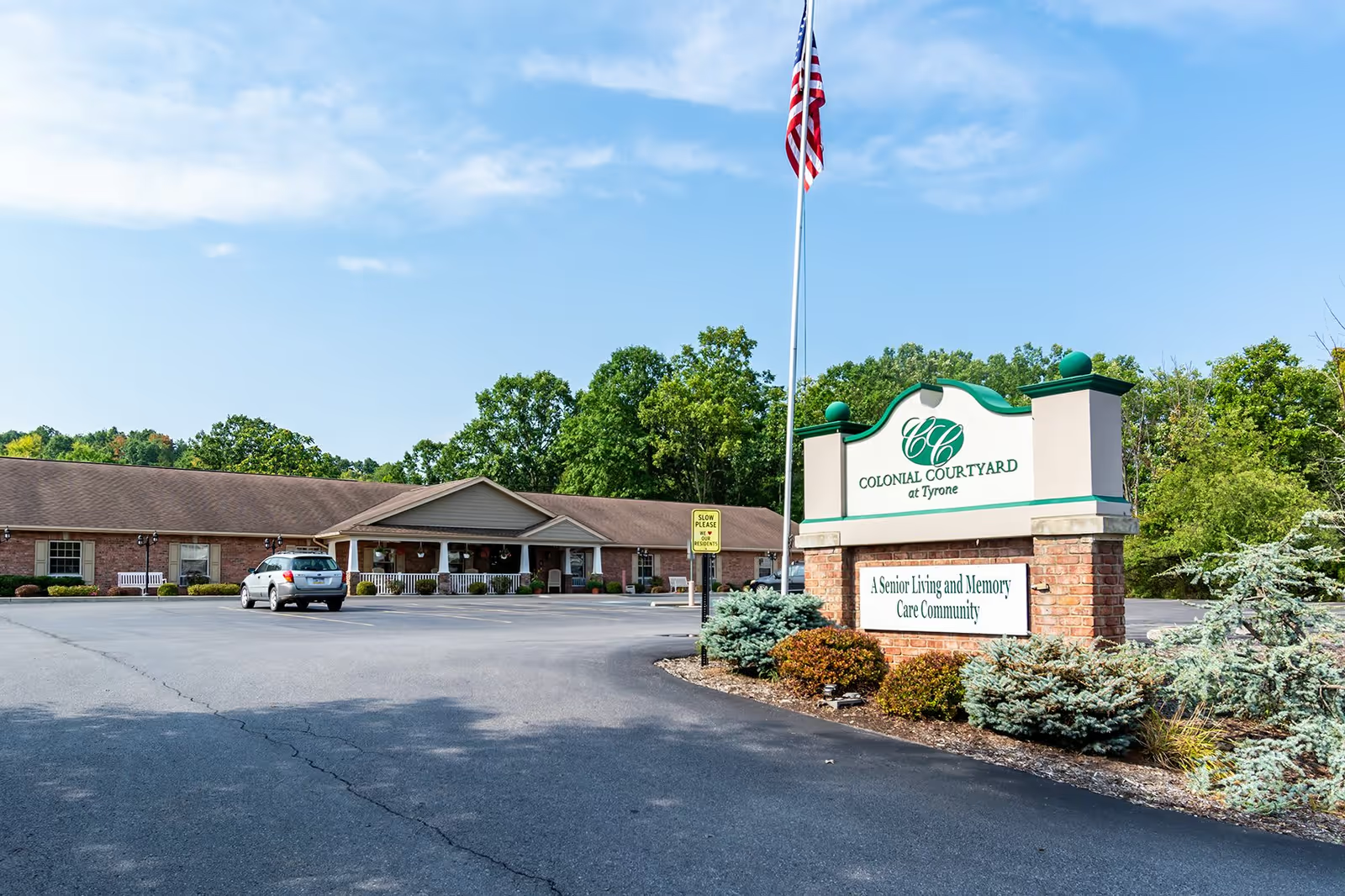
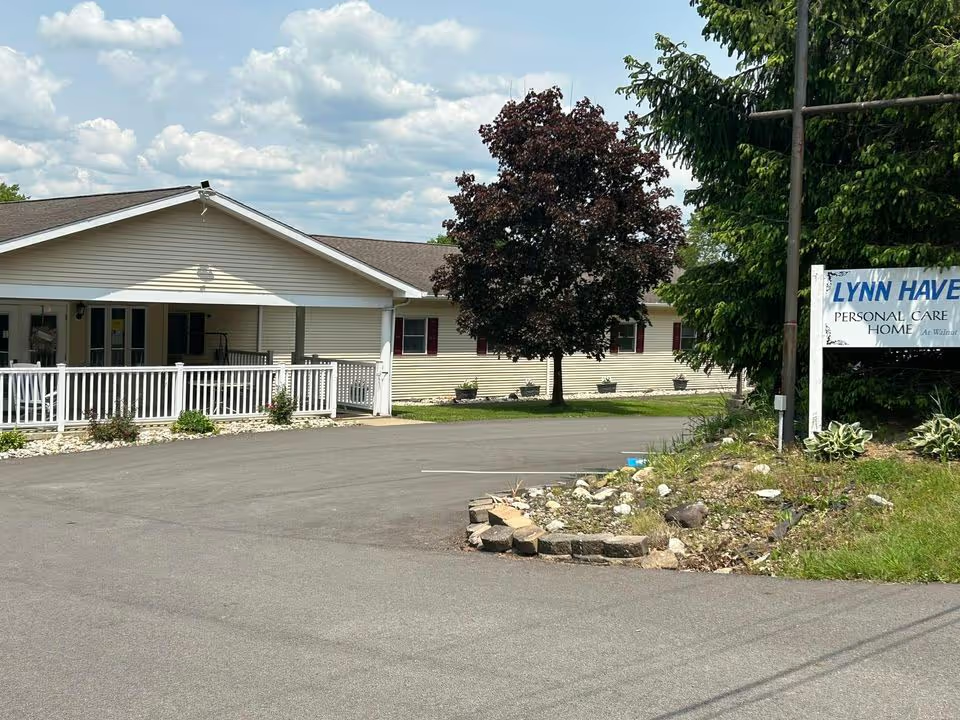
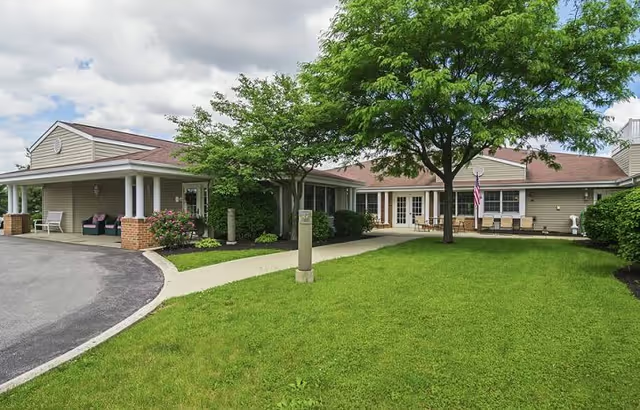
Reviewers present a mixed but detailed picture of Christ the King Manor. Many families and former residents praised the caregiving team and therapy staff, describing nursing aides and RNs as compassionate and well trained. The facility’s rehabilitation program and on-site physical/occupational therapy receive consistent positive remarks; short-term rehab experiences were frequently characterized as effective and motivating. Individual clinical staff and physicians were often singled out for positive performance, and several reviewers described strong, attentive hands-on care.
Staffing and operational consistency emerge as the principal area of variability. Multiple accounts note intermittent staffing shortages and variability in professionalism and responsiveness between shifts. These staffing fluctuations are connected in some reports to service delays and gaps in timely assistance. A small number of more serious accounts raise concerns about conduct, incident response, and resident safety; these descriptions suggest families should inquire directly about clinical-incident protocols, staff training, and oversight during a tour.
Dining and dietary management show mixed feedback. The community runs communal dining and special food events that many residents enjoy, and some reviewers praised specific meals and activities such as barbecues. At the same time, there are consistent references to inconsistent meal quality, lapses in adherence to dietary restrictions (for example diabetes management), and variable dining-assistance practices. A subset of comments also points to food-safety and storage lapses; prospective families should ask about kitchen oversight, inspection histories, and special-diet procedures.
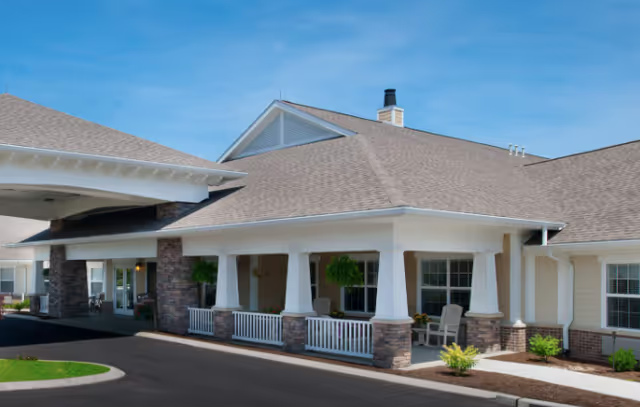
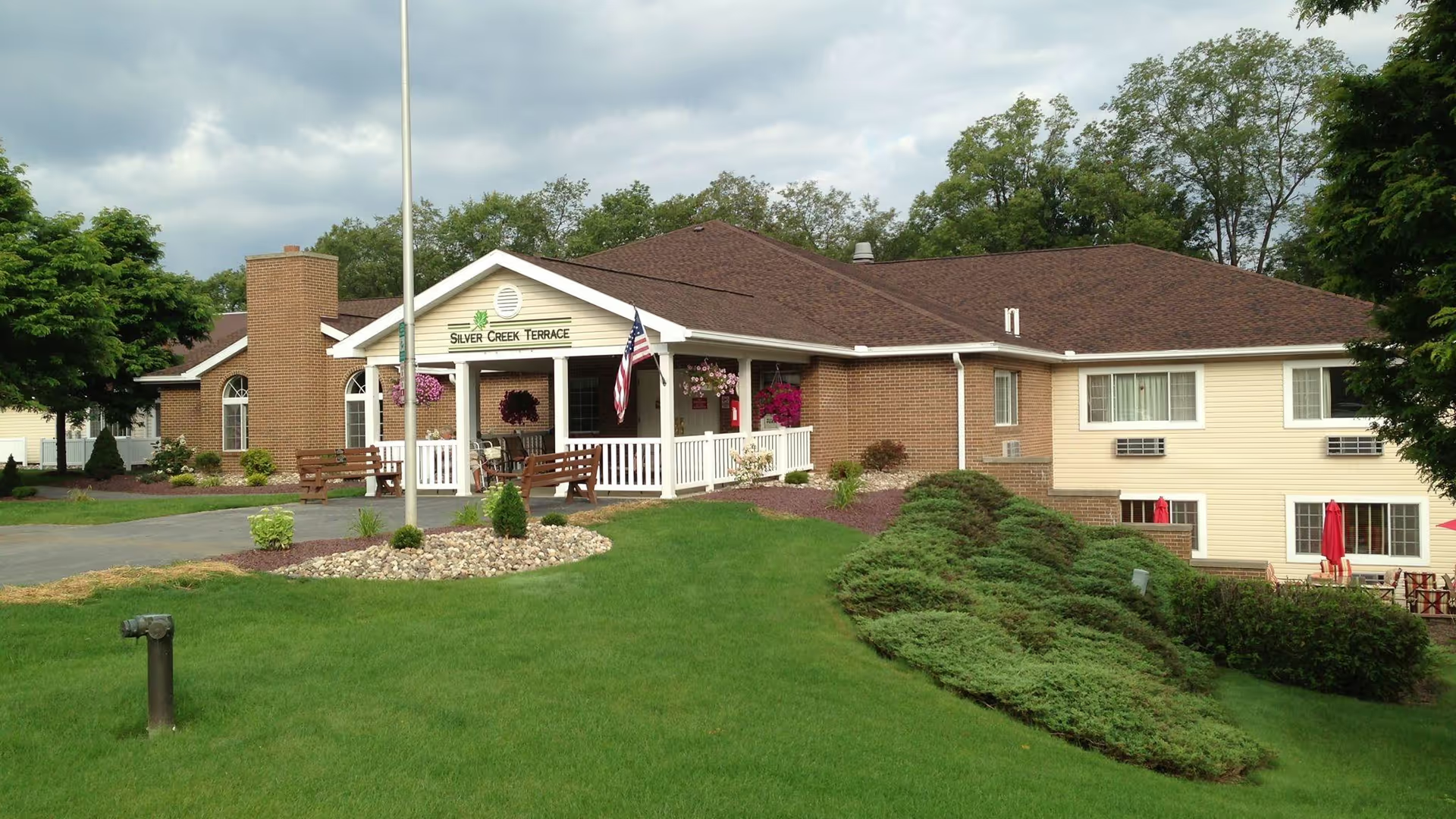
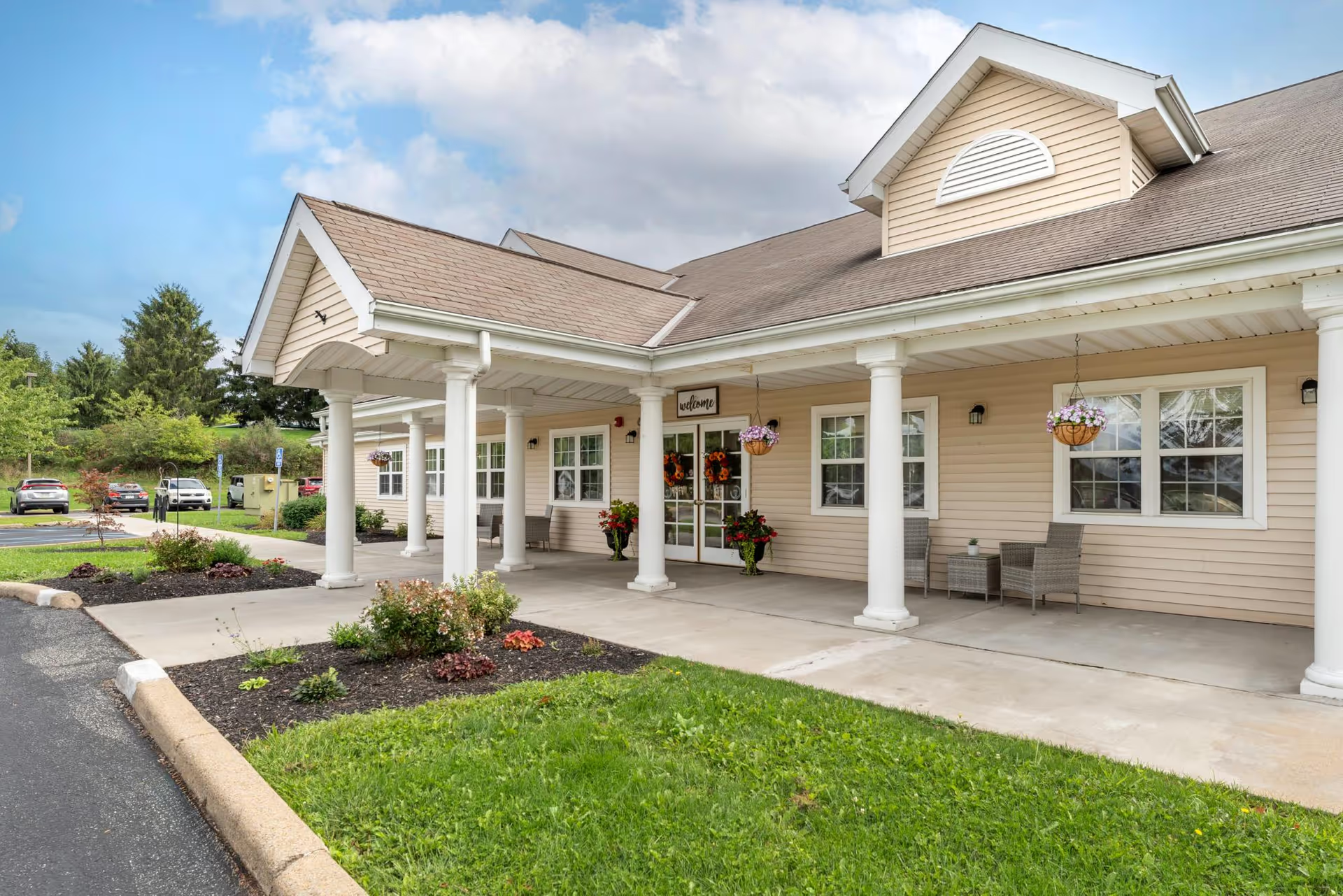
Activities and social environment are clear strengths: reviewers describe diverse programming (crafts, bingo, social events), an on-site worship service, and an atmosphere that supports friendship and belonging. Facility upkeep is generally described positively — reviewers commonly mention clean, well-maintained common spaces and private rooms. On-site amenities such as a salon and multi-level living options (apartments, small homes, skilled nursing) contribute to the facility’s appeal for a range of needs.
Administrative areas warrant advance inquiry. Several families experienced billing or business-office challenges and recommend clarifying financial processes, account review procedures, and points of contact before move-in. Communication between families and management is uneven in accounts; asking how the facility communicates incident updates, care-plan changes, and staffing issues can help set expectations.
In summary, Christ the King Manor receives strong praise for its rehabilitative services, engaged activity program, and many compassionate caregivers, along with generally well-maintained facilities and meaningful social opportunities. However, there are notable inconsistencies in staffing, dining management, and administrative communication, and a limited number of serious safety and conduct concerns. Prospective residents and families should use tours and meetings with leadership to evaluate staffing patterns, dietary and medication safeguards, incident-response procedures, and billing practices to determine fit and mitigations for the identified risks.