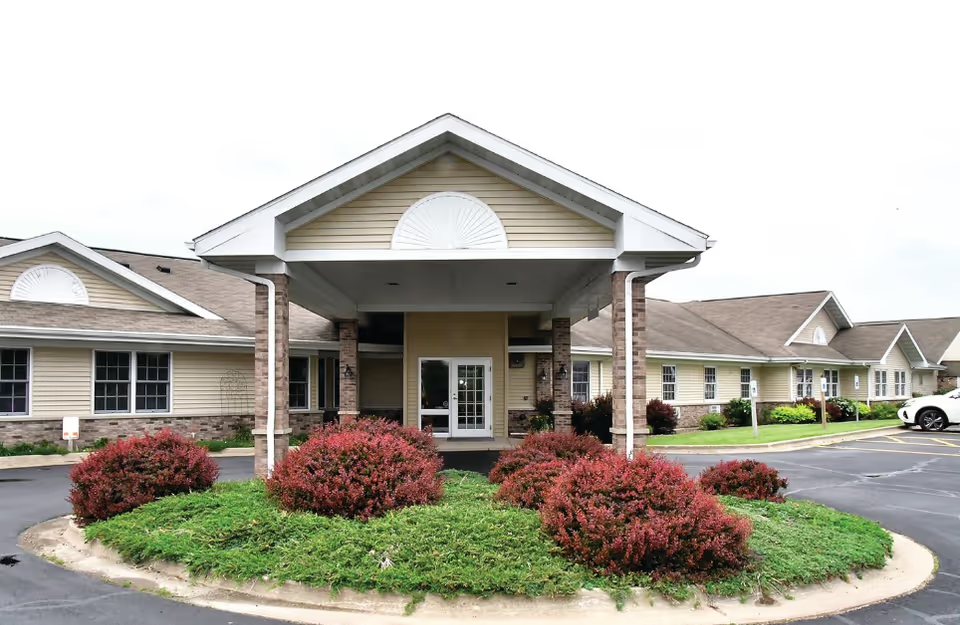
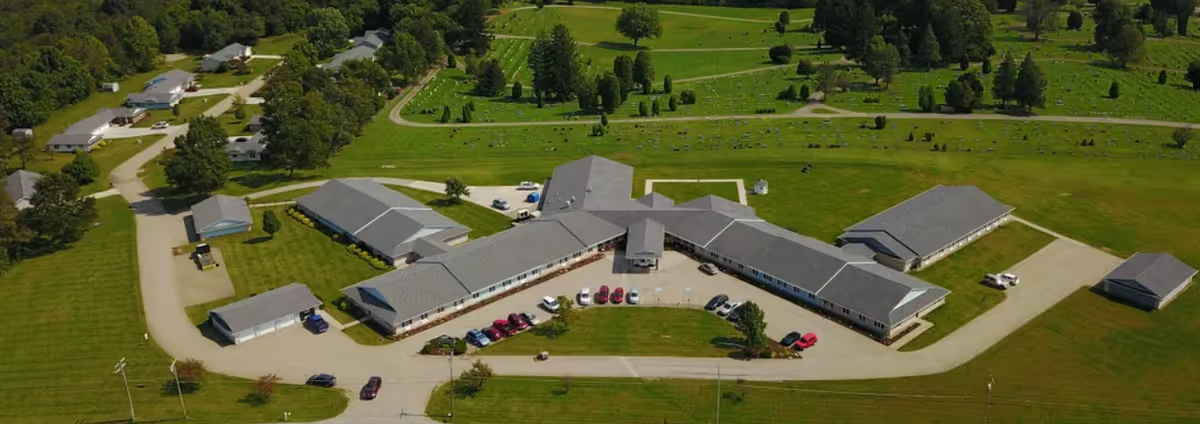
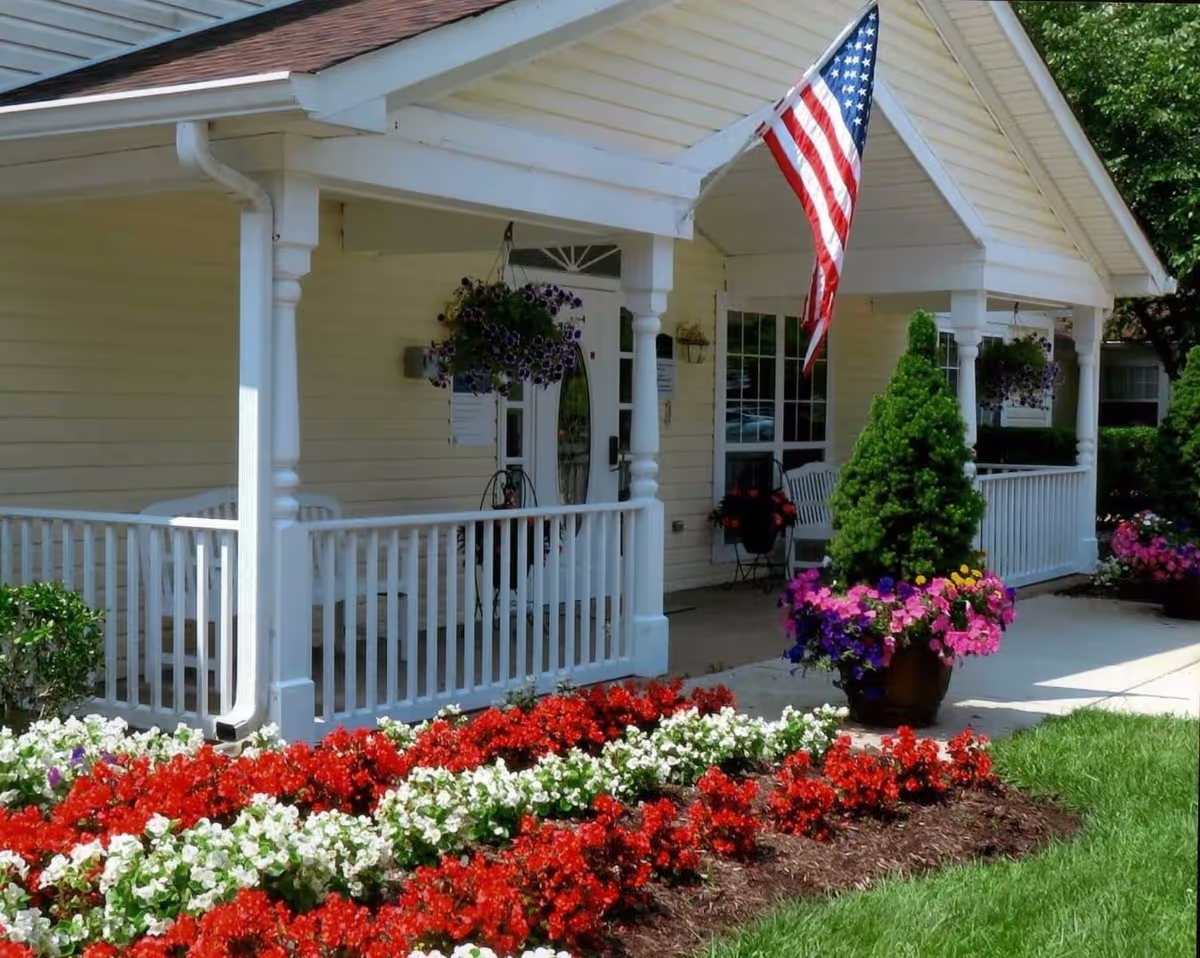
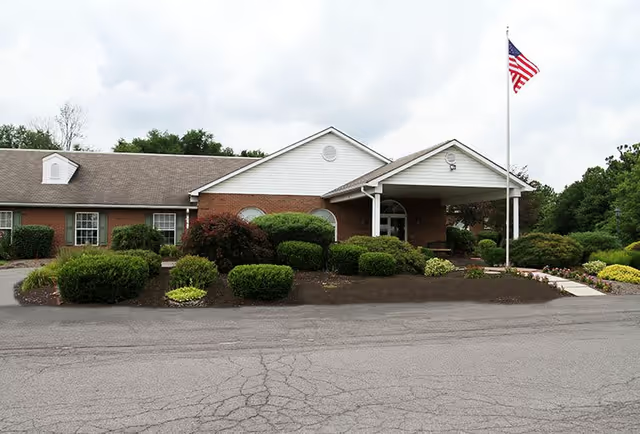
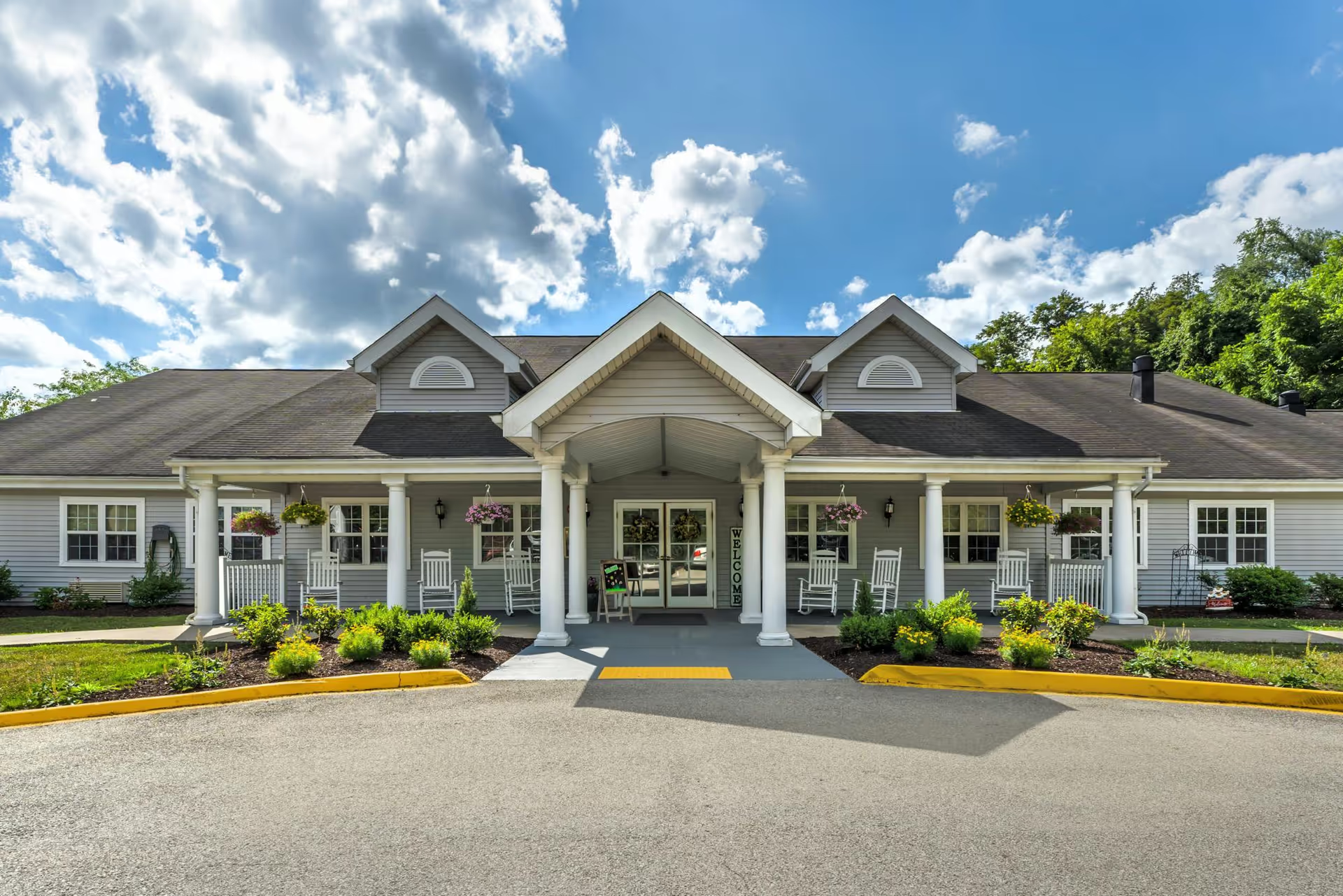
Dunlevy Manor presents as a small, locally owned personal care home with a pronounced home‑like atmosphere. Many accounts emphasize the facility's small scale (around two dozen residents), single‑floor layout, fenced yard and outdoor space, and a large communal dining area — features that support social engagement and easy mobility. The provider appears to prioritize social dining, home‑cooked meals and family‑style programming, which contributes to a sense of community for residents.
Care and staffing are frequently described as strengths. Reviewers highlight compassionate, attentive caregivers, a collaborative supervisory approach, and staff continuity — including a long‑tenured cook — that supports consistent day‑to‑day routines. Several reviewers noted effective coordination with hospice and other clinical providers, attention to residents' mental‑health needs, and pandemic‑era safety measures intended to limit risk while preserving routine visits. At the same time, there is evidence of variability in staff communication and conduct: some families describe excellent responsiveness and supervision, while others cite unreturned calls, billing disputes, and confusion during admissions or tours. Prospective families should inquire about current staffing levels, communication protocols, and how billing questions are handled.
Dining and activities are prominent positives. The facility is repeatedly praised for homemade, high‑quality meals, a monthly menu, and robust programming that includes physical therapy options, pet therapy, bingo, movie nights, beauty services, cookouts and occasional themed evenings. Weekly religious services are available onsite. These offerings align with the facility’s small scale and family‑oriented model and are likely to benefit residents seeking an active social calendar and communal meals.
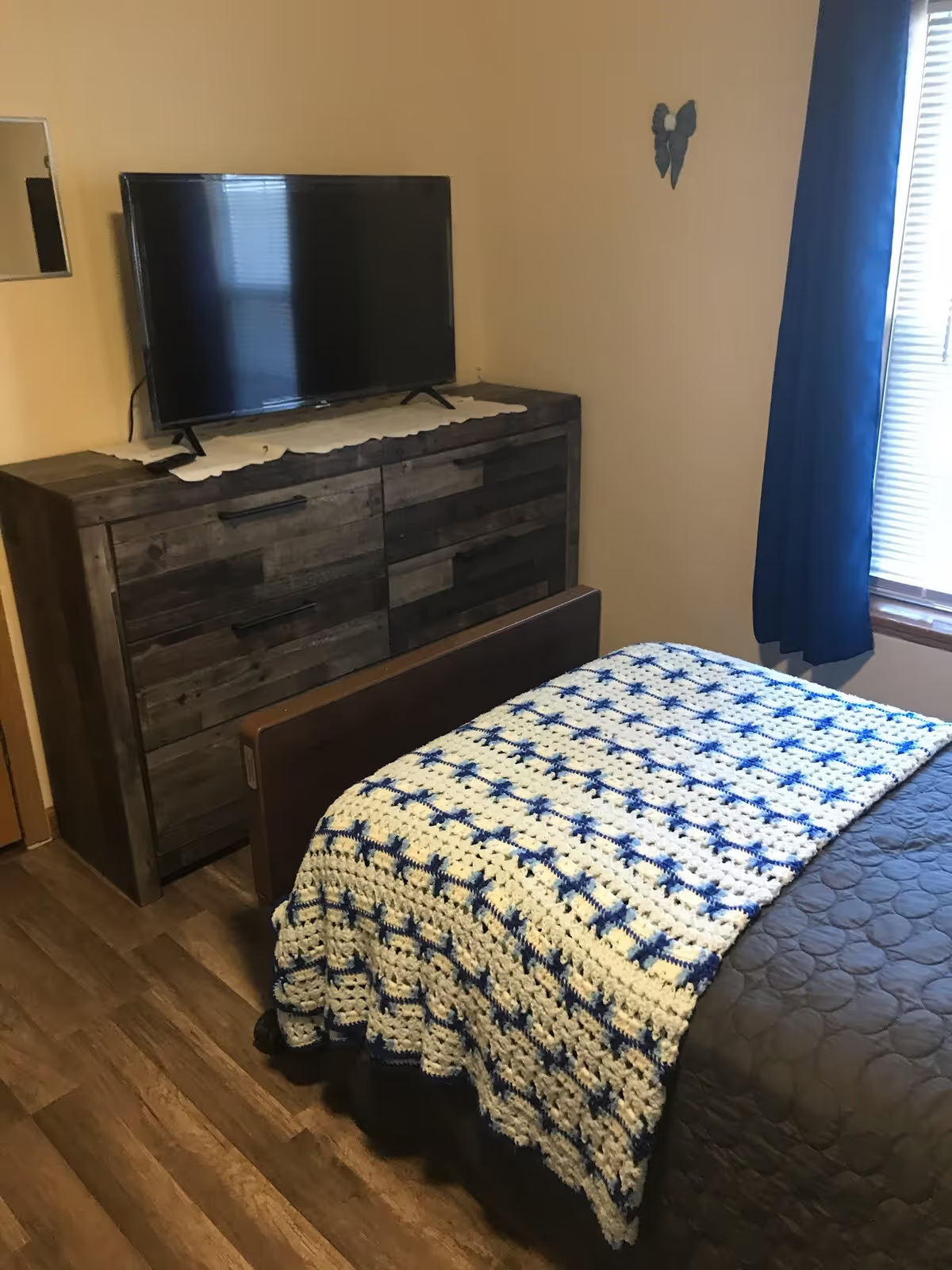
Facility condition and cleanliness present a mixed picture. Multiple reviewers describe a neat, well‑maintained, recently painted environment, while others raise sanitation and organizational concerns and characterize parts of the building as older or in need of renovation. There are also notes about shared bathroom configurations in some accommodations. Those differences suggest physical condition and housekeeping standards may vary by area or over time; visiting the unit(s) under consideration is advised to evaluate room condition, bathroom arrangements, and any planned maintenance or renovation work.
Management and operational consistency are areas to probe. While many families praise the family‑run, locally managed approach and a warm atmosphere, other accounts indicate gaps in admissions communication, inconsistent follow‑up after tours, billing discrepancies, and at least one serious complaint concerning timeliness of clinical response. These items point to potential variability in administrative responsiveness and emergency procedures. Prospective decision‑makers should ask for written policies on emergency response, staff‑to‑resident ratios, visitation rules, billing practices and grievance procedures, and verify recent references or inspections.
Overall, Dunlevy Manor appears to offer a small, community‑oriented environment with strengths in personalized care, home‑style dining, and active programming. However, reviewers also identify operational weaknesses related to facility upkeep in places, communication and billing processes, and emergency response consistency. An in‑person tour focused on the specific room, bathroom configuration, staffing levels, and administrative policies will help families determine whether the facility’s strengths align with a prospective resident’s needs and whether identified operational concerns have been addressed.