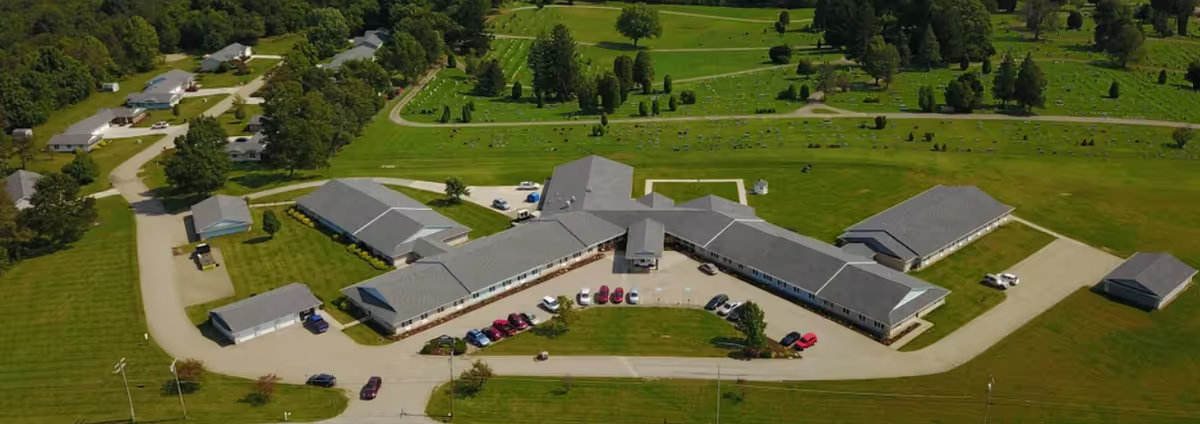
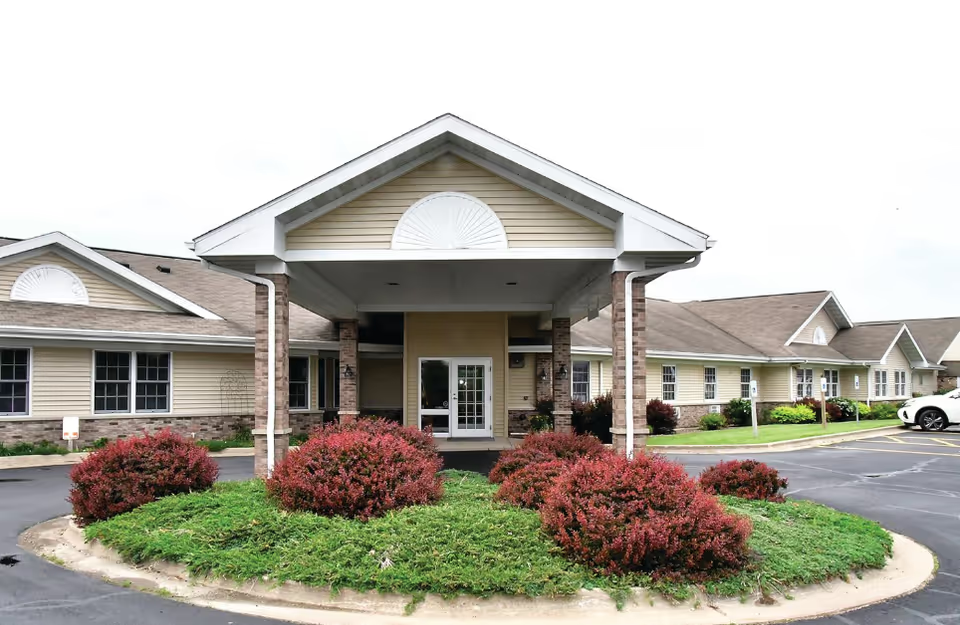
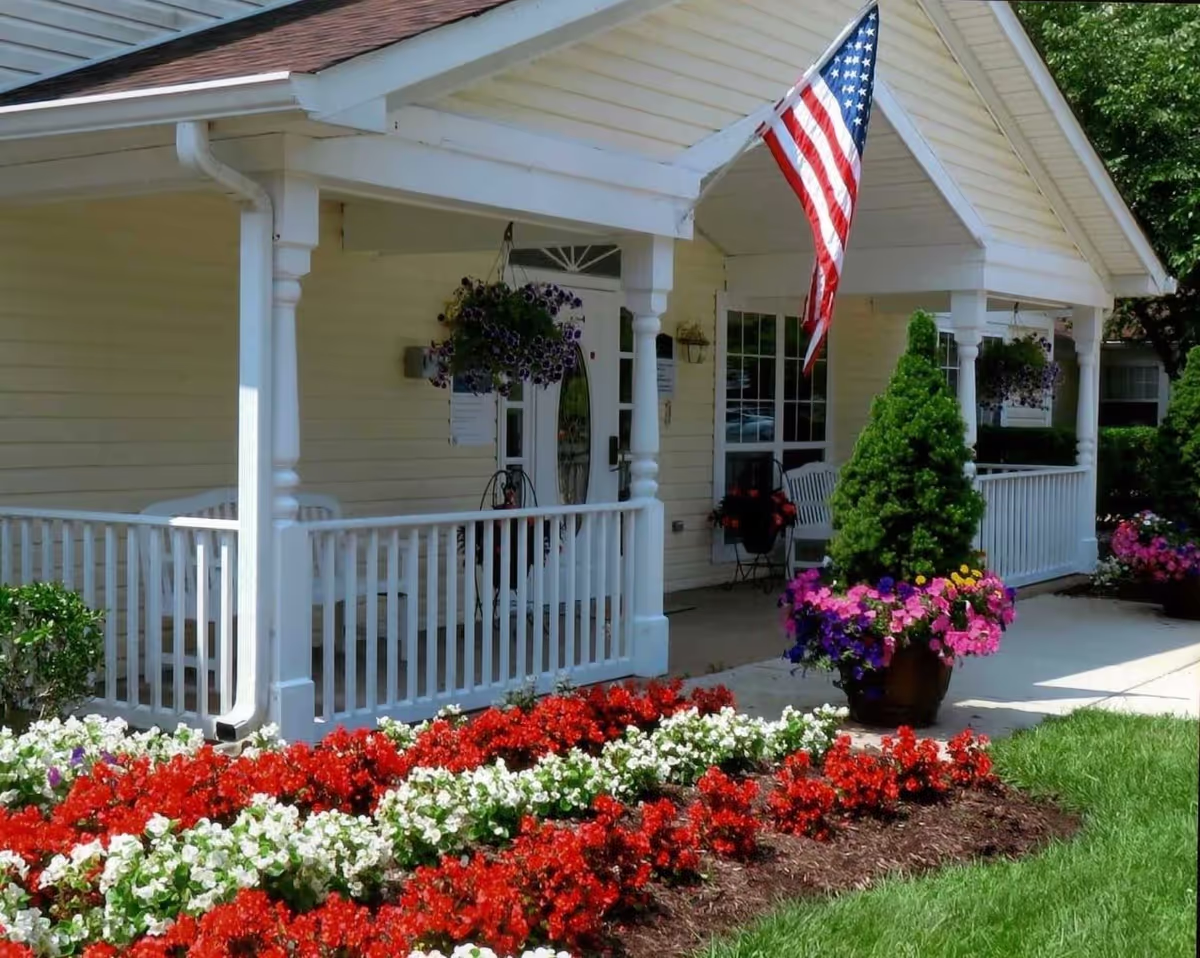
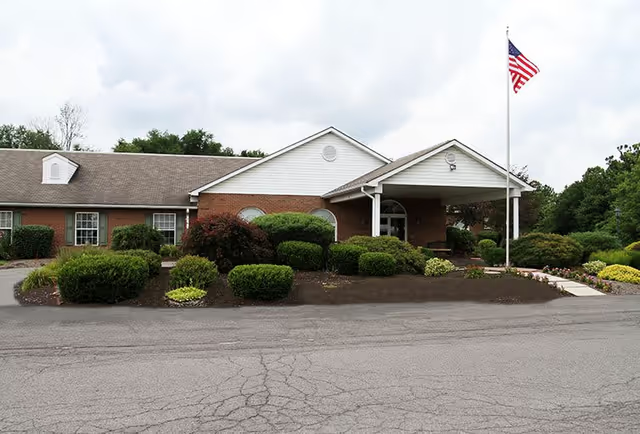
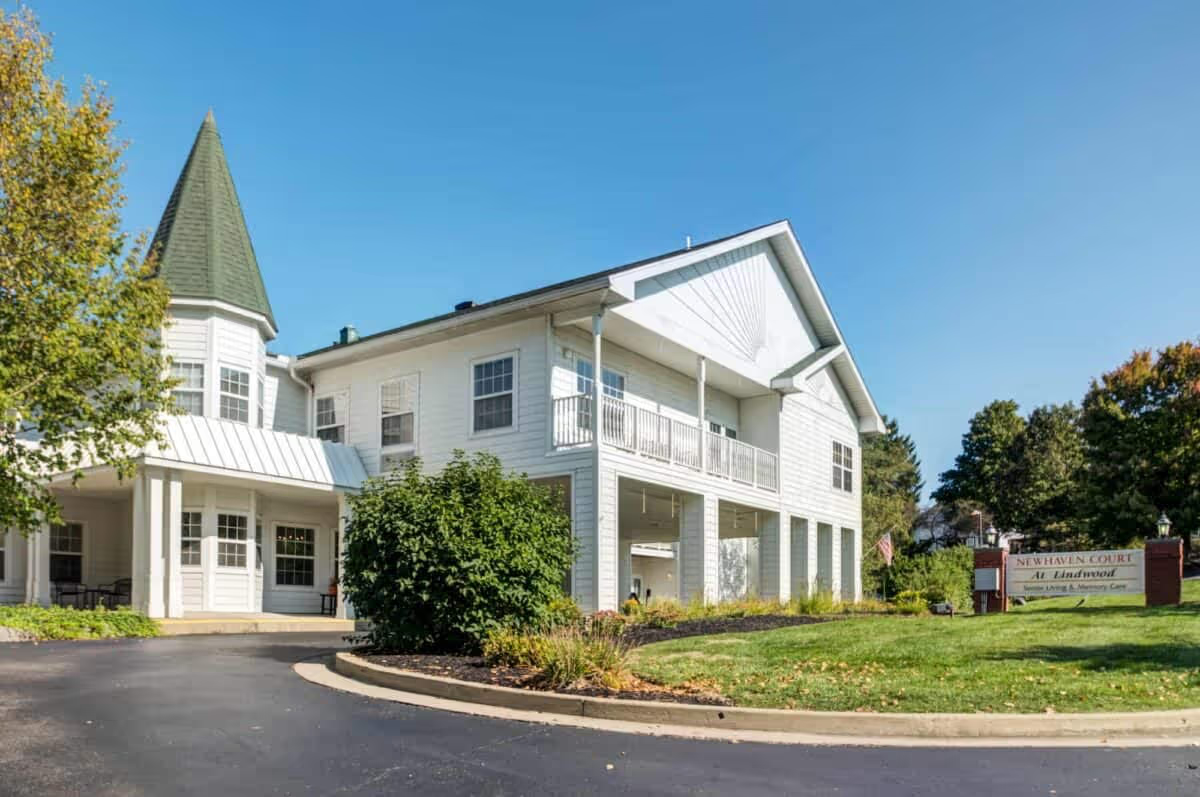
Overview The Addison of Uniontown presents as a small to mid‑sized assisted living community that several families describe as clean, well maintained and thoughtfully laid out. Strengths frequently cited include a single‑level design with a central courtyard, spacious apartments with galley kitchens, and multiple comfortable common areas that support social interaction. Accessibility features and a generally home‑like atmosphere are emphasized, as are high sanitation standards in food service areas.
Care and staff Care quality is a prominent positive theme. Reviewers highlight compassionate caregiving, attentive licensed nursing oversight, and staff who often go beyond basic duties to assist residents and families. Families commonly note clear communication about daily care and health concerns, which contributes to peace of mind and the ability to take time away. At the same time, there are consistent remarks indicating unevenness in staffing and training levels: while many describe well‑staffed, professional teams, others describe periods of understaffing or gaps in personal‑care tasks for residents with higher dependency. There are also a number of comments expressing concern about management conduct and communication tone, and about inconsistent follow‑up from administrative leaders; this appears linked in some cases to leadership turnover.
Dining Dining is generally viewed positively. Multiple reviewers praise varied meal options, appealing desserts and family‑style dining that fosters socialization. Food quality is often called a highlight, though reviewers also describe variability—complaints include occasional tough meats, a preference for stronger seasoning (high salt noted by some), and perceptions that kitchen leadership or culinary skill can vary. There are also specific operational complaints about advertised dining or meal‑related amenities not being delivered consistently.
Activities Activity programming is another area of strength. Families and residents report engaging, tailored activities and an activities director who adapts offerings to resident interests. Several reviewers note that programming became more consistent and better organized over time, although a small number observed that activity scheduling was uneven during periods of organizational transition.
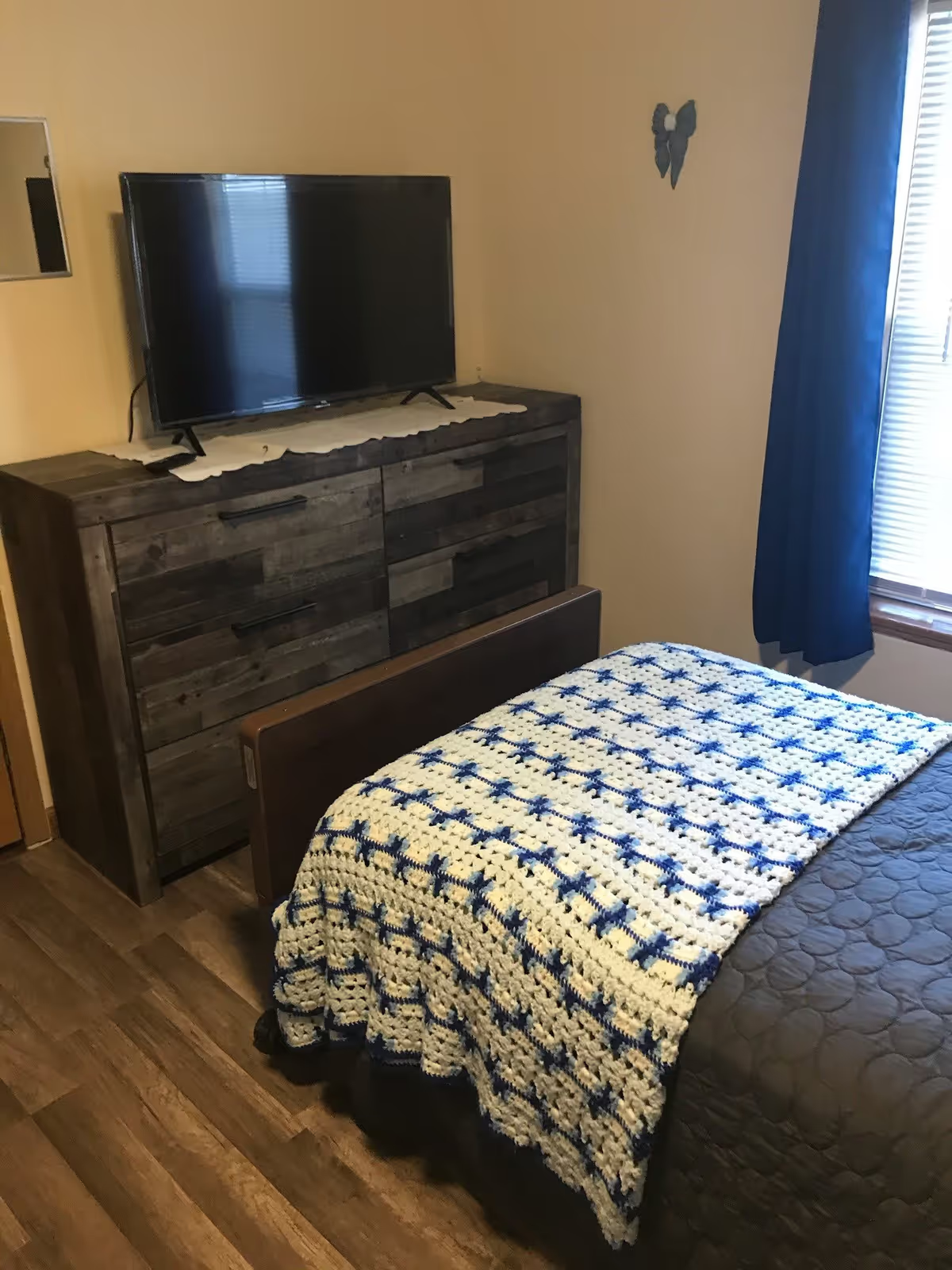
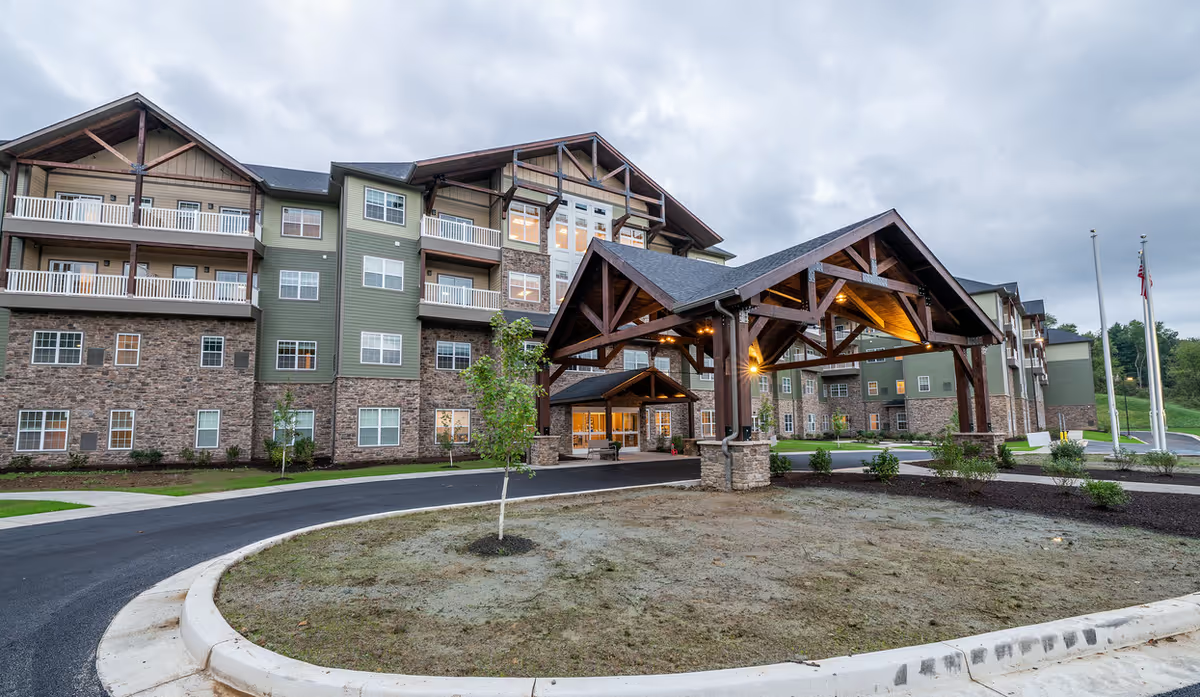
Facilities and amenities The physical plant is frequently praised: well‑designed rooms, a central courtyard, small‑group activity areas, and an overall bright, cheerful environment. Accessibility (including wheelchair access) and on‑site clinical conveniences such as periodic podiatry clinics are also positives. Some residents and visitors, however, perceive a more institutional or motel‑like feel in portions of the building, and the facility does not support extensive in‑unit cooking for those who wish to prepare most meals independently.
Management, marketing and costs Management impressions are mixed. Many families commend proactive, helpful managers and staff responsiveness, but others describe uneven administration, limited follow‑up, and leadership turnover. Marketing and admissions practices are a recurrent concern: reviewers cite instances where advertised services (for example transportation or guaranteed guest rooms) were not consistently available, which has led to perceptions of overpromising at move‑in. Financially, several families find the community to offer good value for the price; others note price increases and unexpected charges that affect long‑term affordability.
Notable patterns to weigh Overall the dominant pattern is of a community that delivers strong day‑to‑day caregiving, social programming and a clean, well‑appointed environment, with many families recommending the facility. Counterbalancing those positives are operational weaknesses centered on administrative consistency, occasional staffing and training gaps for higher‑dependency care, variability in some dining elements, and intermittent failures to deliver specific marketed services. Prospective residents and families would benefit from focused questions during tours about current leadership stability, staffing ratios and protocols for hospice/end‑of‑life coordination, the exact scope of transportation and guest‑room availability, and how additional charges are assessed and communicated.