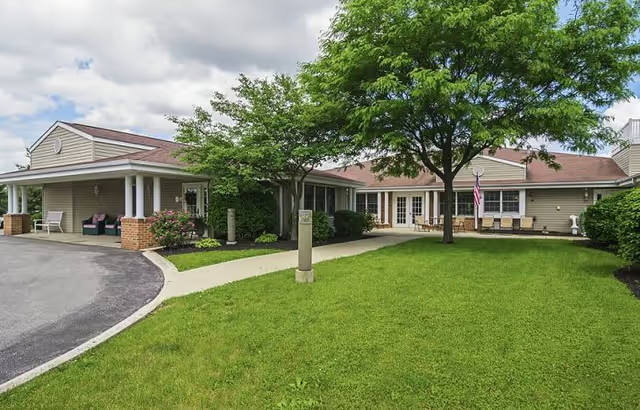
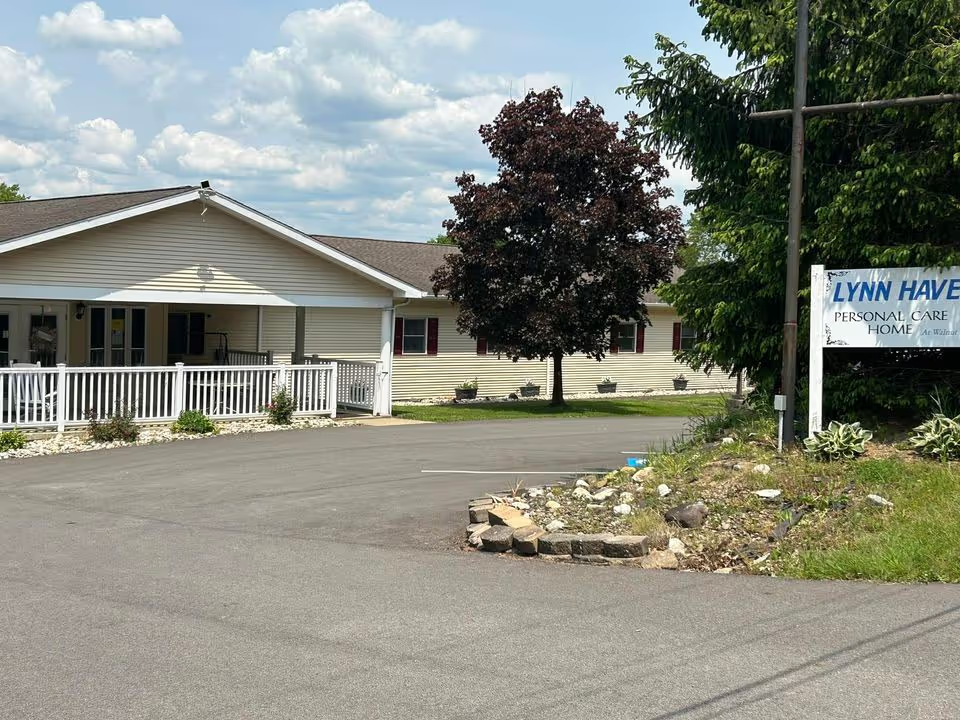
The reviews for Cambridge Ebensburg Senior Living present a polarized picture. Many comments describe a warm, home-like environment with compassionate staff, a friendly resident community, and a clean, well-appointed facility. Several accounts emphasize a recent positive shift under new executive leadership: staff accessibility (including personal phone numbers and virtual check-ins), improved teamwork, and a more responsive managerial approach. These strengths are reflected in staff reports that the community is a good place to work and in multiple mentions of above-and-beyond care and a newly opened memory-care unit staffed by trained nurses and caregivers.
Care quality shows mixed signals. On the positive side, reviewers praised attentive caregivers, well-trained nursing staff, and individualized attention that creates a family-like atmosphere. On the concerning side, there are recurring operational patterns that imply care delays and safety vulnerabilities: inconsistent staffing levels that can lead to delayed responses, specific concerns about the timeliness and quality of incontinence care, and gaps in fall-prevention and skin-integrity protocols. Relatedly, some comments point to issues with monitoring nutrition and hydration and to coordination problems when residents require hospital transfers or placement changes.
Staff culture and day-to-day operations also show divergence. Many describe supportive teamwork, staff who are caring and personable, and management that listens and follows through. However, other observations indicate inconsistent supervision and periods of inattentiveness during shifts, as well as uneven adherence to infection-control practices. Communication with families is another recurring theme: while some families experience prompt callbacks and direct access to staff, others report delays or poor follow-up after concerns are raised.
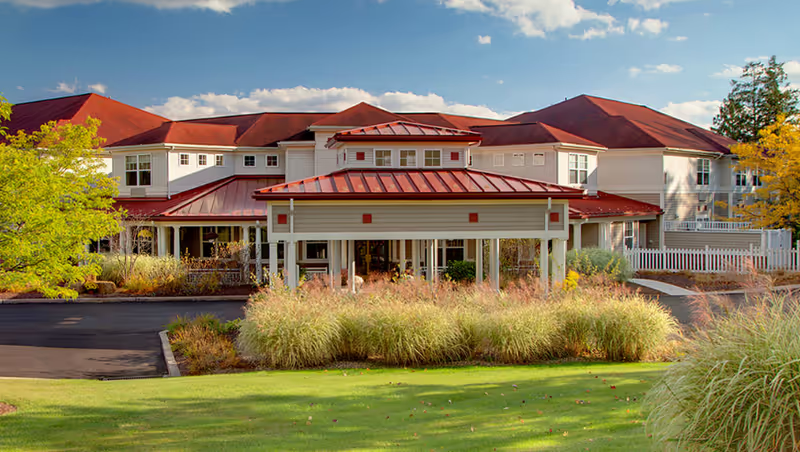
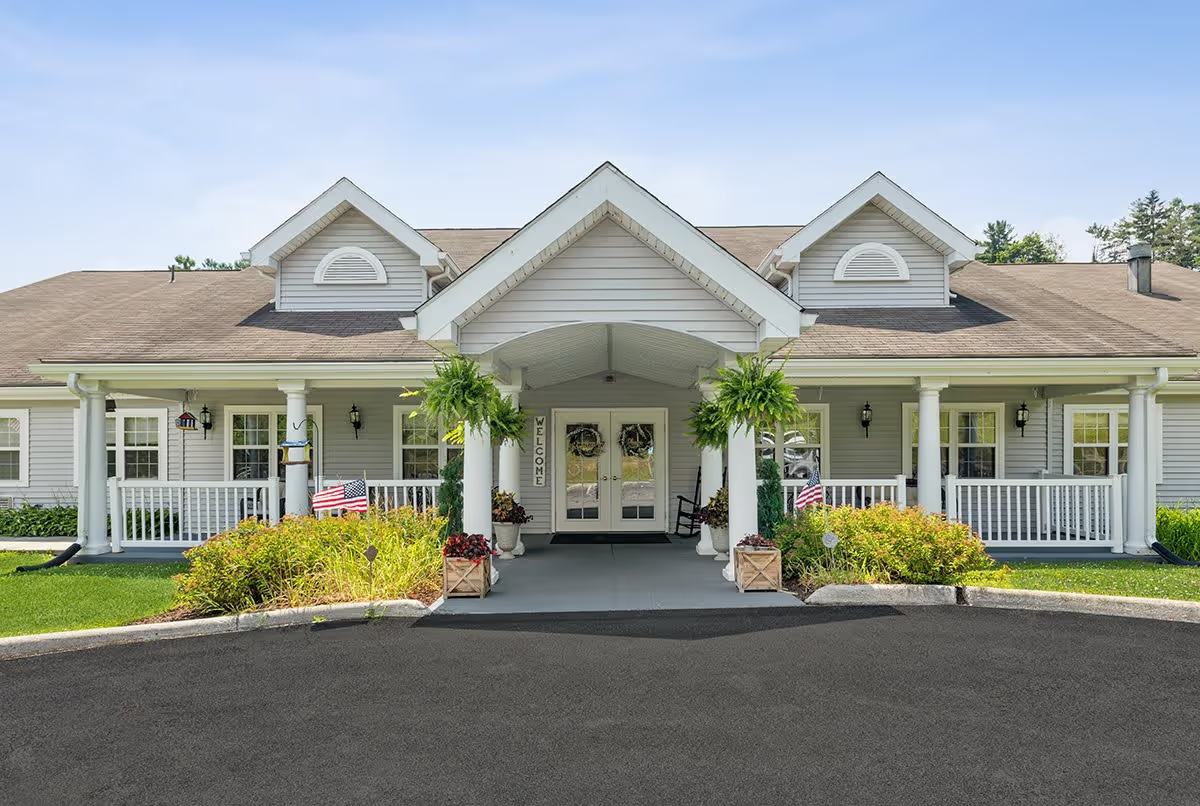
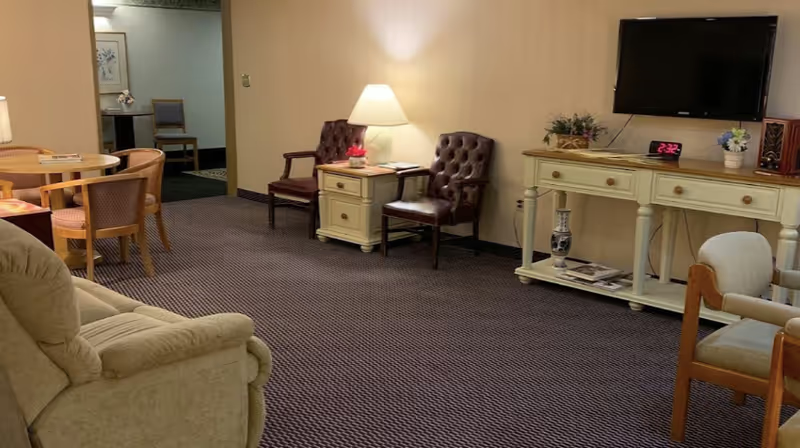
Dining, activities, and facilities are generally noted as strengths. The facility is described as attractive, clean, and well-furnished, with good food and a relaxed social atmosphere. The new memory-care unit and visible efforts at staff training were viewed positively by multiple reviewers. These elements contribute to the sense of a welcoming, home-like setting for many residents and families.
Management and leadership receive mixed evaluations. Several reviewers credit recent management changes and a new executive director with a notable turnaround in care and culture. Conversely, a subset of comments expresses frustration with administrative responsiveness and perceived resistance to criticism, suggesting variable transparency and escalation pathways for concerns. Prospective families should therefore confirm how the facility documents and responds to complaints, what staffing ratios are maintained across shifts, and how infection control, fall prevention, and incontinence care are monitored.
In summary, Cambridge Ebensburg shows clear strengths in atmosphere, facility upkeep, dining, and many caregiving relationships, especially following recent leadership changes. At the same time, there are consistent operational concerns around staffing consistency, certain aspects of clinical care and safety protocols, infection-control adherence, and family communication. Families considering this community should tour the facility, meet the leadership team, ask for specific policies and metrics (staffing ratios, wound and fall-prevention protocols, infection-control procedures, and communication protocols), and seek references from current families to assess whether recent management improvements have addressed earlier vulnerabilities.