The reviews for Maple Heights Health & Rehab Center display a mixture of clear strengths alongside recurring operational weaknesses. Positive feedback centers on rehabilitative care, activity programming, and pockets of highly engaged staff and administration; however, multiple functional concerns are raised about day-to-day operations, staffing, and communication. Prospective residents and families should weigh the facility’s strong therapy and social programming against variability in frontline service delivery and facility operations.
Care quality and therapy: Reviewers frequently praise the facility’s physical and occupational therapy programs, describing effective rehabilitation services and recommending therapy. Hospice and some nursing interactions were also described as attentive and supportive. Conversely, there are repeated concerns about inconsistent clinical follow-through — notably missed or delayed medication administration and variability in nursing responsiveness. Therapy availability also appears uneven at times, with some stays lacking expected PT/OT continuity.
Staff and communication: Several accounts describe compassionate, patient, and helpful direct-care staff who assist with ADLs and enable social engagement. At the same time, a pattern of inconsistent responsiveness emerges: unanswered phone calls, counselors not returning calls, long nurse wait times, and staff described as rude in some interactions. Understaffing is cited as a contributing factor to delayed responses and strained staff–resident interactions. There are also specific safety-related concerns involving accessibility of call devices and timely assistance during transfers or toileting needs.
Dining: Dining experiences are mixed. Some families note adequate meal support, while others report inconsistent meal service — meals arriving late, served cold, or missing items. These comments suggest variable food-service execution and occasional interruptions to meal continuity.
Activities and social services: Activities and social services receive consistently positive commentary. Reviewers highlight an active, resident-centered calendar and staff in social services who facilitate engagement and friendships, contributing to residents’ contentment and social well-being.
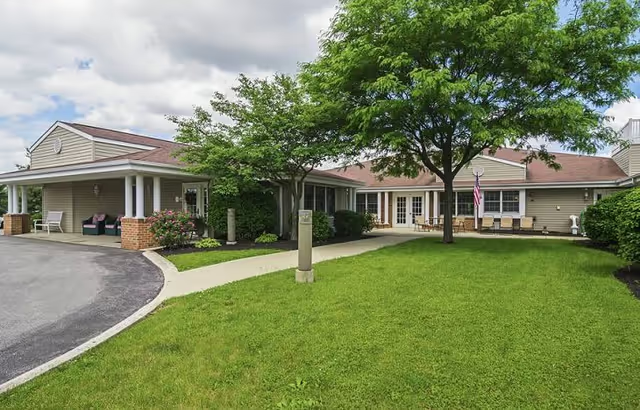
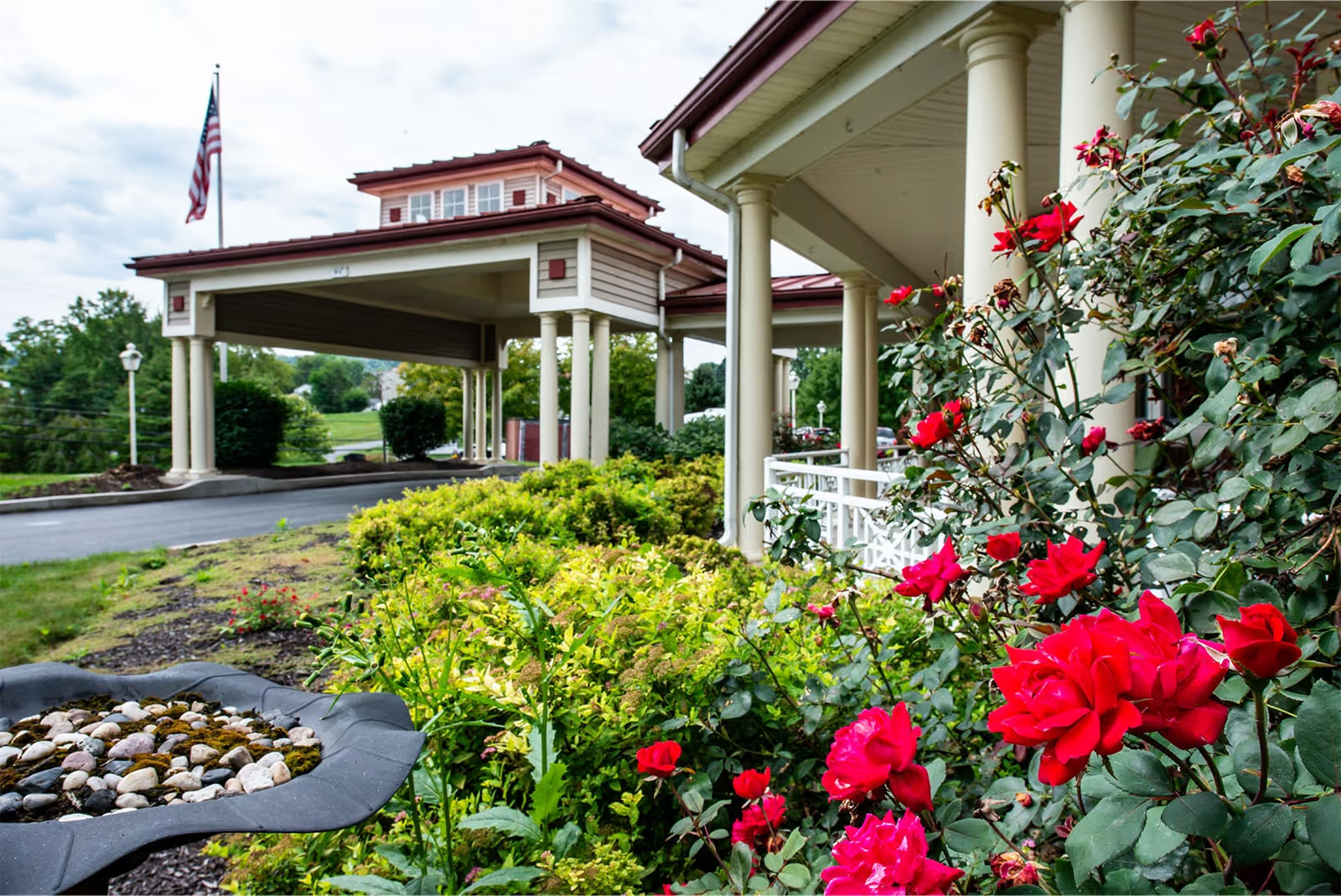
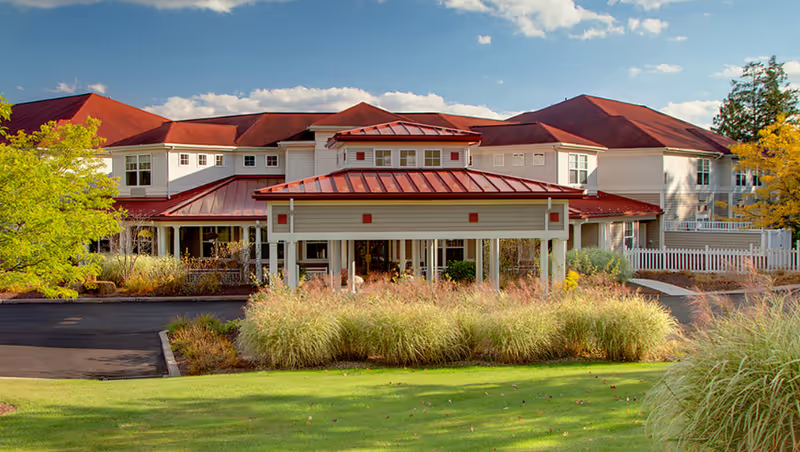
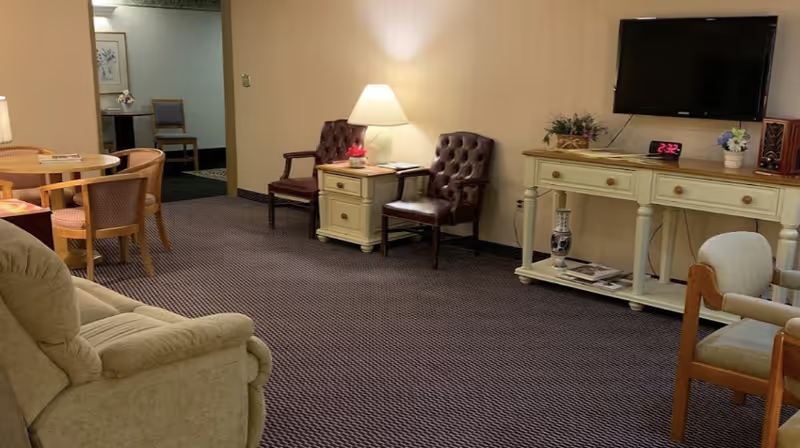
Facilities and maintenance: The facility’s common areas are described as clean and pleasant by several reviewers, and leadership presence is noted. However, there are recurring sanitation and maintenance concerns at the room and bathroom level, along with reports of unresolved maintenance issues. Additionally, reviewers raised worries about infrastructure reliability, including at least one mention of power outages, which points to gaps in emergency preparedness and utility resilience.
Management and administration: Administration and certain leaders are praised for being personable and effective; a named administrator drew positive remarks. At the same time, administrative processes show variability — there are reports of lengthy application/admission timelines and difficulties reaching the facility by phone. These administrative friction points, combined with inconsistent frontline responsiveness, create mixed impressions of leadership performance.
Notable patterns and practical considerations: The overall impression is heterogeneous: some residents and families report excellent care, strong therapy, and a clean, welcoming environment, while others encounter operational shortfalls in staffing, communication, medication management, meals, and maintenance. These patterns suggest that service quality may vary by unit, shift, or specific staff complement. Families touring or considering placement should ask about current staffing ratios and skill mix, medication-administration safeguards, call-bell functionality, therapy schedules and continuity, meal-service processes, recent sanitation audits, and emergency/utility contingency plans to better understand the facility’s current operational status.