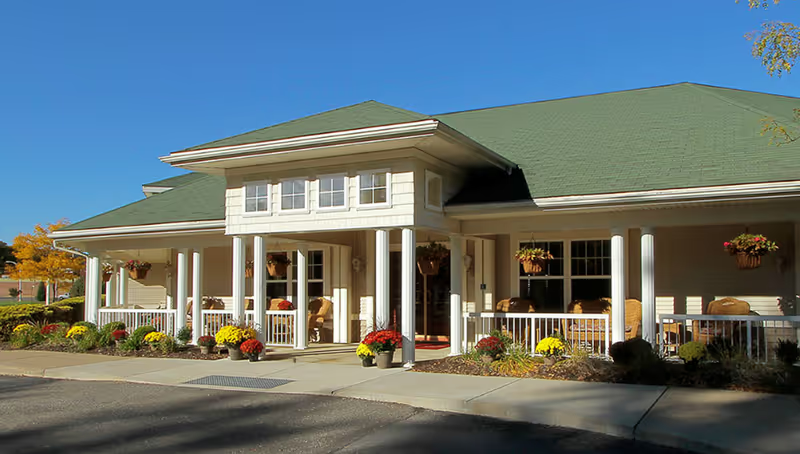
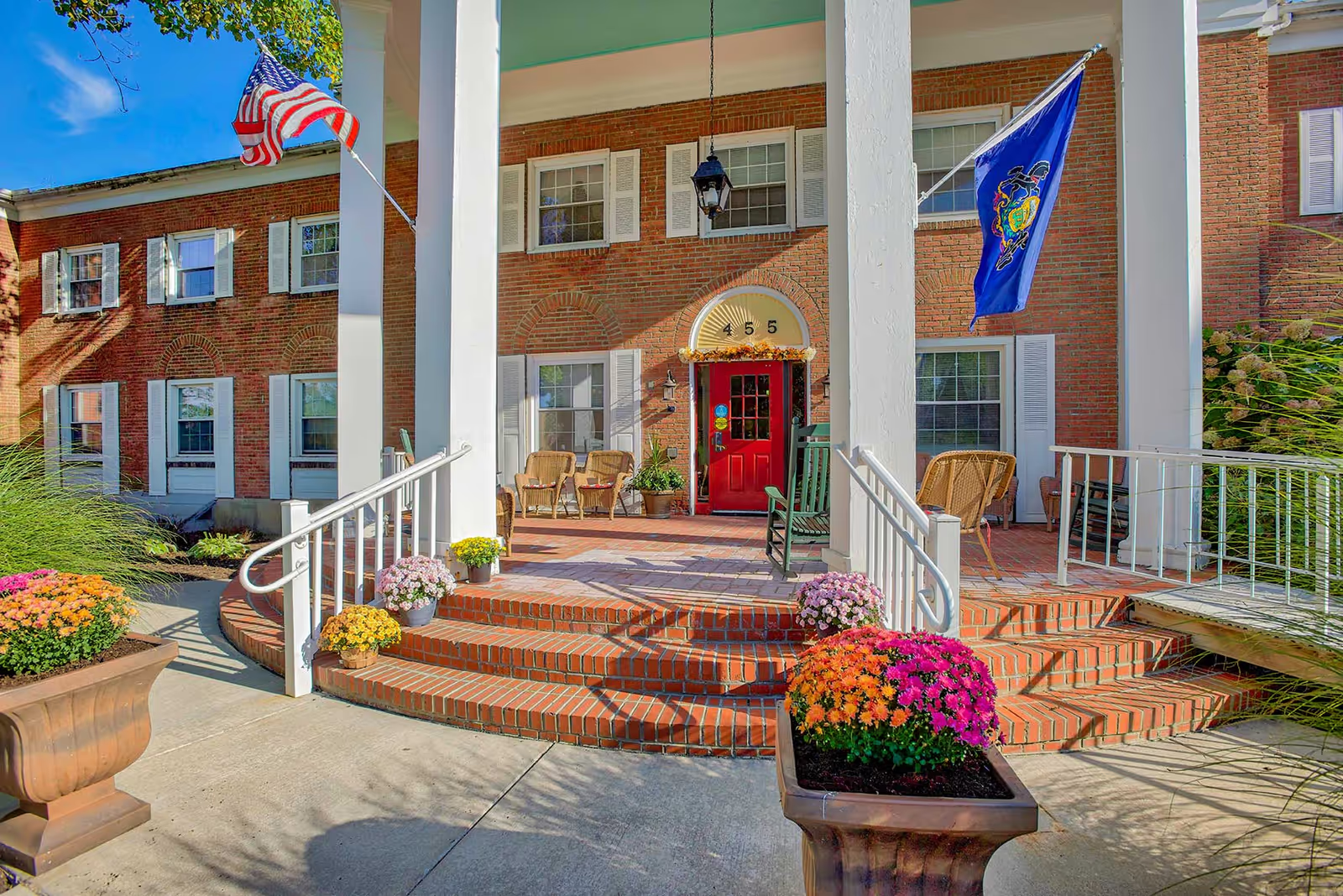
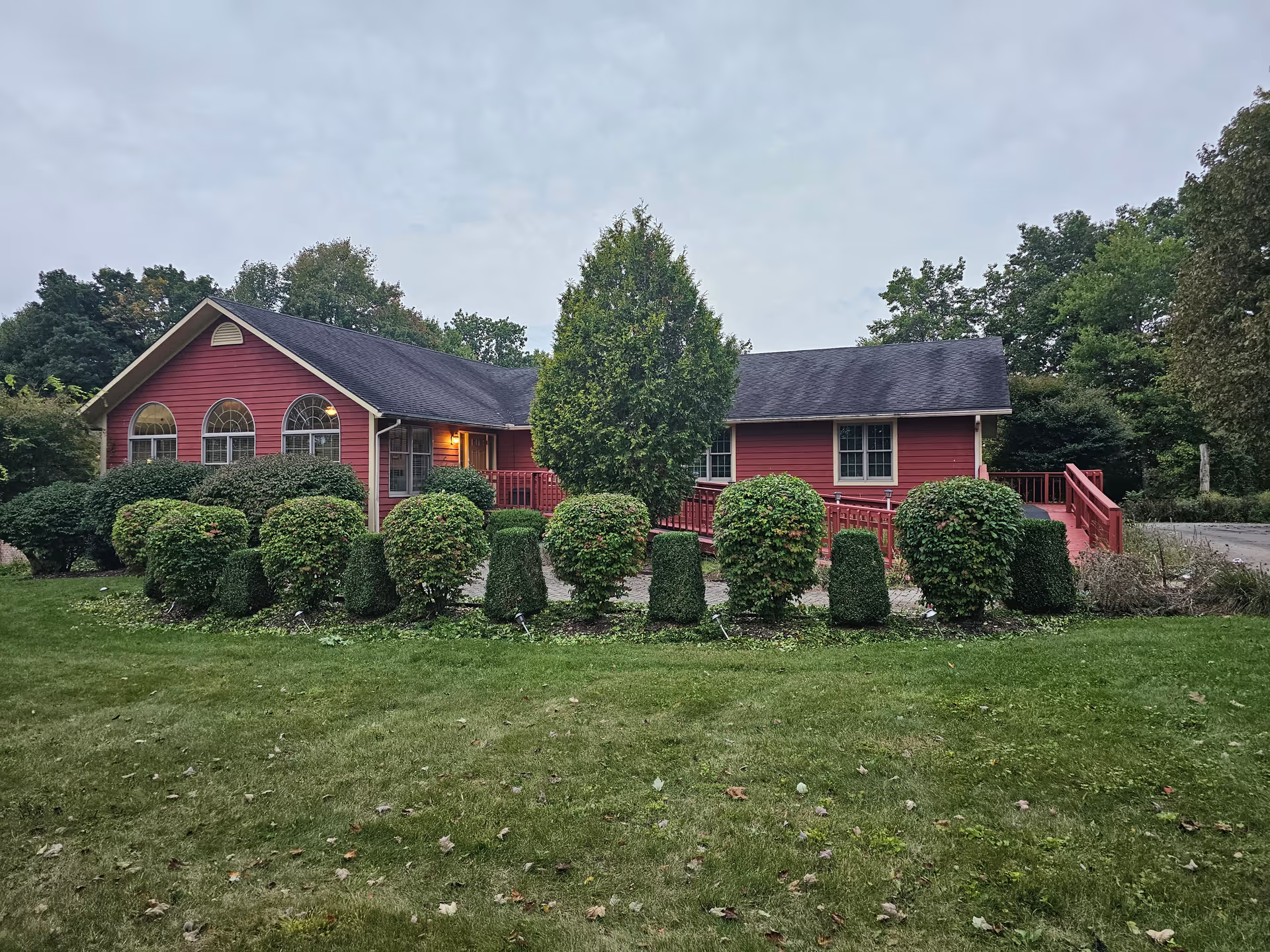
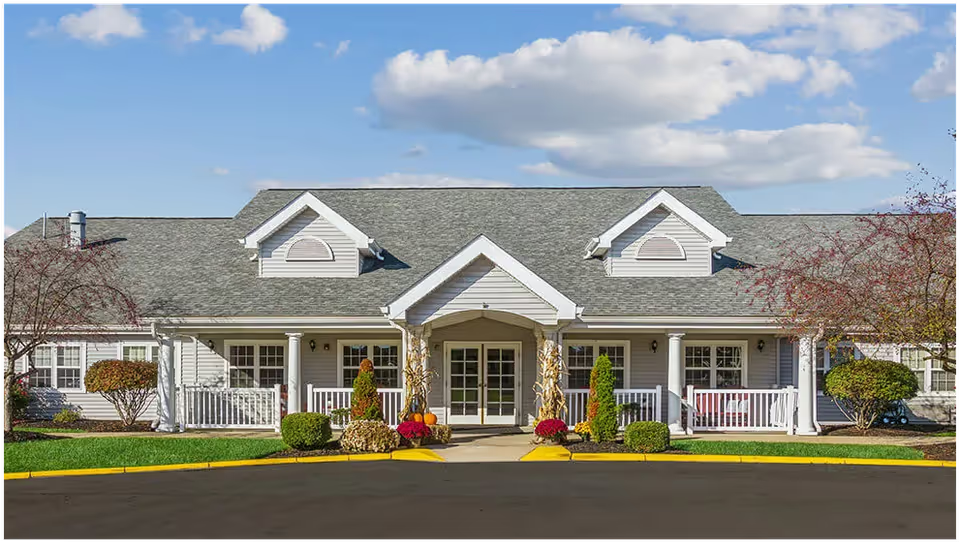
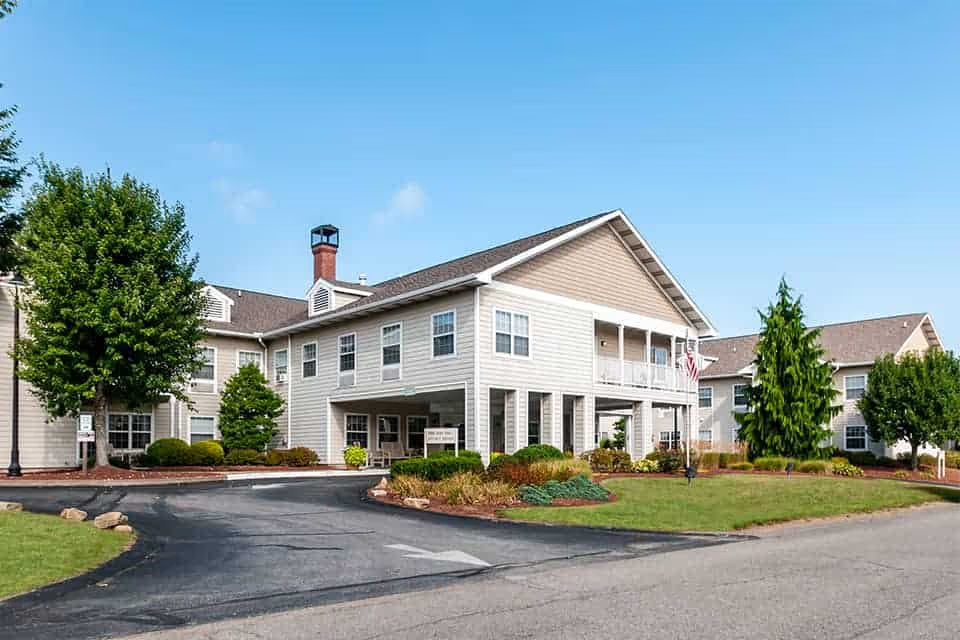
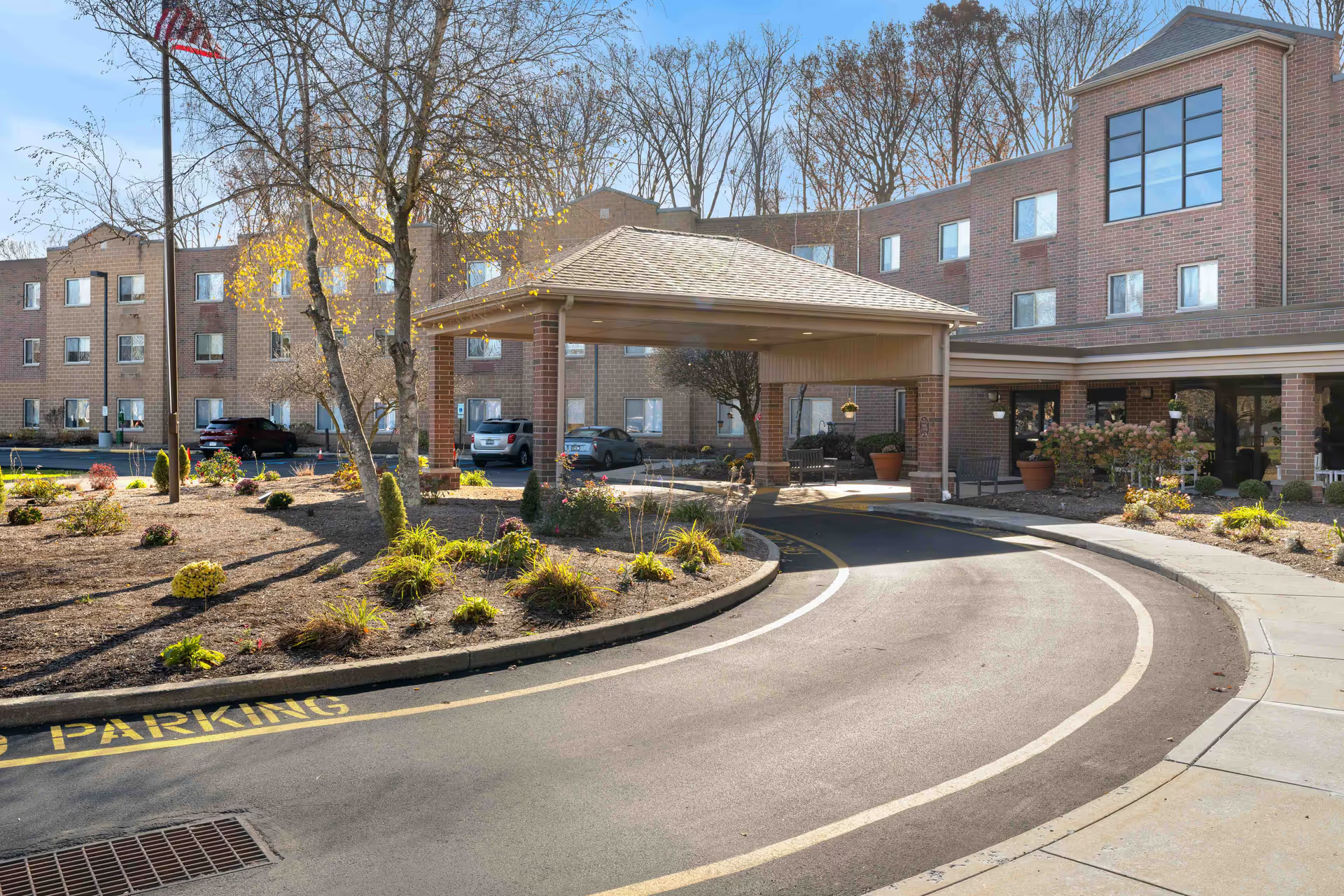
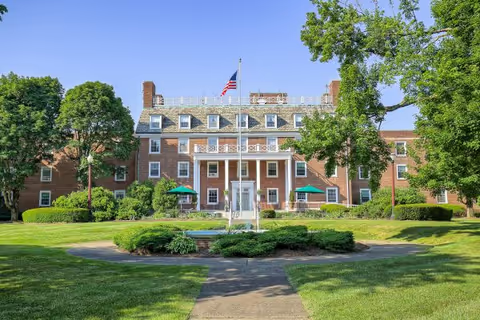
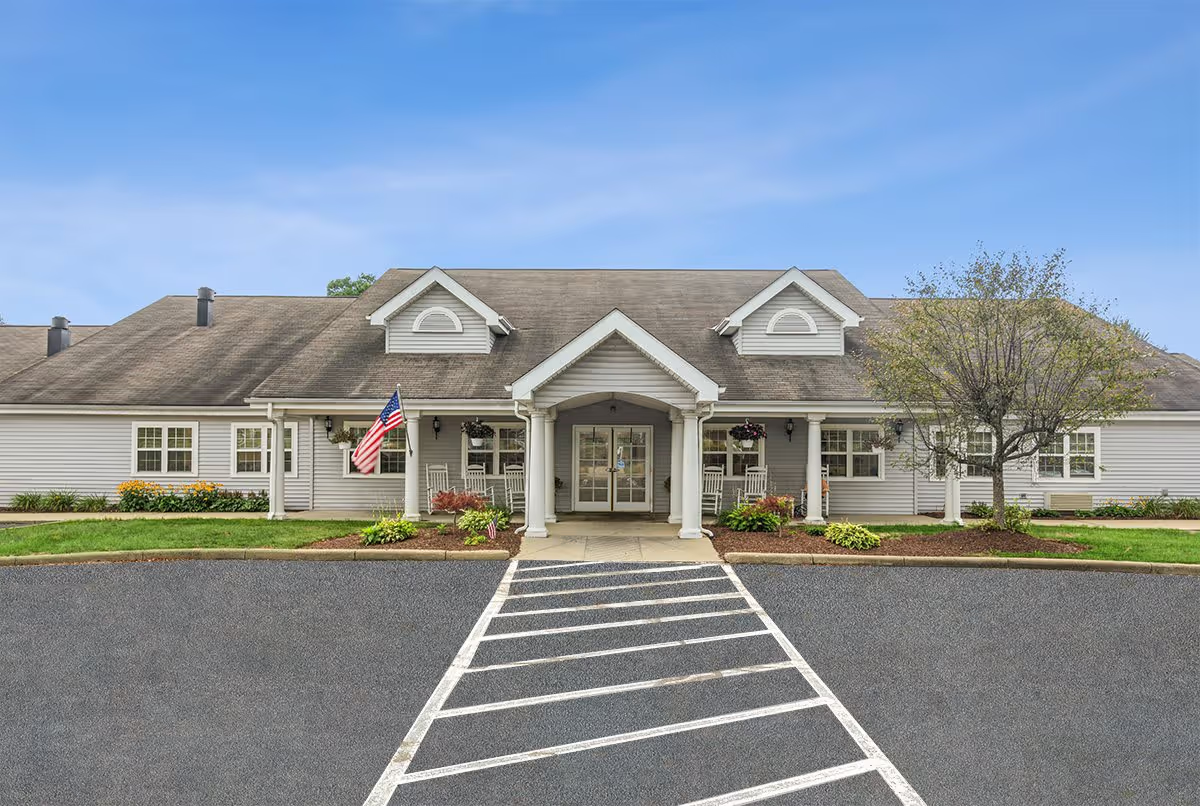
Caring Place presents a mixed picture in these reviews. Strengths repeatedly cited include competent nursing, a clean and well-maintained environment, and a strong rehabilitation and recovery setup. The facility’s riverside location, outdoor spaces, and scenic views are commonly praised, as are the active recreational programs (bingo, puzzles, games) and faith-based offerings such as an on-site chapel and church services. Several families highlighted caring, engaged staff members and administrative personnel who provided effective follow-up and helped facilitate safe discharges home.
Care quality observations are mixed. Many reviews commend nurses, therapy and dietary teams for attentive care and good clinical skill. However, recurring operational concerns include uneven frontline caregiver bedside manner, delayed responses to call bells, and periodic staffing shortages that can affect continuity of care. Clinical-process gaps were described around toileting assistance and related infection risk, medication-administration errors, and insufficient mealtime help for residents who require feeding support. There are also mentions of fall-related monitoring and response weaknesses that prospective families should evaluate during a visit.
Dining, activities, and amenities were often seen as positive: food quality described as decent by some, with plentiful beverage options and organized activities that engage residents. The campus offers family-friendly touches such as a visiting dog program, holiday events, a gift shop, and flexible room configurations including in-room showers. Facility-level concerns include limited availability of private rooms, relatively small room sizes in some units, and extra fees for certain basic amenities (television, phone) that affect overall cost-of-care considerations.
Management and communication patterns show contrast. Positive accounts note organized admissions, responsive administrators, and staff who go beyond expectations. Conversely, reviews also point to unclear communication during tours (assisted living versus skilled nursing distinctions), an operational emphasis on private-pay arrangements, and gaps in social-services coordination. A few reviews raised allegations of discriminatory language and inappropriate staff conduct and described troubling experiences with end-of-life care coordination and family notification; these are serious issues that merit direct questions about policies, staff training, and oversight during any evaluation.
Overall, Caring Place appears to offer strong rehabilitation services, a clean environment, active programming, and compassionate caregiving in many cases, but it also demonstrates recurring operational weaknesses that can affect vulnerable residents—particularly in staffing consistency, responsiveness, toileting and medication processes, and family communication. Prospective residents and families should tour the facility, ask specifically about staffing ratios, call-bell response times, fall-prevention protocols, medication-safety measures, private-room availability and fees, and the facility’s processes for communicating care-plan changes and end-of-life decisions.