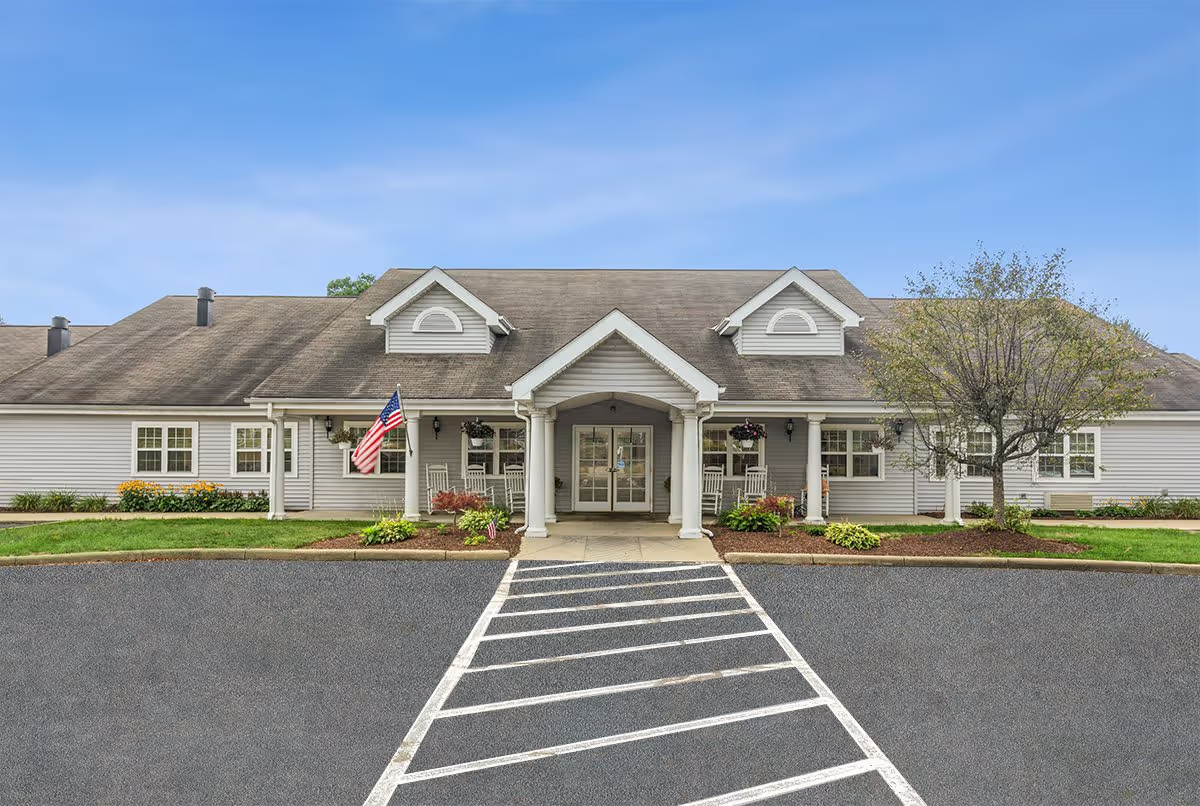
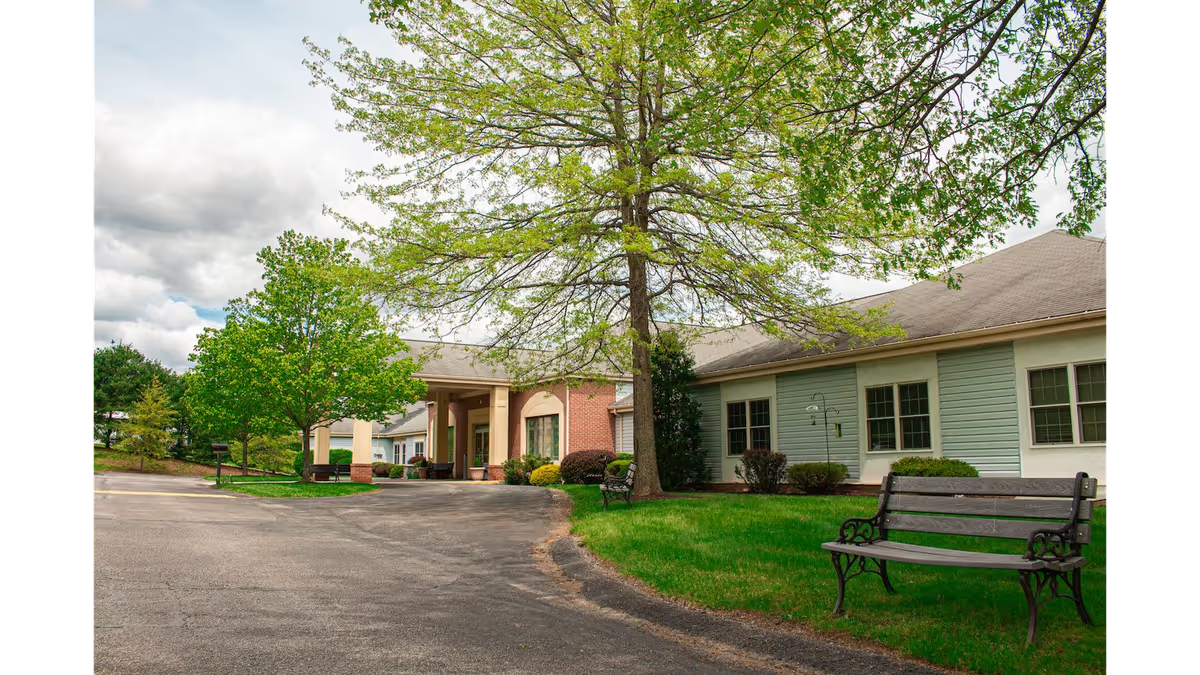
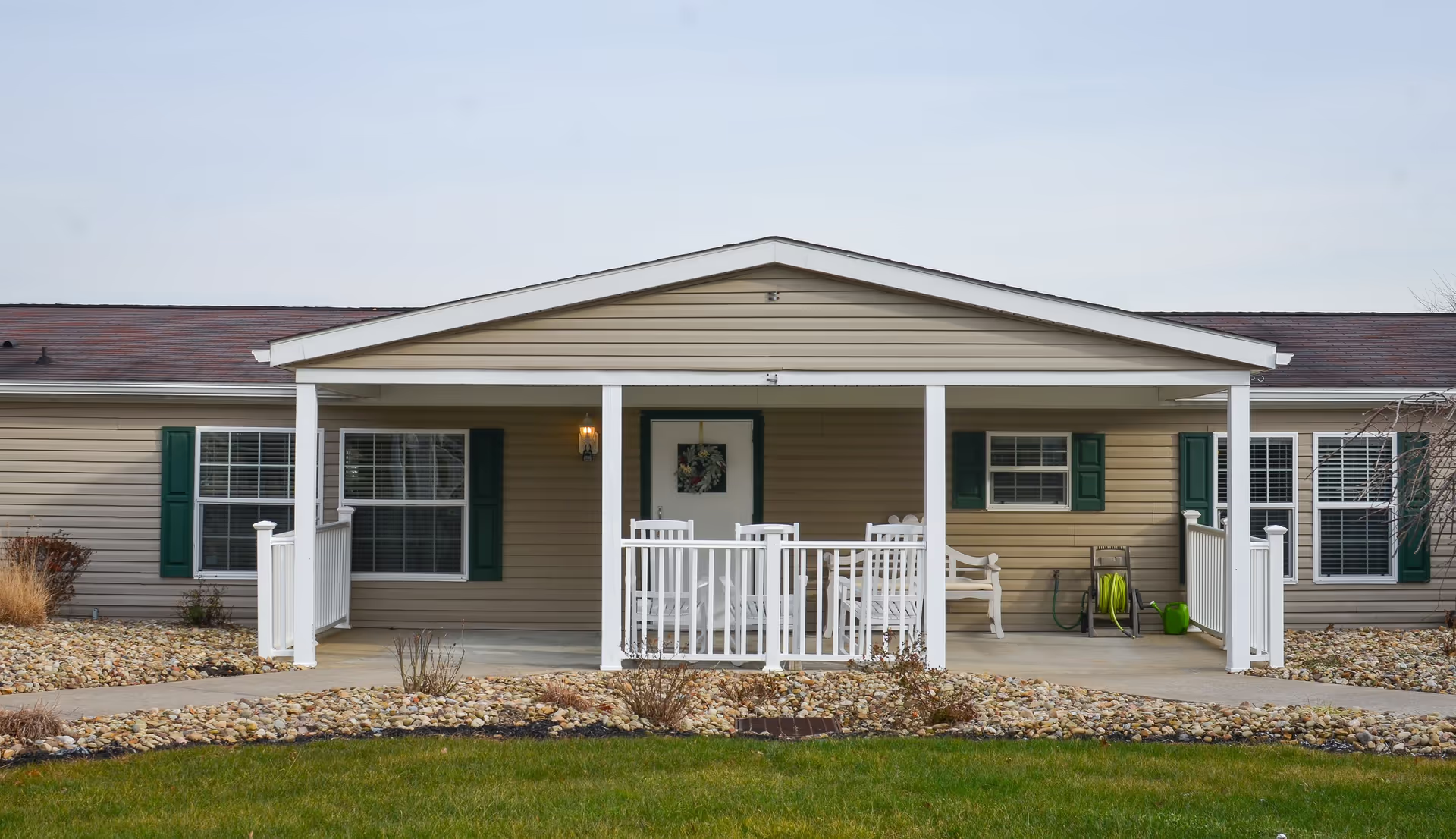
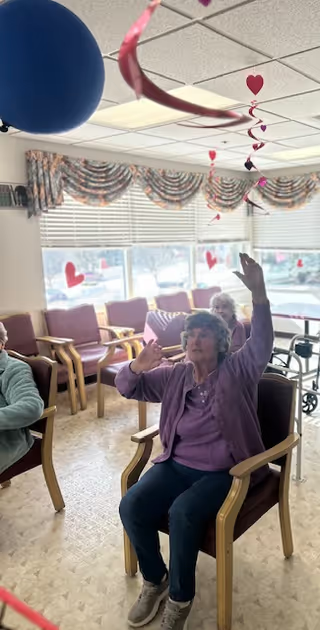
The review set presents a strongly polarized picture of The Grove at Harmony. Many families and former residents praise the frontline staff, therapists, and activity teams: rehabilitation outcomes (OT/PT), attentive aides, named staff liaisons, and a robust calendar of social events and religious services are recurring positives. These accounts describe a home-like environment for some residents, individualized medication assistance, helpful discharge coordination, and staff-led entertainment that supports social engagement and quality of life.
Counterbalancing those positive accounts are consistent operational concerns. Staffing levels and scheduling reliability emerge as a major pattern; reviewers describe frequent shortages, high turnover, and aides stretched across many residents. Those staffing weaknesses are linked in accounts to delays in clinical responsiveness, gaps in safety oversight, and inconsistent delivery of basic care tasks (including linen changes and bathing). Several narratives also reference pressure-related injuries and transfer/supervision issues, suggesting uneven adherence to clinical safety practices.
Dining and environmental management are other key areas of divergence. On the positive side, some reviewers describe good meals and clean rooms; on the negative side, there are repeated descriptions of inconsistent food quality, interrupted meal service, and food-safety or pest-control concerns connected to kitchen and basement areas. Housekeeping and maintenance appear uneven as well: ongoing remodeling and painting are noted, yet other reports cite maintenance delays and sanitation issues in specific areas.
Management and administrative practices are a frequent source of dissatisfaction. Common themes include poor communication with families, delayed or incorrect billing (including problematic Medicaid processing and post-discharge billing), and perceptions of unprofessional administrative behavior. These management issues appear to contribute to a negative workplace culture for staff — reviewers mention staff being treated poorly, which correlates with reports of high personnel turnover and concerns about theft and financial misconduct in a few accounts.
Notably, the reviews include both concrete praise for individual employees (several staff members are named positively) and serious allegations about operational failures. Prospective families should expect variable experiences: the facility demonstrates capacity for strong clinical and social programming but also shows recurring gaps in staffing, administration, food-service, sanitation, and dementia-specific capability. When evaluating this facility, consider asking targeted questions about current staffing ratios, dementia care protocols, infection-control and pest-control measures, meal-service oversight, billing practices, and processes for family notification and end-of-life coordination. A direct meeting with administrators and a tour that checks both communal and back-of-house areas (kitchen, laundry, medication storage) will help assess whether the facility’s strengths are consistently realized in practice.