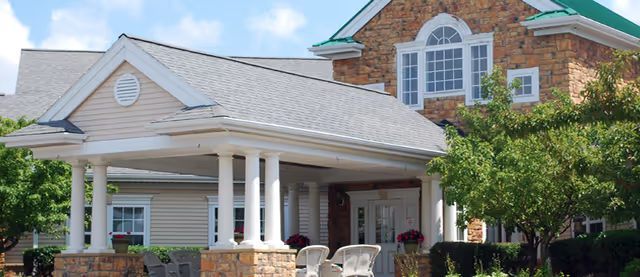
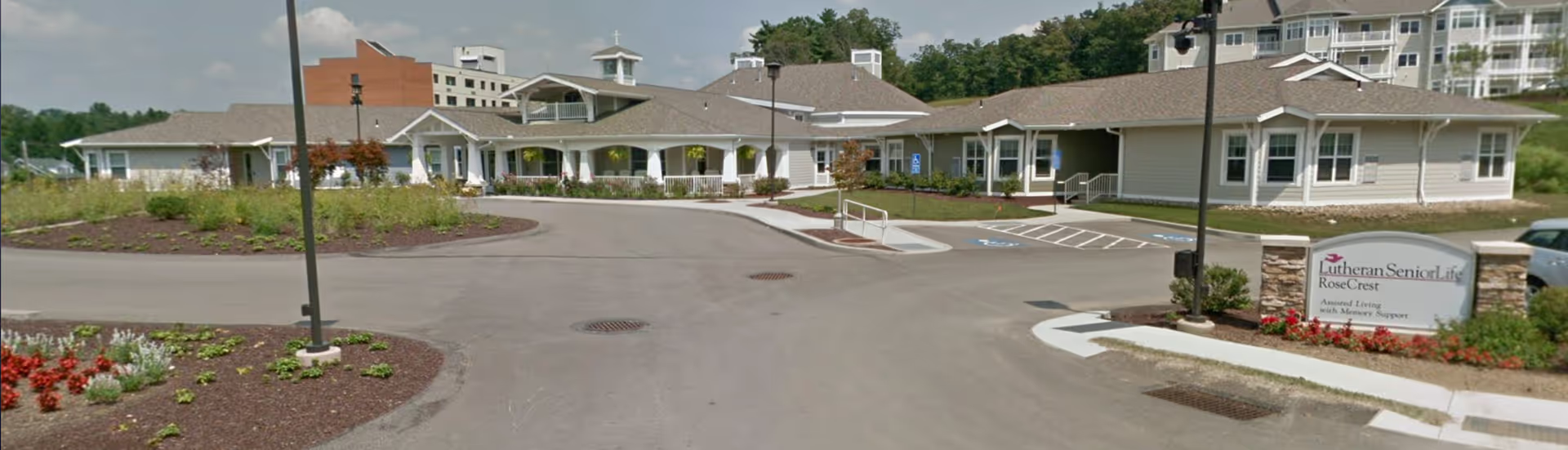
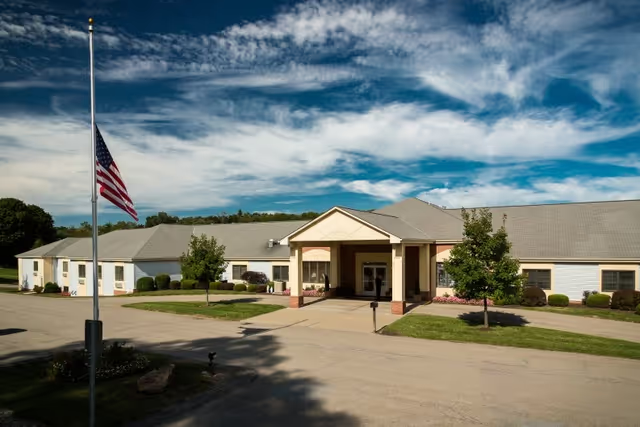
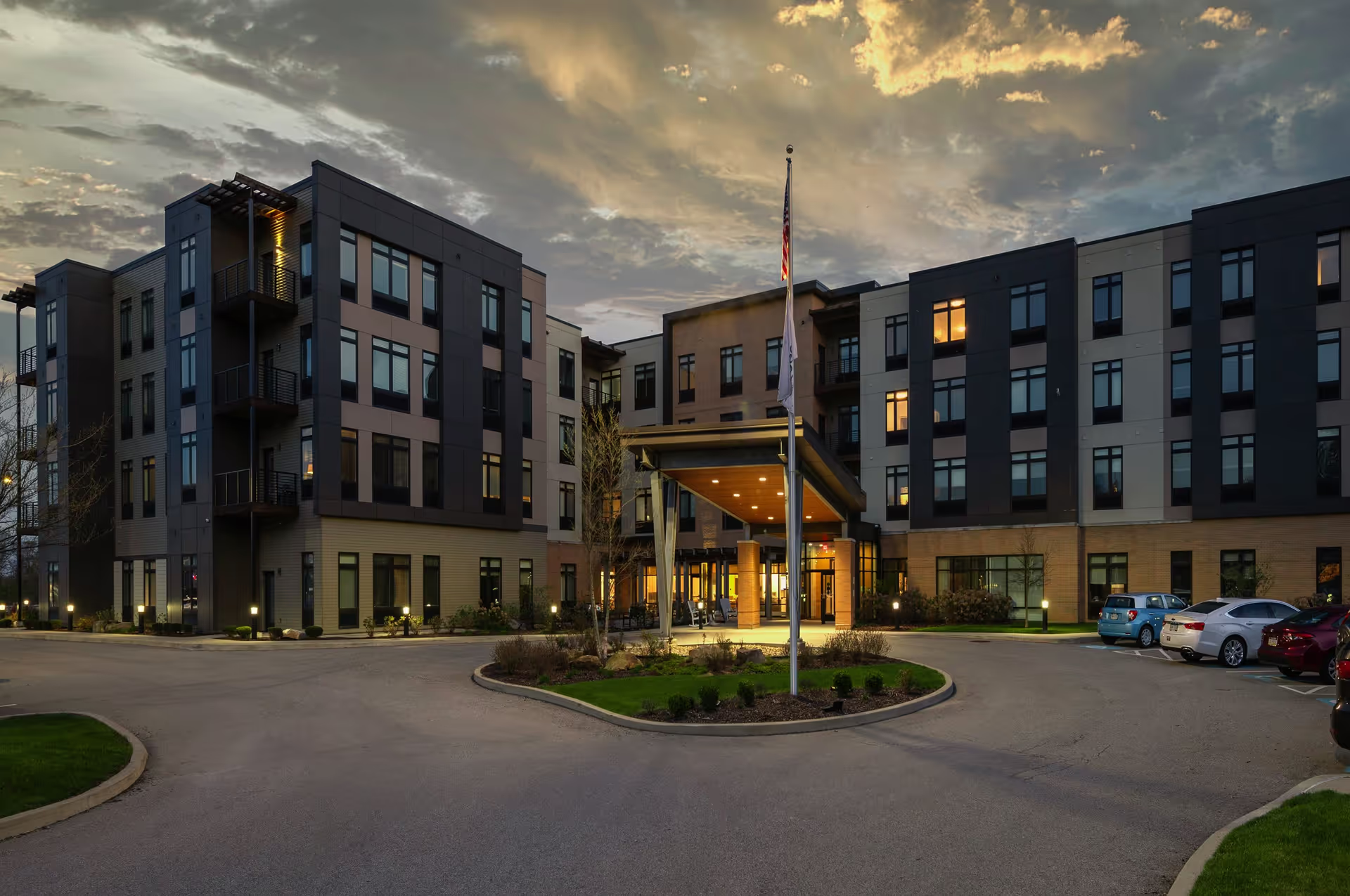
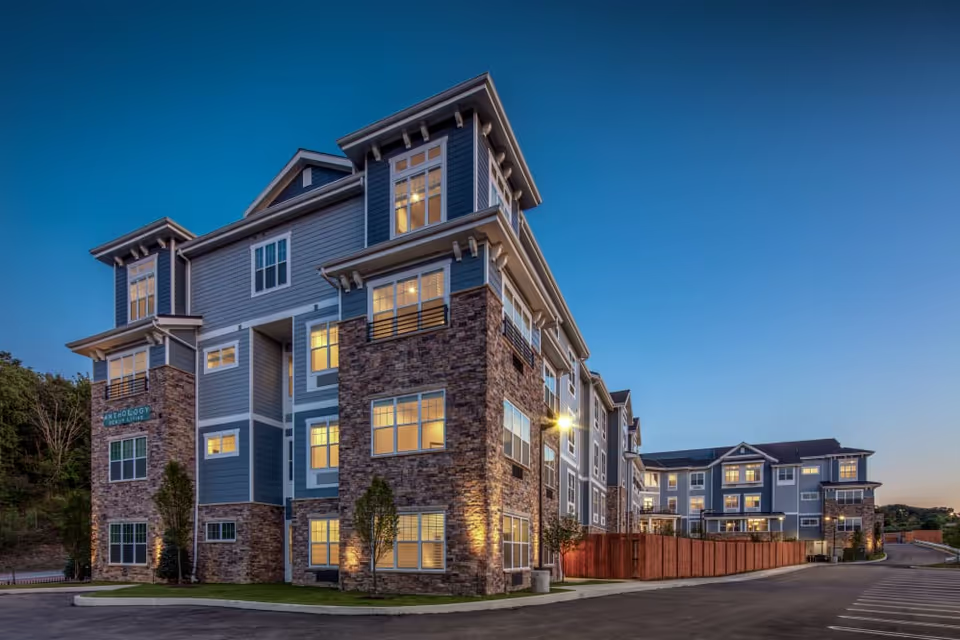
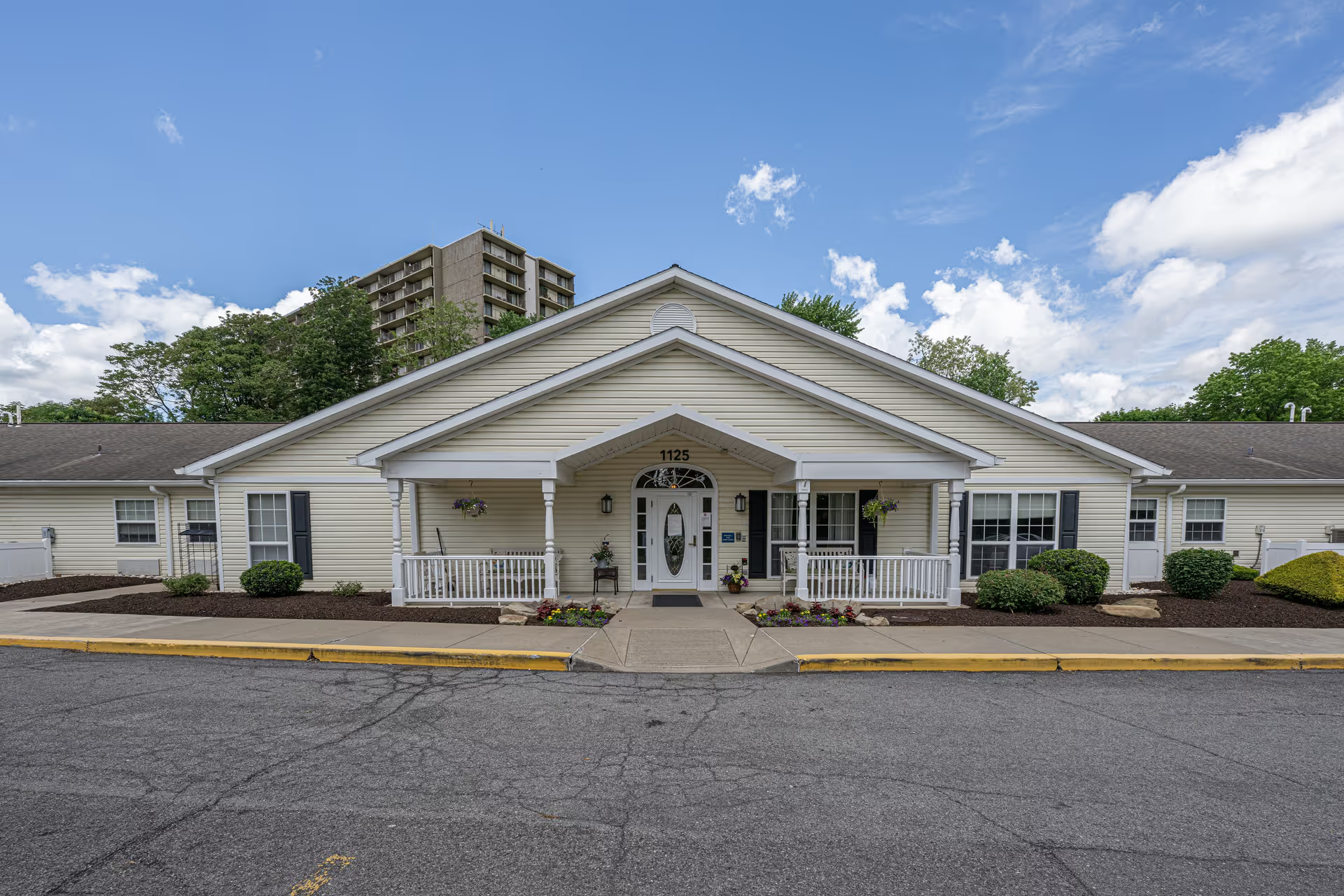
Ridgecrest at Cranberry Woods presents as a newly built, resort-like senior community with strong hospitality and amenity offerings. Reviewers consistently describe an attractive, modern environment with well-appointed common spaces: a heated indoor pool, fitness center, beauty shop, multiple dining venues (sit-down restaurant, bistro, café), theater space, library, and accessible outdoor areas. Floorplans are ADA-compliant with a range of apartment options, some including kitchenettes and private showers. The property’s transportation options, month-to-month rental model, and visible concierge/front-desk presence are noted positives for prospective residents seeking flexibility and convenience.
Staffing and day-to-day caregiving receive mixed but often favorable commentary. Many families and visitors praise compassionate, resident-focused caregivers and an engaged activities team that offers a wide variety of social, creative, and therapeutic programs (music, art, book clubs, outings, holiday events). On-site therapy and rehabilitation services are cited as a strength, and some named staff are described as going above and beyond. However, operational patterns raise concerns: staffing levels and turnover are described as inconsistent, and several accounts indicate insufficient staff-to-resident ratios at times. These staffing issues coincide with reports of variable clinical competency on the memory-care unit and uneven ability to manage more complex medical needs (for example, diabetes and insulin administration). Prospective families should verify current staffing ratios and clinical coverage for higher-acuity needs.
Dining and housekeeping are other areas of variability. The community offers multiple dining venues and generally appealing menus, and some families report enjoyable mealtimes and accommodating dietary attention. At the same time, reviewers describe irregular food service (cold plates, missing ingredients, underportioning) and inconsistent housekeeping attention in certain units. Separate but related concerns include odor issues and reported lapses in incontinence-care and hydration management; these items suggest the need to observe cleaning and care routines during an in-person visit.
Management, communication, and billing patterns show both strengths and weaknesses. Several reviewers complimented responsive admissions staff and improvements following an ownership change, and others noted good follow-through from management and therapy teams. Conversely, recurring themes include limited management visibility on the floor, delayed or inadequate follow-up after incidents, inconsistent communication during infection-control events, and additional fees or bundled charges for activities that families did not always expect. Price and value are prominent concerns: many reviews describe a premium fee structure and periodic rate increases, with some families urging careful review of what services are included in monthly charges.
Notable patterns: there is a clear split between families who experience high-quality, compassionate care supported by rich programming and those who encounter operational gaps—principally around staffing, memory-care clinical consistency, dining service reliability, and housekeeping responsiveness. The memory-care unit is particularly mixed in the reviews: some accounts praise memory-care-trained staff and meaningful engagement, while others identify skill gaps and limited programming there. For families considering Ridgecrest, recommended due diligence includes touring at multiple times of day (meal times and activity periods), asking for current staff-to-resident ratios and clinical staffing plans, confirming nursing capabilities for specific medical needs, reviewing billing line-items and recent rate history, and requesting references from families of current memory-care residents. These steps will help determine whether the community’s strong amenities and many positive caregiving reports align with a particular prospective resident’s clinical and lifestyle needs.