Arden Courts North Hills elicits a strongly mixed but patternable set of impressions. The dominant positive theme is the quality of direct caregiving: many families emphasize compassionate, dementia-trained staff who provide personalized engagement, know residents by name, and focus on dignity and therapeutic approaches. Long staff tenure and dedicated activity staff are repeatedly highlighted; relatives describe a home-like atmosphere, strong family communication, and active programming tailored to cognitive needs, including multiple daily activities and supportive resources such as family groups.
At the same time, a distinct set of operational weaknesses recurs. Cleanliness and sanitation control are inconsistent across the facility: some areas and rooms are described as clean and well-kept, while other reports point to odor concerns, stained flooring, pest-control issues in dining spaces, and communal bathing areas in need of repair. Relatedly, families describe uneven delivery of basic personal care—examples include delays or omissions in bathing, toileting assistance, and feeding support—which translates into concerns about day-to-day responsiveness.
Staffing and management present a mixed picture. Several accounts praise low turnover and long-tenured caregivers who provide continuity; other accounts describe short staffing, apparent caregiver fatigue, and organizational confusion during events such as fire drills. Taken together, these suggest variability in staffing coverage or scheduling rather than a single uniform staffing condition. Administrative processes are another recurring theme: paperwork and POA handling, delayed disclosures around infection-control events, medication delays, and occasional coordination problems with hospice or outside clinicians indicate gaps in administrative workflows and clinical coordination.
Dining and activities receive both praise and critique. The kitchen is credited in some reviews for thoughtful monthly menus and appropriate nutrition, but other families describe inconsistent food quality, rushed dining environments for residents with cognitive impairment, and uneven assistance at mealtimes. Activity programming is generally described as a strength—staffed, varied, and dementia-focused—but some reviewers wished for a broader range or higher frequency in certain units.
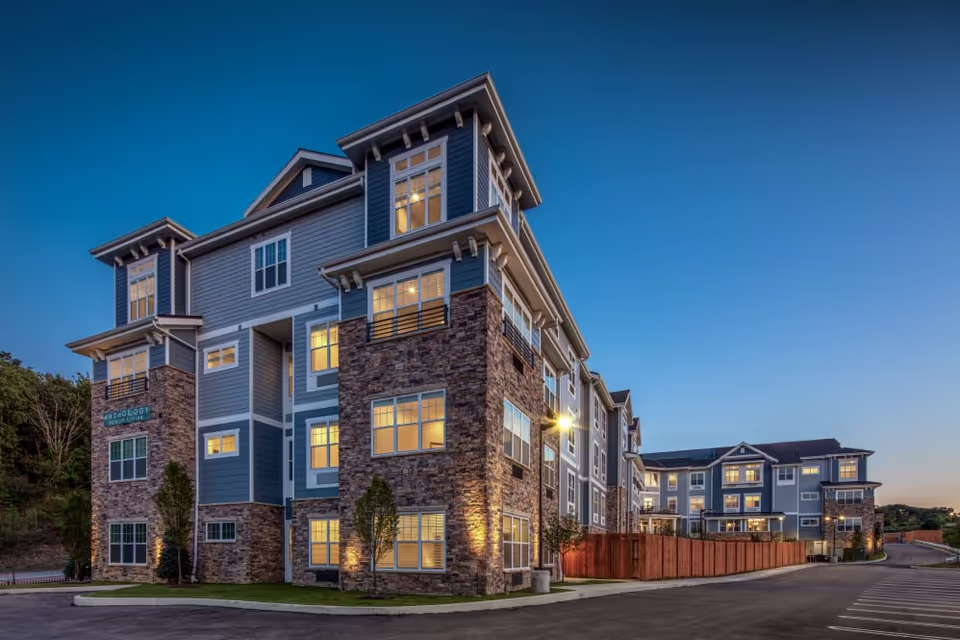
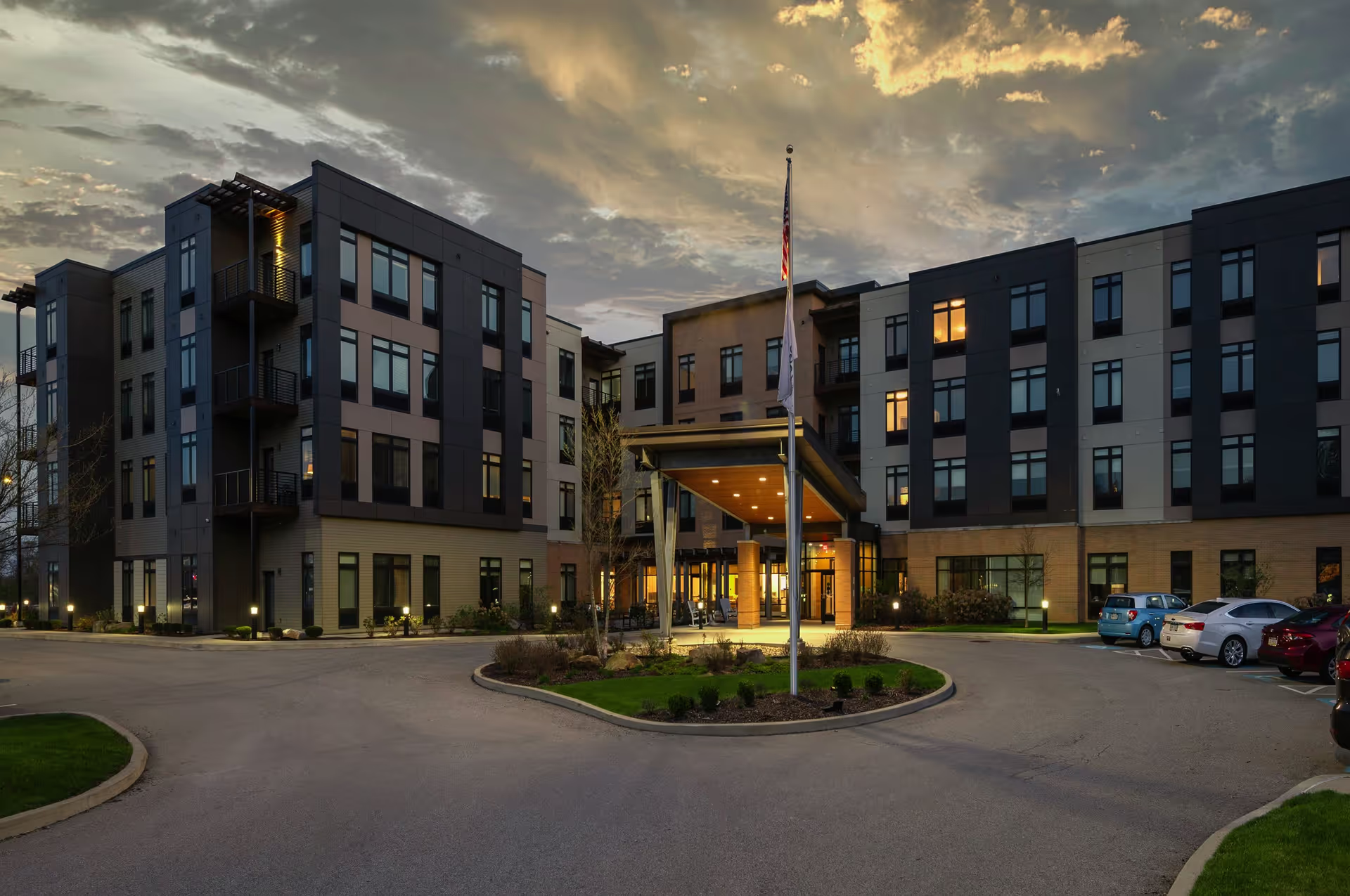
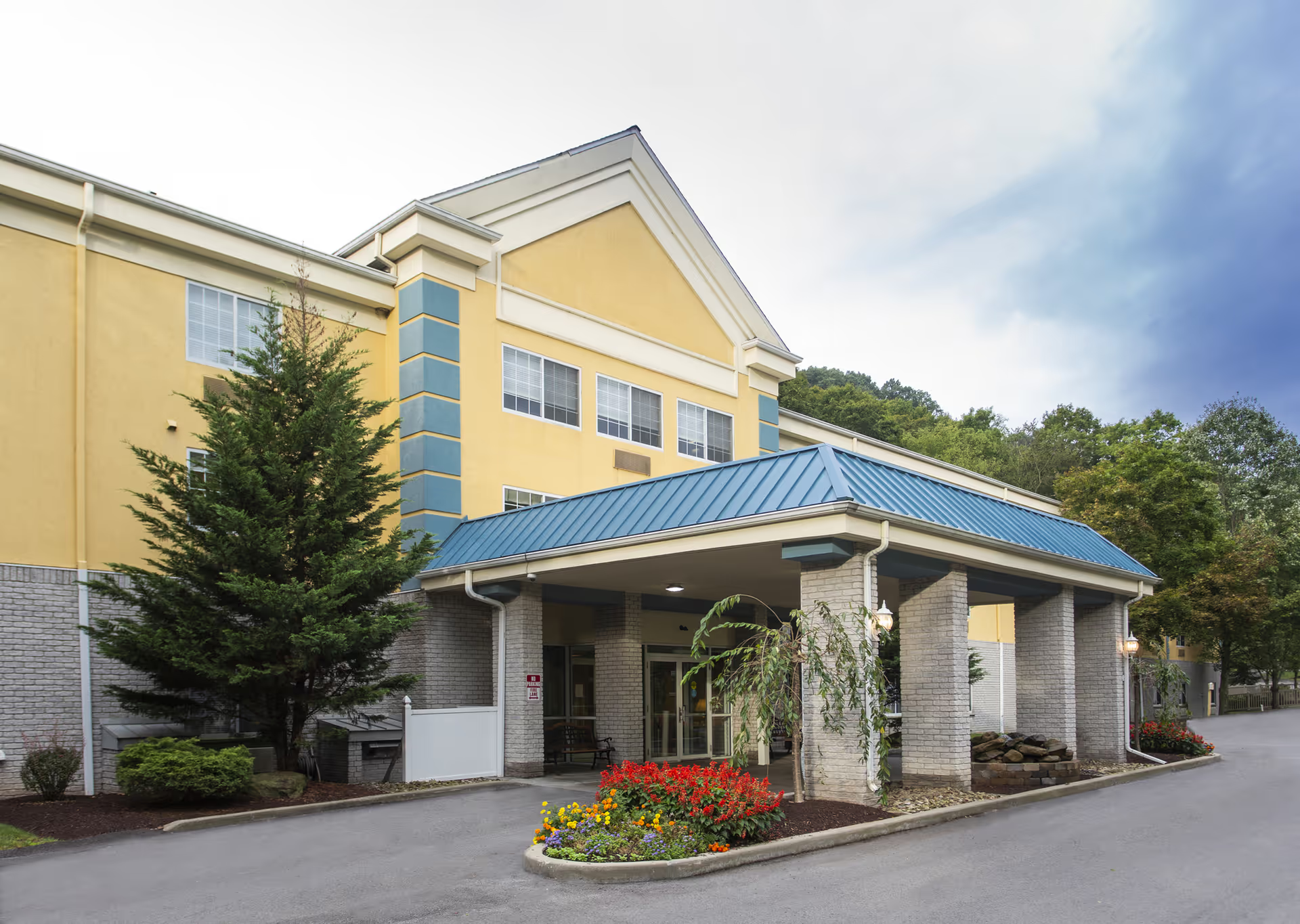
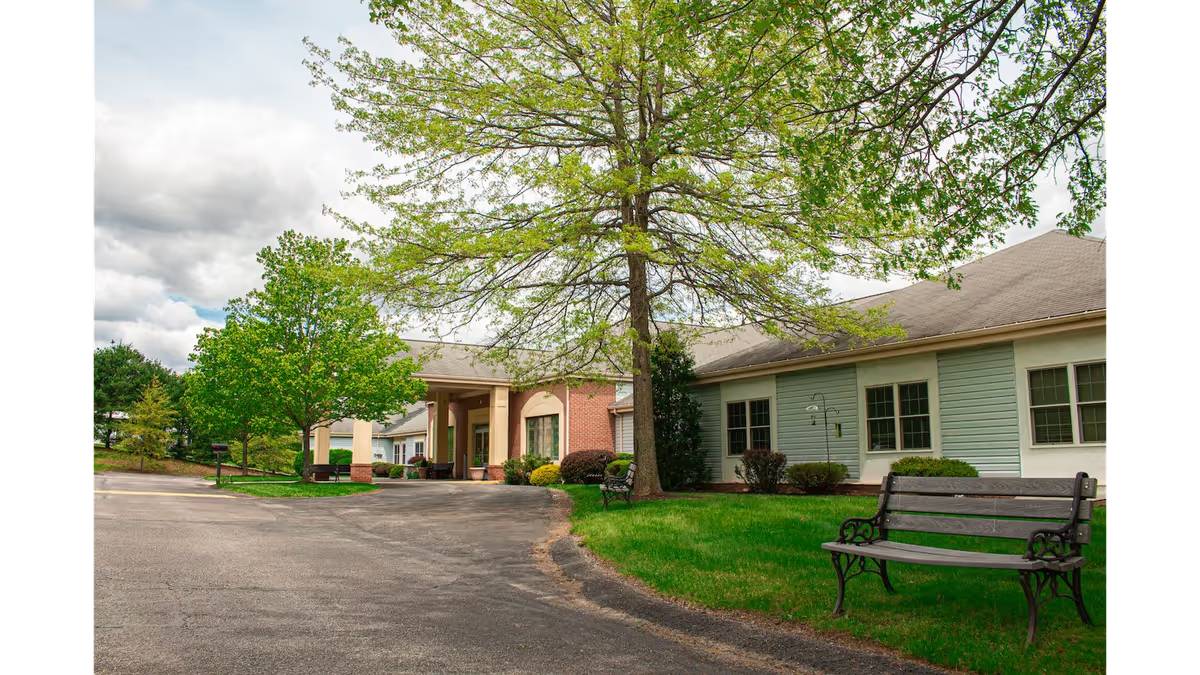
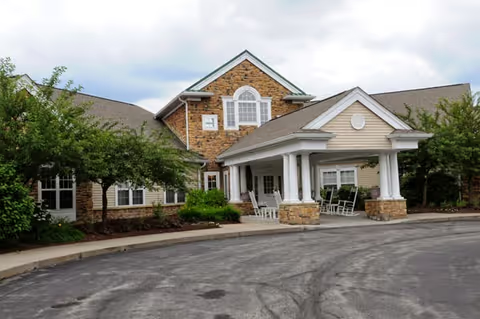
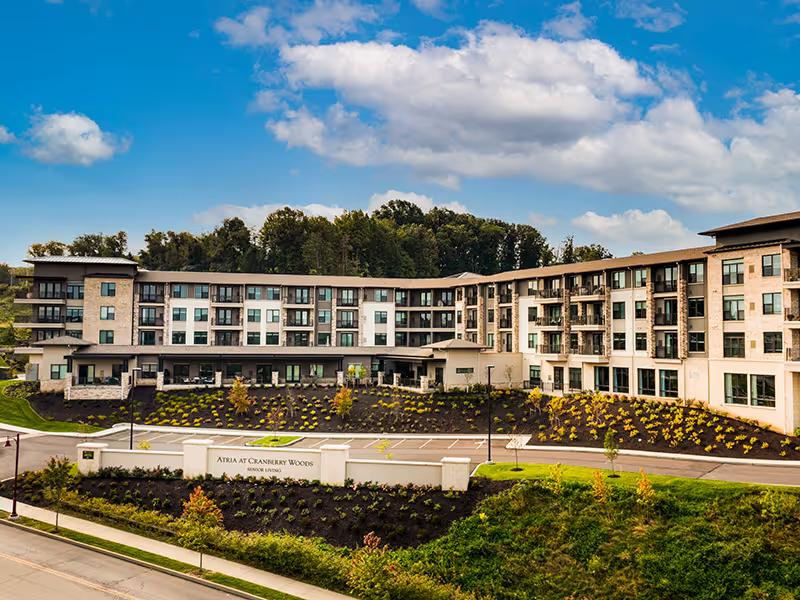
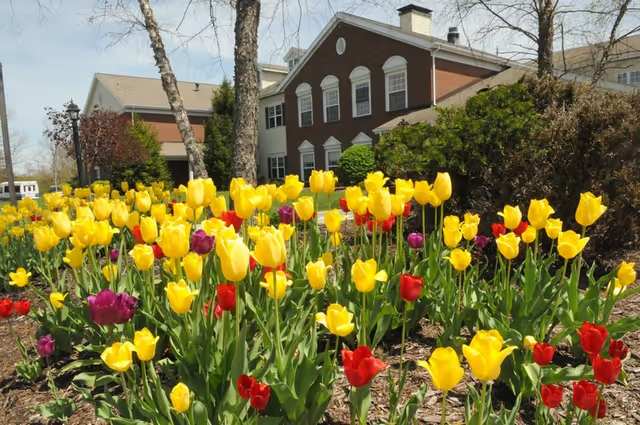
Facility maintenance and physical plant issues are another area of variability. Some units and rooms are described as new, clean, and well designed with accessible outdoor spaces, while other reports point to landscaping neglect, communal showers needing repair, stained flooring, and isolated odor or mold concerns in community spaces. These mixed reports suggest that building condition and housekeeping performance may differ by wing or over time.
Important patterns for prospective families: the strongest and most consistent positives are the caregiving culture, dementia expertise, and family-focused communication in many cases. The most important operational caveats are inconsistent cleanliness and maintenance, variability in staffing and personal-care responsiveness, intermittent administrative and clinical coordination problems, and concerns about dining-service consistency. Visitors evaluating this facility should prioritize an in-person tour that includes inspection of the specific unit and rooms under consideration, direct questions about staffing ratios and backup coverage, clarification of infection-control and notification policies, a review of daily activity schedules and dining routines for cognitively impaired residents, and documentation of administrative processes for POA, medication management, and hospice coordination.