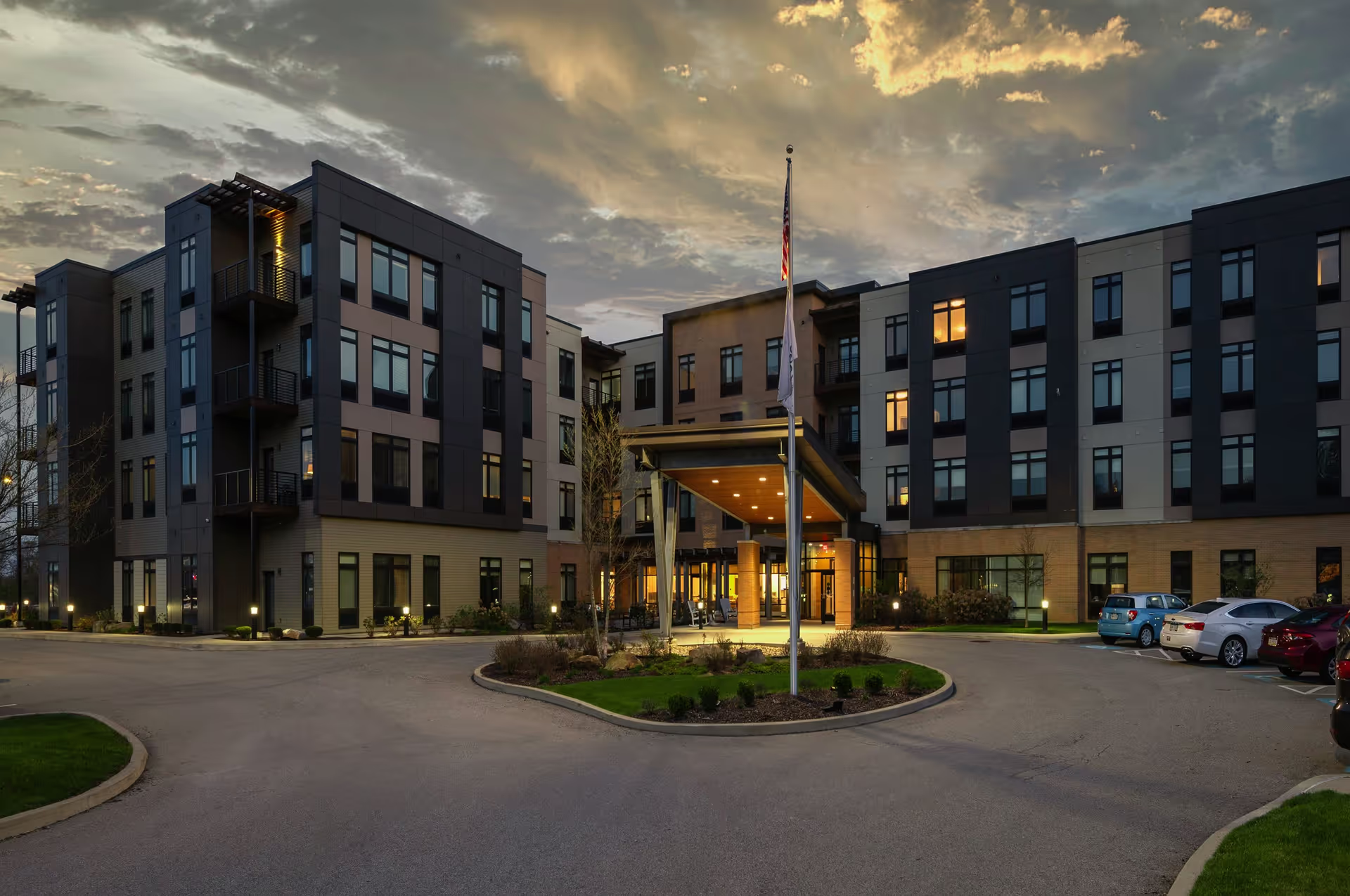
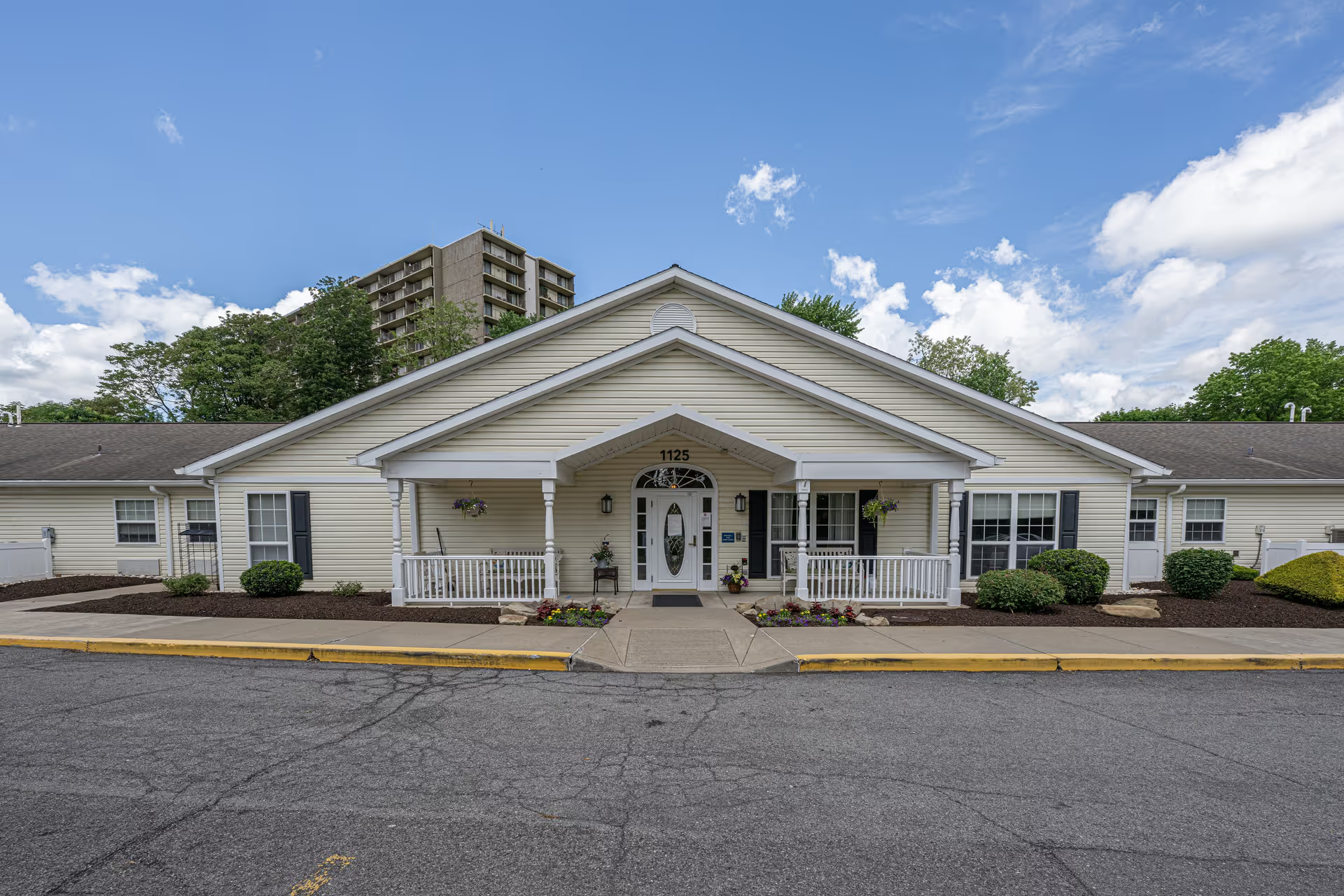
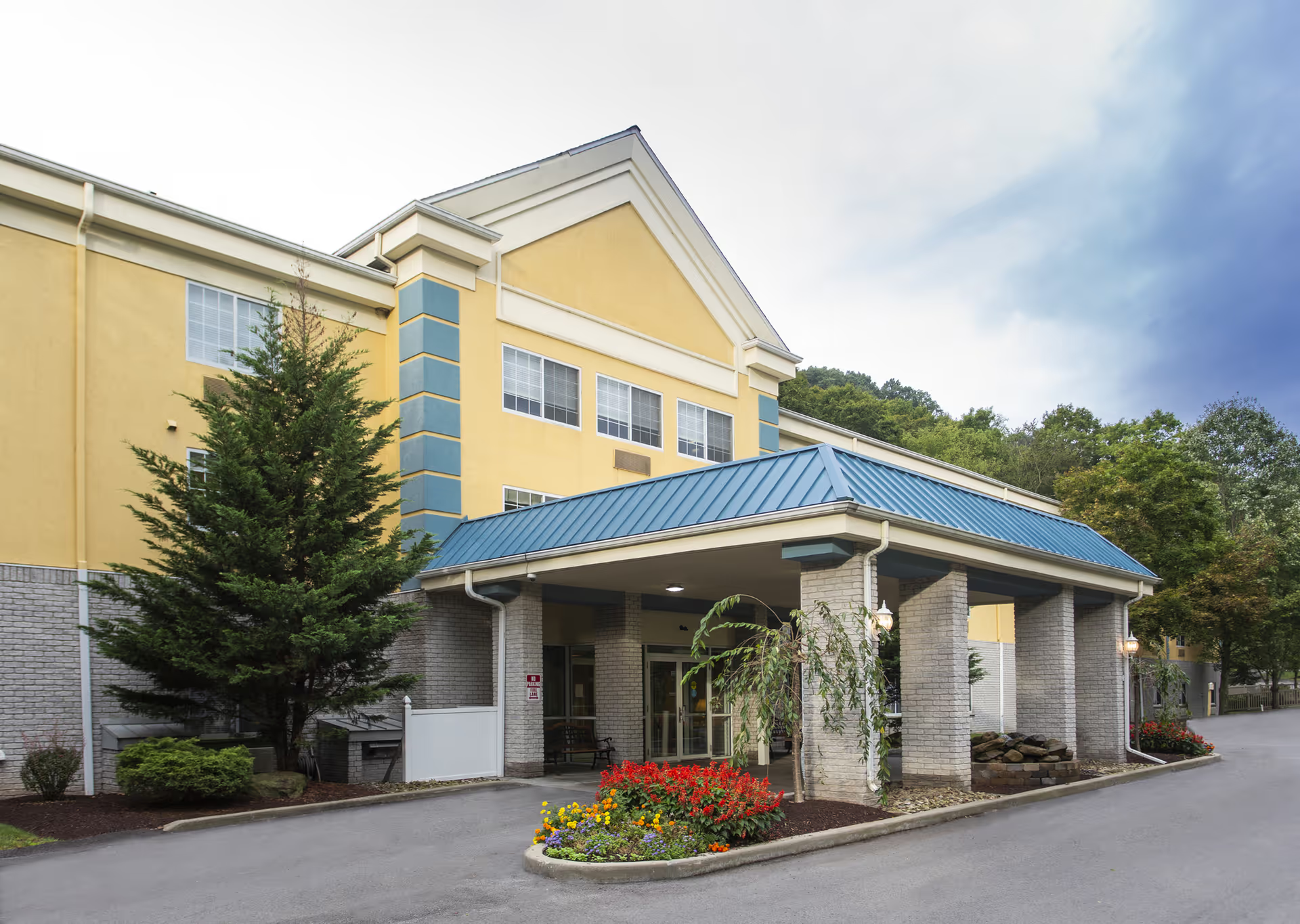
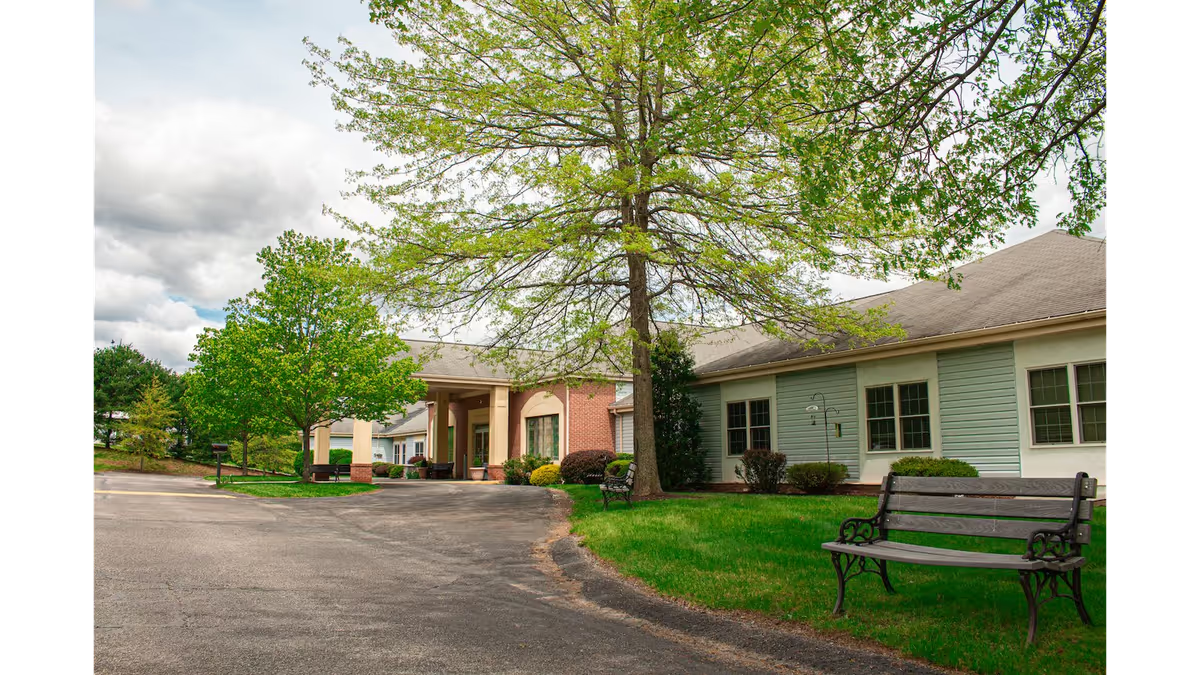
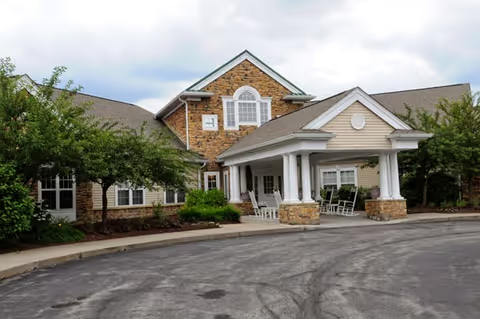
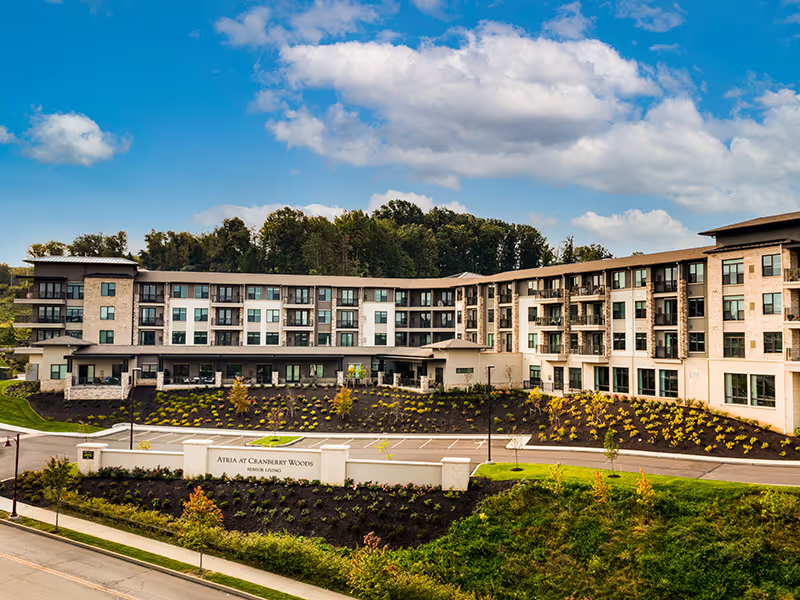
The Remington of McCandless is frequently described as a clean, modern, boutique-style senior living community with a strong social program and many facility amenities. Reviewers consistently highlight the facility’s contemporary appearance, private apartment options (many with patio or courtyard access), an on-site bistro and all-day dining model, theater and multiple gathering spaces, and active holiday and entertainment programming. Families often report an efficient move-in process and convenient proximity for relatives.
Staff quality is one of the facility’s most commonly cited strengths. Numerous families characterize caregivers and leadership as compassionate, attentive, and responsive; several comments emphasize staff members who go “above and beyond,” helpful memory-care directors, and positive hospice coordination when needed. Communication from management — including weekly newsletters and timely health updates — is frequently noted as clear and reassuring. These elements support a strong sense of community and many families describe residents as social, engaged, and well-supported.
Dining and activities are notable draws. The bistro and menu flexibility, all-day dining, themed meals, live music, happy hours, and robust activities board receive frequent praise. Meal presentation and certain menu items (BLTs, seasonal offerings, pies) are repeatedly commended. At the same time, there are recurring comments about meal nutrition and variety — requests for more fresh fruit and vegetables and fewer high-carbohydrate options appear alongside praise for specific dishes.
The dominant operational concern across reviews is staffing. Several families describe inconsistent staffing levels that can affect programming continuity, slower response or reduced services on weekends, and intermittent reductions in the frequency or intensity of scheduled activities. These staffing fluctuations are also tied to perceptions that the community’s level of clinical or higher-acuity medical care may not be optimal for residents with increasingly complex cognitive or medical needs; some families say they must remain actively involved in care coordination.
Other facility-level observations include a perceived corporate scale that some prospective residents find less ‘‘home-like,’’ and limited outdoor amenity space relative to the otherwise well-appointed interior. A specific operational safety observation relates to unit placement and evacuation planning in the memory-care setting; reviewers raised questions about placement and emergency preparedness that would merit clarification during a tour. Management responsiveness and family communication are generally strengths, but families should ask targeted questions about weekend staffing, contingency plans for staffing shortages, and the facility’s capacity to support higher-acuity residents before deciding.
Overall, The Remington of McCandless presents as a well-maintained, activity-rich community with compassionate staff and strong family communication. Prospective residents and their families who prioritize modern amenities, active programming, and a welcoming social environment are likely to find it appealing. Those with higher medical or advanced dementia care needs should evaluate clinical capacity and staffing contingency plans to confirm the facility’s fit for longer-term, higher-acuity care requirements.