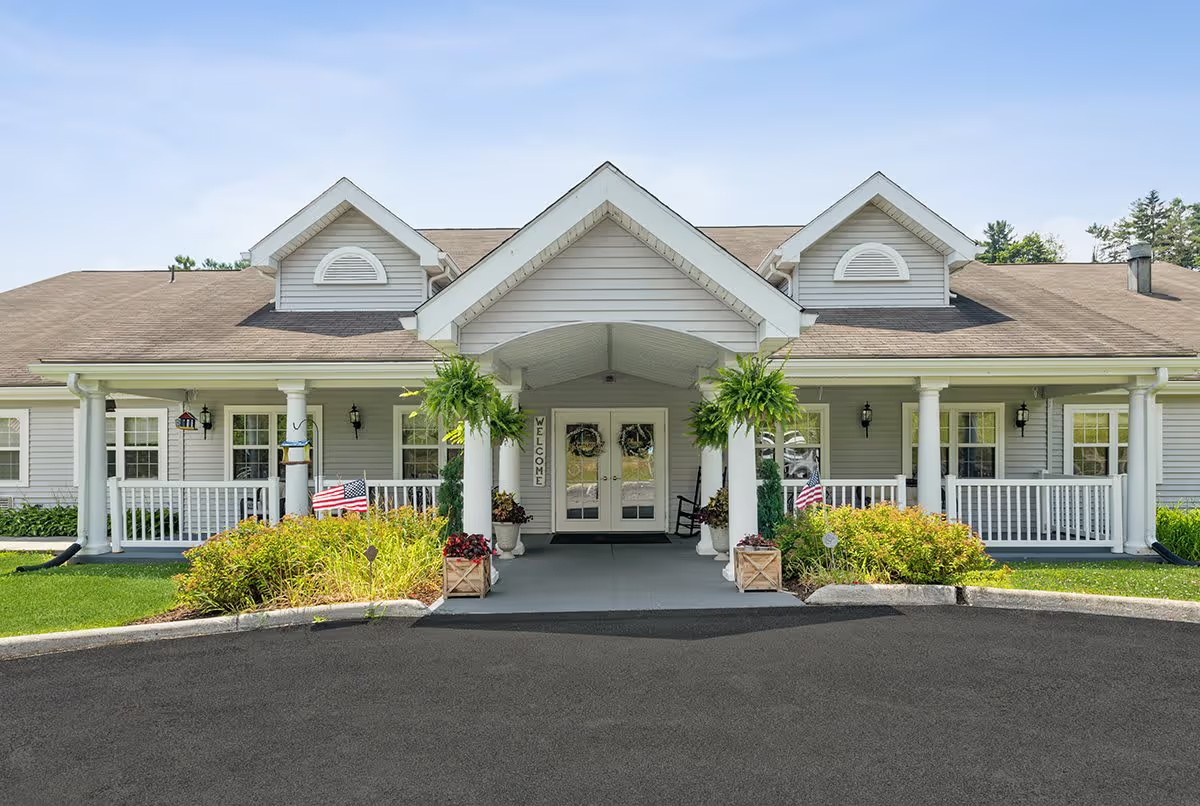
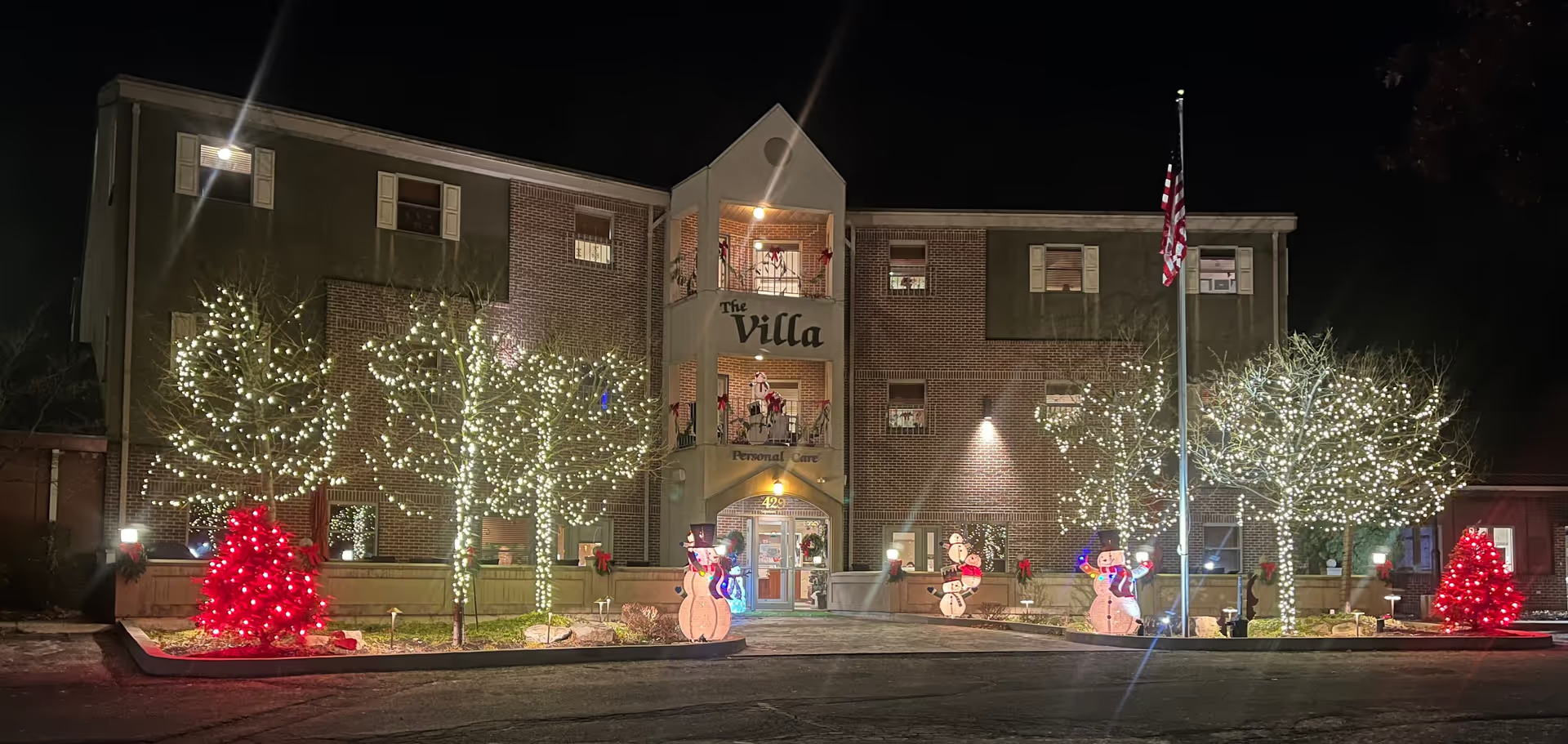
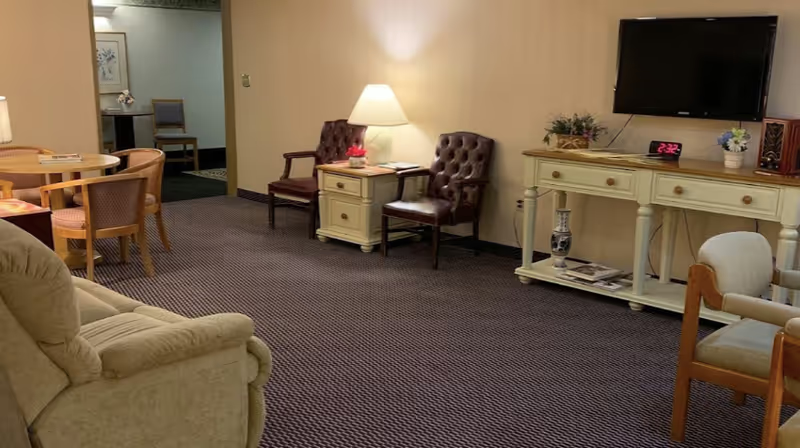
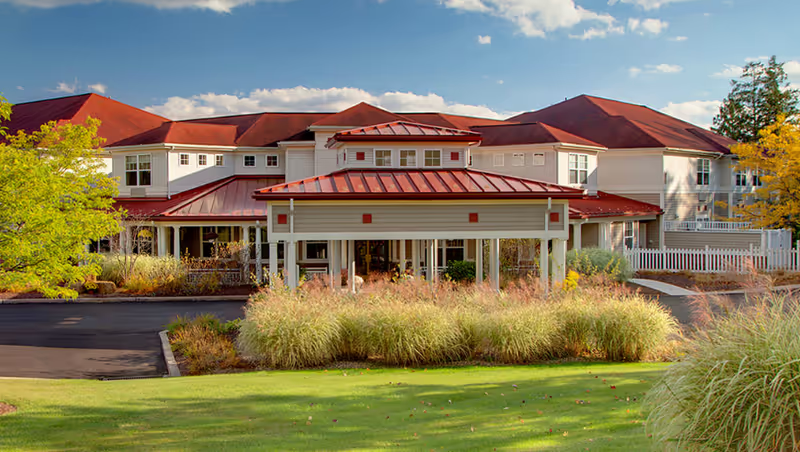
Heritage Ridge Senior Living at Johnstown elicits a mixed but patterned set of impressions. The facility is frequently described as clean, well kept and organized, with spacious one‑bedroom units and pleasant common areas. Families and residents commonly praise the social programming — Bible studies, ice cream socials, crafts, family picnics and exercise — and several accounts highlight attentive short‑term rehabilitation services and an efficient admissions process. For many, the combination of amenities and price point represents good value.
Care quality and staffing present the clearest source of variation. Positive accounts emphasize kind, compassionate caregivers and appropriate rehabilitation outcomes, while a substantial number of accounts point to inconsistent staffing levels and periods of understaffing. Those operational gaps are associated with delayed responses to call bells and care requests, uneven routine clinical checks, and instances where families perceived a lack of timely escalation. The net impression is that clinical oversight and responsiveness can be strong at times but unreliable at others.
Communication and staff conduct are another area of divergence. Several families report that staff kept them well informed and involved in care decisions, and many single out individual caregivers who went above and beyond. Conversely, other accounts cite slow or poor communication (including confusion about physician rounds), front‑desk staff distraction, and concerns about the tone or professionalism of some nurses. These mixed reports suggest variability in staff performance and internal communication practices.
Dining and activities show a similar split. Many residents enjoy the food and social dining events, but some feedback indicates inconsistent meal quality and a dining room that can feel too small during busy periods. The activity calendar is viewed positively overall and contributes to resident engagement and community life.
Management and care transitions are an area of notable concern for some families. While admissions are described as smooth, there are reports of gaps in discharge and placement planning, including short or unclear notice when higher levels of care were recommended. A few families described having to seek outside assistance to complete hospice transitions or to arrange alternative placement. These accounts point to opportunities to strengthen standardized discharge planning, family notification procedures, and coordination with outside providers.
In summary, Heritage Ridge presents many conventional strengths for a senior living community — physical upkeep, social programming, and pockets of compassionate caregiving — alongside recurring operational weaknesses, especially around staffing consistency, response times, routine monitoring, and communication during transitions. Prospective residents and families should weigh the facility’s amenities and activity offerings against the potential for variability in day‑to‑day nursing responsiveness and care coordination, and may wish to discuss staffing patterns, call‑response metrics, and discharge/transition protocols with management before moving forward.