Willow Brook Rehabilitation and Healthcare Center presents a mixed but actionable profile for prospective residents and families. Strengths are concentrated in rehabilitation and resident engagement: the physical and occupational therapy teams receive consistent praise for effective, recovery-focused programs and many residents achieve successful short-term discharges. Speech therapy services for swallowing and communication are also noted. The activities department is active and varied, offering social and themed programming, transportation, church services, and on-site salon options that contribute to a family-like, welcoming atmosphere. Admissions, front-desk, and business-office staff are frequently described as helpful and accessible, which supports transitions and financial coordination.
Clinical care elicits divergent impressions. Long-term and regular staff (nurses, CNAs, aides) are frequently described as compassionate and attentive; several accounts highlight timely responses, individualized attention, and dedication. At the same time, there are recurring operational concerns that affect clinical consistency: episodes indicating gaps in wound and ostomy management, uneven medication-related communication, and case-documentation inconsistencies. Staffing variability—including heavy use of agency nurses—appears to reduce continuity of care in some shifts, contribute to delays in assistance (notably during morning wash-up and dressing), and increase perceptions of uneven bedside responsiveness.
Dining and housekeeping present similar contrasts. The facility offers a weekly menu with alternate options and has dietary staff receptive to patient input; some families describe the food as above average. However, there is also repeated feedback about variable meal quality, limited diabetic-friendly preparation, and occasional missing tray items. Housekeeping and laundry services exist and are appreciated by many, but inconsistencies in follow-through and personal-item management (misplaced clothing or remotes) are a common operational complaint.
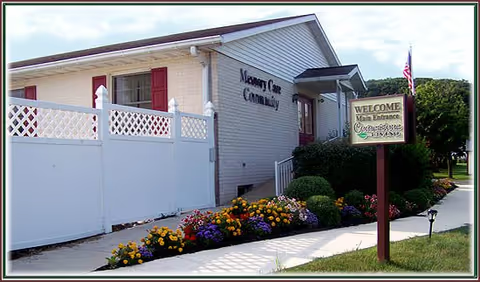
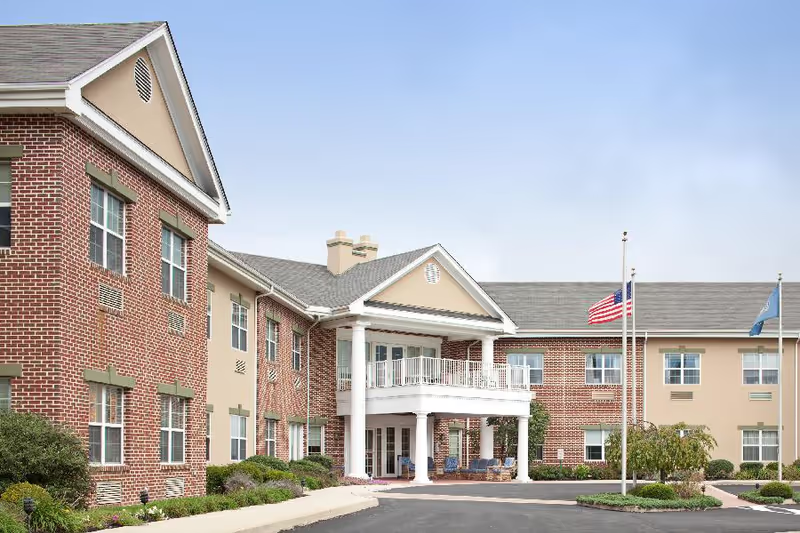
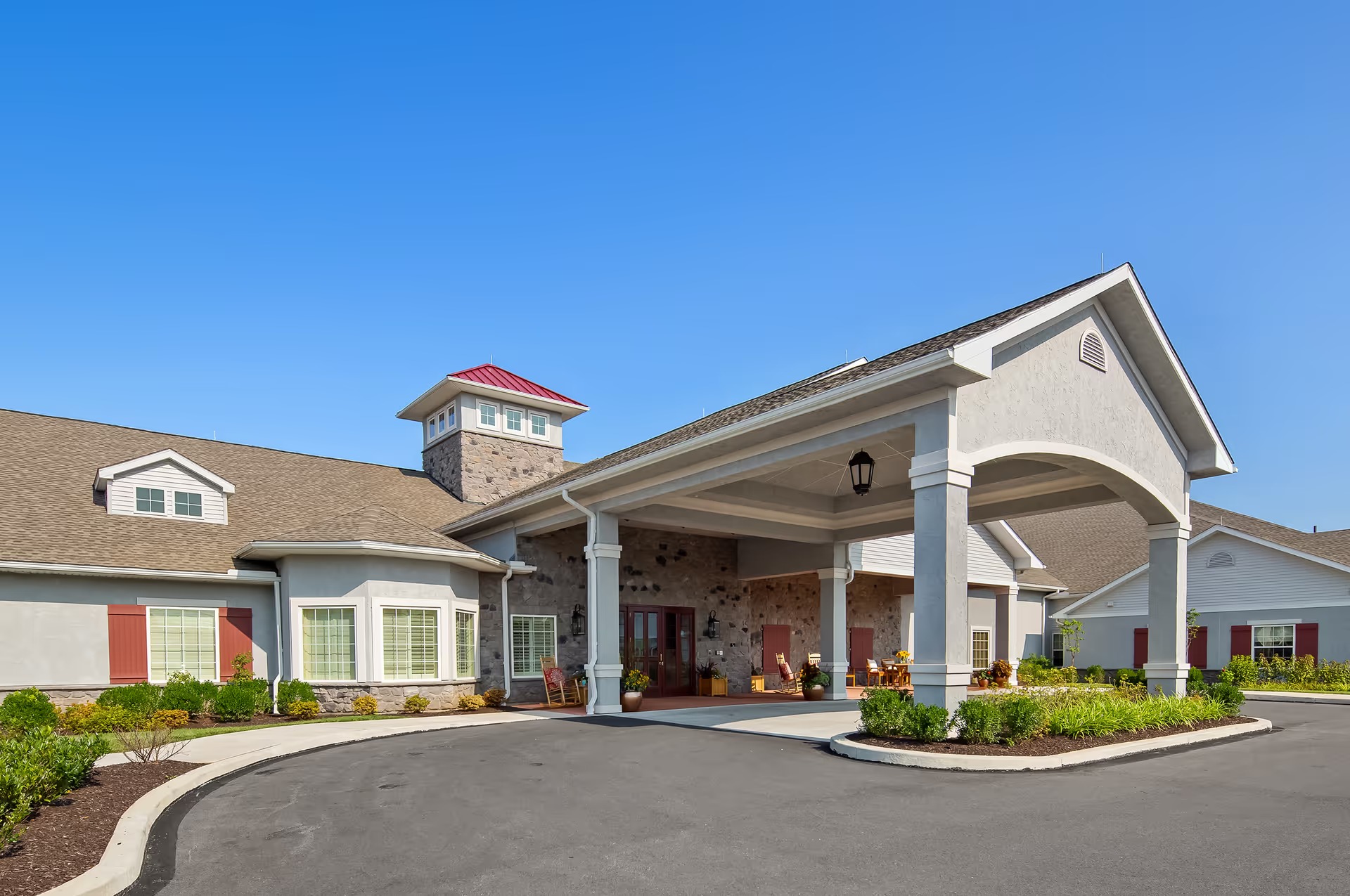
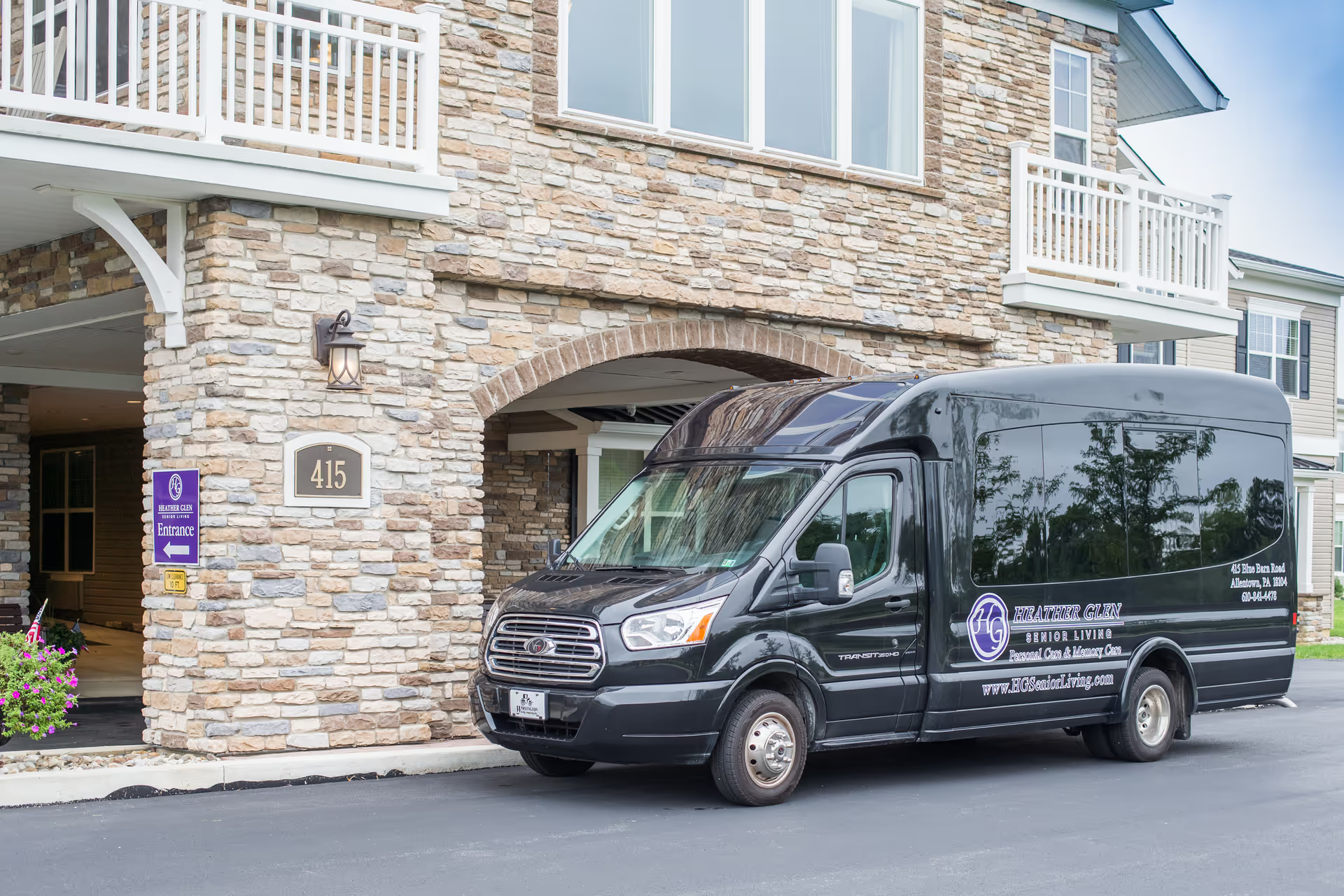
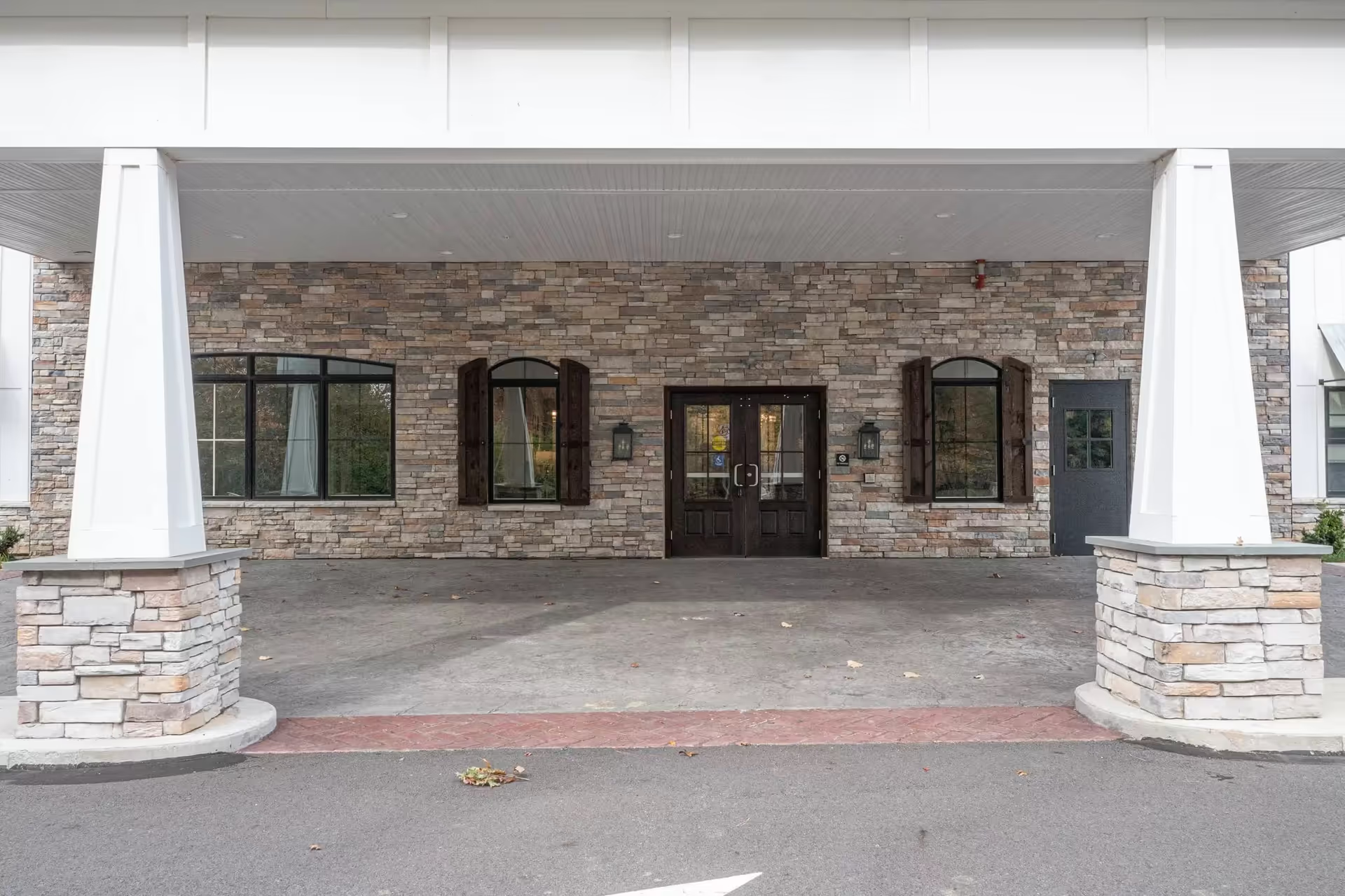
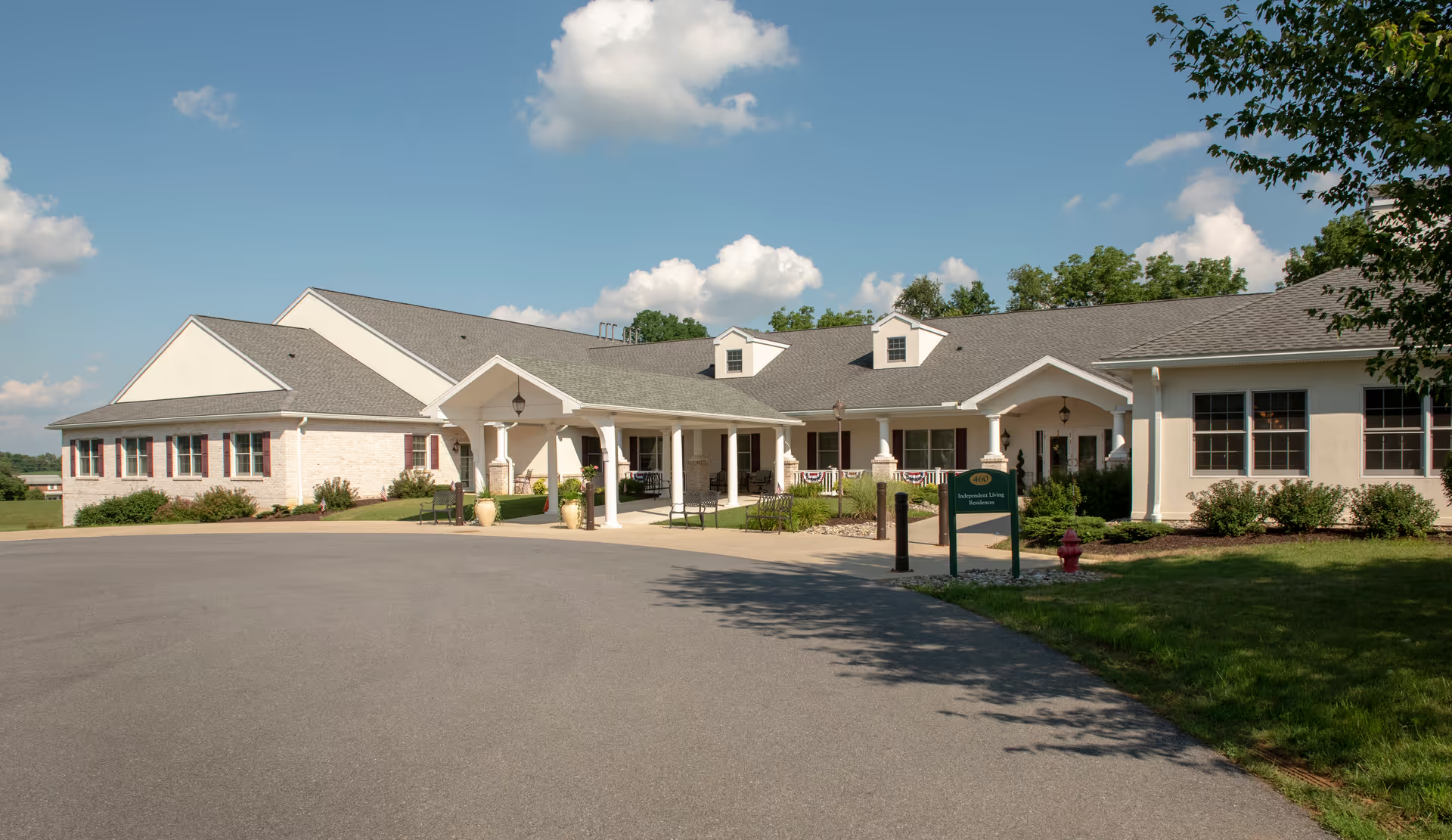
Facilities and campus features are generally viewed positively: the building is clean and renovated, rooms are described as bright with pleasant views, and visible security measures (buzz-in access and elevator codes) are in place. Noted amenities include handicap transportation and an on-site salon. Areas to probe during a visit include noise and roommate-privacy management (examples include loud televisions and shared-room disruptions) and any localized infection-control or campus-safety concerns that have been mentioned.
Management and communication show strengths and weaknesses. Many reviewers commend an open-door administrative approach, proactive case management, and helpful business-office personnel who facilitate financial questions and admissions. Conversely, variability in staff conduct, tone, and responsiveness is reported; families who prefer frequent oversight note the need for active engagement with staff and care plans. There are also references to more serious allegations and local scrutiny regarding clinical and documentation practices; prospective families should discuss these directly with leadership and review care-plan documentation as appropriate.
Overall, Willow Brook appears well-suited for residents seeking a rehabilitation-focused program in a renovated, activity-rich environment with many dedicated long-term staff. Prospective residents and their families should prioritize a tour, meet the therapy team, ask specific questions about wound and ostomy protocols, medication and documentation practices, staffing ratios for the unit and shifts, diabetic meal planning, and housekeeping/laundry procedures. Regular family engagement and clear communication with case management can help mitigate the facility-level inconsistencies noted in several accounts.