Kane Community Living Center presents a mixed profile: its clinical and rehabilitative services are frequently described as a strength, while administrative and management functions show recurring weaknesses. Multiple accounts praise the therapy teams, attentive nursing aides, and regular physician rounds; short-term post-surgical rehab and daily therapies appear to be reliable aspects of care. At the same time, reviewers describe operational gaps that affect resident safety and the day-to-day experience.
Care quality and clinical safety: Many reviewers highlight competent rehabilitation and caring direct-care staff who contribute to positive recovery experiences. However, there are consistent concerns about safety practices (including fall prevention and monitoring) and about inconsistent staffing levels. These issues are described as contributing to delays in attending to residents and uneven clinical oversight. There are also serious individual allegations about resident handling that warrant further inquiry by families and regulators.
Staff and culture: The facility has long-tenured, knowledgeable staff and programs that support career development, which some families cite as evidence of institutional commitment to staff training. Conversely, other accounts describe inconsistent professionalism, communication tone problems, and morale issues tied to management and compensation. Social-work responsiveness and family communication are specifically called out as unreliable in a number of accounts, producing frustration for families seeking timely updates or assistance.
Dining and activities: Dining spaces are large and attractively furnished, and meals are generally described as tasty. The facility offers a broad activity program — organized games, themed events, bus outings, and spiritual services — and provides multiple onsite amenities such as an aviary, chapel, computer area, and snack space. These features support social engagement and appear to be a genuine strength for many residents.
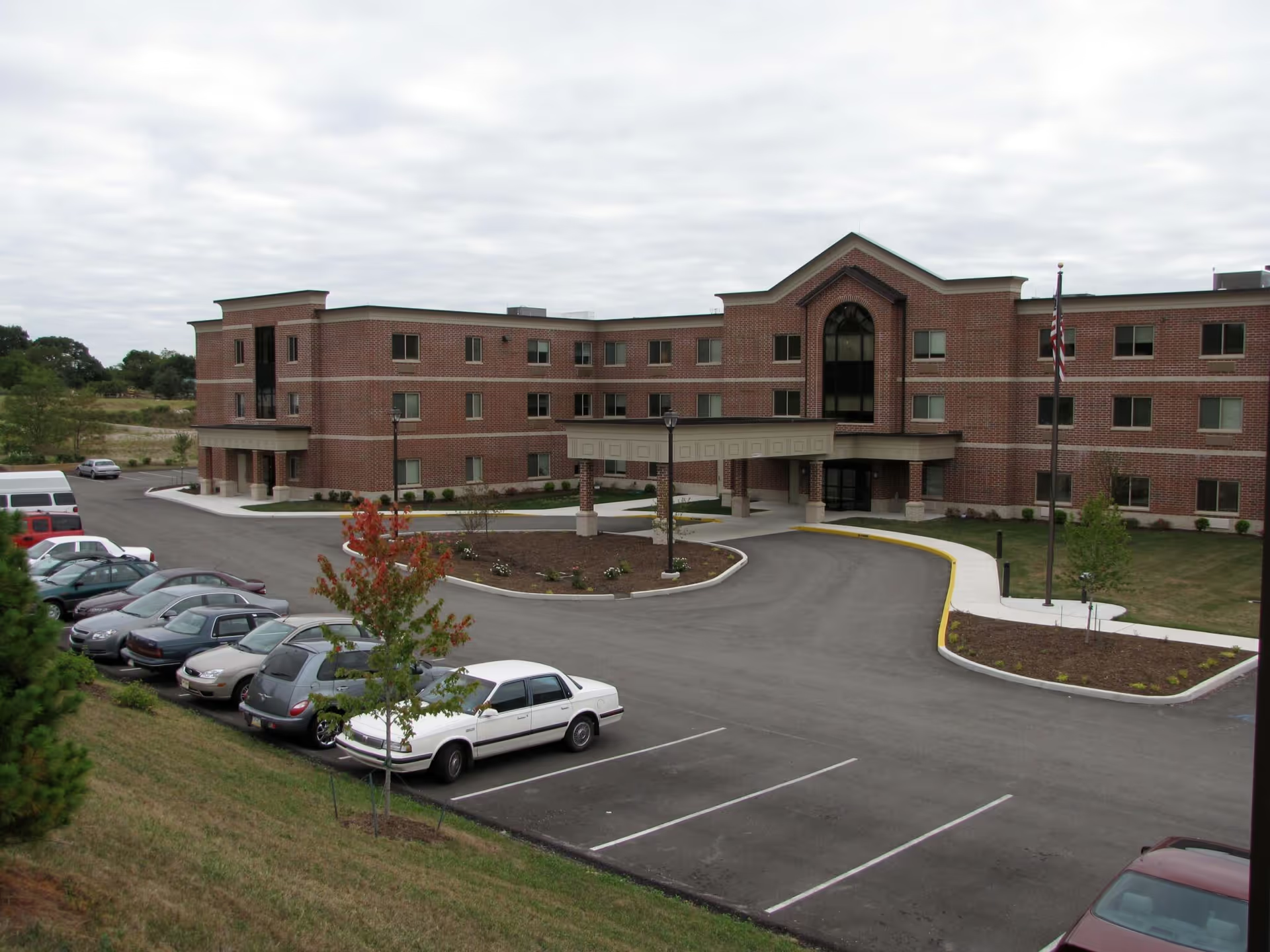
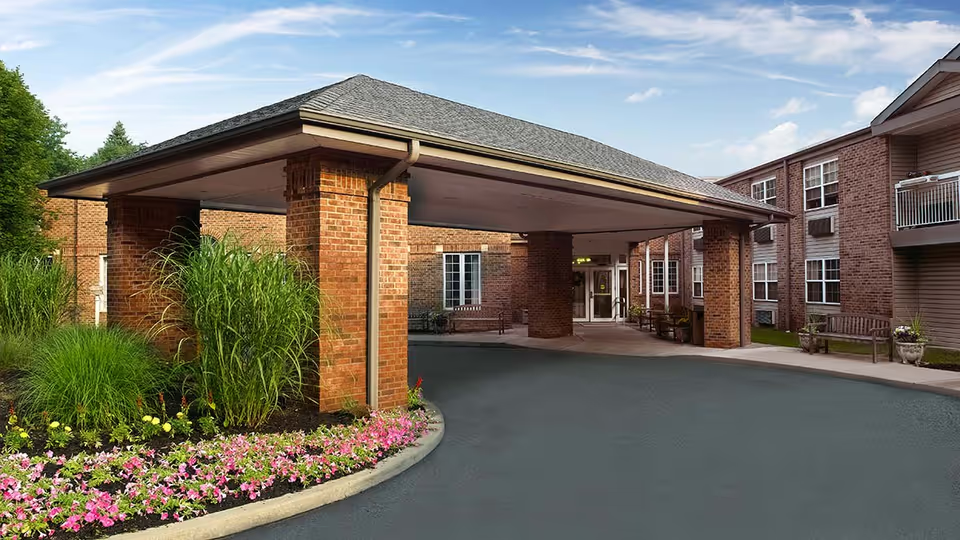
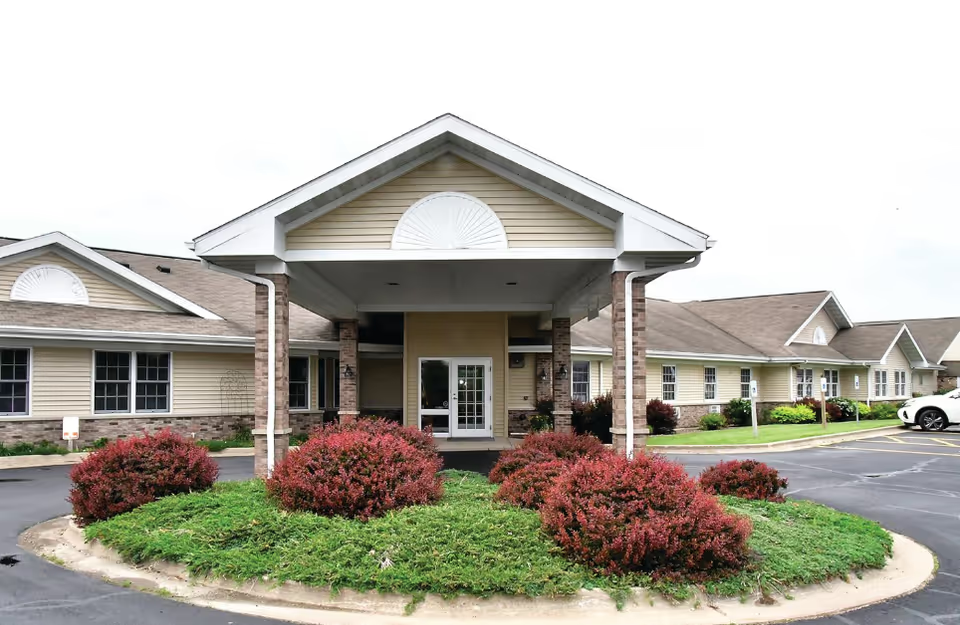
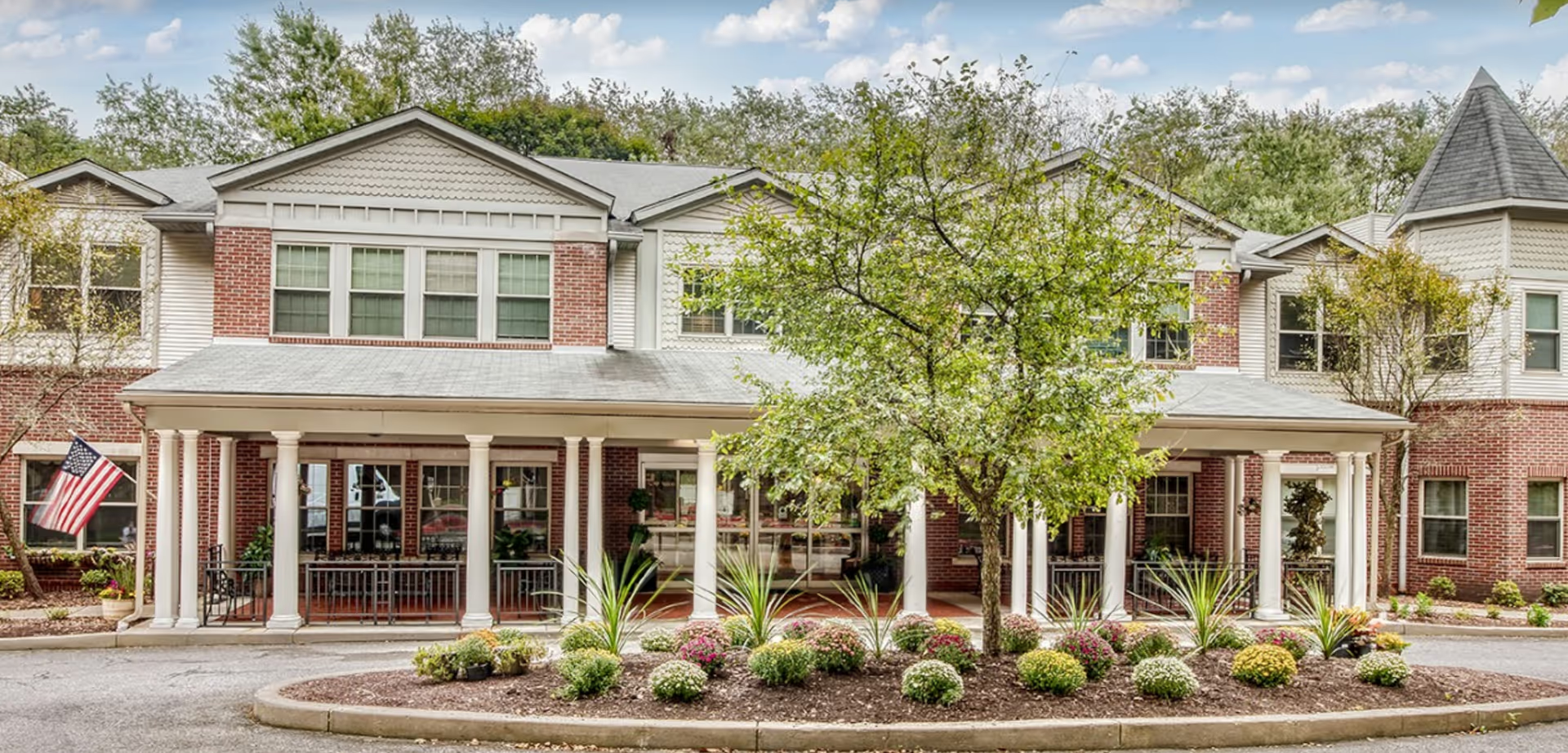
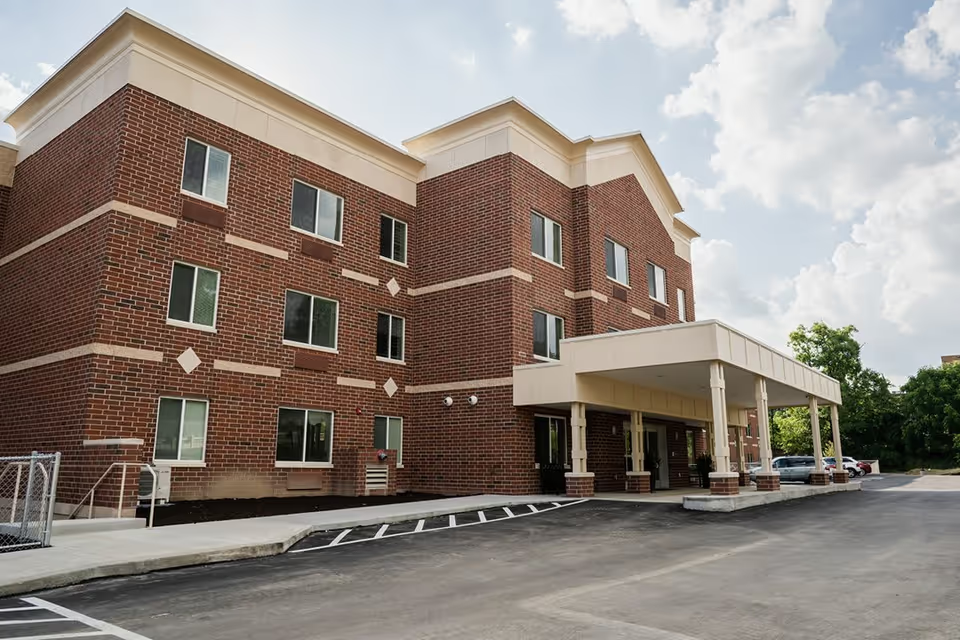
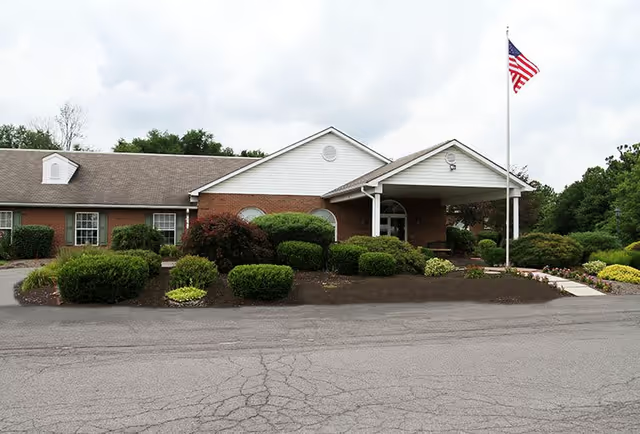
Facilities and accessibility: The campus and grounds, including riverfront views, veranda areas, and outdoor seating, are frequently praised and well maintained. Common areas and the dining room are described positively. In contrast, resident rooms are characterized as older or dated in several accounts, and accessibility issues such as limited handicapped parking and access frustrations are noted.
Administration and operations: Administrative weaknesses emerge repeatedly. Families report problems with billing timeliness and clarity, difficulties obtaining paperwork copies, and instances of lost or mishandled personal items. There are also references to variability in follow-through for specialty services (for example, podiatry requests). Infection-control practices during COVID are a notable concern for some families, including worries that protocols were insufficient during outbreaks and related end-of-life events.
Notable patterns and guidance for families: The overall picture is polarized — many reviewers describe compassionate direct-care staff and effective therapy, while others describe serious operational and communication breakdowns. Prospective residents and families should tour the facility, ask specifically about fall-prevention protocols, staff-to-resident ratios, personal-belongings policies, billing procedures, social-work response expectations, and infection-control records. Request written copies of policy on belongings, incident reporting, and specialty-service scheduling, and meet the leadership and social-work team to assess responsiveness before making a placement decision.