Point Pleasant presents as a well-kept independent living community with consistently highlighted strengths in staffing, cleanliness, and social programming. Reviewers emphasize a caring, approachable staff and smooth move-in coordination; management is frequently described as communicative and proactive, and families report regular updates and an open-door approach. The facility’s infection-control practices and pandemic responses are noted as robust, contributing to a general sense of safety.
Care and staff: Staffing receives strong praise for compassion, attentiveness and helpfulness. Residents and family members commonly describe staff as responsive, available on call, and willing to support transitions. While the community is positioned for independent living and light assistance, multiple reviewers indicate that the facility does not provide higher-level clinical care; residents who require more intensive assistance may need to relocate to a higher-acuity setting. Overall, day-to-day support and concierge-style assistance are strengths, but clinical-care capacity is limited by design.
Dining: Dining is a prominent feature of resident life — meals are included in many packages and the dining room is described as hotel-like and inviting. Some reviewers praise chef-prepared, nutritious meals and flexible meal times. However, a recurring pattern is inconsistency in food quality, temperature control, and menu communication. Complaints include meals served cold, limited variety at times, substitutions without advance notice, and perceptions of uneven kitchen management. These concerns appear operational (kitchen staffing and communication) rather than structural, but they affect value perception for some families.
Activities and social life: Activity programming is a clear strength. The community offers a broad calendar that includes crafts, bingo, exercise classes, outings, transportation to local destinations, movie nights, and special events. An active activity director and engaged resident interaction produce frequent social opportunities; many residents report making friends quickly and experiencing improved social well‑being. This level of programming supports an active lifestyle for those who are independent or require only minimal assistance.
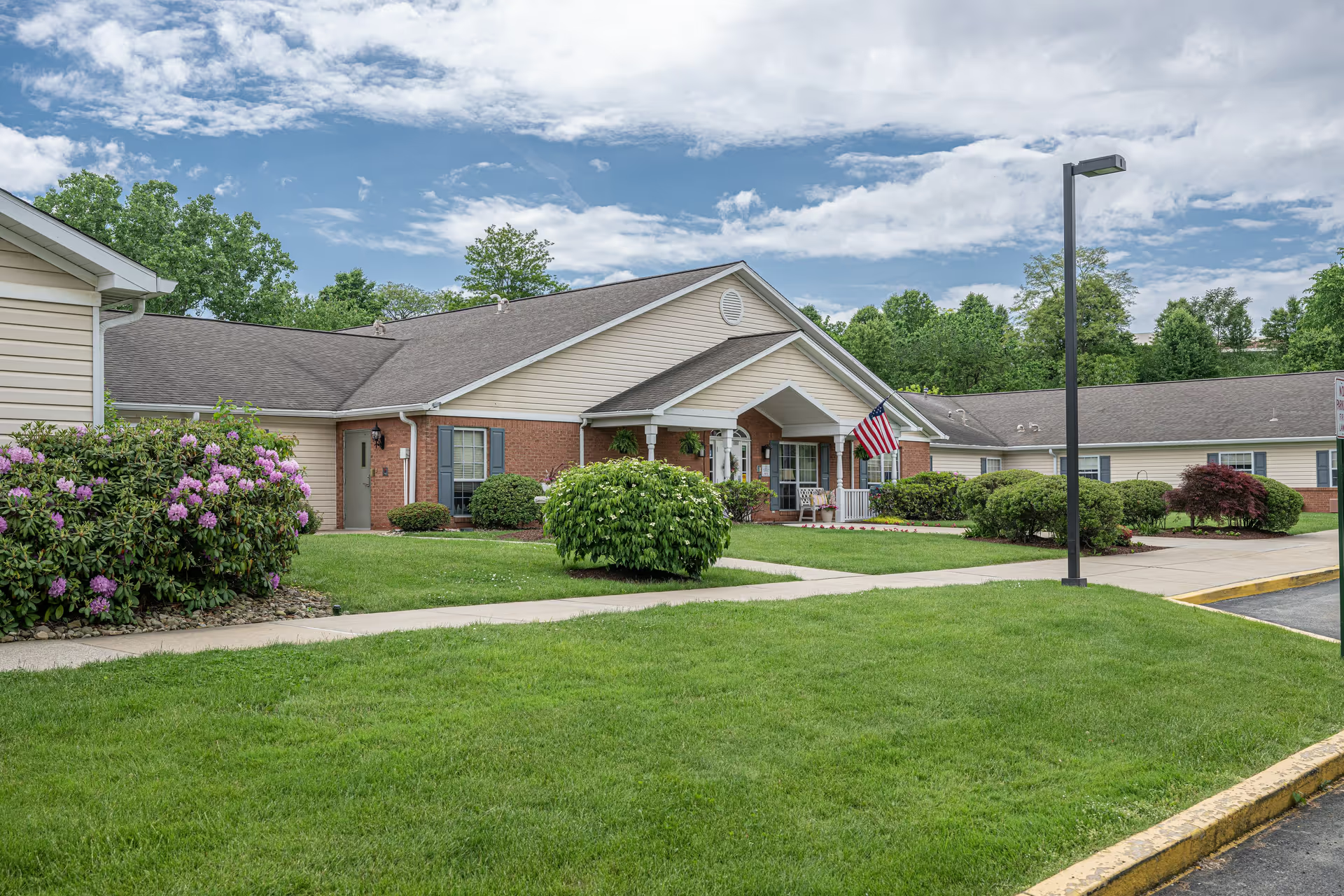
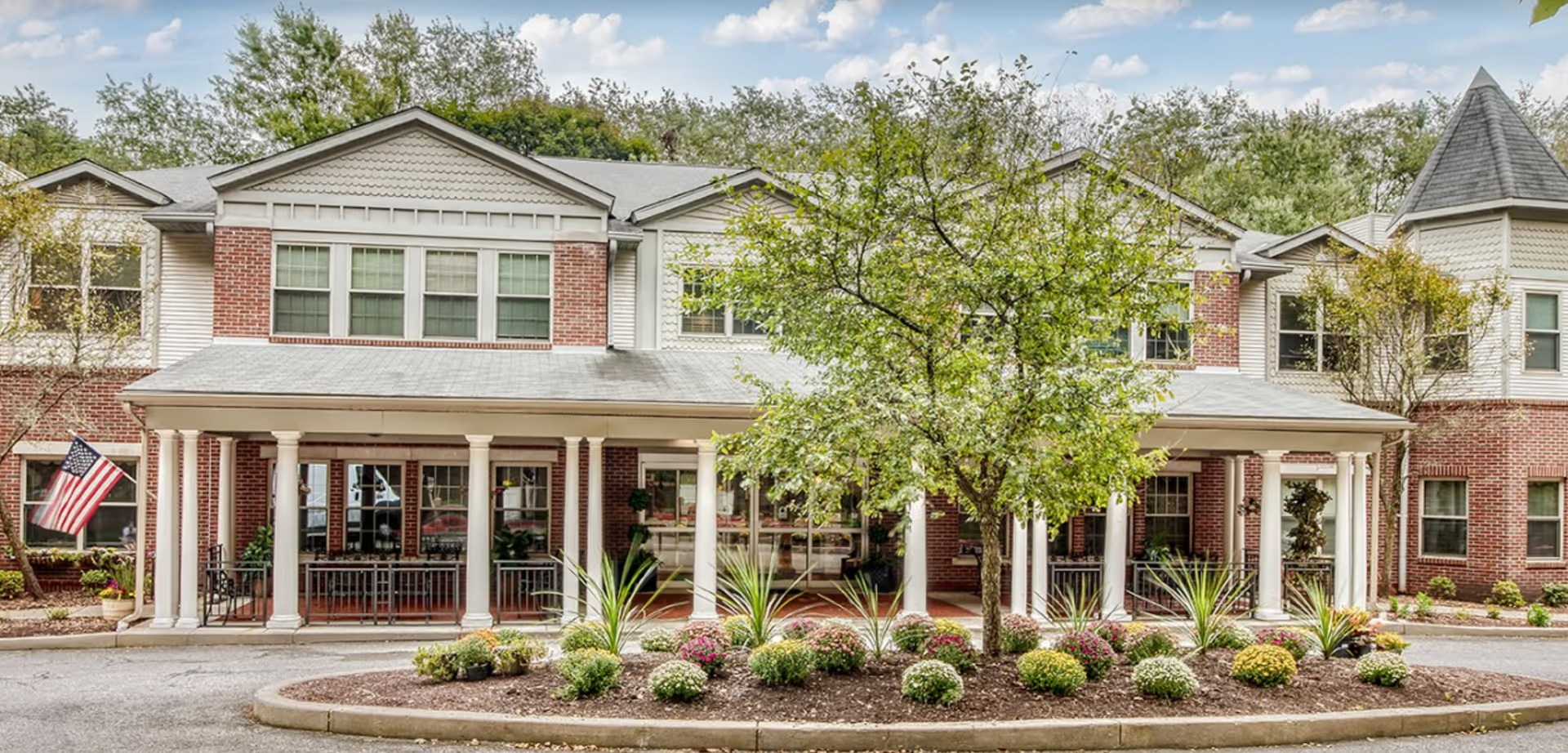
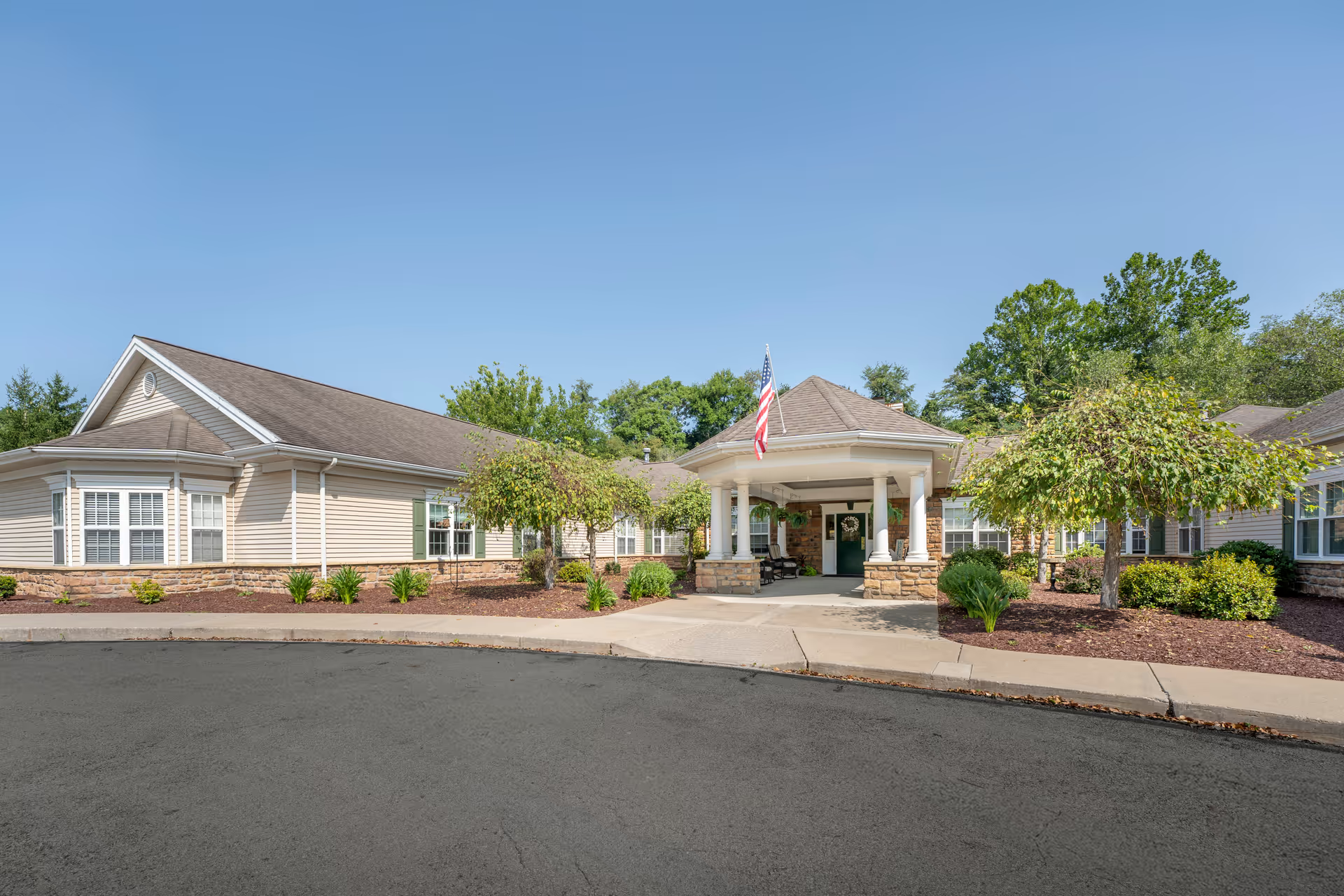
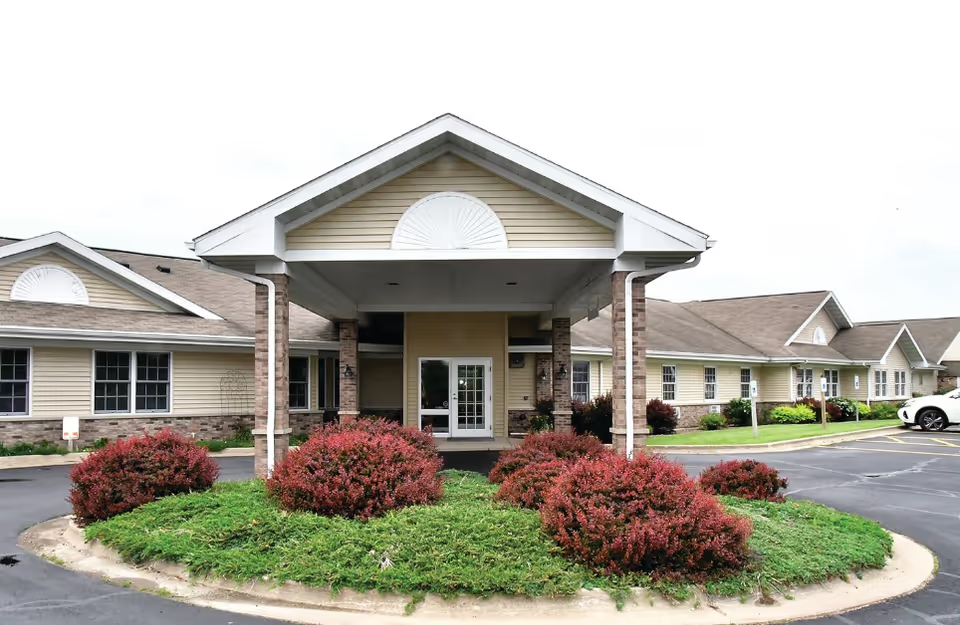
Facilities and amenities: The physical plant is repeatedly described as clean, bright, and well maintained. Apartments are noted as spacious for studios and typically include a refrigerator, microwave and kitchenette-like features, with walk-in showers in many units. Common spaces such as dining halls, lounges, a four-season room, courtyard and fitness area are well regarded. Housekeeping is provided weekly in many packages, contributing to the consistently positive cleanliness assessments.
Management, operations and notable patterns: Management receives positive marks for coordination, transparent move-in processes, and ongoing family communication. Operationally, the main recurring weaknesses relate to food-service reliability (quality, temperature, and communication), laundry-service access limits, and the community’s limited capability to support residents who progress to higher levels of dependency. Some families also raise concerns about pricing and perceived value over time. There are intermittent notes about kitchen leadership or staffing turnover that appear connected to the dining issues.
Suitability: Point Pleasant appears well suited to independent older adults seeking an active, social environment with strong housekeeping, transportation and hospitality-style amenities. It is less appropriate for people who require substantial medical or lift-dependent care; prospective residents with progressive needs should verify clinical- care capabilities and transfer pathways. Families prioritizing meal consistency and on-site clinical services should discuss kitchen staffing, meal samples and escalation procedures during touring and contracting.
Overall, the pattern across feedback is favorable for those seeking a clean, socially active independent-living community with attentive staff, while operational improvements in dining and service accessibility would address the most commonly cited concerns.