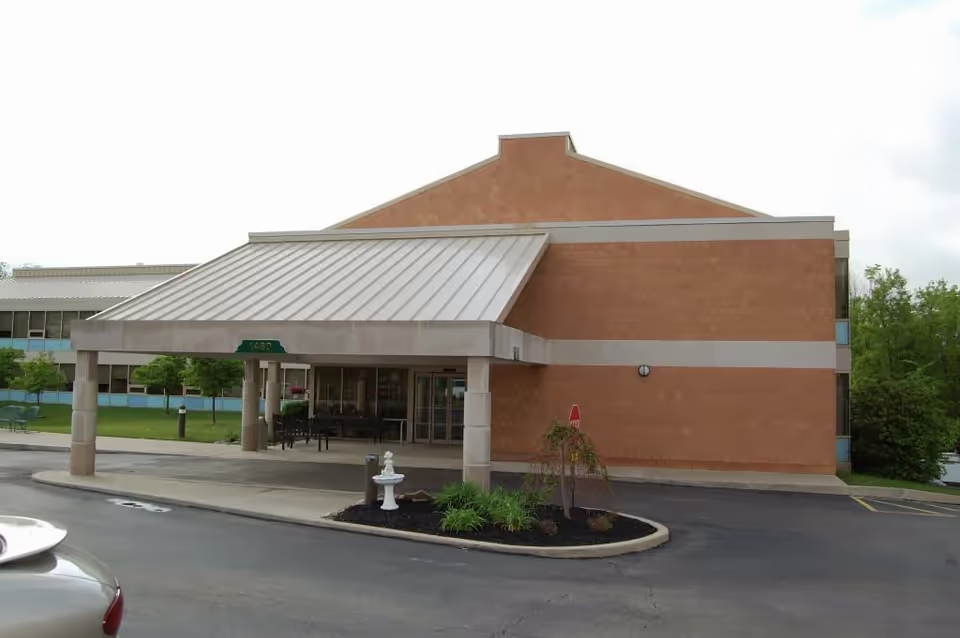
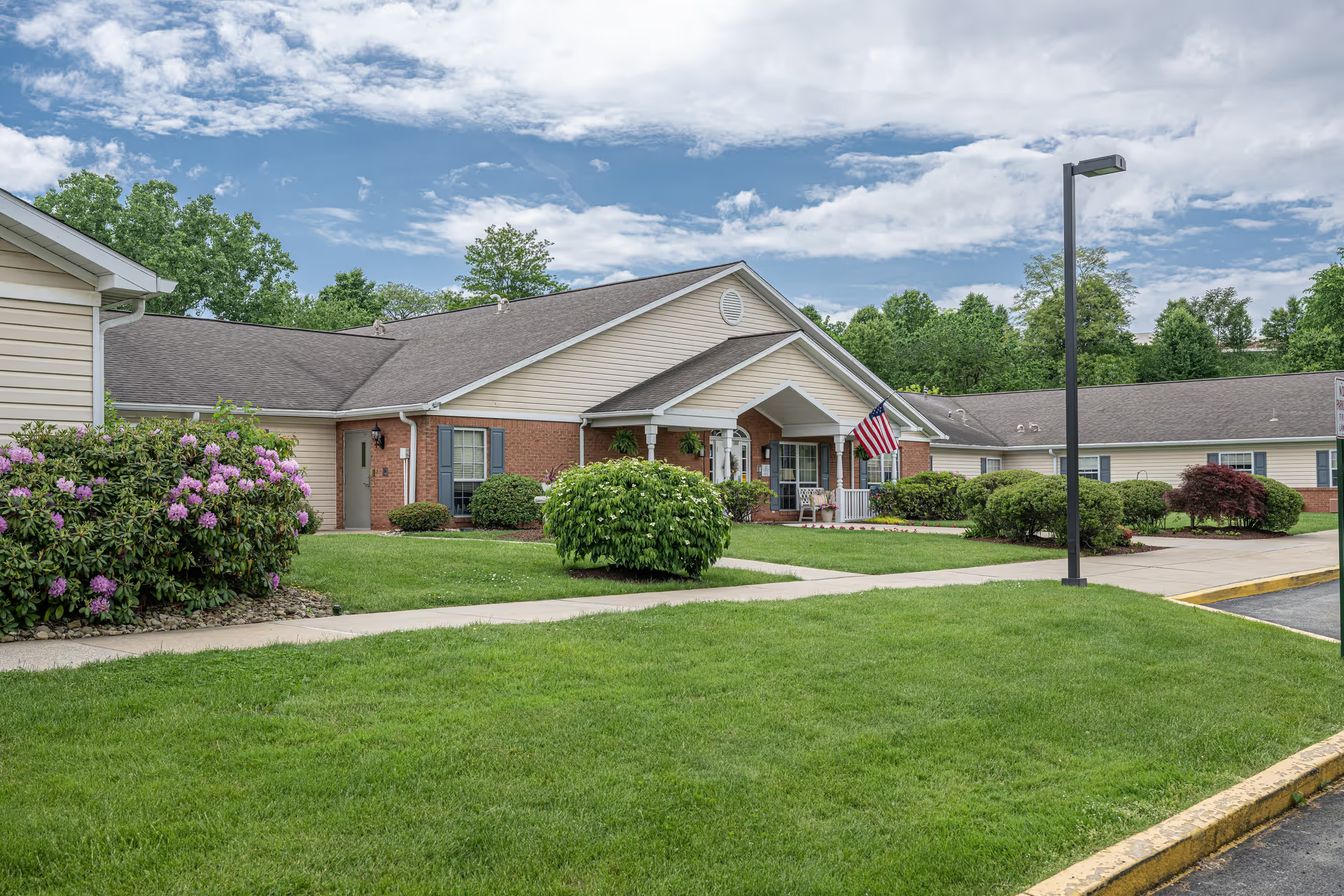
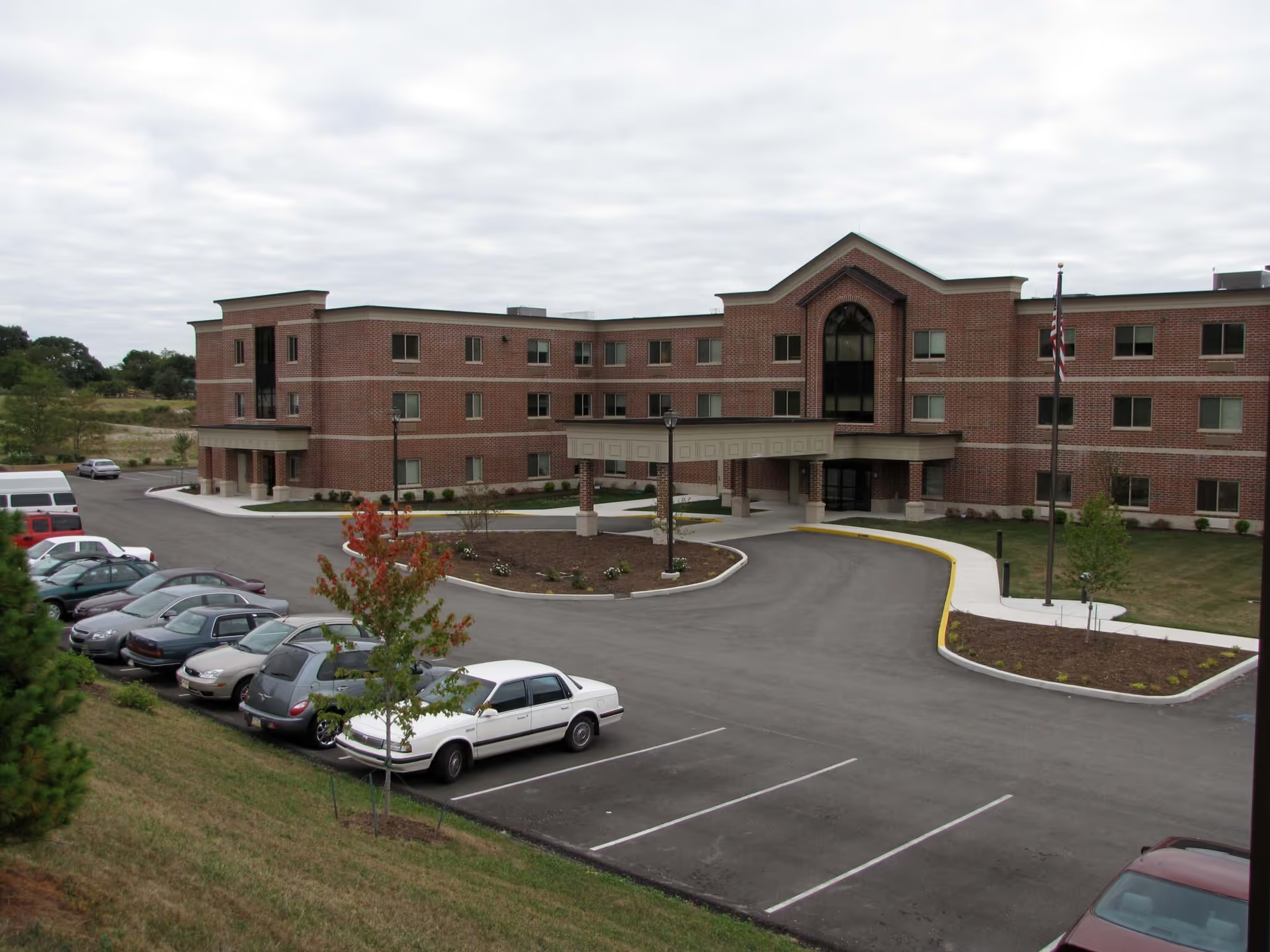
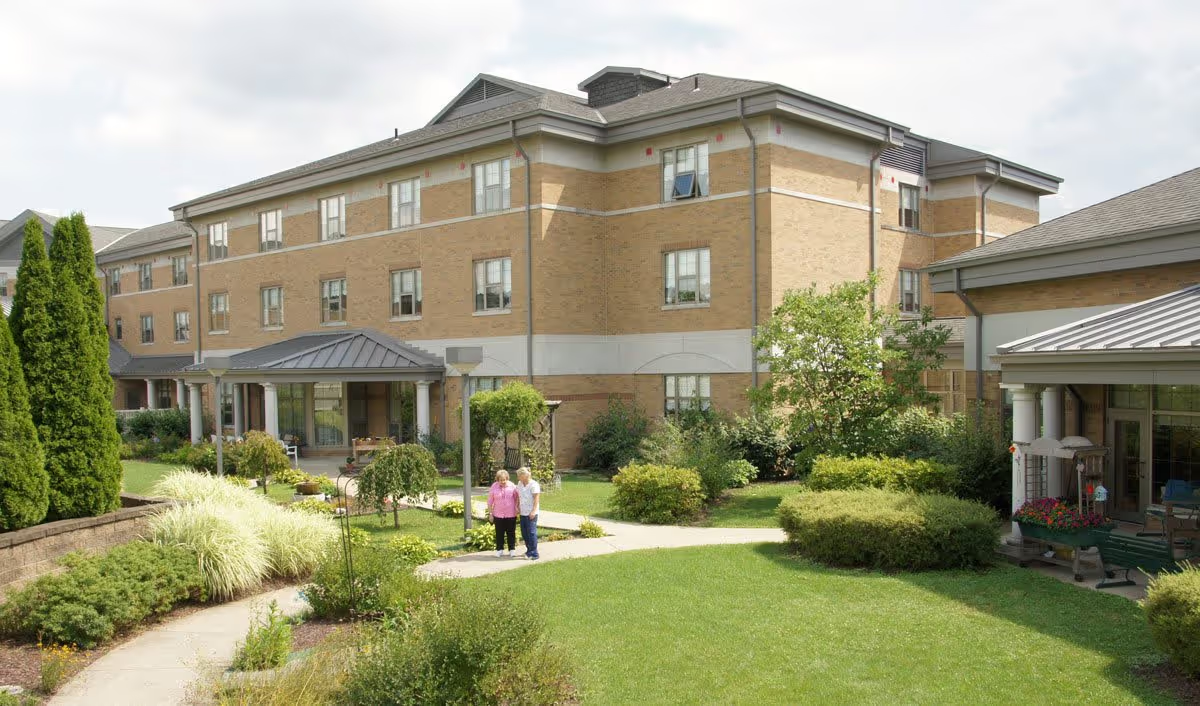
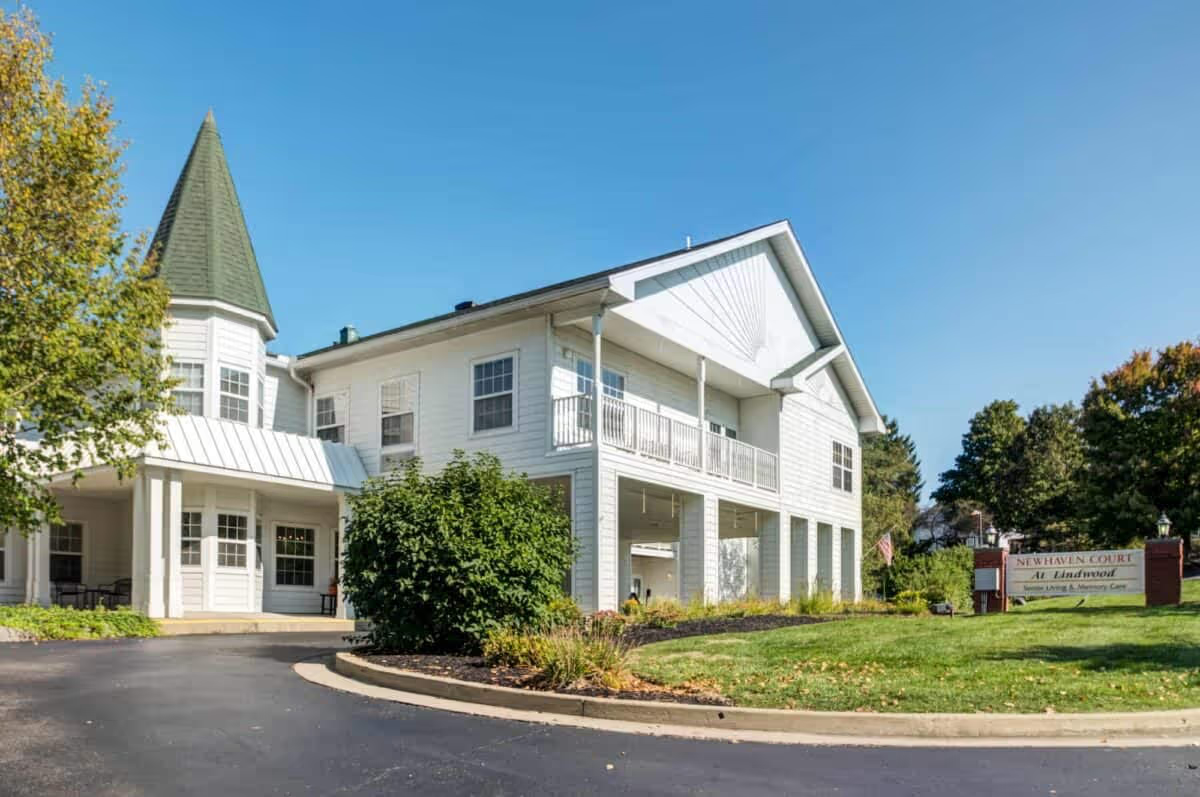
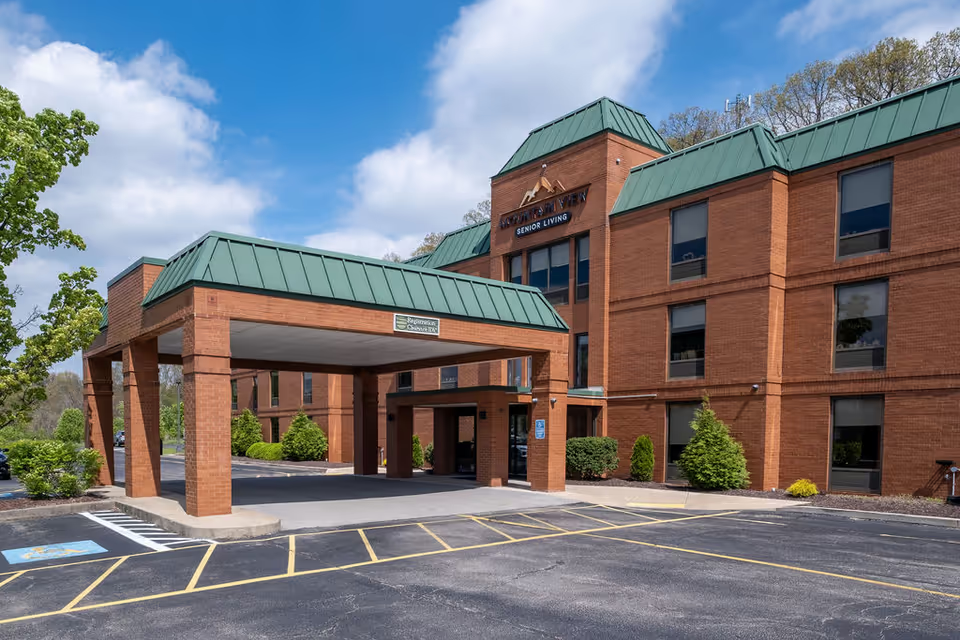
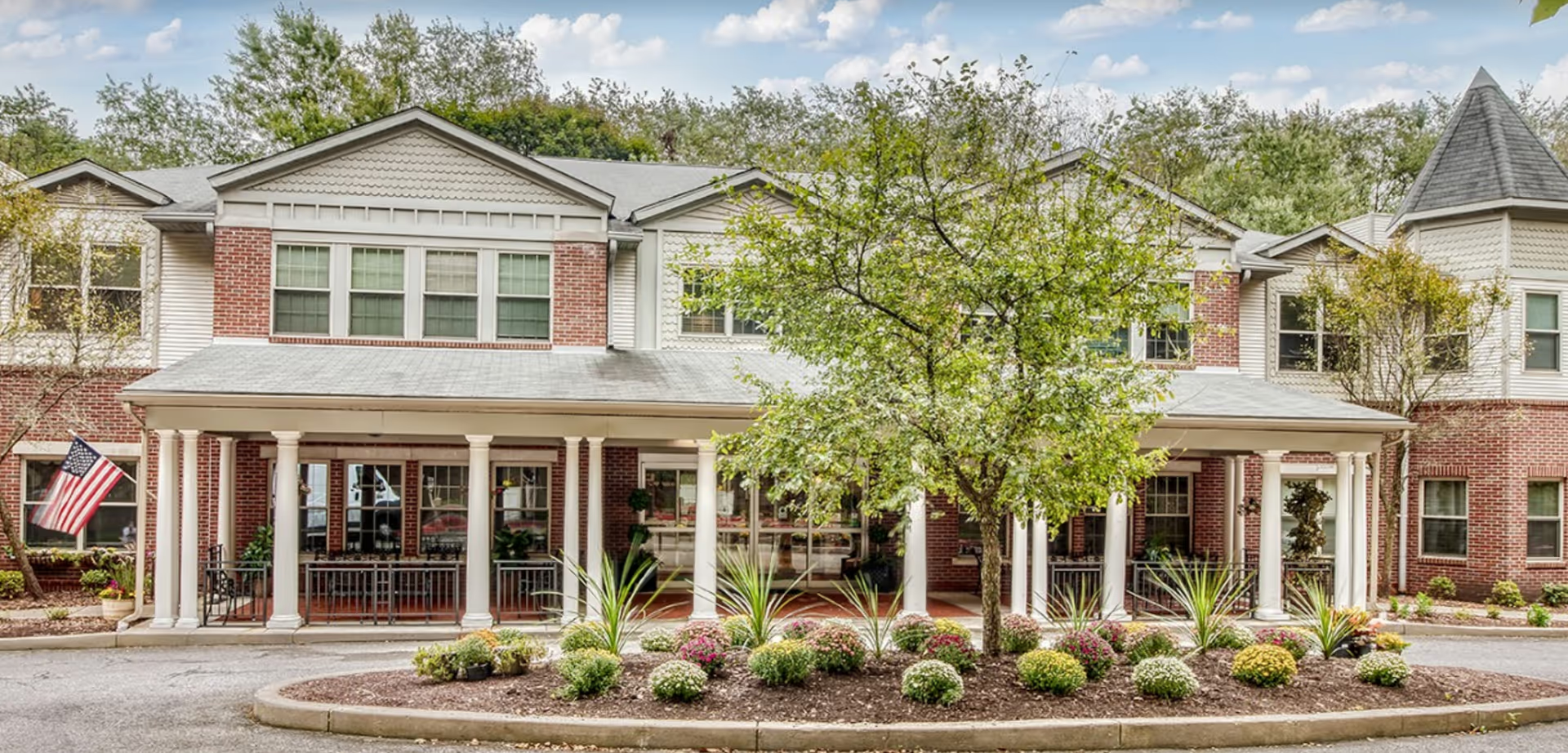
Brookdale Murrysville presents a mixed but generally positive profile. Many families describe a clean, bright facility with private, apartment-style rooms and a home-like communal dining environment. The campus offers readily accessible bathrooms and showers, on-site services such as a beauty shop and hairdresser, and a pet-friendly policy that contributes to a welcoming atmosphere. The building has had documented maintenance work in progress; reviewers noted both ongoing repair projects (painting, soffit/fascia work) and outstanding items (window seals, fence replacement) that suggest an active but unfinished maintenance plan.
Staffing and direct care receive broadly favorable comments alongside clear variability. Numerous accounts praise friendly, attentive caregivers, proactive nurses or nurse practitioners, and staff members who facilitate a smooth transition and frequent communication with families. Concurrently, there are consistent operational concerns: inconsistent staffing levels (particularly off-hours), turnover, and variable management practices that lead to uneven experiences between residents. A pattern of gaps in dementia-specific training and inconsistent approaches to residents with advanced cognitive impairment was reported; while some families highlight high-quality memory-care training and individualized problem solving, others describe inadequate engagement and limited movement/activity for advanced-dementia residents.
Dining and programming are relative strengths. Reviewers commonly note appetizing, nutritious meals, backup meal and snack availability, family-style private dinners, and an activities program that includes music, crafts, holiday events, and opportunities for exercise and socialization. These offerings support resident engagement and are often cited as contributing to resident satisfaction. At the same time, operational practices such as noise control during meals and certain medication-related practices in dining areas were raised as concerns, which intersects with broader medication-management issues.
Clinical operations and management communication show both positives and vulnerabilities. Many families appreciate timely updates, compassionate outreach from specific staff, and active problem solving for health needs. However, there are recurring concerns about medication-administration delays, ordering lapses, and inconsistent notification about hospitalizations or incidents. Separately, allegations concerning personal-property control and at least one claim of staff theft (characterized by some reviewers as a serious individual concern) indicate a need for stronger asset-security protocols. Financial transparency also emerged as an issue for some families, with instances of unexpected fees or fee increases cited as problematic.
Overall pattern: Brookdale Murrysville appears to deliver a generally warm, activity-rich environment with solid day-to-day caregiving for many residents, particularly those who benefit from a small, community-oriented setting and regular activities. Families evaluating the facility should weigh the facility’s strengths in cleanliness, meals, and programming against operational variability — especially staffing consistency, dementia-care expertise, medication processes, maintenance completion, and property/billing controls. Prospective residents and families would be advised to ask specific questions about staffing ratios (including night and weekend coverage), dementia-care training and protocols, medication-administration controls, property-security measures, and full disclosure of fees before making placements.