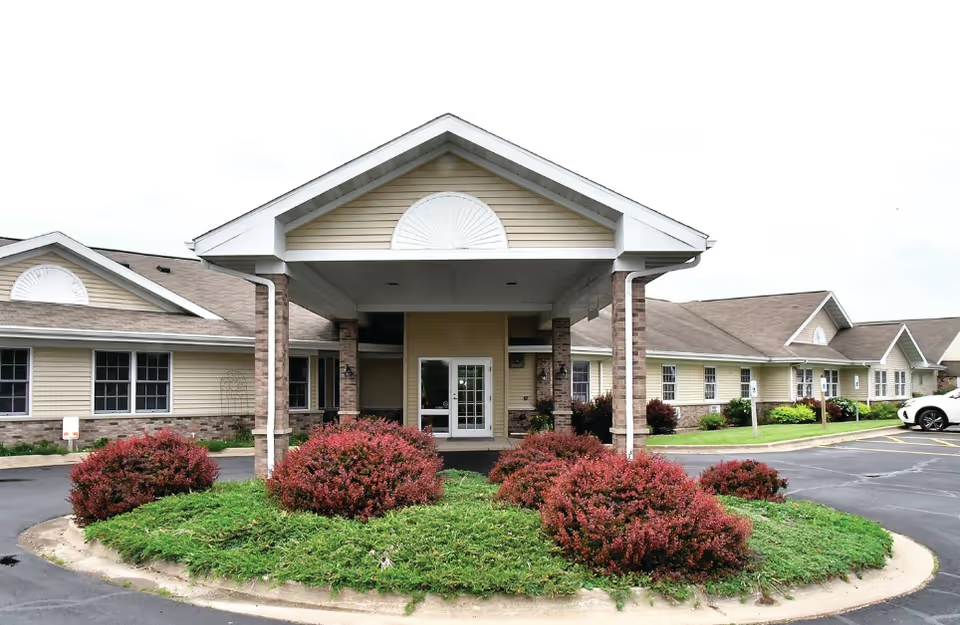
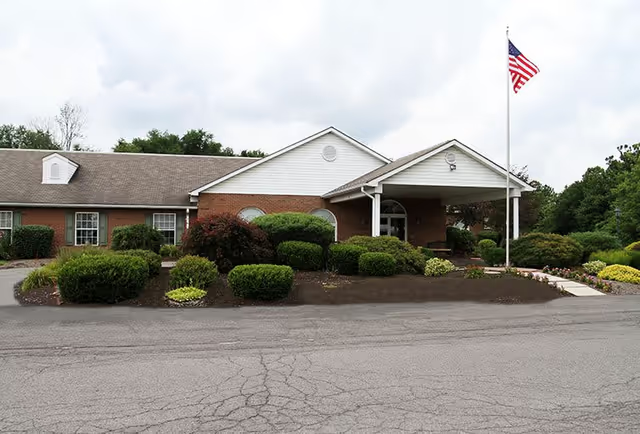
Reviews of Riverside Health & Rehab Center present a mixed picture with clear strengths alongside recurring operational concerns. Many families praise direct-care staff — particularly nursing aides and some nurses — for being caring, attentive, and willing to go the extra mile. Rehabilitation services receive consistent positive feedback: physical and occupational therapy are credited with measurable mobility improvements. The facility's activities program is robust, offering bingo, local outings, luncheons and other social options, and an on-site dialysis center is highlighted as a practical advantage for residents with renal needs. Several reviewers also described meals as appealing and noted a generally well-maintained, hospital-like environment in parts of the building.
At the same time, reviewers describe variability in care quality depending on unit and shift. Recurrent themes include inconsistent staffing levels and responsiveness, with some accounts of delays in attending to toileting and hydration needs and concerns about pressure-area prevention and wound-management practices. Medication-administration timing and nighttime medication practices were also questioned. There are additional safety-related concerns such as a higher fall rate noted by some families and perceived gaps in emergency response and transfer procedures. Positive clinical outcomes in therapy coexist with reports indicating that clinical escalation and timely medical intervention have occasionally been insufficient.
Communication and management practices are another area of divergence. Several families praised case managers and specific admissions staff for clear explanations and proactive discharge coordination, while others characterized admissions interactions as overly sales-oriented and expressed frustration with billing and bed-holding practices that appear financially driven. After-hours phone access and responsiveness were described as inconsistent. Reviews also raise issues around privacy and property security, including confidentiality-control weaknesses and allegations of theft; one or two more serious claims include suspected staff substance misuse, which some reviewers described to ombudsmen or regulatory contacts.
For prospective residents and families, the pattern suggests that experience at this facility may depend substantially on the unit, the specific caregivers on duty, and how management addresses those operational gaps. When evaluating the facility, families may wish to ask targeted questions about staffing ratios by shift, protocols for clinical escalation and wound prevention, medication-administration policies, after-hours contact procedures, property-security safeguards, and oversight of professional conduct. Reviewing recent inspection records and speaking with the ombudsman or current family contacts can also help clarify whether the facility’s strengths in therapy, activities, and certain caregiving staff align with acceptable risk levels for an individual resident’s needs.