Reviews of Havencrest Healthcare and Rehabilitation Center describe a facility with a mix of clear strengths and recurring operational weaknesses. Positive comments emphasize an engaged therapy program, caring frontline caregivers, clean common areas, and several resident comforts such as on-site manicure/foot-care services, personal-item allowances, and social programming. Many families noted that rehabilitation therapy teams were effective and that social services and activities contributed to residents’ quality of life.
Care quality and staff performance were described in divergent terms. Numerous accounts praise individual aides, nurses, and therapists as compassionate and attentive, and several families highlighted timely family updates and an open administrator. However, a parallel pattern of concerns includes slow nurse-call responses, inconsistent medication timing, and variability in staffing across shifts—with particular issues noted on nights and weekends. There are also accounts of communication tone and follow-up problems from phone/desk staff and management, and some serious concerns raised by families about handling of end-of-life situations and singular, significant incidents; these items have led to allegations and, in a few cases, regulatory attention.
Dining and activities show similar variability. The facility offers an appealing dining space, social events (bingo, cards, parties), transportation, and an outdoor courtyard that families appreciate. At the same time, meal quality and portion consistency were criticized by some reviewers, and kitchen operations were called out for sanitation and pest-control concerns in isolated areas. Activity access appears strong for ambulatory residents but limited for fully bedbound or terminal residents; reviewers requested better weekend on-call coverage for therapy and social services.
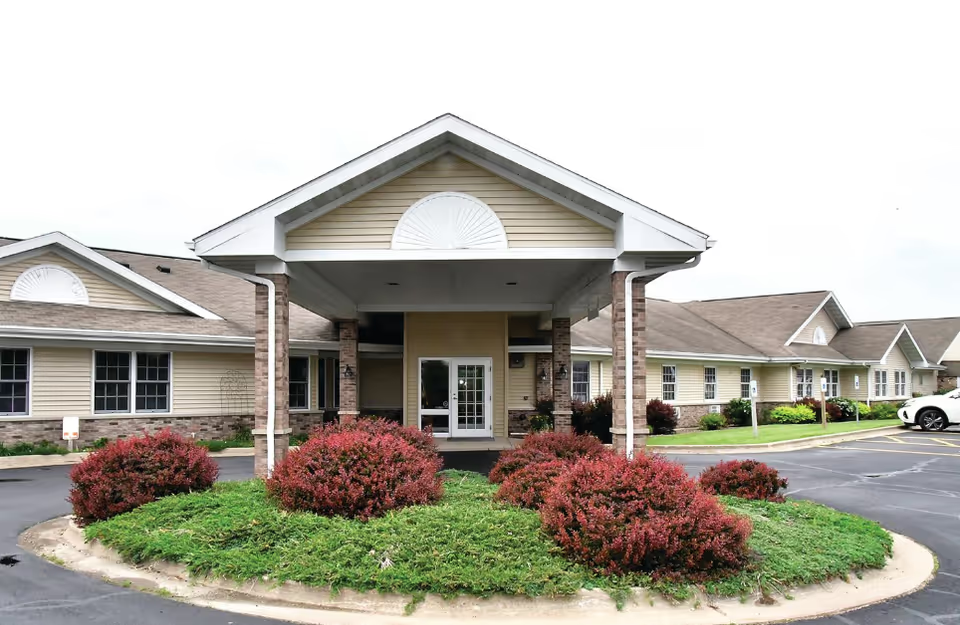
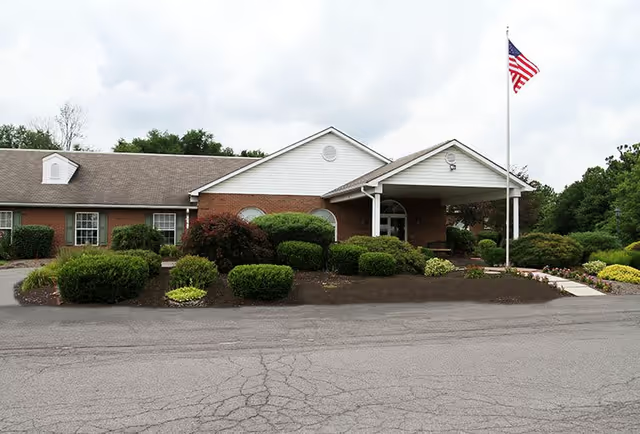
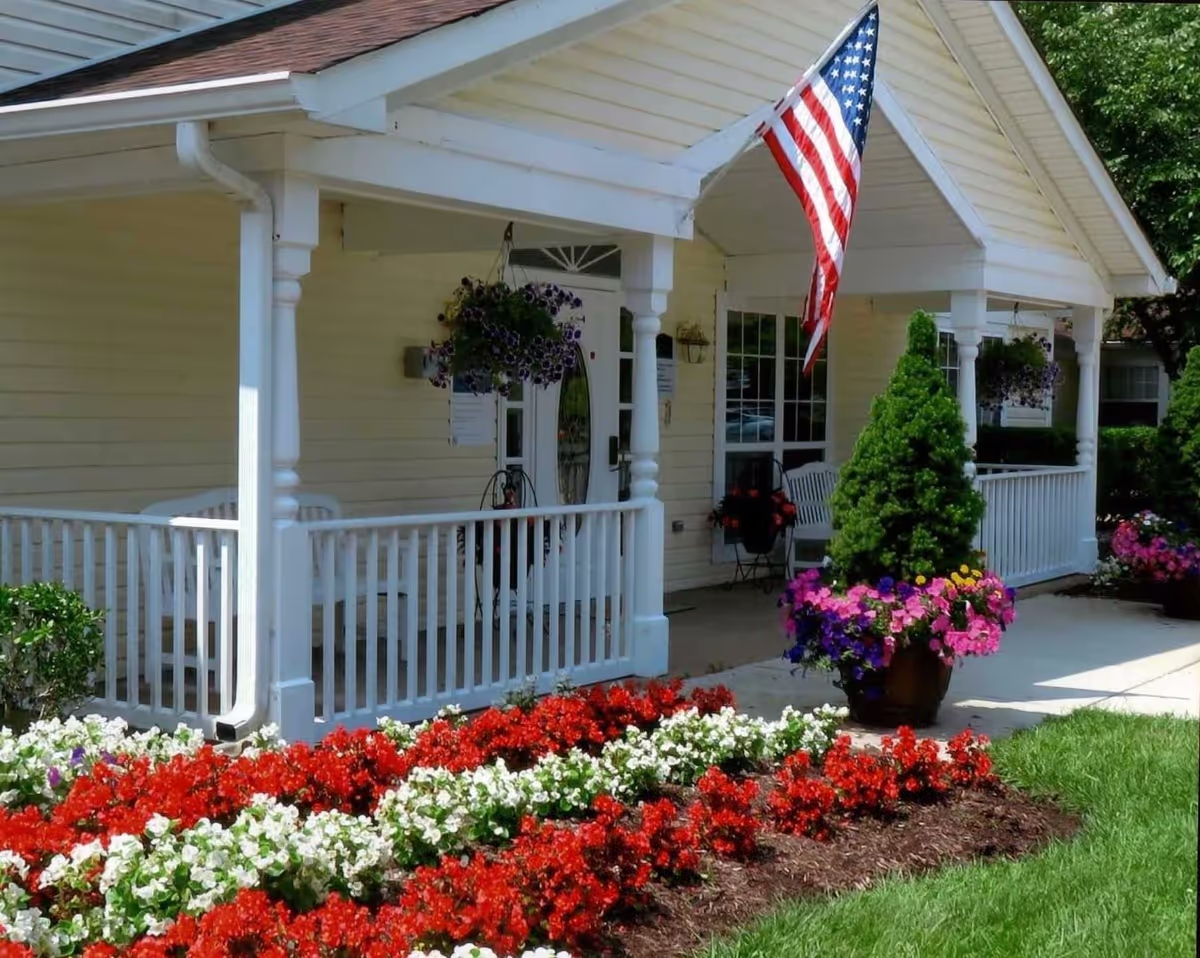
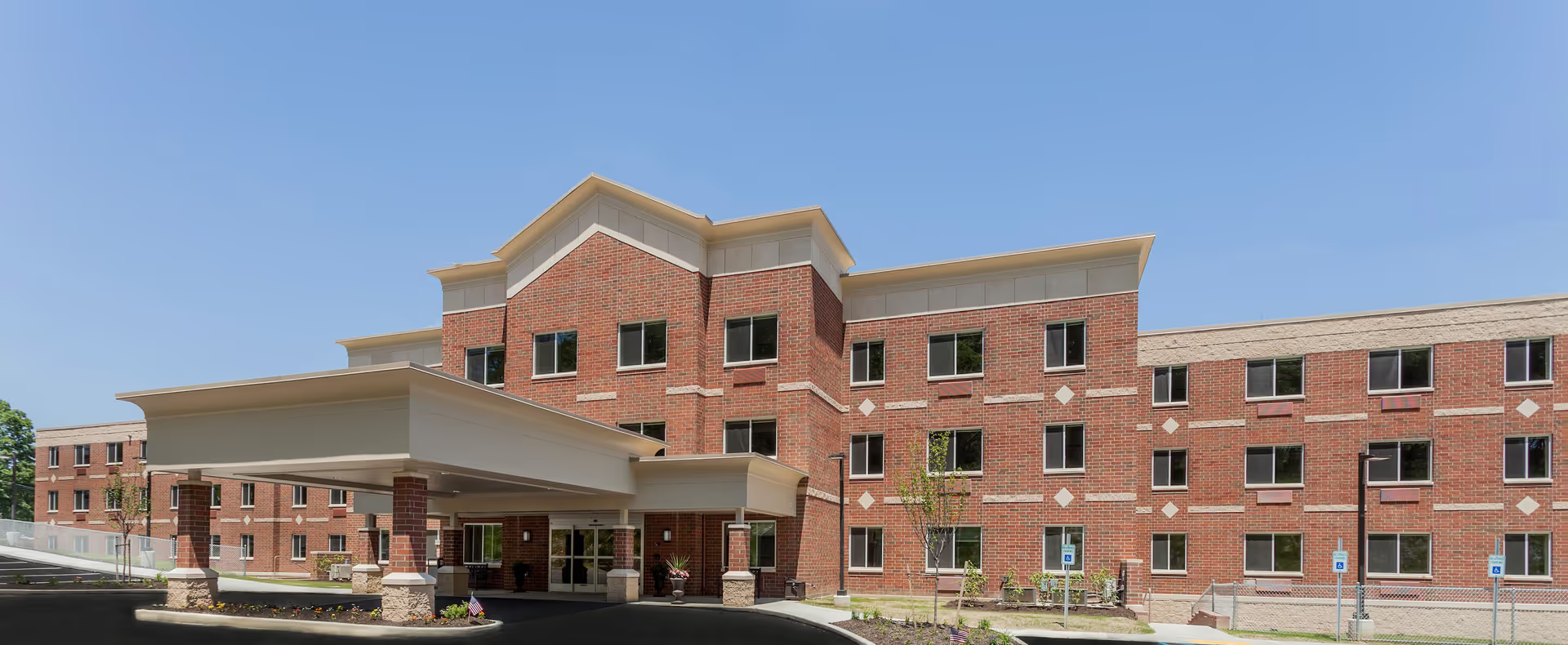
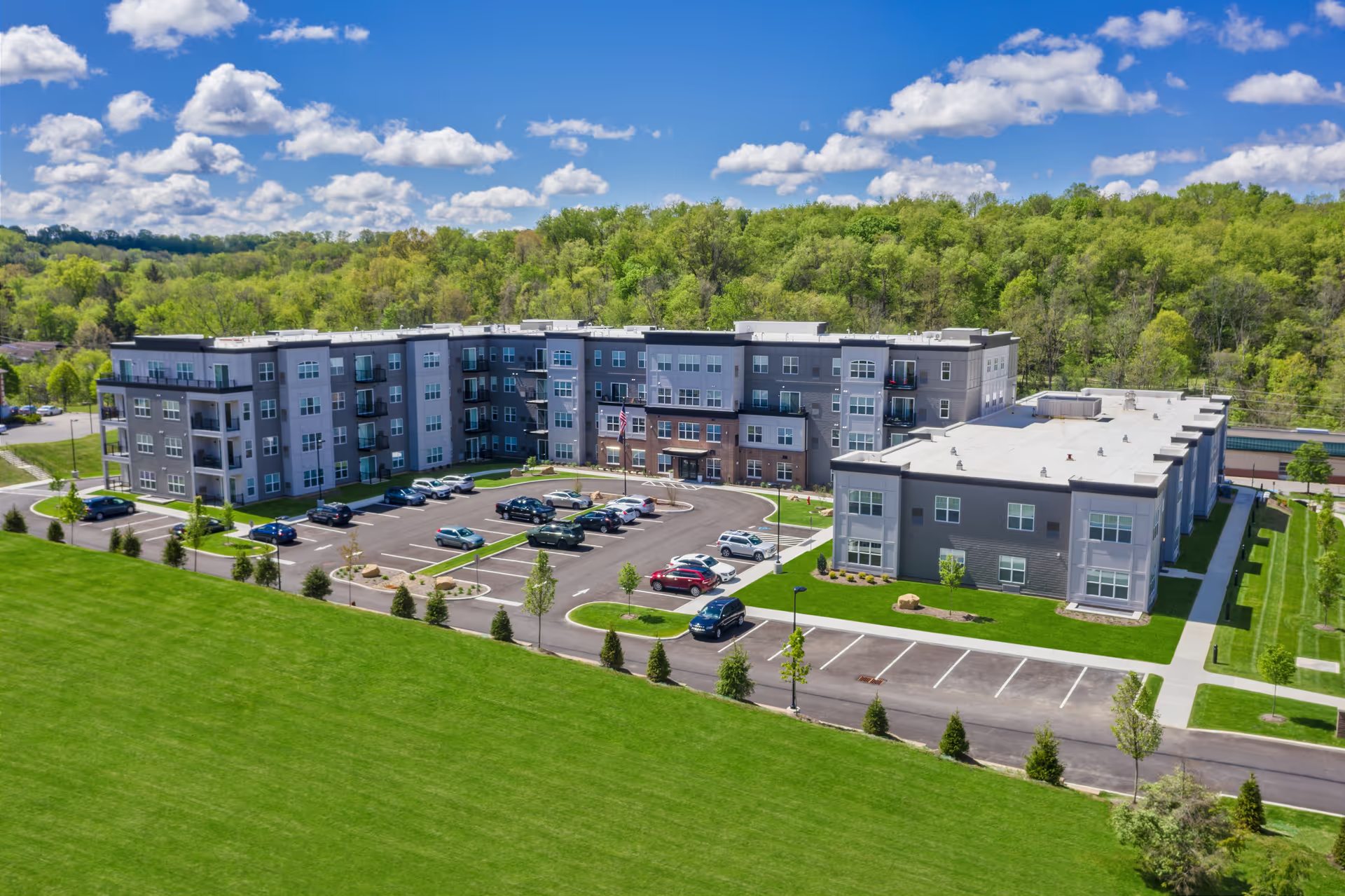
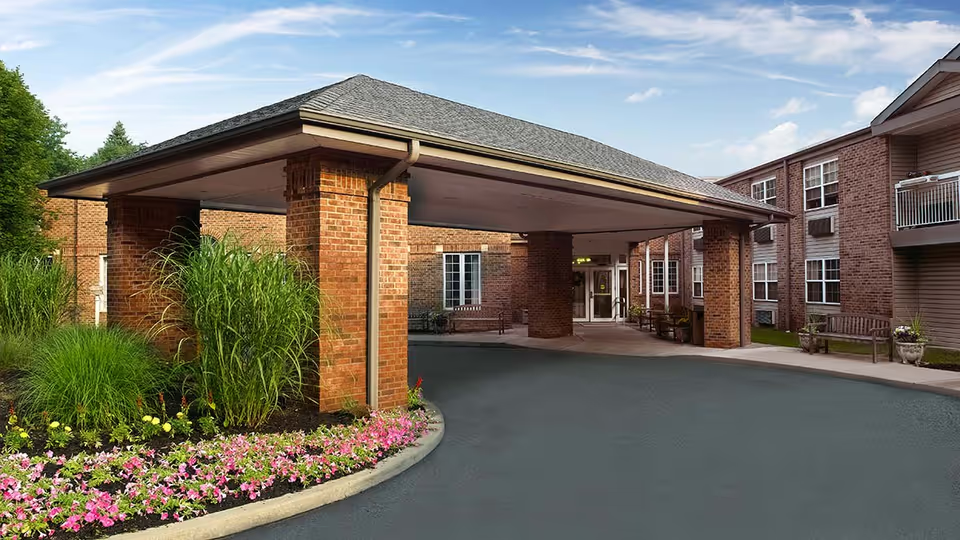
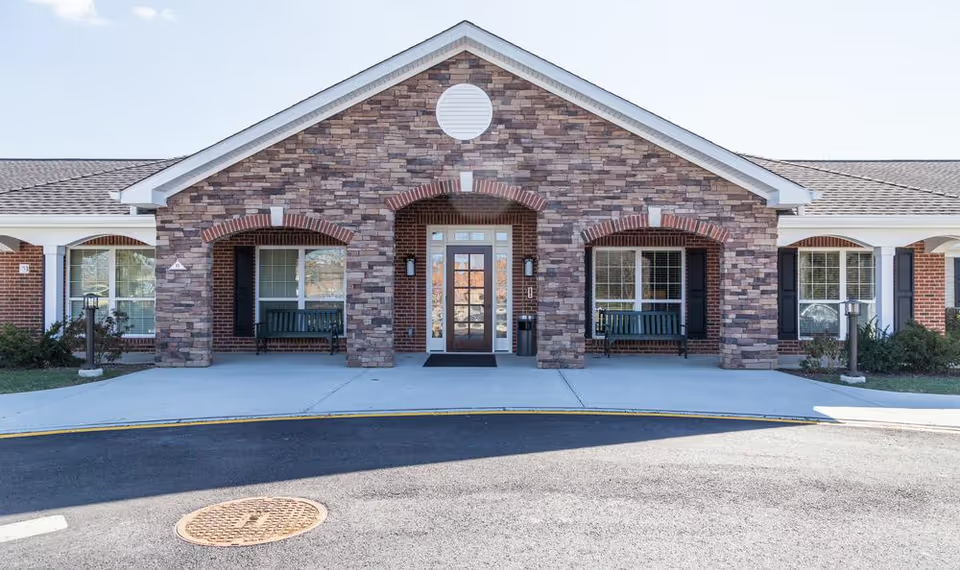
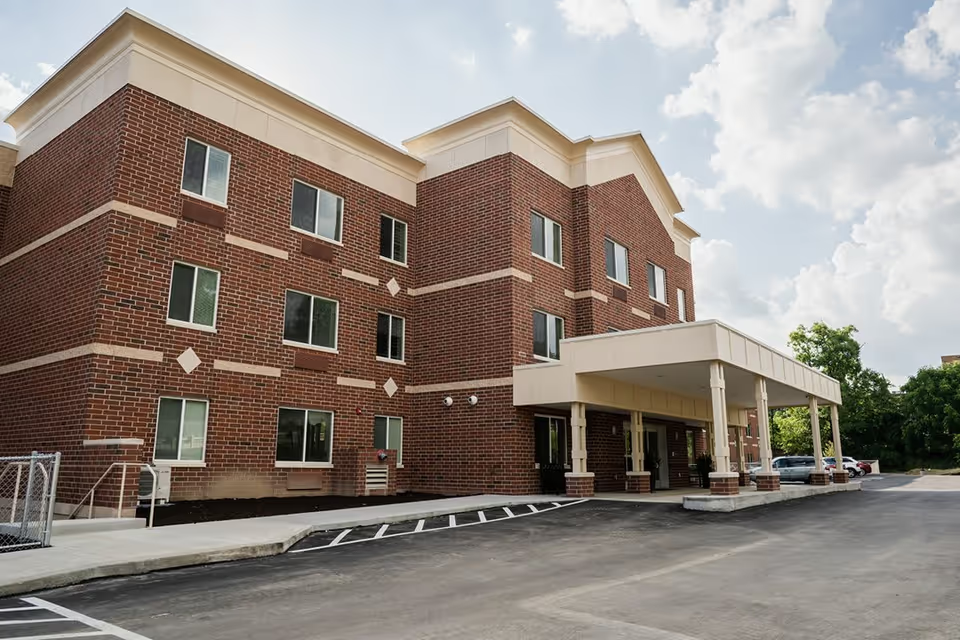
Facility condition and management practices present mixed impressions. Several reviewers describe a clean, well-maintained facility with comfortable furnishings, while others raise sanitation inconsistencies, sticky floors, torn mattresses, and pest-control problems in specific locations. The building is described as older with cosmetic needs and occasional climate-control failures (heater or air-conditioning issues). Operational gaps cited include cramped double-occupancy rooms, inconsistent clinical-supply handling, weak monitoring of exit alarms, and lapses in follow-up from management when families raise concerns.
Notable patterns for prospective residents and families to assess during a tour include: staffing levels and night/weekend coverage; response times to call-buttons and protocols for urgent requests; medication-administration schedules and documentation; kitchen sanitation and meal-menu variety; pest-control programs; procedures for monitoring exits and building security; and communication pathways for family updates and incident follow-up. Given the mixed reports, an in-person assessment focused on these operational areas, direct conversations with therapy and nursing leadership, and verification of current regulatory and inspection records are recommended before placement decisions.