The reviews convey a mixed picture of Country Comfort Assisted. Positive impressions focus on interpersonal care: many commenters characterize staff as friendly and caring, note visible owner involvement, and describe residents as generally comfortable and attended to in daily tasks. Those positive elements suggest strengths in day-to-day hands-on caregiving and a homelike atmosphere that some families and residents value.
At the same time, multiple, substantive concerns recur across the summaries. There are concerns about staff conduct and communication, including assertions that staff have been untruthful or lacked compassion; these raise questions about consistency of tone and responsiveness in caregiver–family interactions. Parallel clinical concerns include medication-management weaknesses and broader gaps in resident-safety protocols. Reviewers also reference regulatory agency criticism and, in one or more instances, allegations of mistreatment; these items elevate the level of operational risk and warrant verification with licensing or oversight bodies.
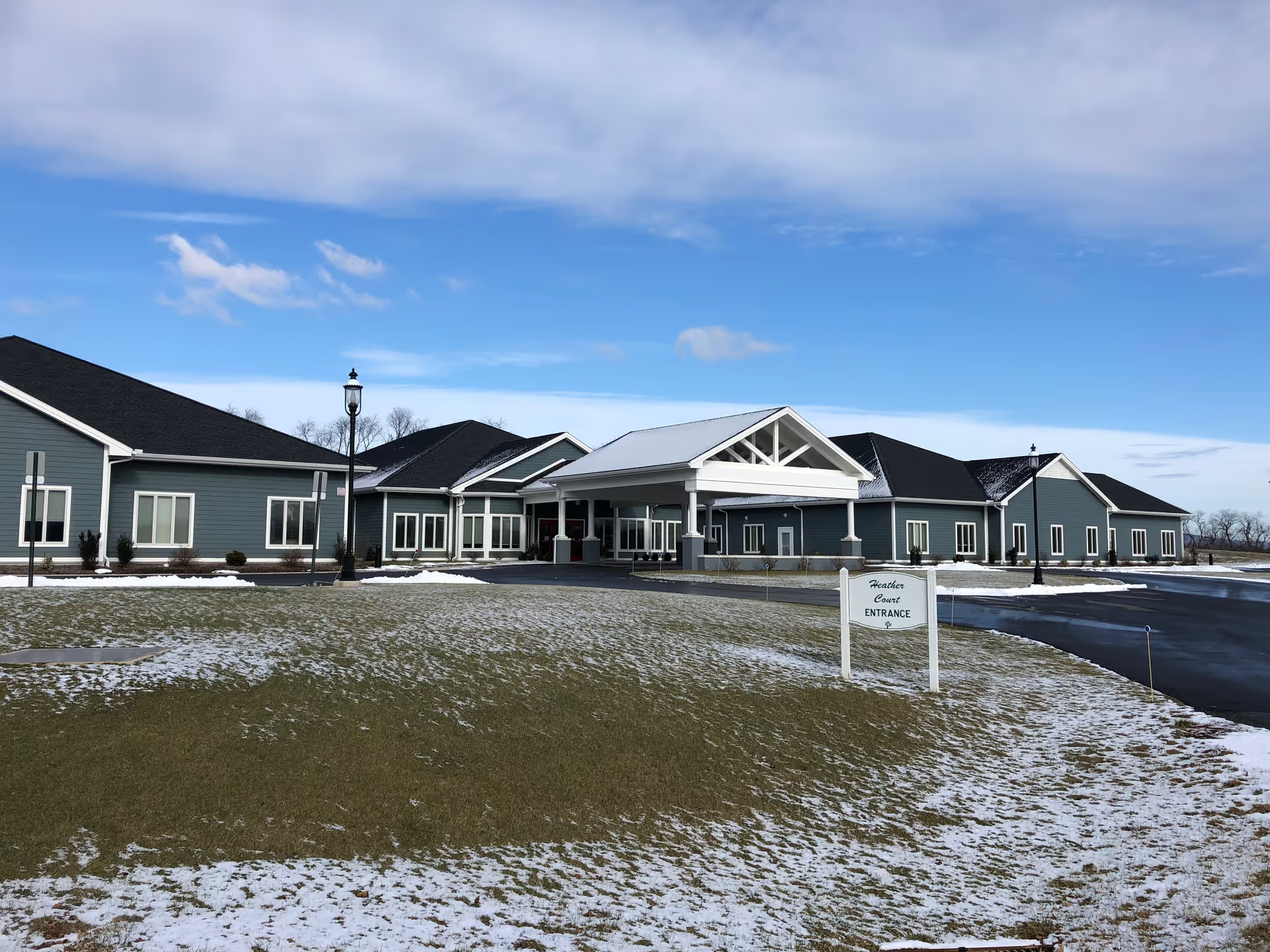
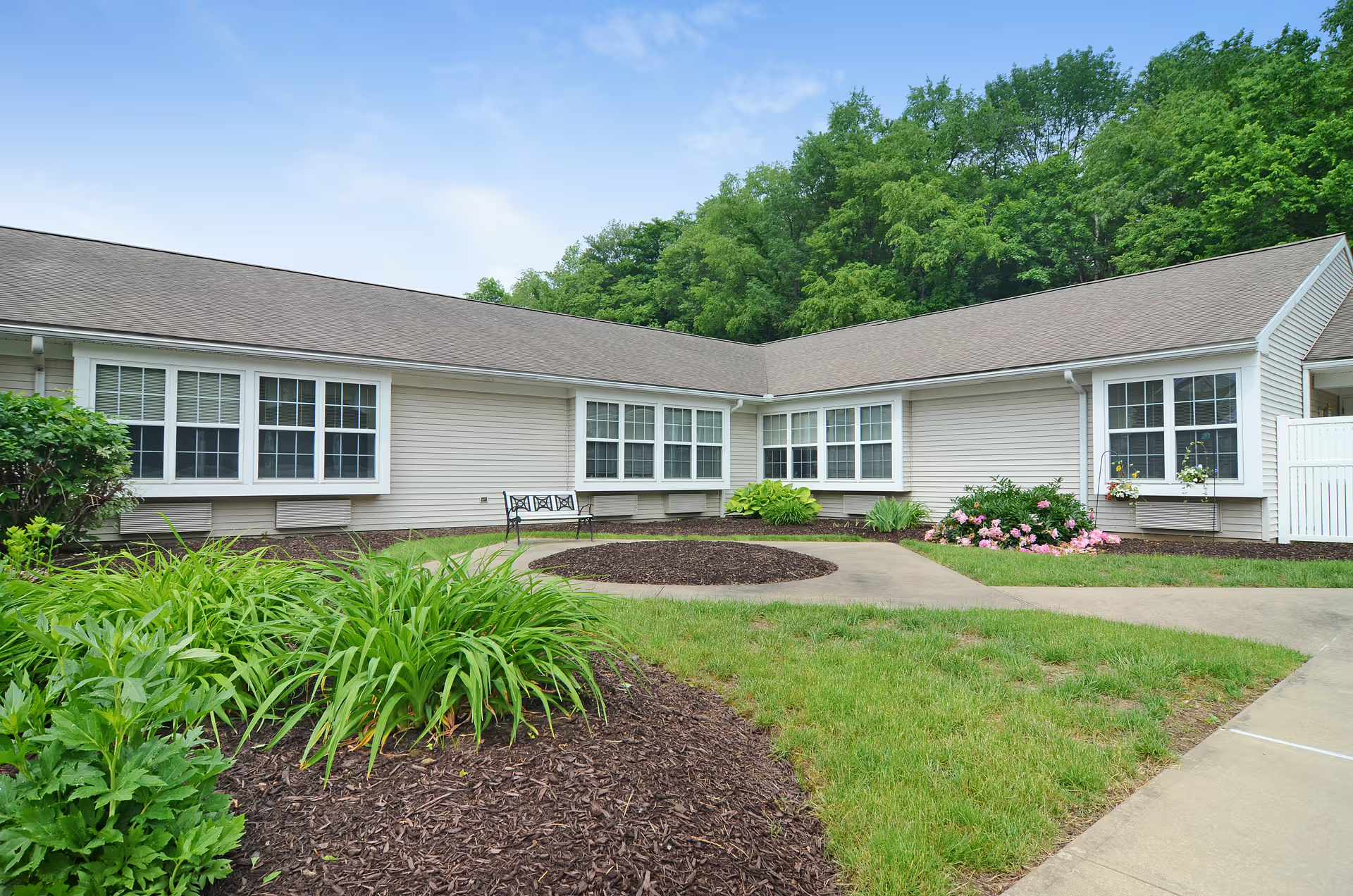
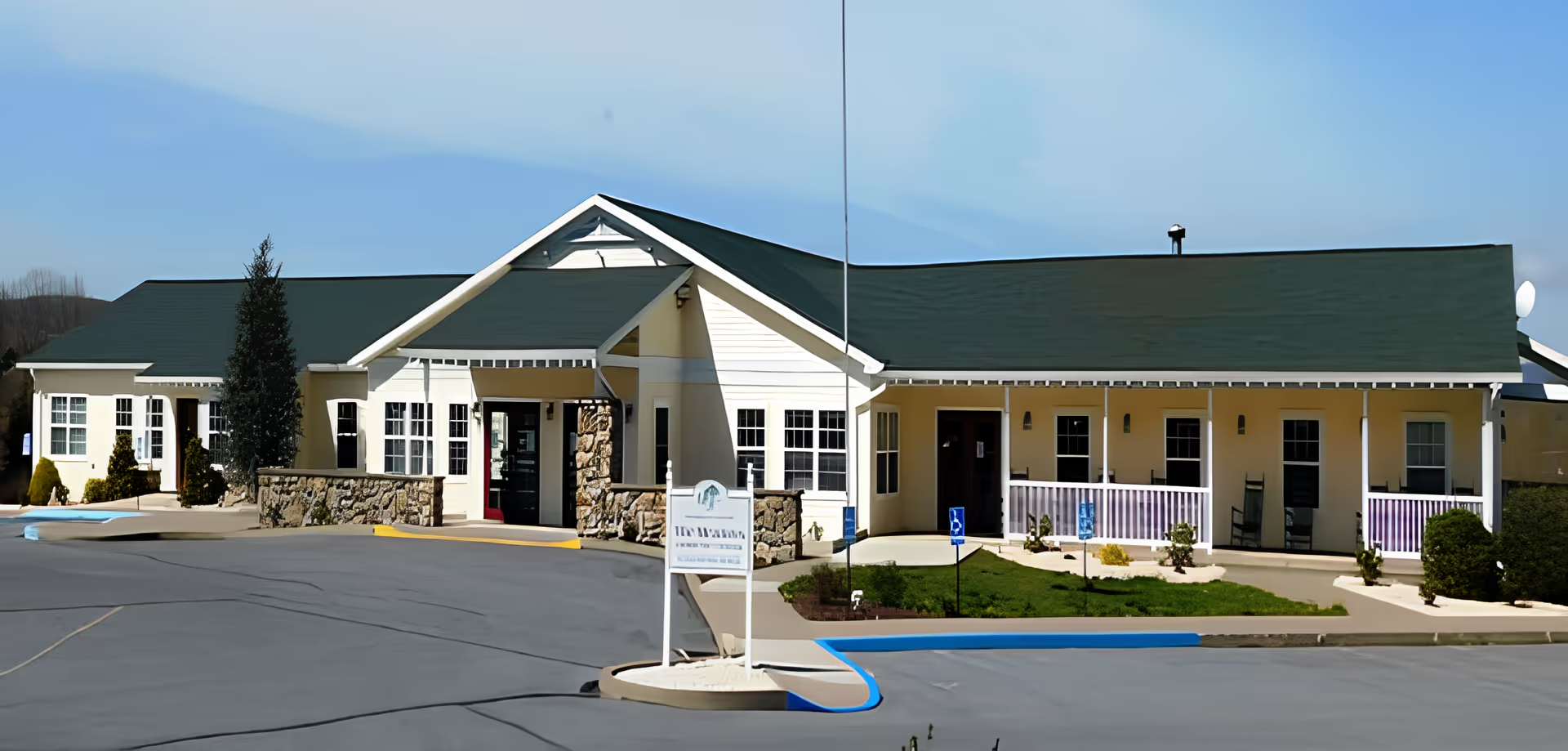
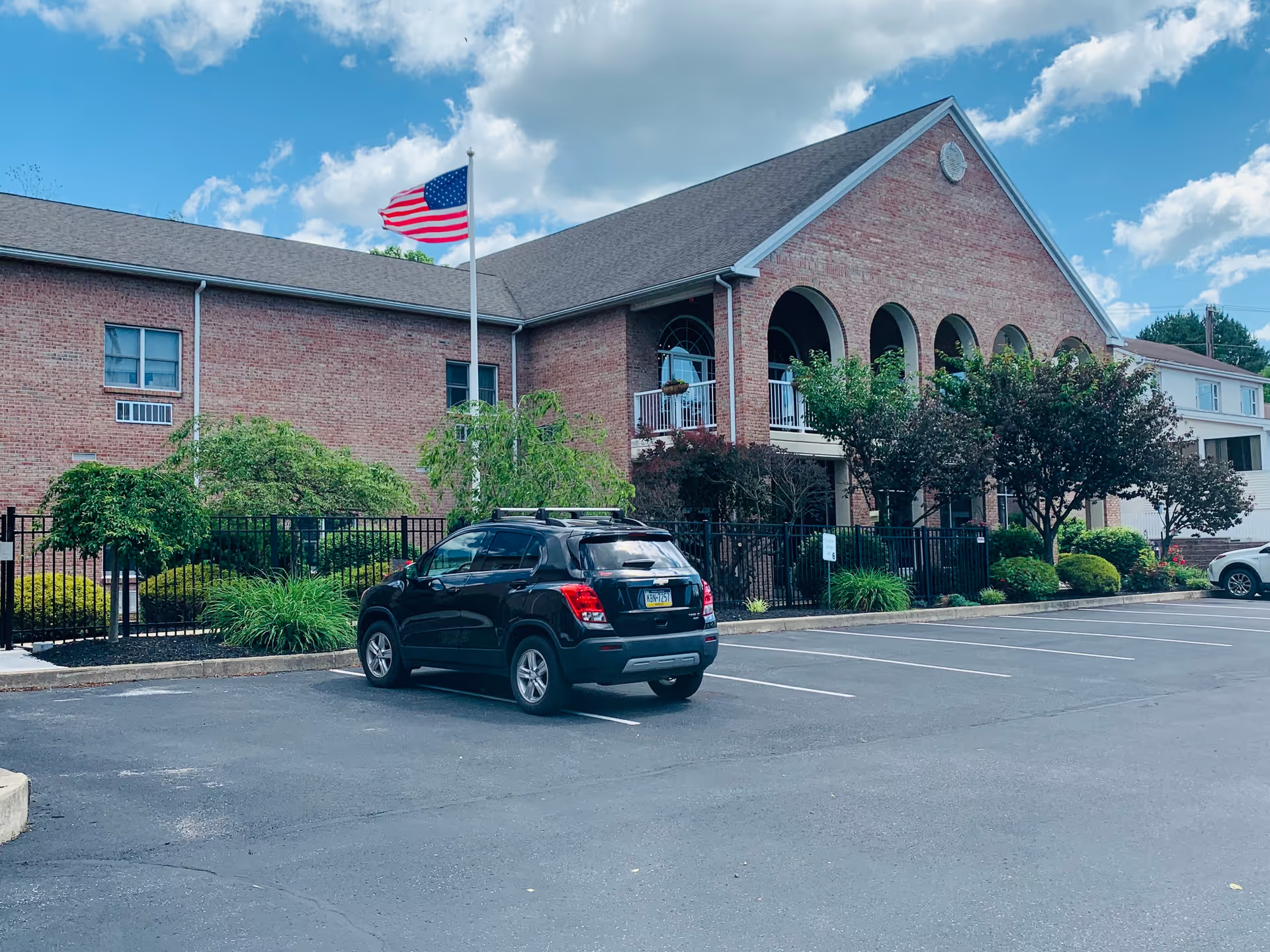
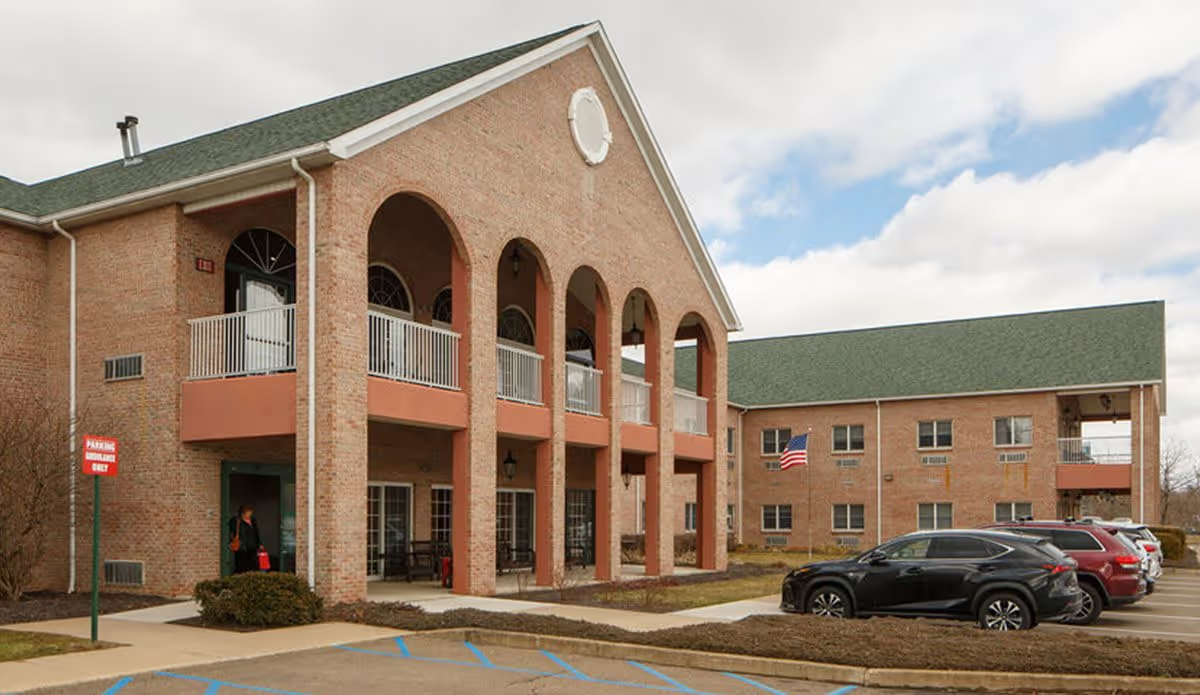
The physical plant and accessibility are additional areas of concern. Comments highlight very small rooms, narrow hallways, lack of air conditioning, and noncompliance with accessibility expectations — factors that can affect comfort, infection-control options, mobility, and emergency egress. Such limitations suggest the facility may not meet the needs of residents requiring larger private space, climate control, or ADA-compliant circulation.
Information about dining and activities is limited in the available summaries. Where programmatic elements are mentioned, they are not a primary focus; several reviewers emphasize basic caregiving and comfort rather than structured engagement or robust activity schedules. This pattern suggests prospective families should ask directly about meal quality, special-diet accommodations, and the frequency and variety of social and therapeutic programming.
In summary, Country Comfort Assisted appears to deliver personable, hands-on caregiving with notable owner involvement, but also presents operational and physical-plant issues that could affect resident safety, medication reliability, and overall comfort. Prospective residents and families should seek up-to-date documentation of licensing and regulatory status, request specifics on medication administration and incident-response protocols, and inspect unit sizes, climate control, and accessibility to determine fit with individual needs.