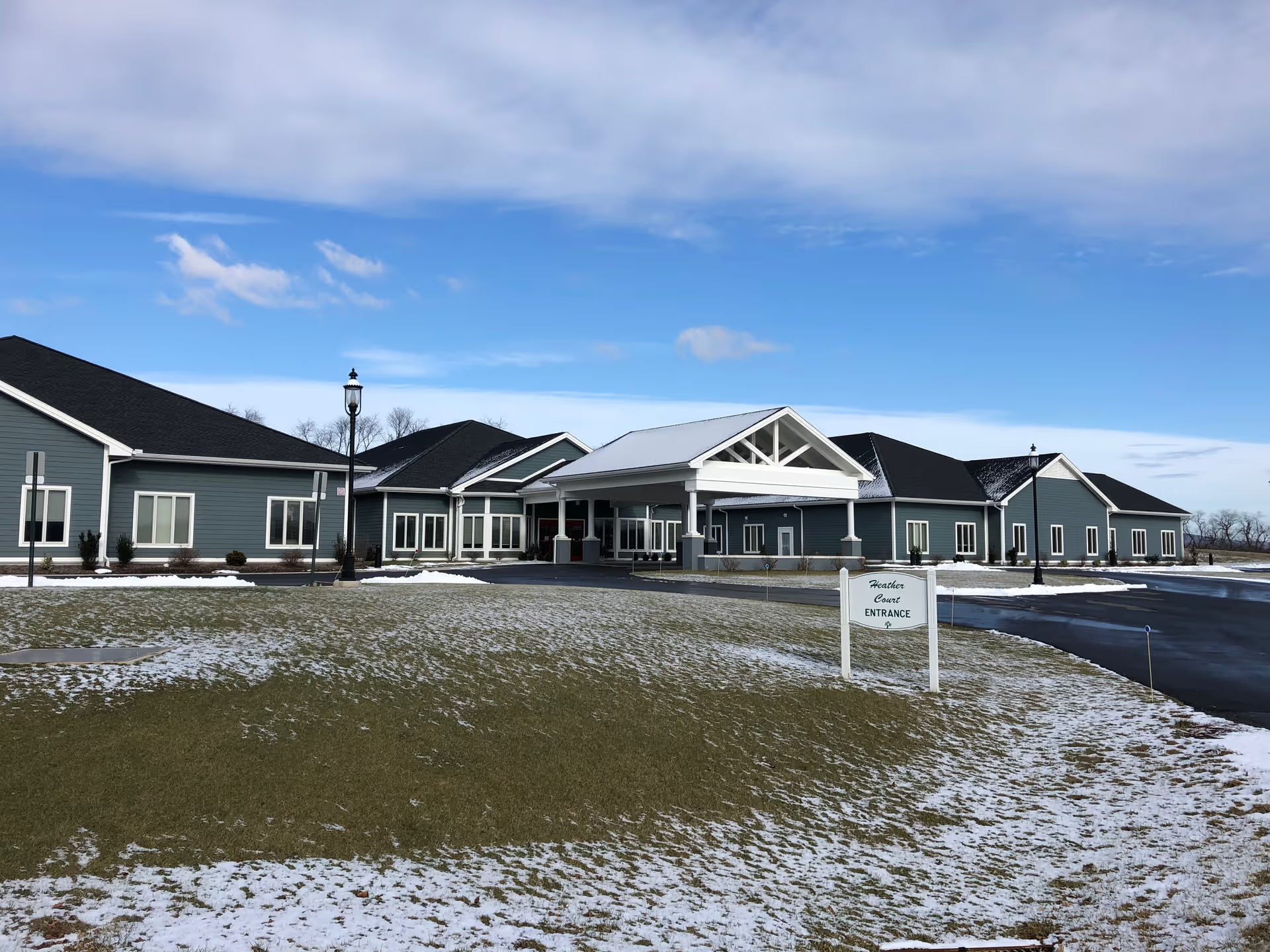
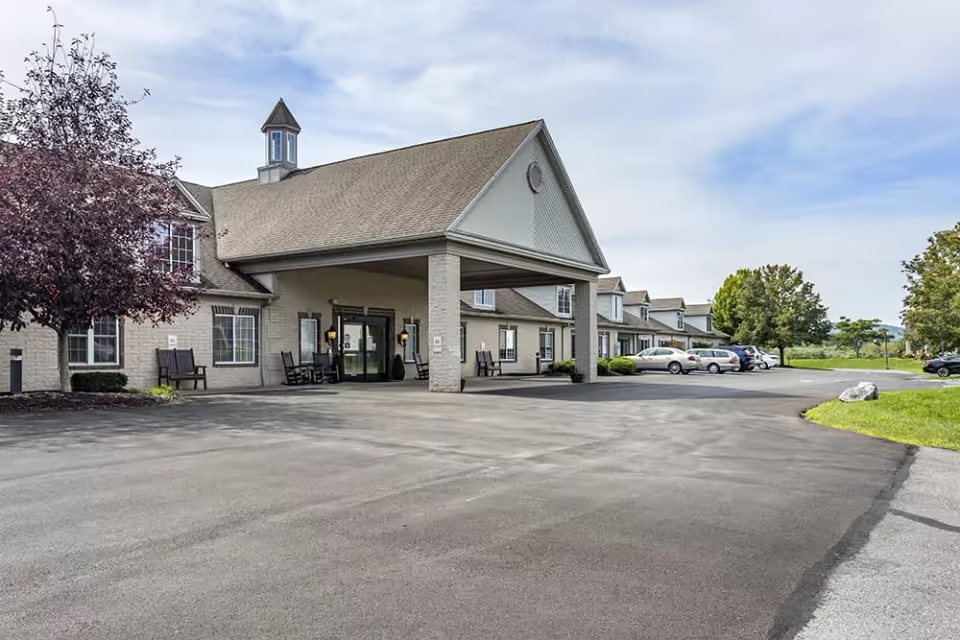
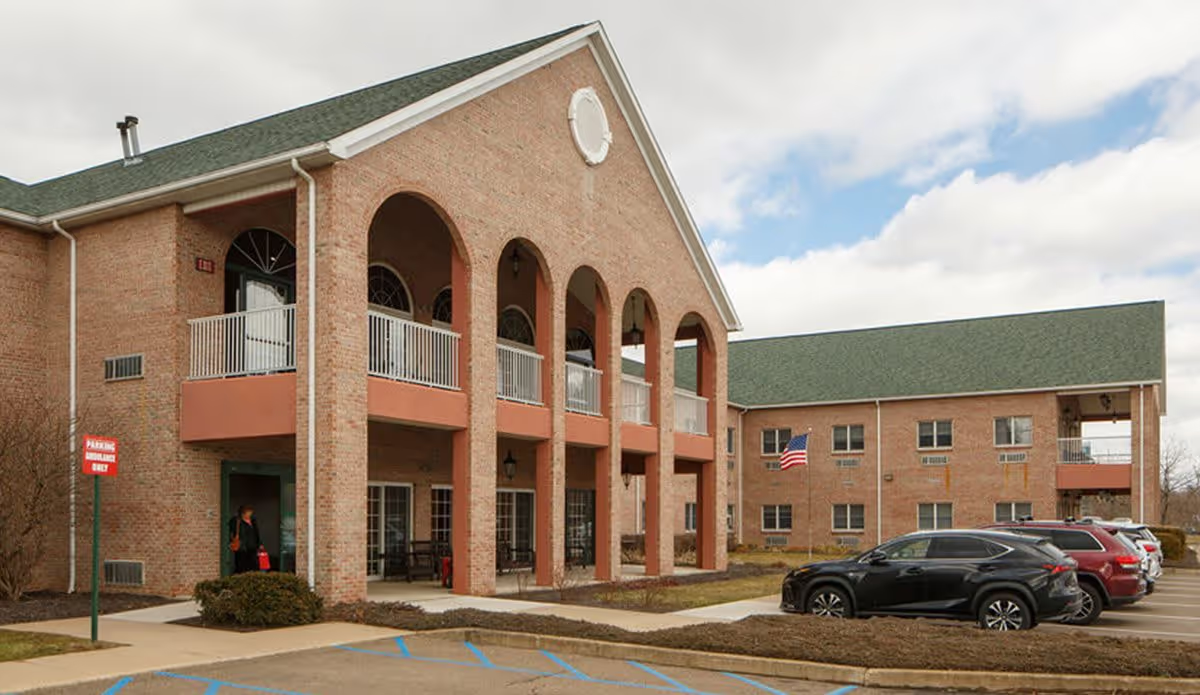
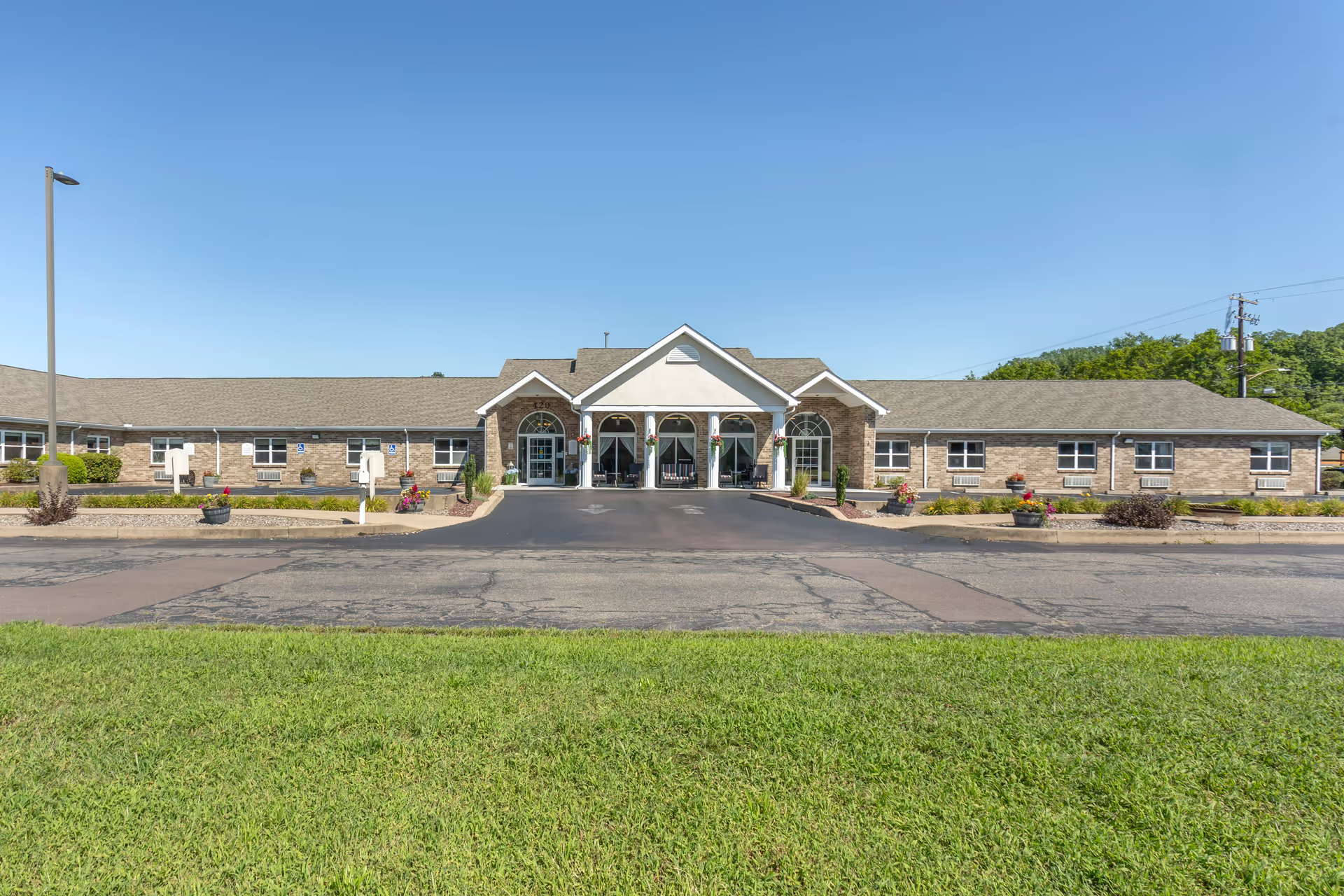
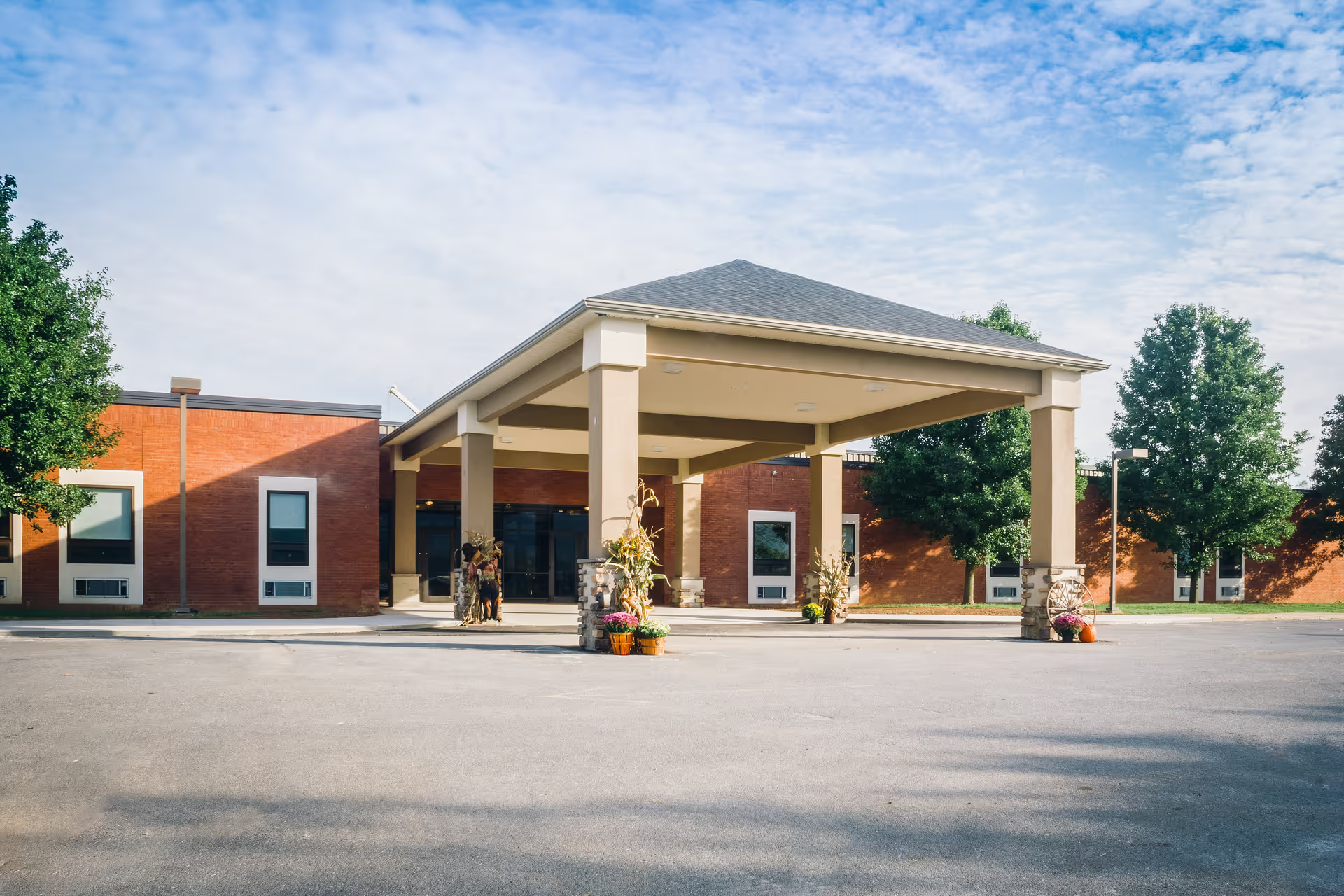
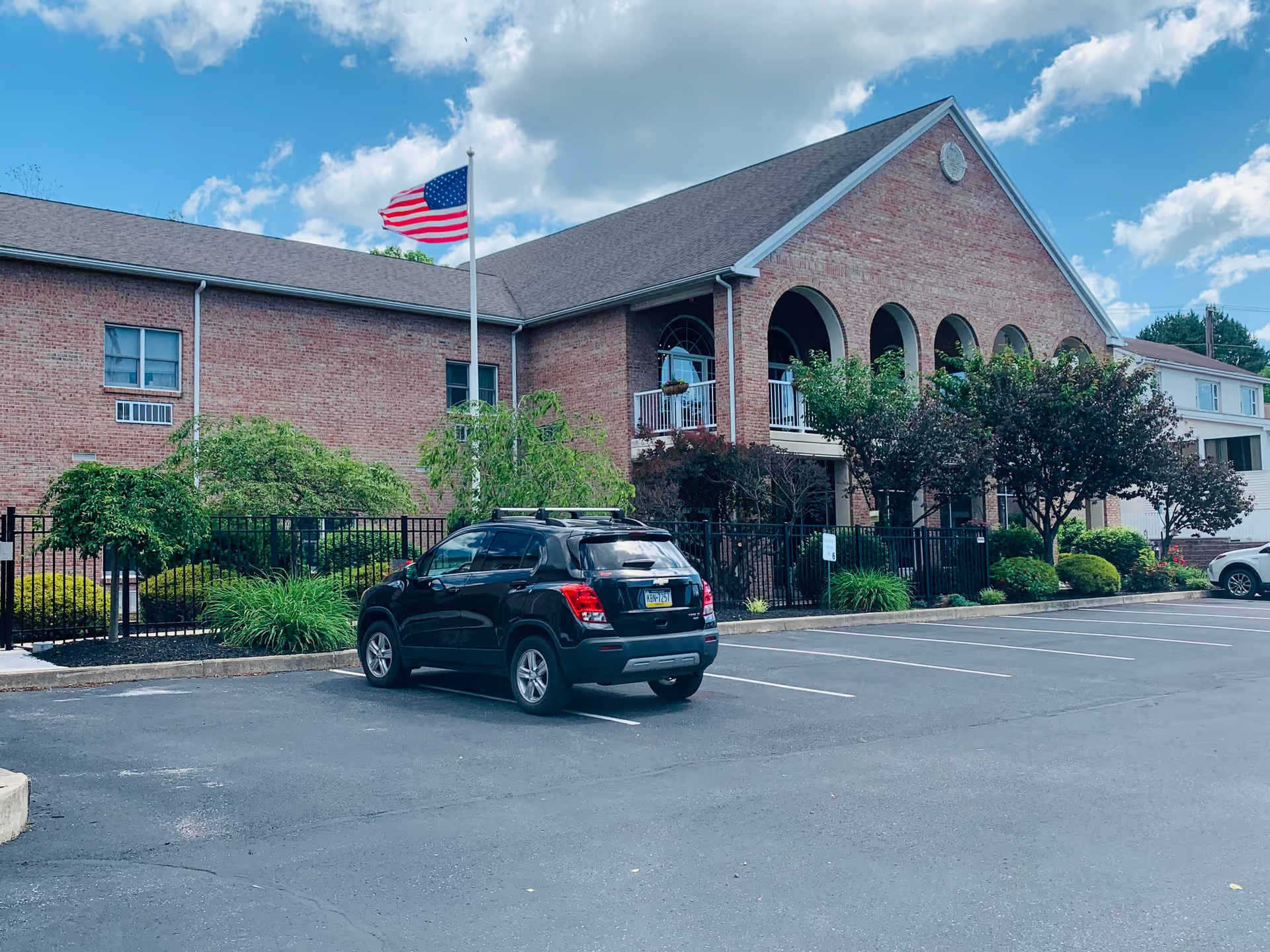
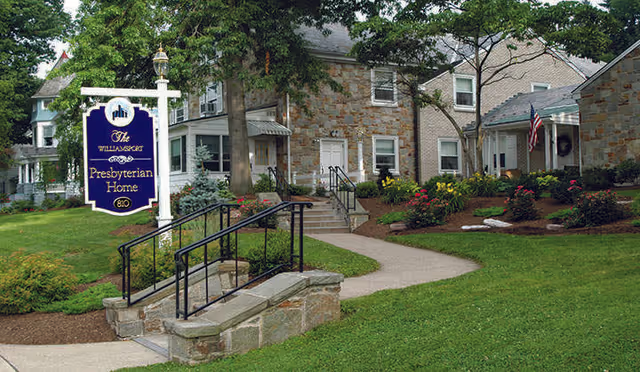
Overall impression Nottingham Village presents as a well-maintained, full-service senior community with many strengths. Reviewers commonly praise the facility’s cleanliness, thoughtful design, and range of living options from apartments to single-family-style ranch homes. On-site amenities such as dining rooms, a café, exercise areas, a lobby store, transportation, and walking areas contribute to a campus-like environment. The community's continuing-care/private-pay model and flat-fee option are appealing to families who can meet the cost.
Care and staff Clinical and caregiving staff receive frequent positive mentions for being compassionate, attentive, and skilled — particularly nursing caregivers and the rehabilitation/therapy teams. Multiple accounts describe successful rehab outcomes and effective therapy that supported meaningful recovery. At the same time, reviewers describe inconsistent staffing levels and frequent staff rotation in some units, which can reduce caregiver continuity and make it harder for families and residents to establish consistent relationships with primary caregivers. There are also isolated but serious allegations concerning staff conduct and medication-management practices; these appear to be exceptions in an otherwise favorable set of caregiving comments but should be clarified directly with the provider during a tour.
Dining and dietary management Dining areas and menu presentation receive positive feedback for elegance and variety in many accounts, and some families describe flexible dining practices and enjoyable meals. Counterbalancing that, there are recurring comments about inconsistent meal quality, limited variety at times, delays in meal service, and uneven accommodation of special diets (including concerns about diabetic meal adherence and assistance for residents who need feeding support). Prospective families should ask about current kitchen staffing, dietary protocols for special needs, and how meal assistance is scheduled.
Activities and programming The activity program is viewed as a strong aspect of community life when fully staffed: exercise classes, social parties, movies, music, and small-group programming were highlighted as beneficial for resident engagement. Reviewers also note that programming was reduced during pandemic-related staffing pressures and other high-demand periods; activity availability may therefore fluctuate depending on staffing and public-health conditions.
Facilities, safety, and infection control The campus layout and design are generally well-regarded, with secure access, pleasant outdoor spaces, and bright, clean rooms. COVID-19 precautions and communication during infection-control periods received positive feedback for transparency and safety measures (e.g., plexiglass visiting arrangements and virtual visits). At the same time, visitor access has been described as restricted or challenging at times during peak infection-control phases; families should review current visitation policies and procedures.
Management, administration, and costs There is a split in perceptions of administration: some families appreciate prompt responses and a professional management presence, while others report administrative continuity and decision-making gaps that affected placement, transfers, or long-term care transitions. Notably, reviewers described limits in the community’s capacity or coordination for higher-acuity transfers to skilled nursing or memory-care beds. Additional operational notes include charges for certain ancillary items and a community cost structure that may be high relative to some families’ budgets. Prospective residents should review contracts closely, ask about ancillary fees, and confirm policies for transitions to higher levels of care.
Notable patterns and recommended questions for visitors The dominant patterns are: strong clinical and therapy capabilities, attractive facilities and programming when staffed, and recurring operational weaknesses around staffing consistency, meal-service/dietary management, administrative continuity, and costs. When evaluating Nottingham Village, families would be well served to ask about current staffing ratios and turnover, meal and dietary-management protocols, medication oversight and incident reporting, policies for transitions to higher-acuity care, ancillary fees, and the community’s current activity and visitation practices. These inquiries will help determine whether the facility’s strengths align with a prospective resident’s clinical needs and family expectations.