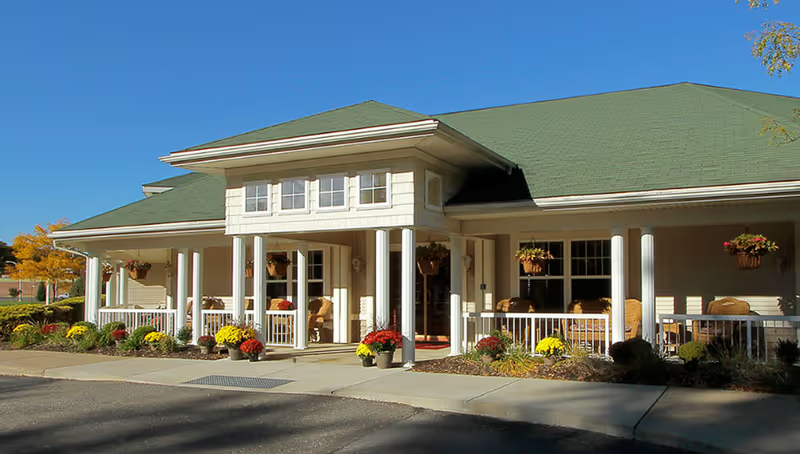
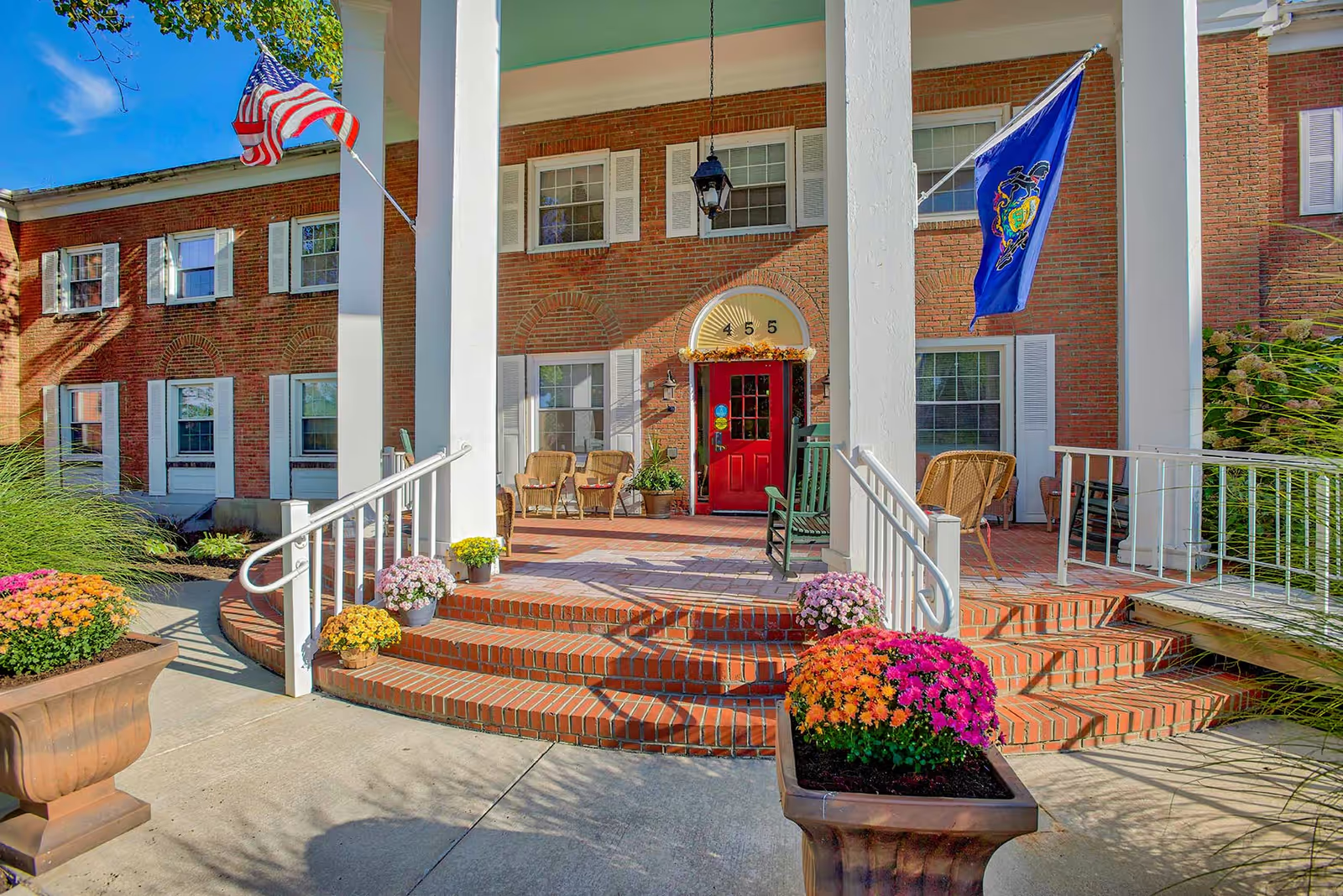
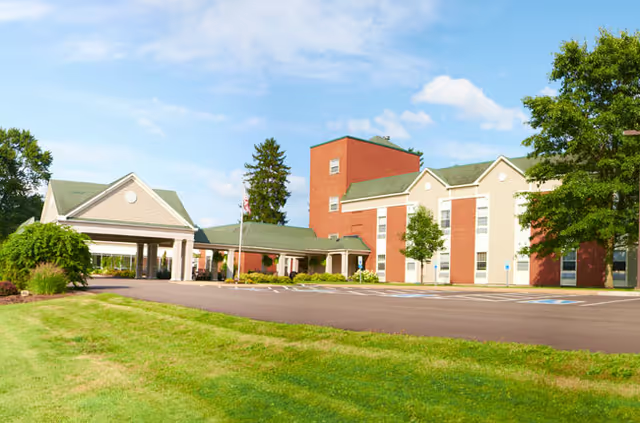
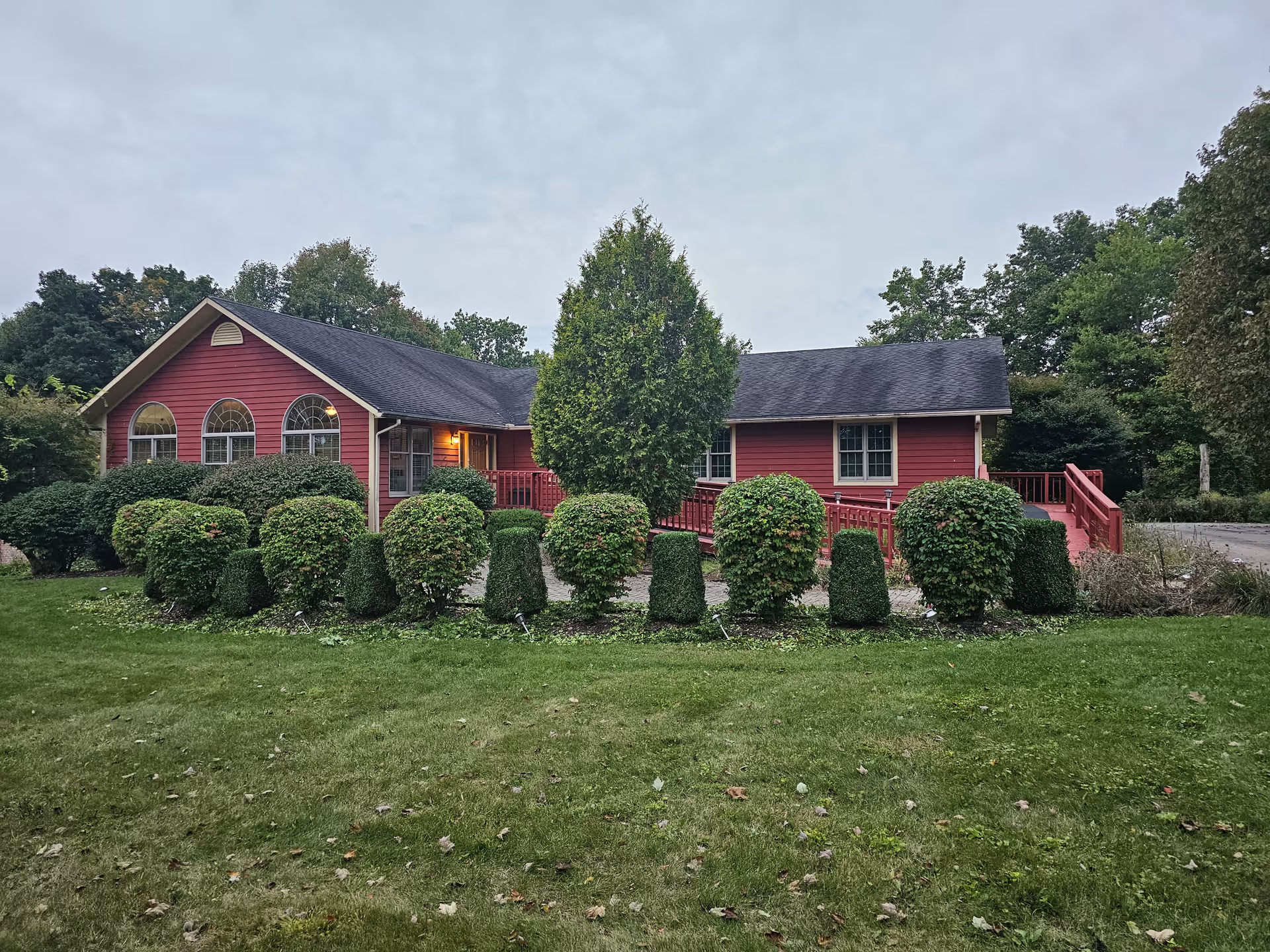
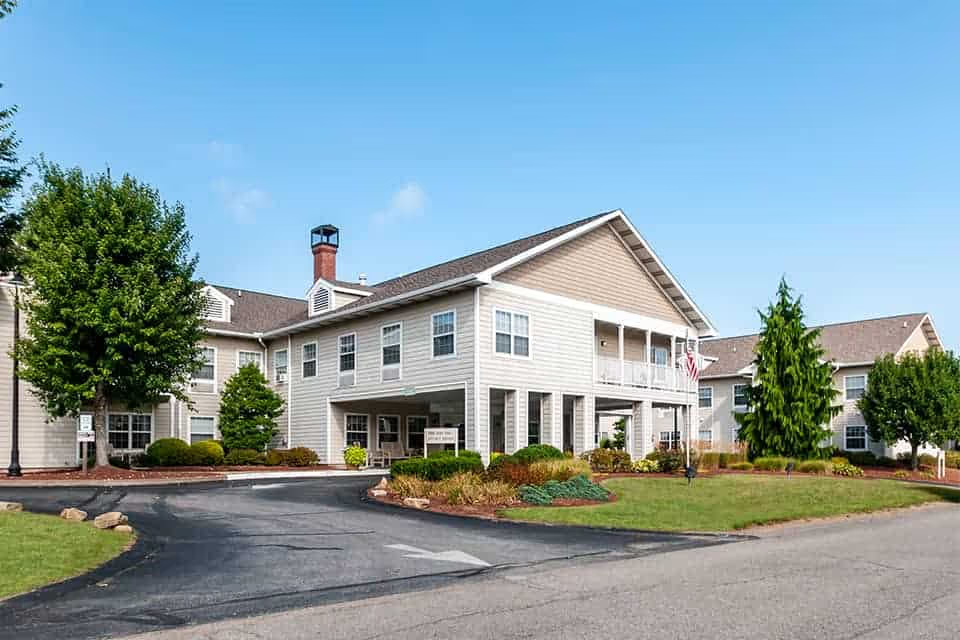
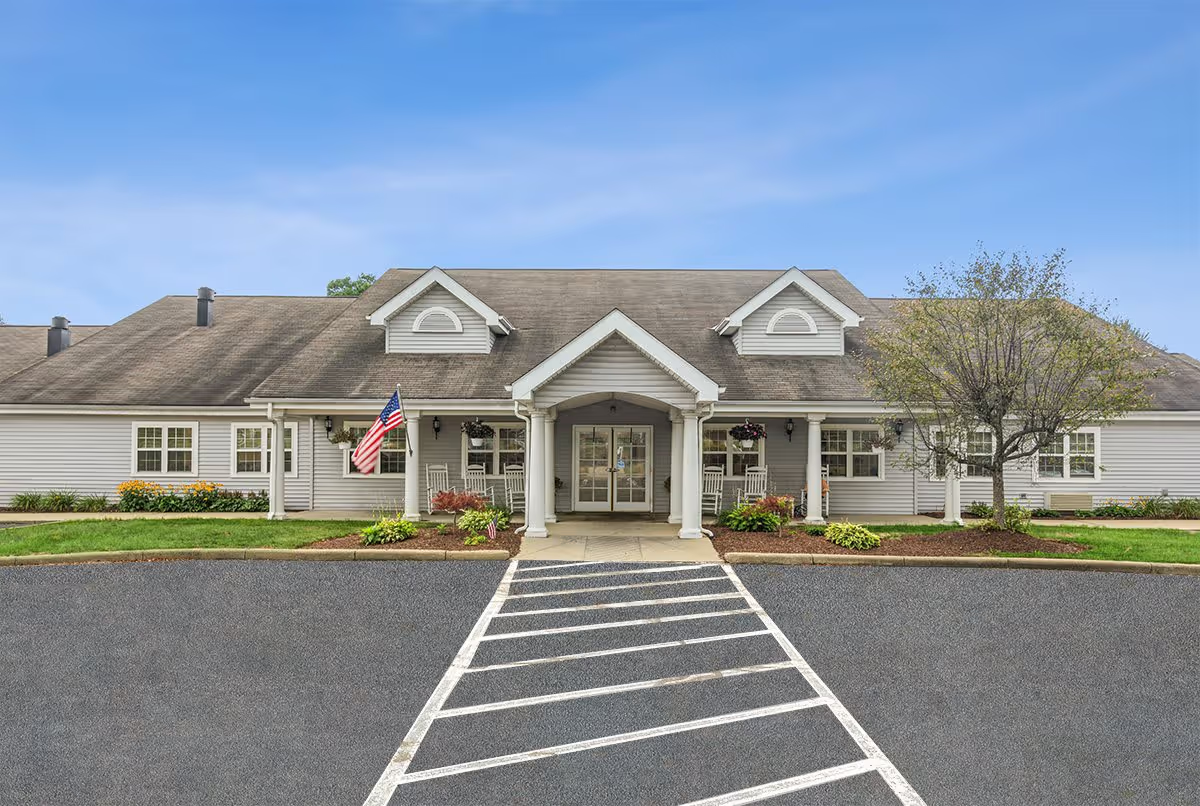
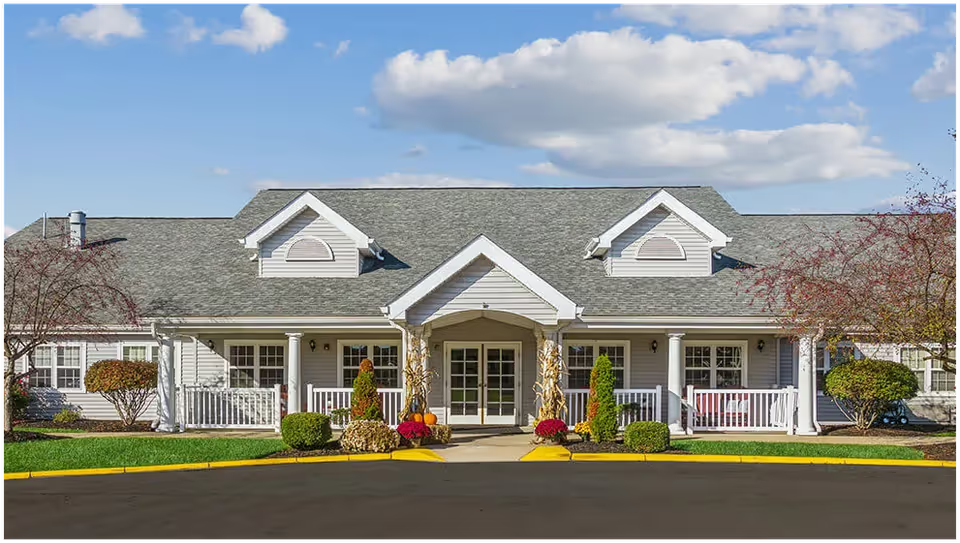
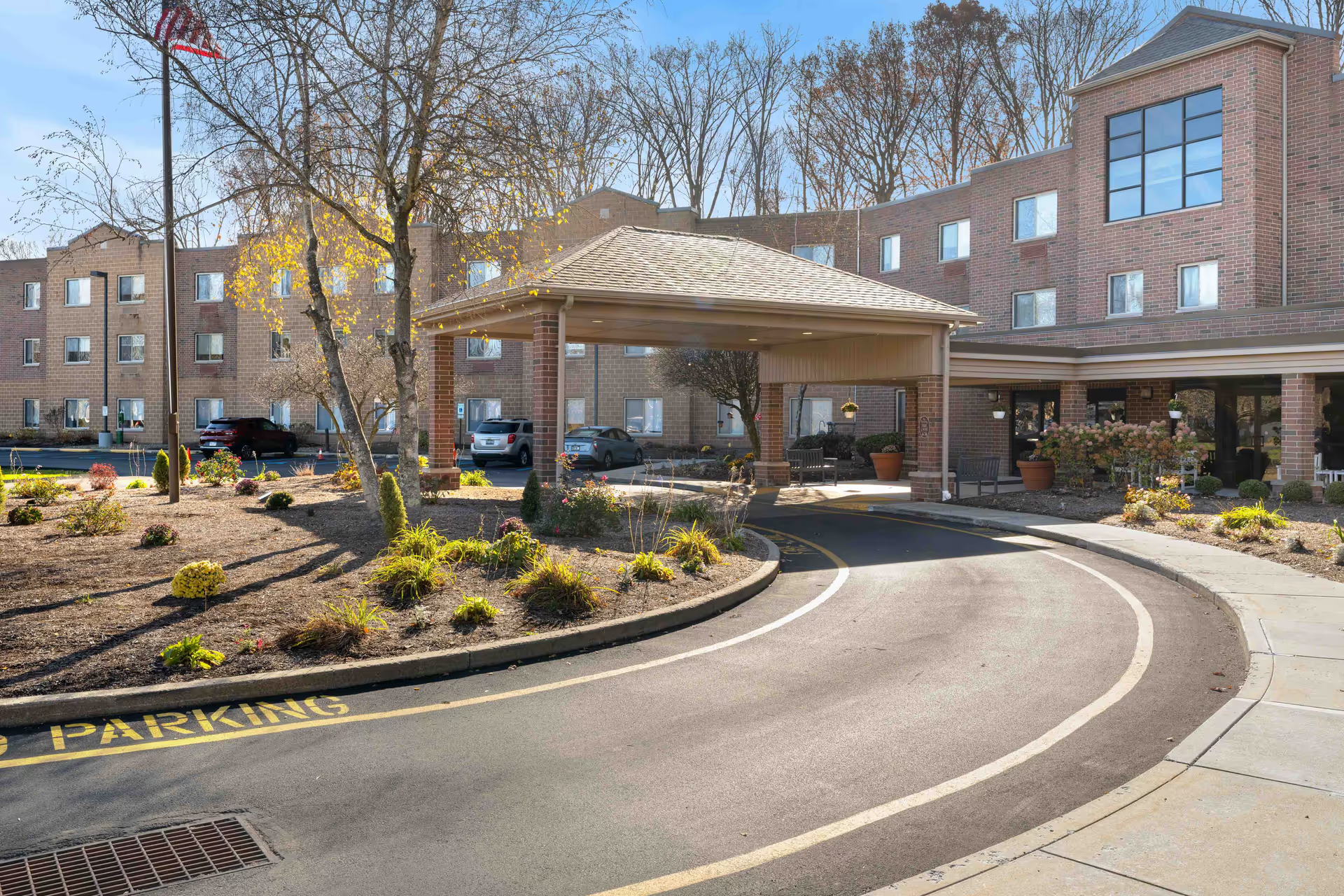
Overall impression: Reviews present a mixed but largely favorable picture of clinical rehabilitation and day-to-day living at the facility. Families and visitors frequently praised the therapy teams (PT/OT), the demeanor of direct-care staff, and the facility’s physical environment—reviewers described a clean, bright building with homelike decor, attractive common areas, and a welcoming atmosphere. Many accounts highlight responsive therapy services, good food, daily laundry, and a dementia unit that residents and families view positively.
Care and staff: Caregivers, nurses, and aides are commonly described as kind, friendly, and respectful; several reviewers pointed to attentive bedside care, warm interactions, and staff who go above and beyond. That said, a consistent pattern in negative comments centers on operational pressures: staff are described as overworked, which reviewers linked to slower call responses and delays in basic assistance (for example, delayed replenishment of fluids or help with routine needs). These staffing pressures appear to coexist with many strong individual staff performances, producing variability by shift and unit.
Clinical quality and safety: Therapy and rehabilitation services receive strong endorsement, and some families reported smooth transitions home. However, recurring clinical concerns include inconsistent medication administration and record-keeping, and examples of pressure-injury occurrences and sanitation-related issues that suggest gaps in wound-prevention, incontinence care, and routine monitoring. These issues indicate opportunities to strengthen clinical protocols, documentation, and quality-assurance processes to ensure consistency across all shifts and units.
Dining and activities: Dining is frequently described positively—meals are called tasty and enjoyed by residents. Activity programming is also a strength in many accounts: bingo, singing performances, escorted visits, and communal events contribute to a social atmosphere. A subset of reviewers wanted more or more consistent activities, indicating variability in programming between units or shifts rather than a wholesale absence of engagement opportunities.
Facilities and amenities: The facility is repeatedly described as clean, bright, and well maintained, with spacious rooms and areas for privacy or socializing. Pet-friendly accommodations and attention to religious or cultural preferences (for example, listed services) were noted favorably. Some families appreciated guided tours and helpful admissions staff.
Management, communication, and policies: Several critiques center on administrative responsiveness and communication. Examples include cancelled appointments without family consultation, poor record keeping, and limited or inconvenient family communication channels (phone access limitations, dislikes about electronic sign-in kiosks). There were also reports of inconsistent application or communication of infection-control and visitor policies (for example, quarantine procedures), which contributed to family frustration. Together these items point to a need for clearer, more consistent family communication protocols and stronger administrative follow-up.
Patterns and recommendations: The reviews suggest a facility with clear strengths in rehabilitation, compassionate frontline staff, and a pleasant living environment, but with operational weaknesses that affect consistency of care. Prospective residents and families should weigh the strong therapy and social environment against variability in medication management, sanitation/incontinence-care practices, wound-prevention monitoring, and administrative communication. When evaluating placement, ask facility leadership about staffing ratios and shift coverage, medication-administration audits, wound-prevention protocols, infection-control and visitor policies, and routine family-communication practices (including phone access and electronic check-in). These targeted questions can help determine whether the facility’s strengths align with a specific resident’s clinical and social needs.