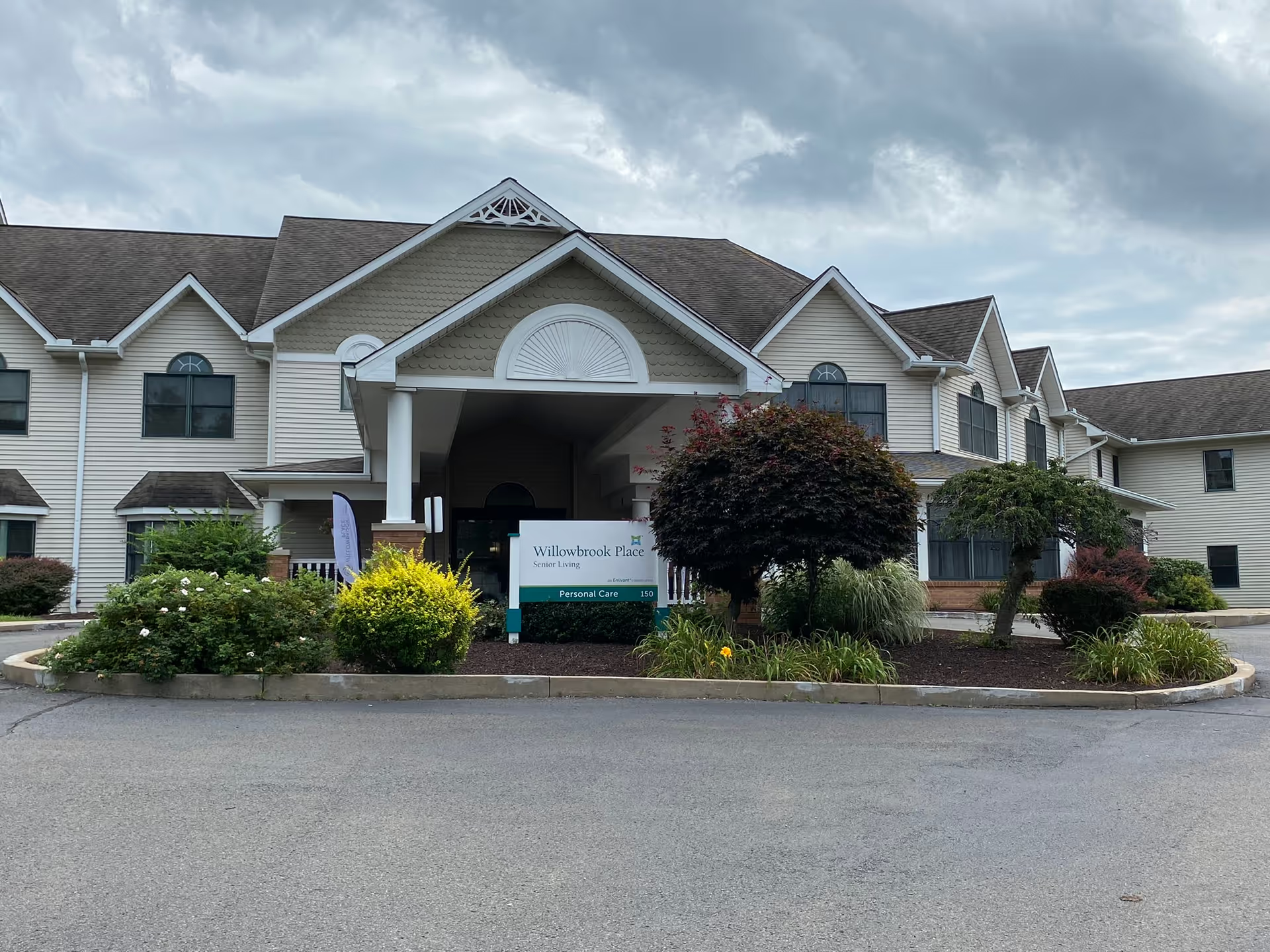
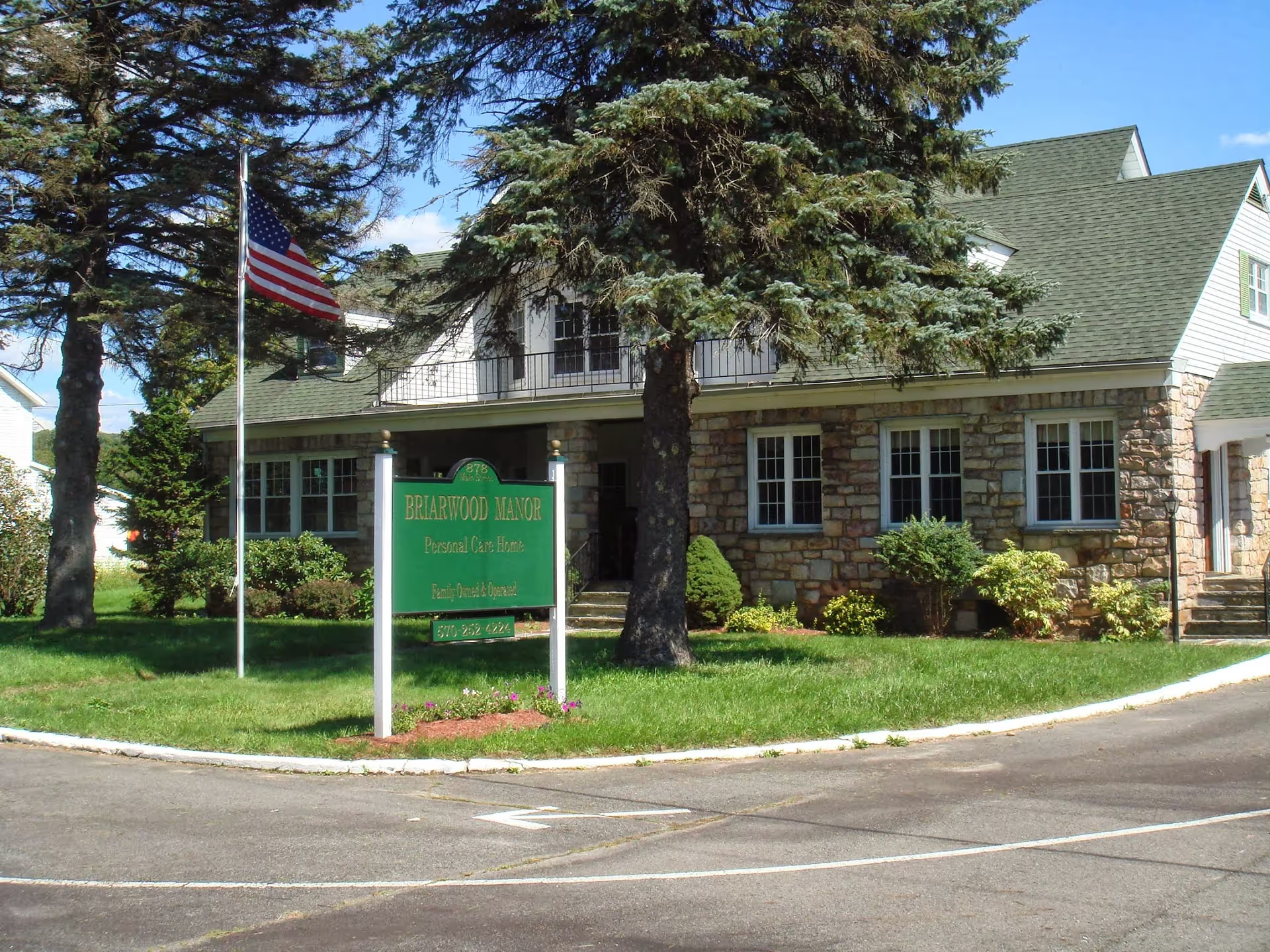
Overall impression: Family members and short-stay residents commonly describe a facility with strong clinical and interpersonal strengths. Staff — including nurses, CNAs, therapists, and the admissions/marketing team — are frequently characterized as compassionate, helpful, and knowledgeable. Several accounts highlight specific admissions staff who facilitated transitions, and families noted that clinicians and therapists provided attentive care that contributed to residents’ comfort and improved function.
Care and staff: Reviews emphasize consistent, person-centered attention from nursing and therapy teams. Families report regular clinical updates and a focus on resident happiness and well-being. Staff members are often credited with going beyond routine duties to set up rooms with familiar pictures, enable video chats during visitation limits, and provide reassurance about clinical status. At the same time, a small number of comments point to variability in responsiveness and occasional concerns about staff communication tone; these suggest intermittent gaps in bedside responsiveness or family-facing interactions that prospective families may want to monitor.
Activities and daily life: The facility’s activity program appears robust and well-received; residents are described as enjoying events and showing positive engagement. Additional touches such as snacks and weekly deliveries of small goods were noted as contributing to resident morale. Use of video and phone visits during infection-related restrictions helped maintain family contact and resident engagement.
Facilities and infection control: The physical environment is described as immaculate and spacious, and families expressed confidence in the facility’s infection-control vigilance during the referenced outbreak period. Room personalization and clean common areas were highlighted as contributors to a comfortable stay.
Management and operations: Admissions and front-line management receive specific praise for proactive planning and support; multiple families singled out admissions staff who smoothed transitions and coordinated short stays or respite care. However, operational weaknesses appear in several logistical areas: phone-system reliability and general communication infrastructure were noted as problematic, and there are recurring mentions of delays or inconsistencies in delivering residents’ personal belongings. These items point to administrative and coordination processes that could benefit from refinement to match the facility’s clinical strengths.
Notable patterns and recommendation guidance: The dominant pattern is of strong clinical care and a supportive caregiving culture, paired with occasional administrative and communication frictions. Prospective residents and families should consider the facility’s evident strengths in nursing, therapy, activities, and cleanliness while asking targeted questions about item-transfer procedures, phone/visitor communication workflows, and what measures are in place to ensure timely family updates. The facility may be particularly well suited for those prioritizing compassionate hands-on care and an engaging activity environment, with the caveat of confirming specific logistical expectations before move-in.