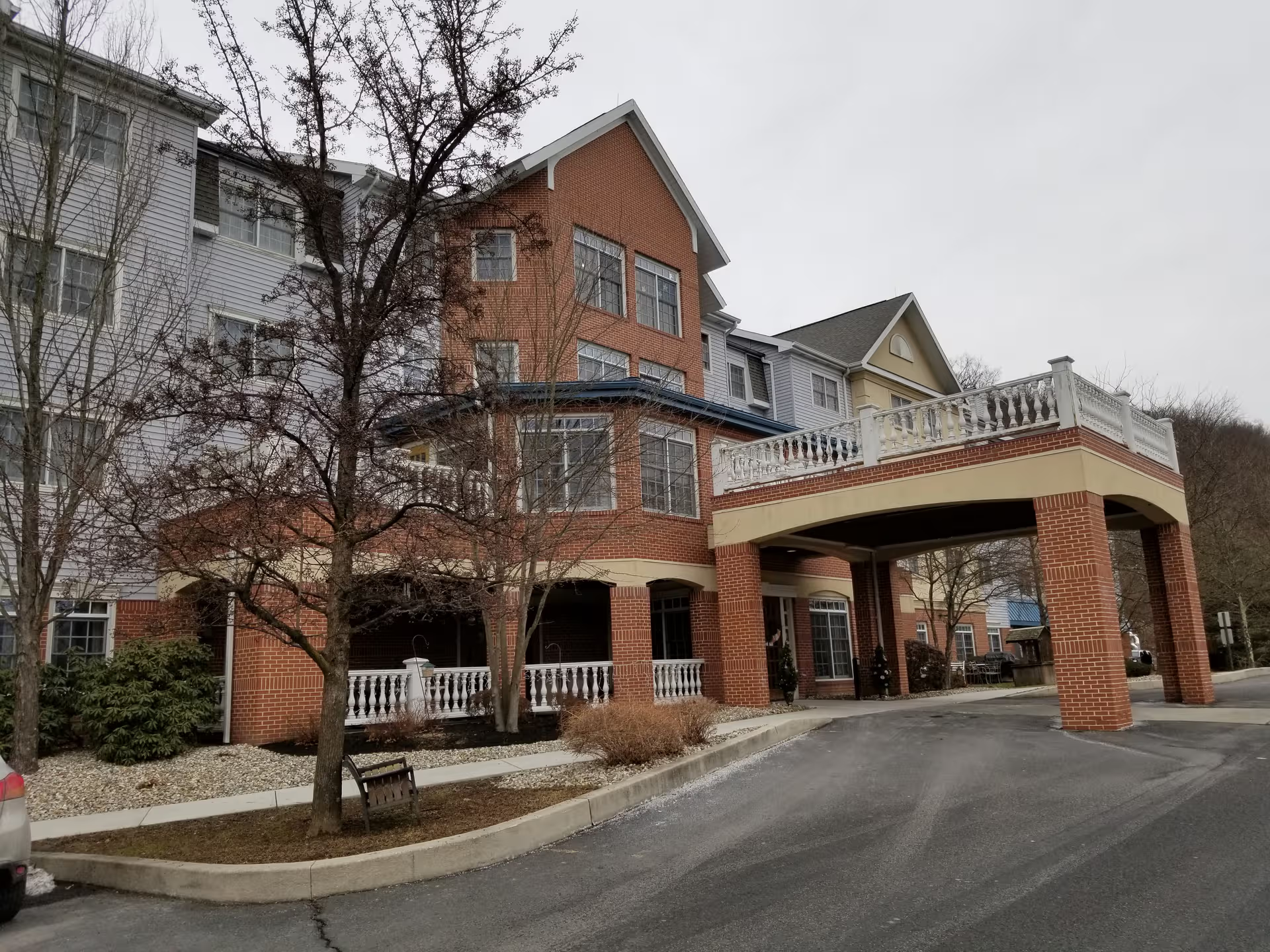
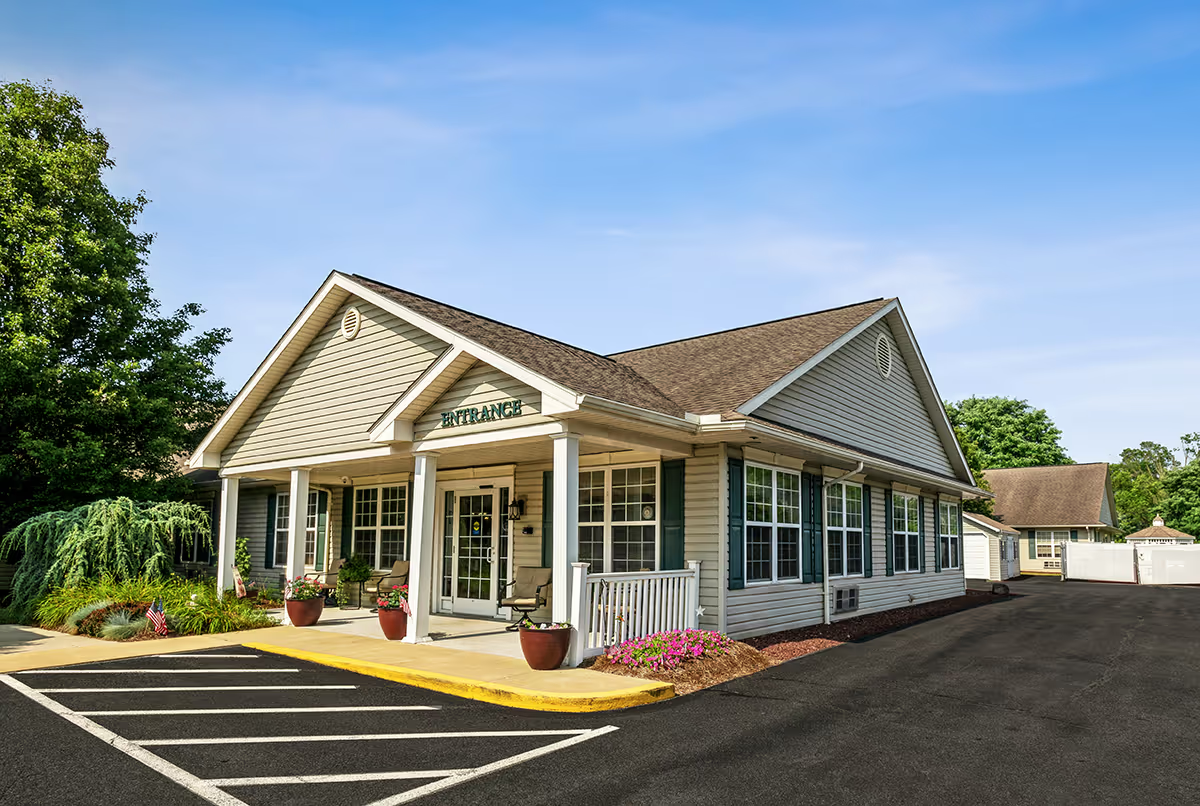
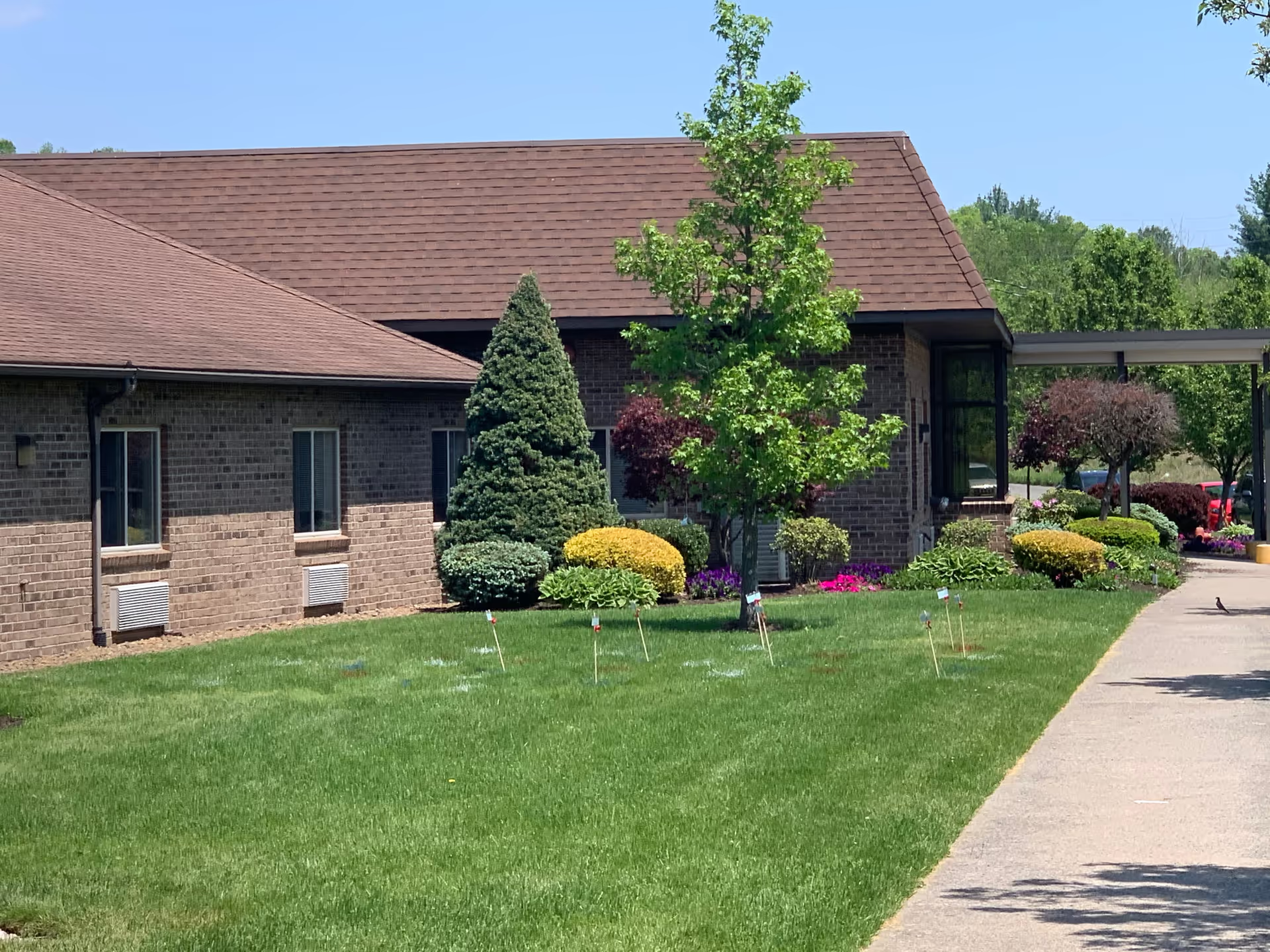
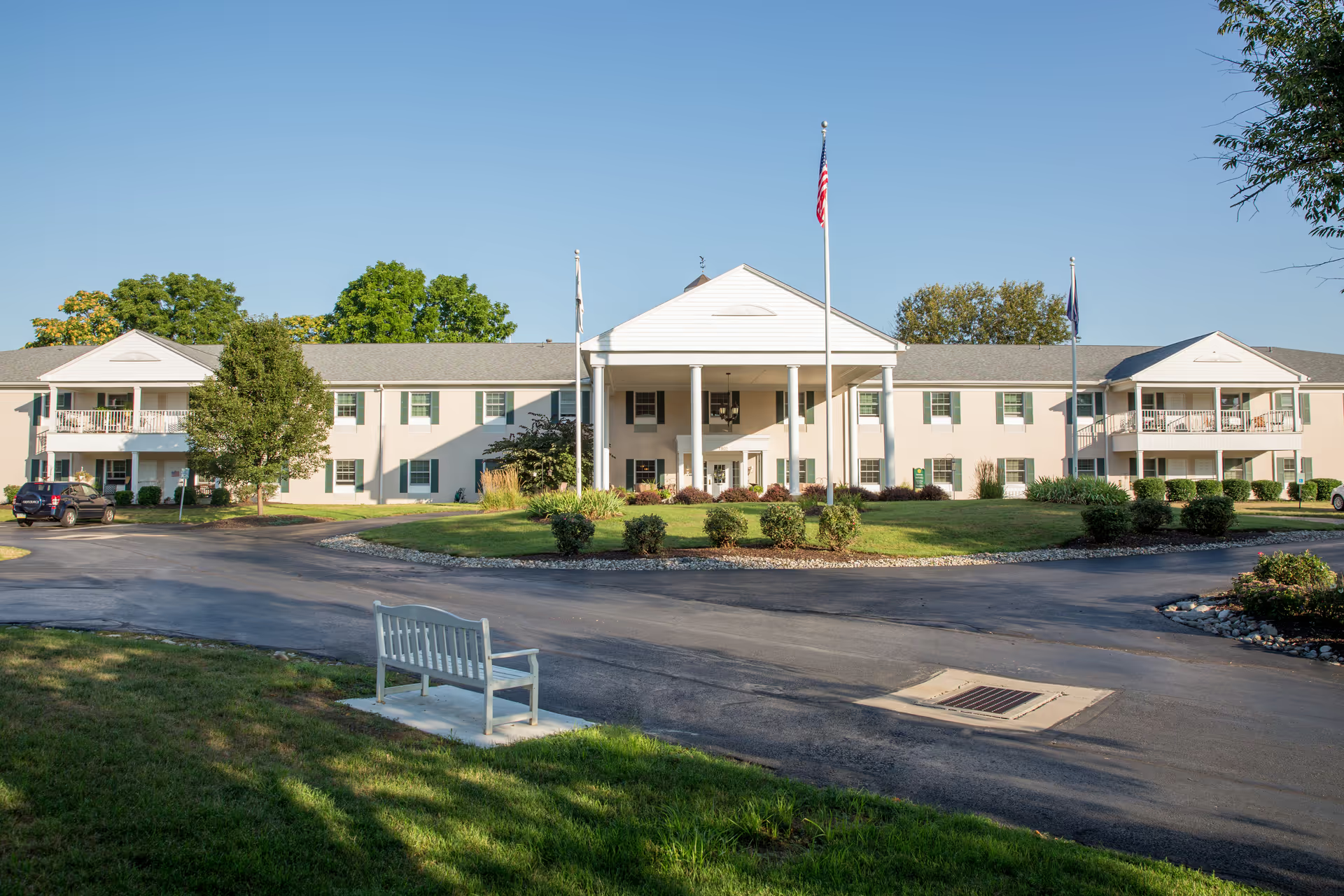
Overall impression: Seton Manor Nursing and Rehabilitation Center is consistently described as a rehabilitation-focused facility with many strengths in clinical care and resident engagement. Reviewers frequently highlight strong physical therapy and rehab services, attentive nursing, and a generally compassionate care culture that fosters a family-like atmosphere. The building is described as clean, bright, and well maintained, with an appealing outdoor area and convenient access and parking.
Care and staff: Clinical care and therapy are the facility’s strongest features. Physical therapy and rehabilitation receive repeated praise for helping residents regain strength and mobility; multiple accounts indicate meaningful progress for patients referred for short-term rehab. Regular nursing staff and aides are often characterized as kind, attentive, and responsive during weekday hours. However, staffing patterns appear inconsistent: reviewers cite staffing shortages at night and on weekends, occasional delays in response, and variability in temporary or agency aides’ conduct. These patterns manifest as slower response times and concerns about tone or attentiveness during off-peak hours.
Dining and activities: The facility offers an active calendar and organized spiritual programming that many families found beneficial for resident well-being. Dining is described as generally palatable, and dietary staff receive positive mentions, but meal preparation and service quality appear variable. Some reviewers described meals as edible and satisfactory, while others noted uneven presentation or service issues. Families looking for consistent culinary quality may want to monitor meal-service patterns in person.
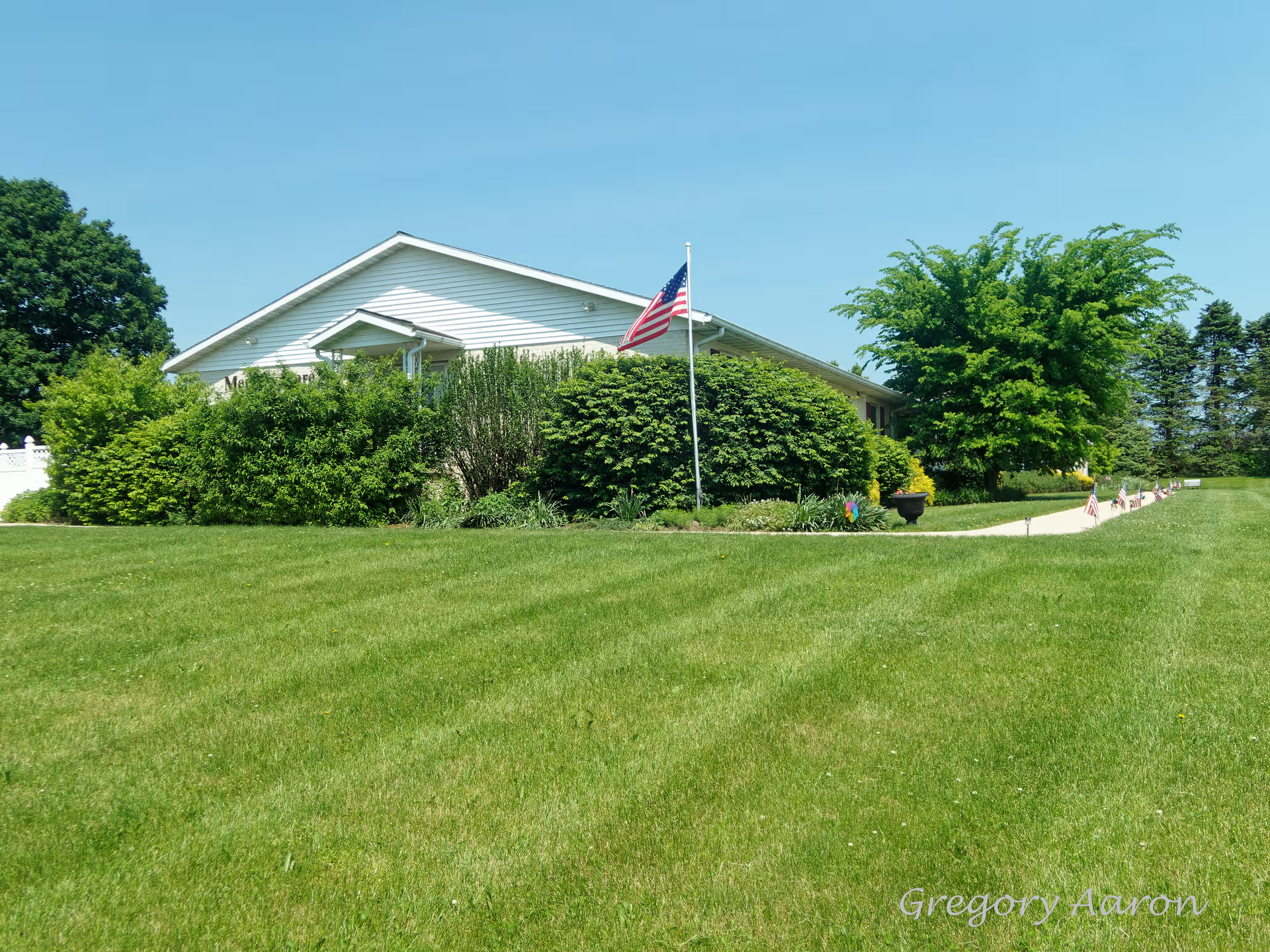
Facilities and operations: The physical environment and public spaces are viewed positively — clean common areas, good lighting, pleasant rooms, and an attractive outdoor space for residents and visitors. Operationally, strengths include secure sign-in, easy access, and accommodating administration in many instances. Conversely, there are isolated sanitation concerns reported in some private bathrooms and instances of missing belongings that point to gaps in personal-property controls. These are not described as facility-wide but represent operational weaknesses to be aware of.
Management and notable patterns: Communication and administrative responsiveness are characterized positively by many families, with issues generally addressed when raised. Nonetheless, several reviewers expressed concern about variability after ownership or management changes and about perceived prioritization of budgetary decisions. The combined pattern suggests the facility is well suited for rehabilitation and for residents who benefit from active therapy and resident engagement, but prospective residents and families should assess staffing consistency (especially for nights and weekends), the facility’s ability to support complex special-needs care, and safeguards around personal belongings. Visiting during different shifts and asking about weekend staffing levels, sanitation procedures for private bathrooms, and property-inventory processes can help clarify fit for an individual resident’s needs.