Reviews of Ware Presbyterian Village show a polarized picture: many families and residents praise the campus, therapy programs, and individual care staff, while other accounts raise operational concerns that prospective residents should evaluate closely.
Care and staffing: Numerous accounts highlight compassionate, motivated aides, nurses, and therapists who produced positive rehabilitation outcomes and meaningful daily support. Skilled speech and physical therapy are repeatedly described as effective. However, there is a recurring theme of chronic understaffing in skilled- and memory-care units that manifests as slow call-bell response times, delays in assistance with toileting and transfers, and lower frontline staff initiative. Several families described situations where they felt compelled to supplement care or advocate closely to secure timely attention. There are also specific concerns about medication-management practices and about consistency of clinical oversight in memory-care settings.
Dining and daily living: Dining impressions are mixed. Some residents report enjoyable meals and plentiful activities; others describe a decline in food quality, smaller portions, and intermittent delays in meal delivery or feeding assistance. Meal-service continuity and portion consistency appear to be an operational area with variable performance across units or time periods.
Activities and amenities: The community’s array of programs—lectures, performances, trips, and indoor exercise options—receives strong positive feedback. Many reviewers emphasized an active campus life and well-maintained grounds that support social engagement and physical activity, contributing to residents’ quality of life.
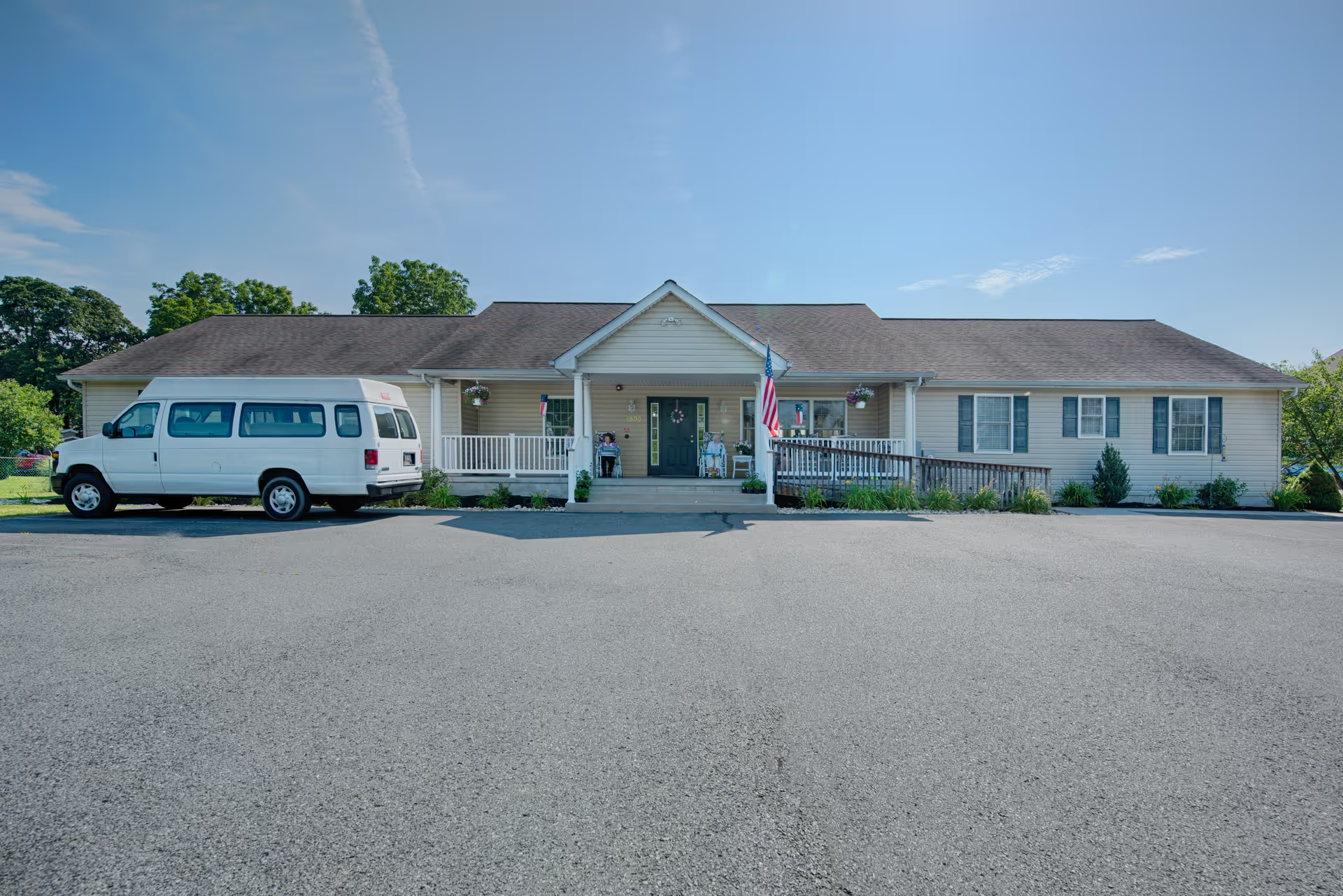
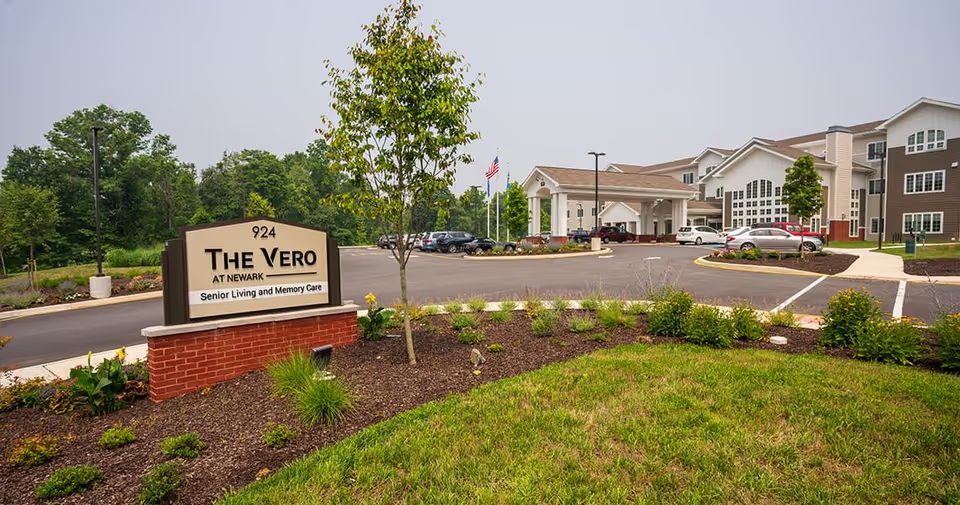
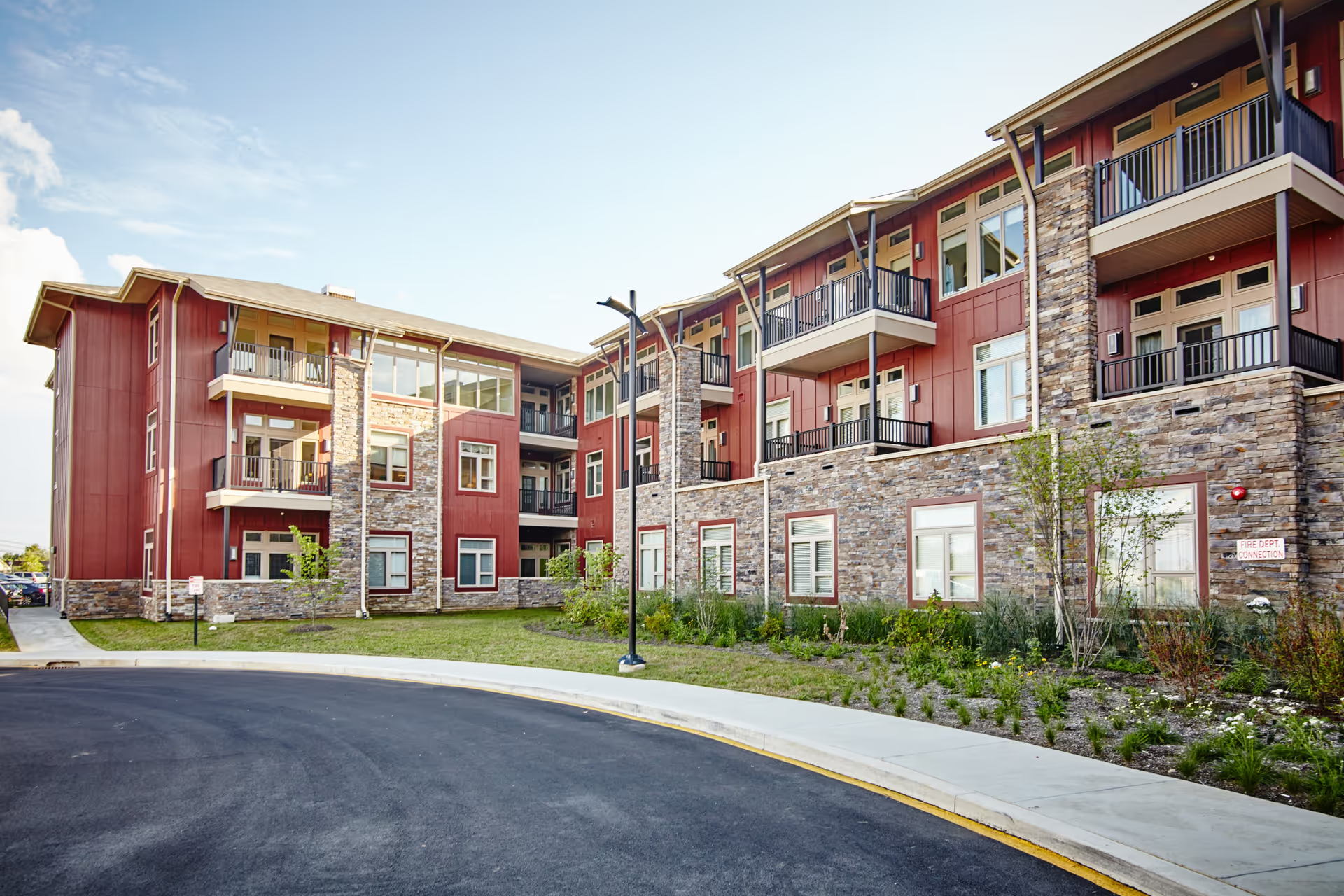
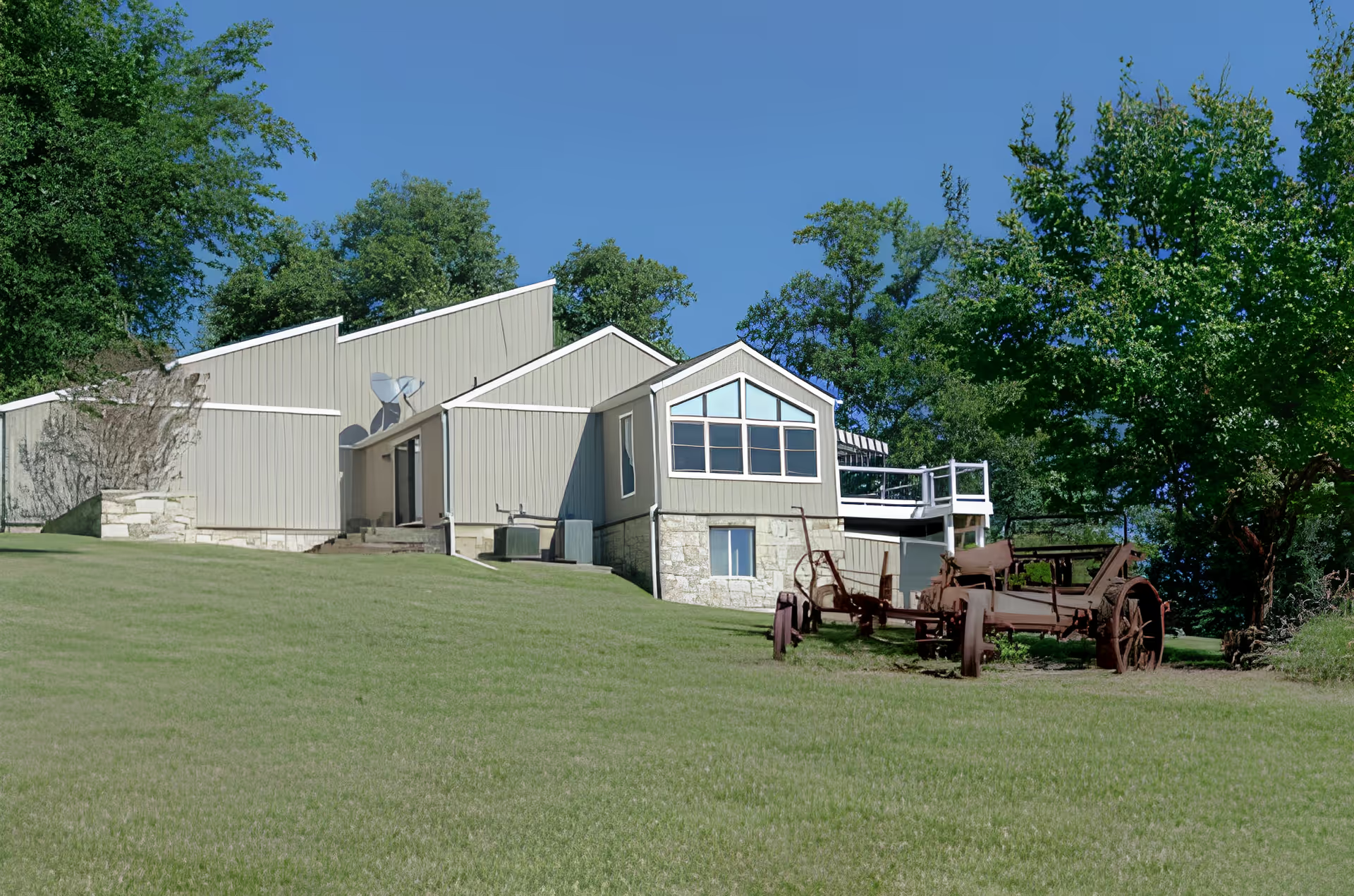
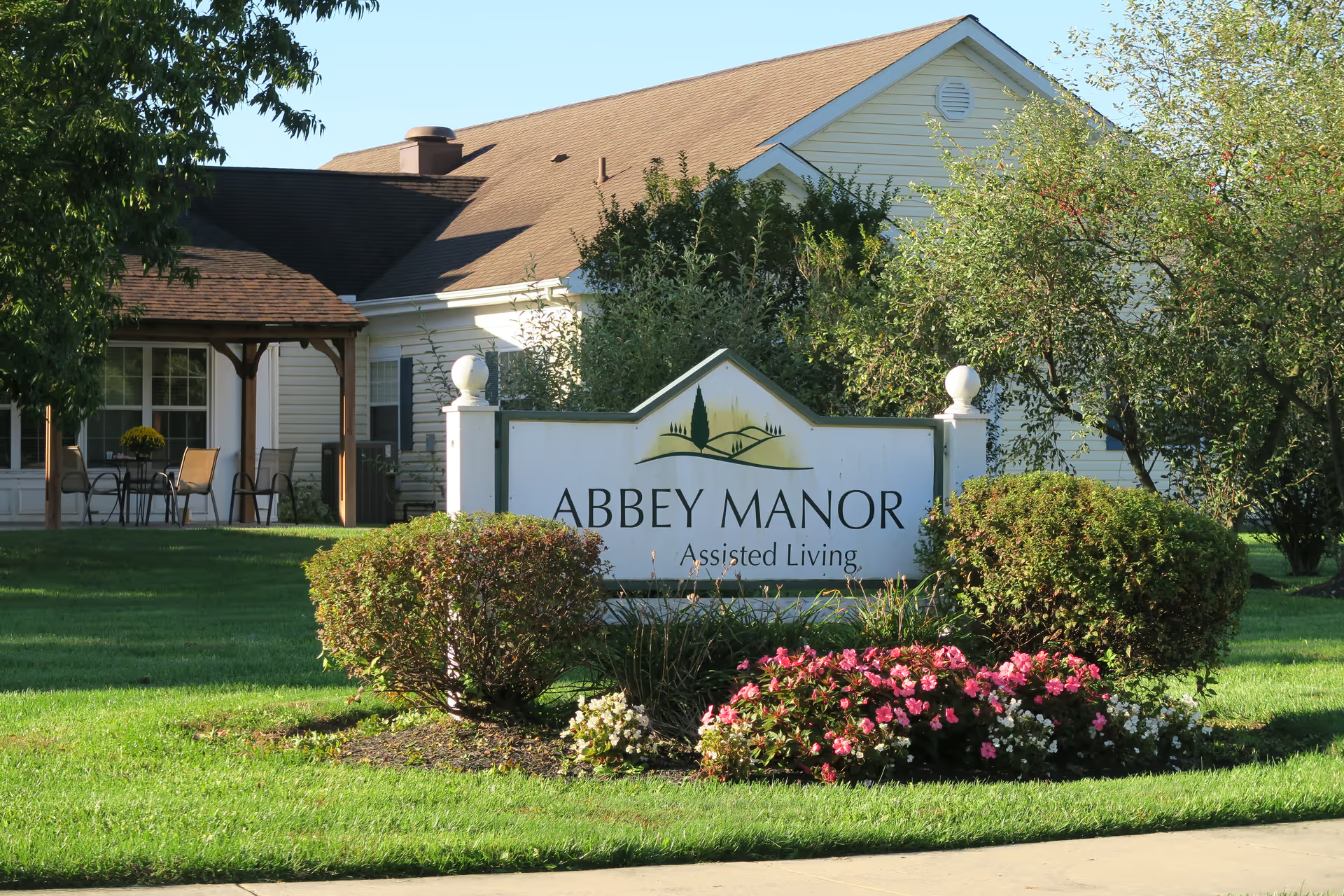
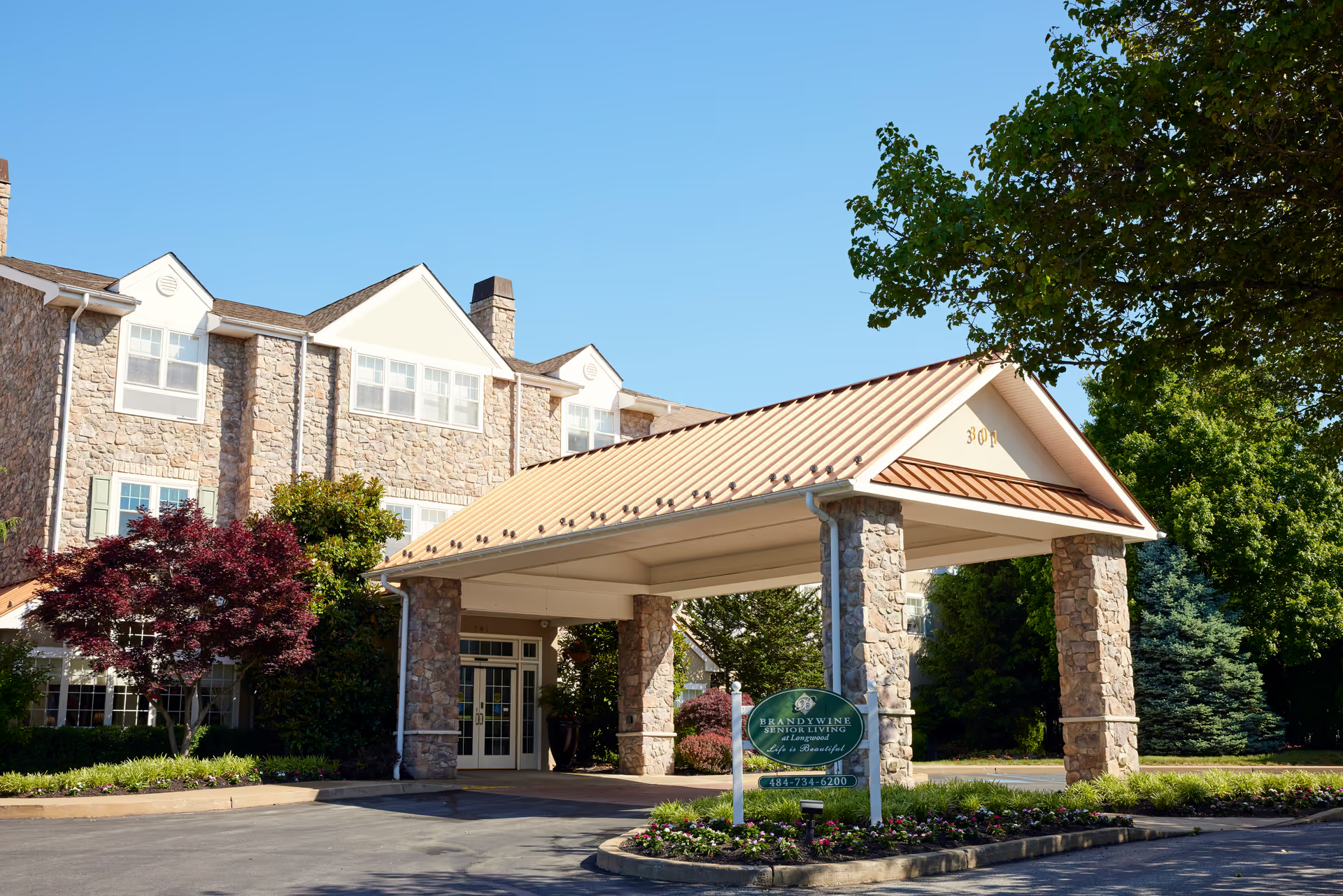
Facilities and safety: The campus is frequently described as attractive and well-kept, with positive comments about landscaping and common spaces. At the same time, some reviews raise concerns about maintenance and safety oversight in specific areas (for example, visible refuse or temporary structures needing repair). Reviewers also noted proactive infection-control measures taken by leadership during outbreaks, which some families credited for keeping the campus free of transmission at times.
Management, billing, and communication: Opinions about management are mixed. Some describe energetic, innovative leadership and responsive administrative staff; others cite frequent executive turnover and practices that convey a financial-first orientation. Specific billing practices cited include charges extending beyond Medicare-covered rehabilitation periods and difficulty obtaining relief or clear explanations for those charges. Family communication and discharge coordination are described as inconsistent, and several families reported frustration pursuing billing or debt-resolution conversations.
Notable patterns and guidance: The overall pattern is one of strong individual caregivers and engaging campus life, paired with operational weaknesses in staffing consistency, clinical oversight in higher-acuity units, meal-service reliability, and administrative transparency. Prospective residents and families should arrange unit-specific observations (particularly of skilled nursing and memory-care halls), ask for current staffing ratios and med-management protocols, review recent billing and discharge policies, and request examples of how maintenance and safety issues are tracked and resolved. An on-site visit during meal service and an opportunity to speak with current family members can help clarify whether the strengths or weaknesses are most relevant to a particular resident’s needs.