The reviews for this facility present a polarized picture: several accounts describe high-quality, individualized clinical work and engaging rehabilitation services, while others describe persistent operational and care-delivery problems. Praise tends to cluster around therapy teams, certain nurses and aides, activity staff, and specific support personnel; criticisms focus on hygiene, responsiveness, meal service, facility upkeep, and administrative follow-through.
Care quality and clinical services: Many reviewers praise the rehabilitation programs (physical, occupational, and speech therapy) and describe clinicians who are skilled and effective at restoring function. Some families highlighted nurses and aides who know residents’ clinical needs and form strong relationships that support individualized care. Counterbalancing this, other reviews raise concerns about inconsistent adherence to clinical orders, medication-administration problems, and delayed responses to resident needs. There are also serious-sounding claims about critical incidents and end-of-life transitions; these suggest potential gaps in risk management and escalation procedures that prospective families should evaluate directly with the facility.
Staff and conduct: Front-line staff receive mixed evaluations. Numerous comments commend compassionate, hardworking aides and helpful staff members in specific roles (laundry, activities, therapy). At the same time, recurrent concerns describe inconsistent staff conduct and communication tone, late or missed aide visits, high turnover, and lapses in professional appearance or identification. These issues are presented as patterns of inconsistent behavior rather than uniform culture, indicating variability by shift, unit, or individual caregiver.
Dining and nutrition: Dining experiences are uneven. Positive notes include occasional enjoyable meals and pleasant dining interactions, while negative observations include meals served at suboptimal temperatures, meals not matching posted menus, missing utensils or alternatives, delayed diabetic meal timing, and general inconsistency in meal quality. The dining environment itself is described as outdated and sometimes uncomfortable; this appears to compound dissatisfaction when food service is irregular.
Activities and social engagement: The activities program is a relative strength in many accounts. Activity staff were described as engaged and creative, providing stimulation, social opportunities, and familiar programs such as bingo and treats. This area appears to contribute positively to resident well-being and family satisfaction when staffing and leadership are consistent.
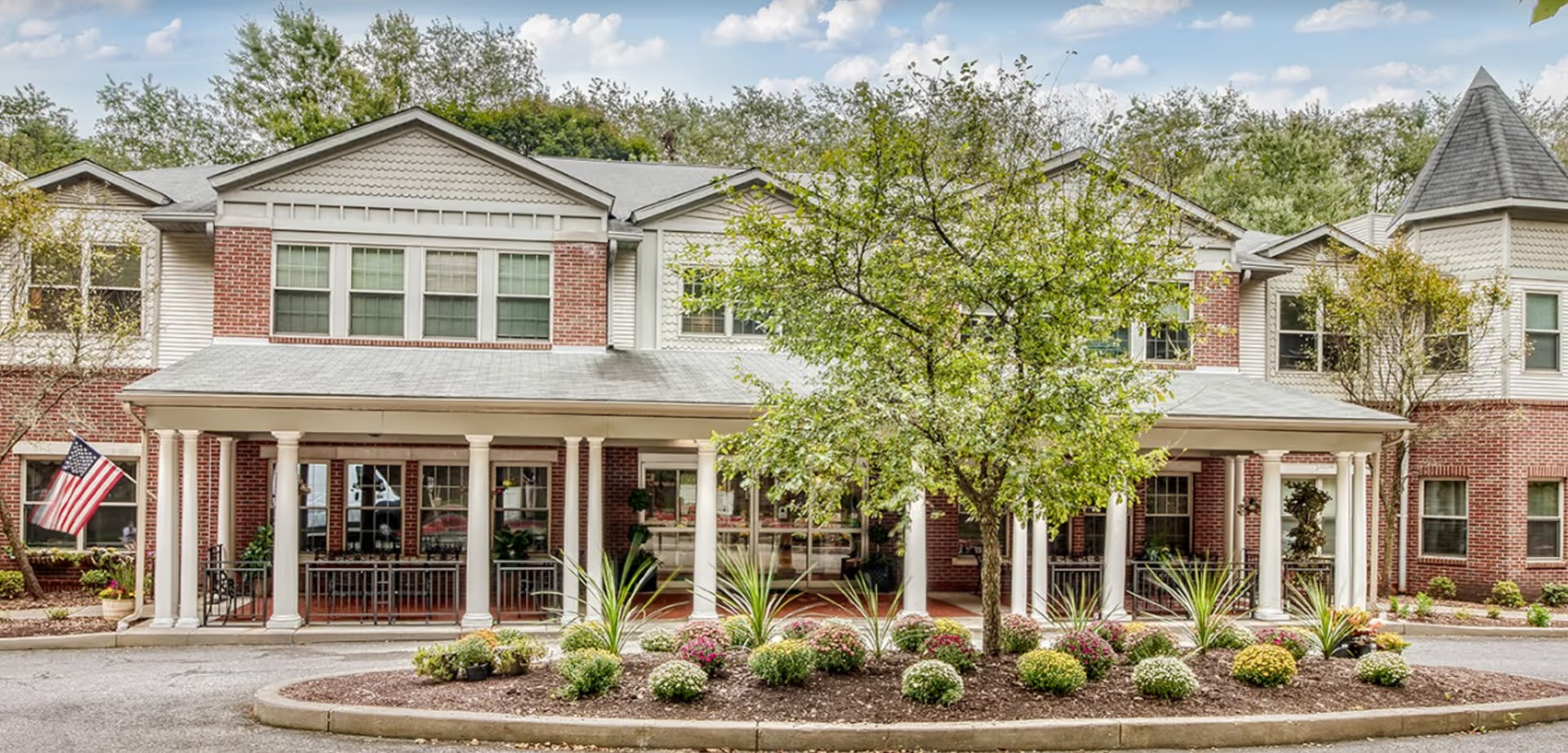
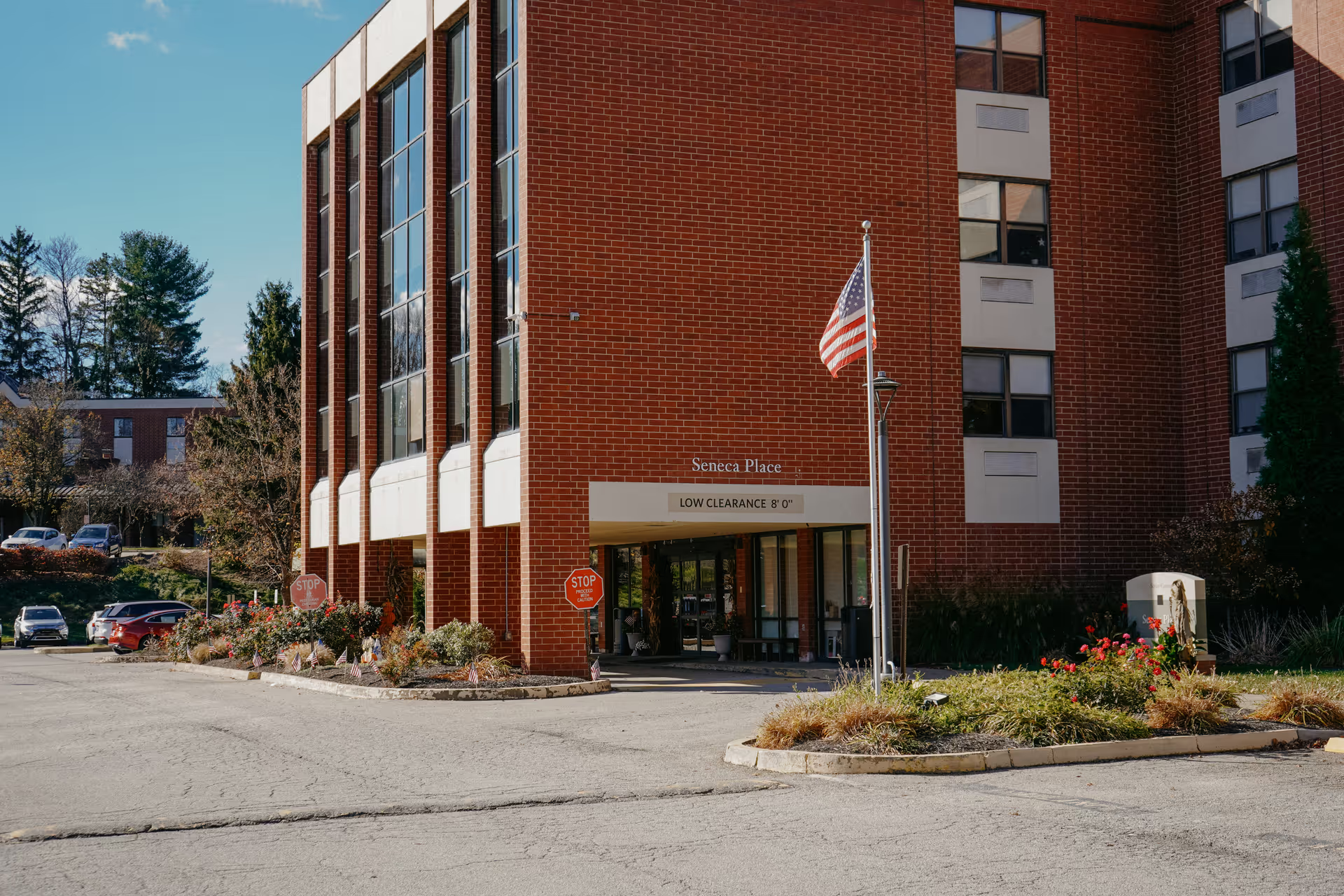
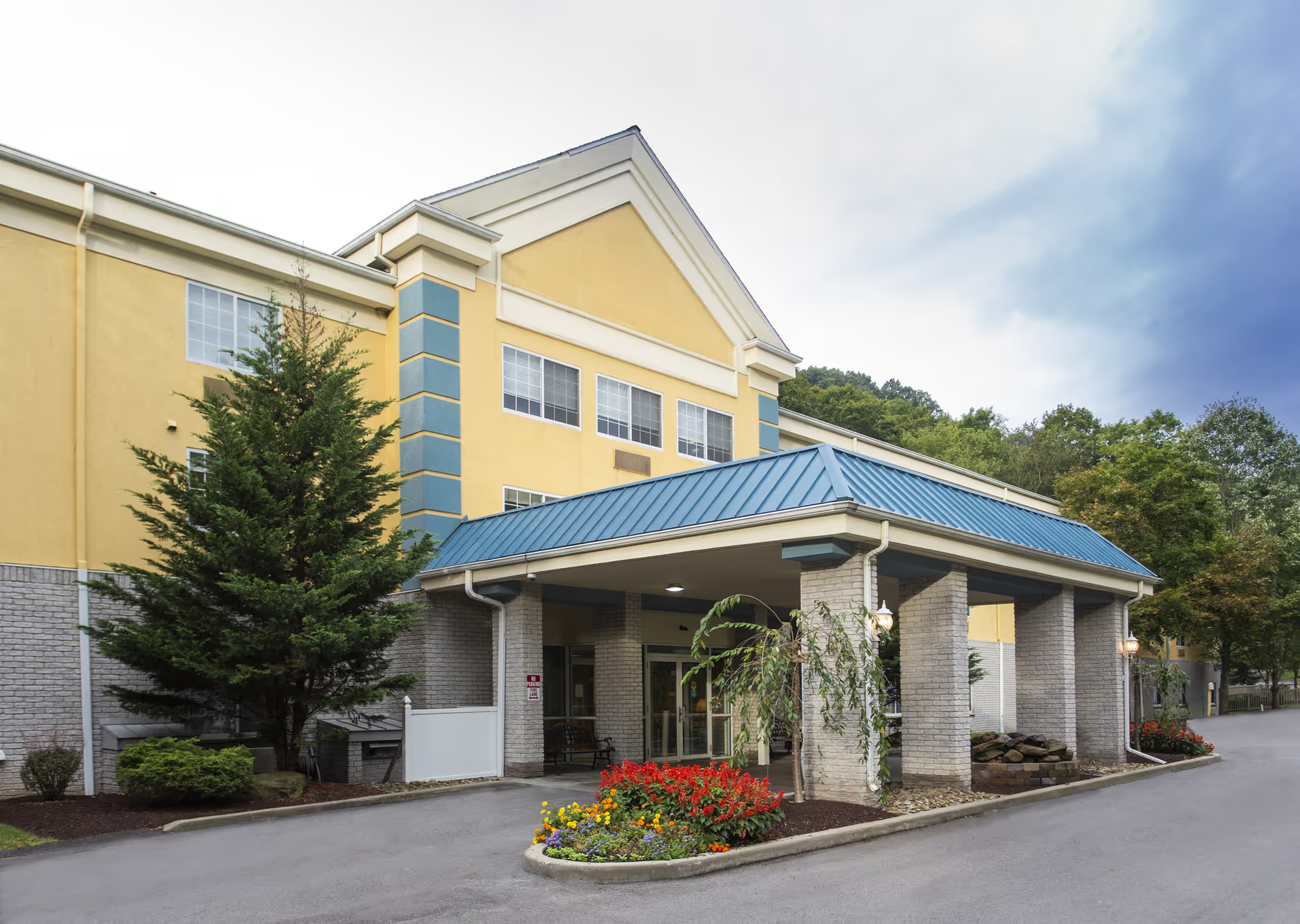
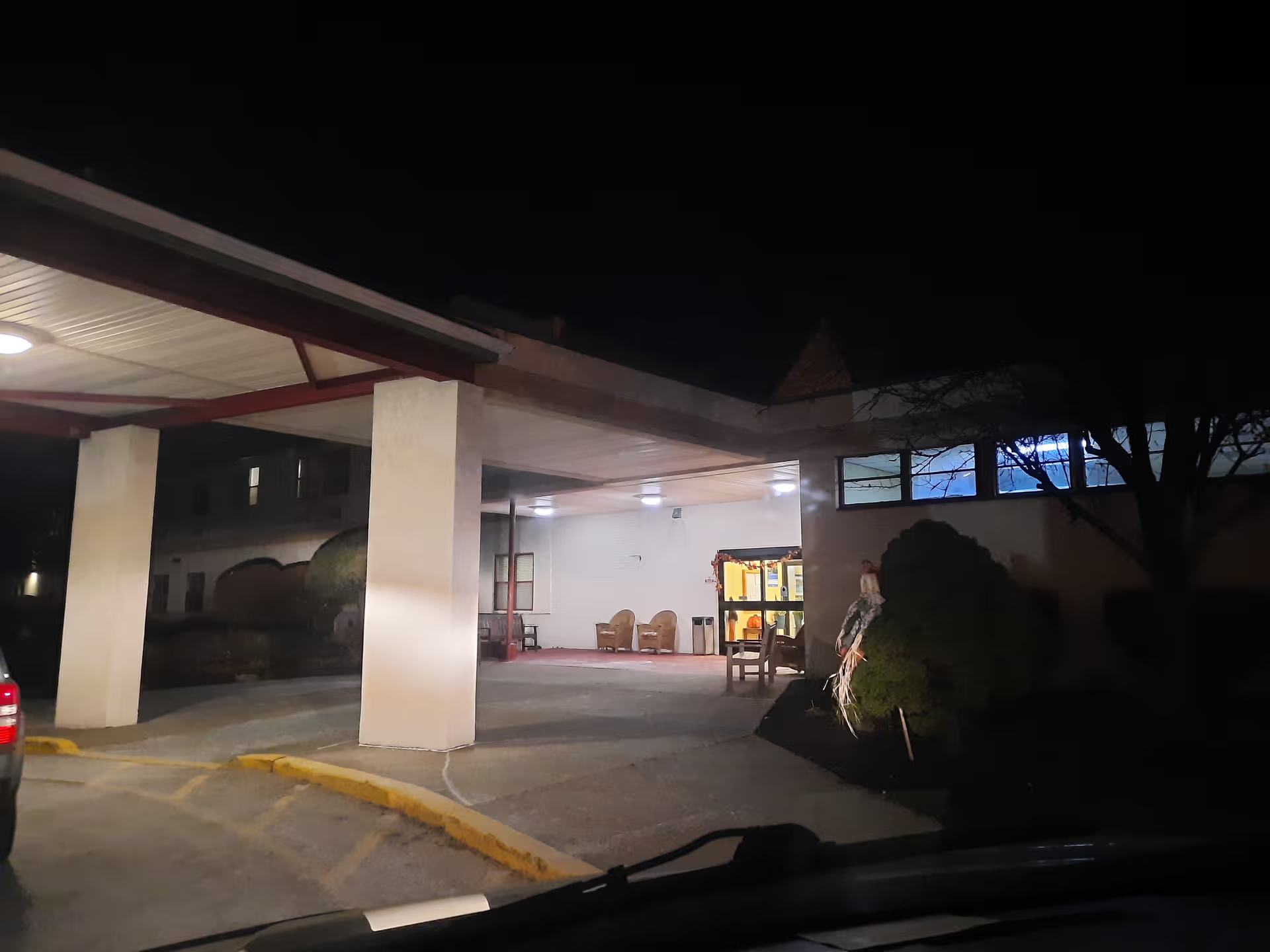
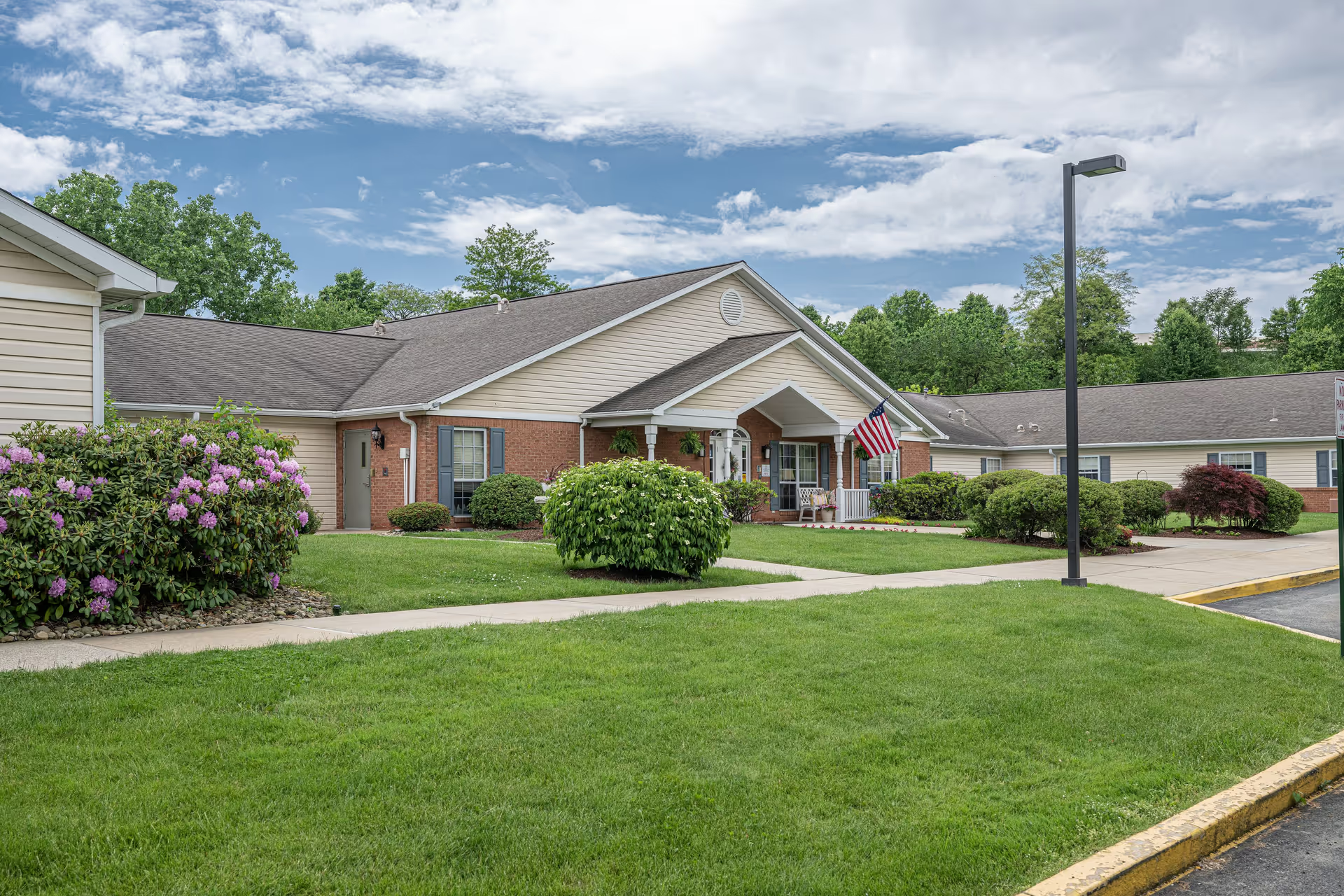
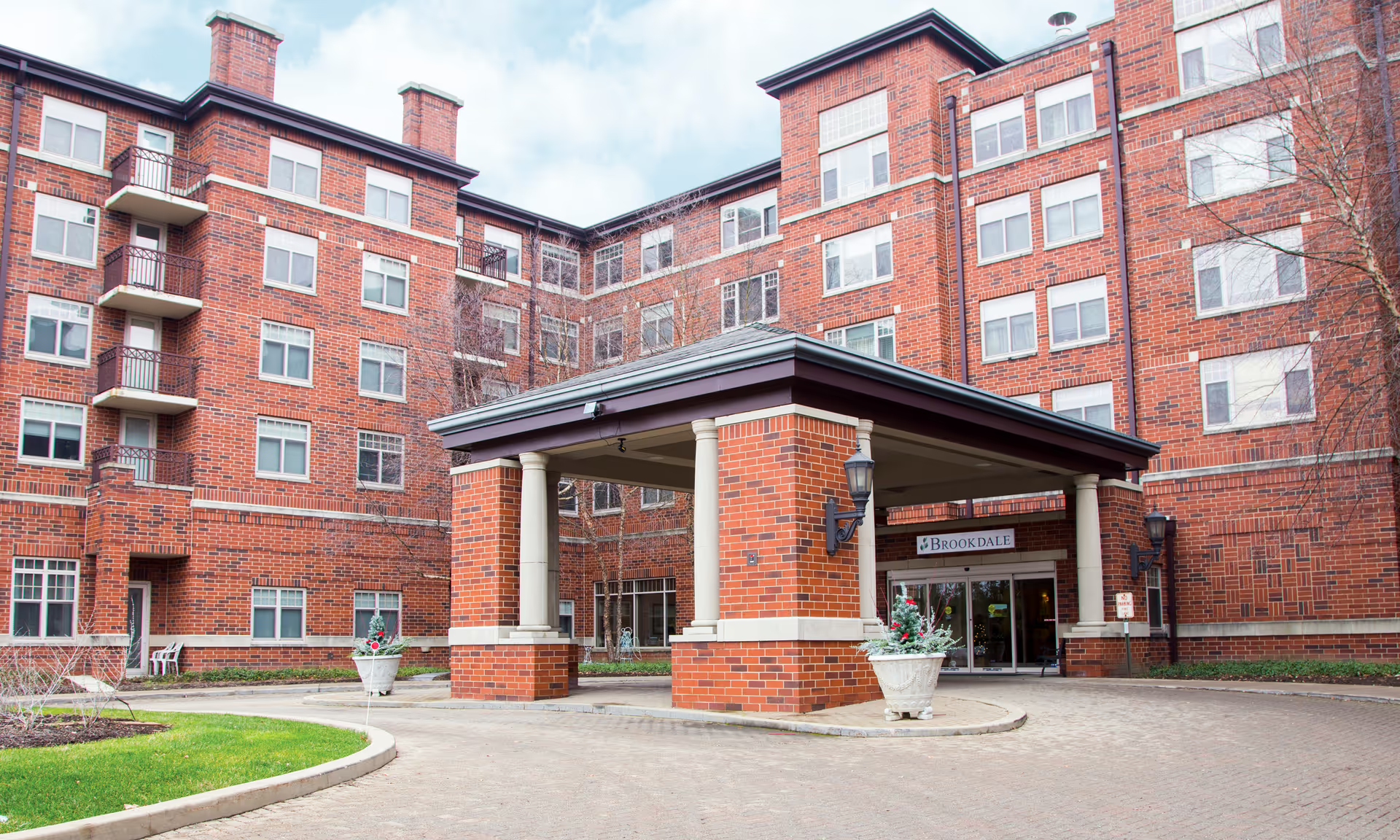
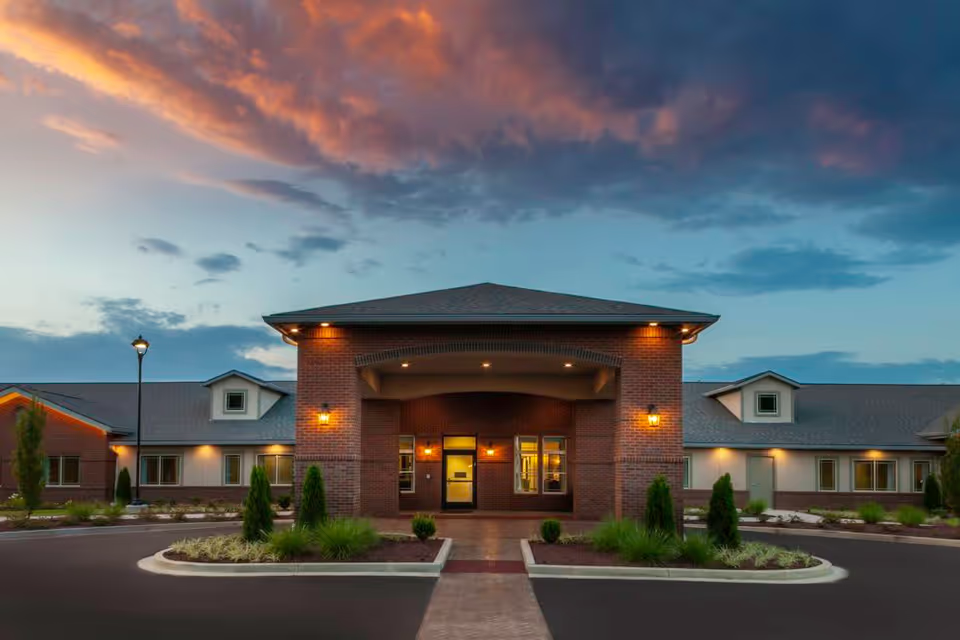
Facilities and maintenance: The physical plant draws mixed feedback. Several reviewers note an aging building, dated common areas, malfunctioning or undersized beds, and a need for lobby and dining-room updates. Sanitation-related issues and odor concerns in common areas and rooms are also reported, along with inconsistent linen management. These items point to maintenance and environmental-services processes that may need reinforcement.
Management, communication, and governance: Opinions about administration are sharply divided. Some describe supportive leadership, accessible administrators, and staff-centered management. Others describe weak accountability, poor complaint resolution, billing disputes, and pressure tactics around paperwork. Communication breakdowns—including unanswered calls, delayed family notifications, and inconsistent follow-up—are recurring themes that affect trust and satisfaction.
Notable patterns and guidance for families: The overall pattern is one of uneven performance with identifiable strengths in therapy and certain caregiving staff, alongside systemic weaknesses in meal service, sanitation, maintenance, staffing consistency, and administrative responsiveness. Because experiences appear to vary by unit, shift, and individual staff, prospective residents and families should observe care during multiple times of day, ask about staffing ratios and turnover, inquire about medication-safety protocols and incident reporting, review infection-control and linen procedures, and test family-notification practices. Direct conversations with therapy leaders and activity staff may be especially informative if rehabilitation and engagement are priorities.